
Calibre record · Hand-wound chronograph
Valjoux 72
Valjoux's three-register column-wheel chronograph, supplied as an ébauche to Rolex for the early Daytona, to Heuer for the Carrera and Camaro, and to many other brands.
- Manufacturer
- ETA
- Type
- Hand-wound chronograph
- Winding
- Manual
- Production
- 1938–1974 (some sources date its introduction to 1946)
- Country
- Switzerland
- Diameter
- 29.5 mm (13 lignes)
- Height
- 6.95 mm
- Jewels
- 17
- Frequency
- 18,000 vph (2.5 Hz)
- Power reserve
- c. 48 h
- Oscillator / escapement
- Detached lever escapement
- Complications
- Column-wheel chronograph with 30-minute and 12-hour counters; small seconds
Figures are those commonly published for the standard version; individual versions and grades differ. “Undocumented here” means the value has not yet been confirmed for this record.
How it is built
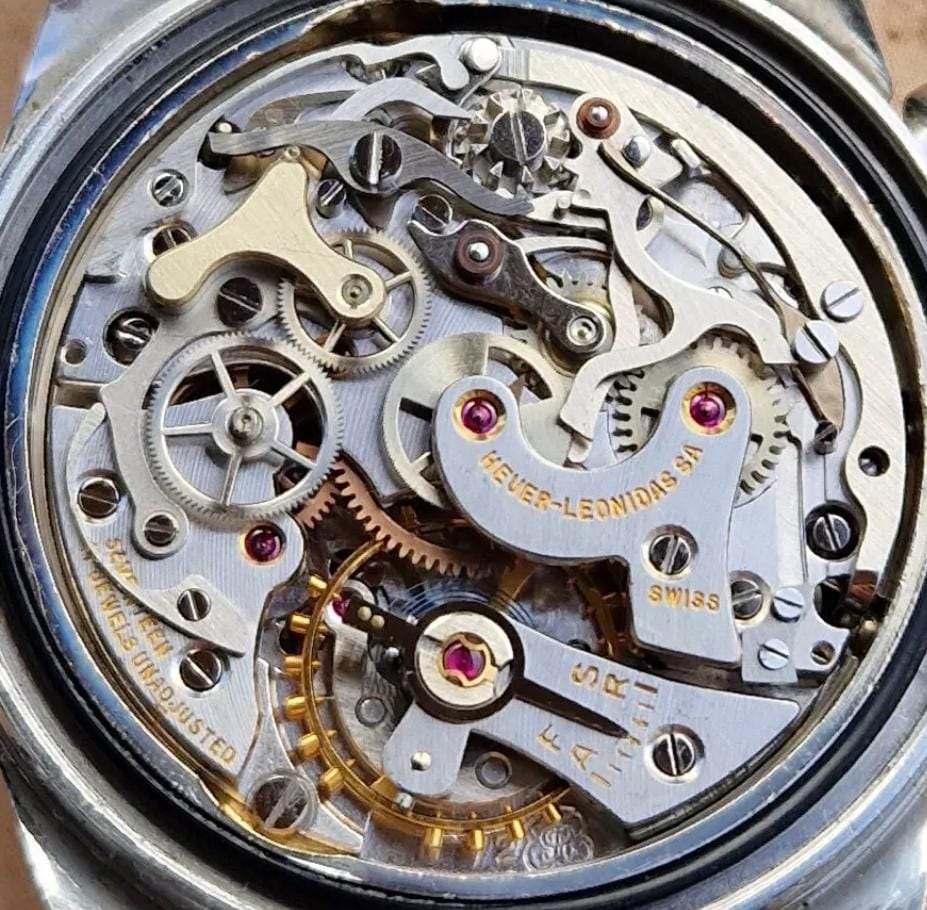
A hand-wound, 13-ligne chronograph controlled by a nine-toothed column wheel — the castellated wheel that coordinates start, stop and reset — with a lateral (horizontal) clutch that brings the chronograph runner into mesh with the going train. The chronograph works lie on the back of the movement, which is why the calibre is admired through display backs and in auction photographs.
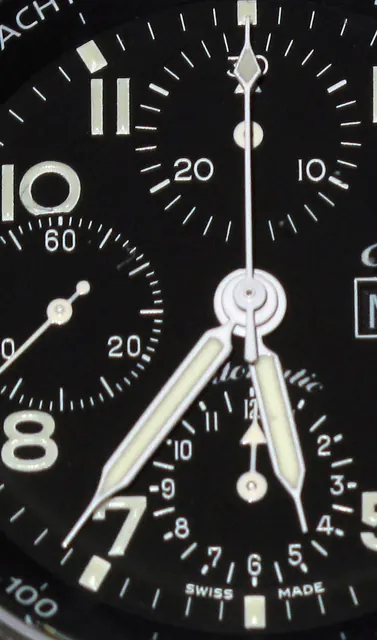
Its dial layout became the template for the three-register chronograph: running small seconds at 9 o'clock, a 30-minute counter at 3 and a 12-hour counter at 6, with chronograph seconds on the centre arbor. The balance beats at a leisurely 18,000 vibrations per hour.
The 72 was almost identical to the two-register Valjoux 23; the extra 12-hour train made it slightly thicker, at about 6.95 mm.
History
The 72 developed Valjoux's two-register chronograph calibres — the 14-ligne 22 of 1914 and the 13-ligne 23 — by adding a 12-hour counter at 6 o'clock, giving the classic three-register layout. It was made from 1938 until 1974, the year Valjoux's cam-switched automatic 7750 appeared. Brands bought it unfinished and adjusted, decorated and sometimes modified it themselves; Rolex's version was known as the 72B or Valjoux 722.
Watches fitted with it
- Rolex Cosmograph Daytona, early references 6239, 6240 and 6241 (as the 72B/722)
- Heuer Carrera and Camaro, e.g. Camaro ref. 7220
- LeCoultre, Universal Genève and Gallet three-register chronographs
The numbers explained
- 18,000 vibrations per hour means the balance makes 5 beats (ticks) every second — 2.5 complete back-and-forth oscillations, or 2.5 Hz.
- A sweeping seconds hand therefore advances in 5 small steps per second.
- That is 432,000 beats a day. A watch that gains one second a day is out by about 1 part in 86,400 — roughly 11.6 parts per million.
- Faster balances resist knocks and changes of position better but wear their pivots and need fresh oil sooner.
Convert beat rates and daily error with the Atlas tools · See a balance and escapement in the lab
How to recognise it
- Three sub-dials — small seconds at 9, 30 minutes at 3, 12 hours at 6 — and two pushers on the right of the case.
- On the back, an exposed column wheel and chronograph levers over a hand-wound movement with no rotor.
- Valjoux markings and the calibre number on the plates, unless the watch brand has re-signed or refinished the movement (Rolex movements read 72B or 722).
For collectors
Because the same calibre sits in watches worth a few thousand and a few million, the case, dial and their originality decide the value. Ask for a photograph of the movement: check that the chronograph starts, stops and resets crisply, that the counters jump cleanly at each minute and hour, and that the movement number and finish match what the brand used at the time.
Versions and derivatives
| Calibre | Difference |
|---|---|
| Valjoux 23 | The two-register predecessor (30-minute counter only); otherwise almost identical. |
| Rolex 72B / Valjoux 722 | Version made to Rolex's specification for the early Cosmograph Daytona and other Rolex chronographs. |
Compared with related calibres
| Calibre | Type | Frequency | Jewels | Power reserve | Diameter | Production |
|---|---|---|---|---|---|---|
| Valjoux 72 | Hand-wound chronograph | 18,000 vph (2.5 Hz) | 17 | c. 48 h | 29.5 mm (13 lignes) | 1938–1974 (some sources date its introduction to 1946) |
| Valjoux 7750 | Automatic chronograph | 28,800 vph (4 Hz) | 25 | c. 42–48 h | 30 mm (13¼ lignes) | 1974–present |
| Omega calibre 321 | Manual chronograph | 18,000 vph (2.5 Hz) | 17 | c. 44 h | 27 mm (12 lignes) | 1946–1968; re-introduced 2019 |
| Lemania 5100 | Automatic chronograph | 28,800 vph (4 Hz) | 17 | c. 45–48 h | 31 mm (13¾ lignes) | 1974–2002 (a 1998 Chronos article gives 1978 as the start) |
Mechanisms in this calibre
Related calibres
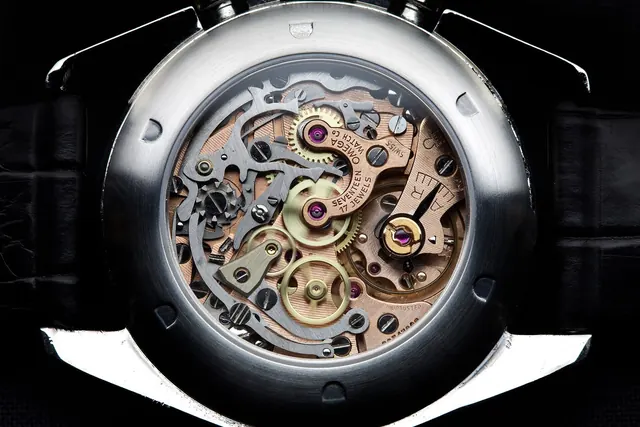
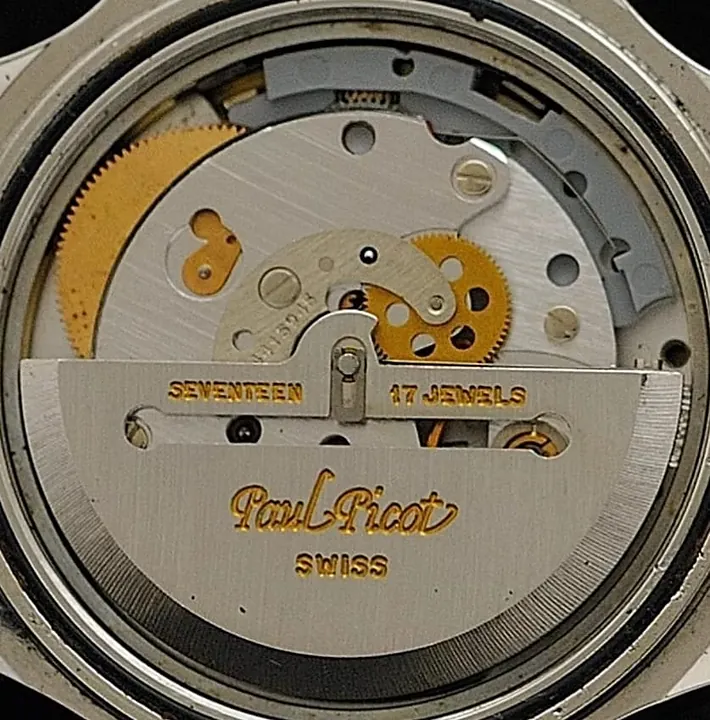
Related records in the catalogue
Records whose titles name this calibre or a model family that used it. Earlier or later examples of a model may contain a different calibre, so check each record's description for the movement actually fitted.
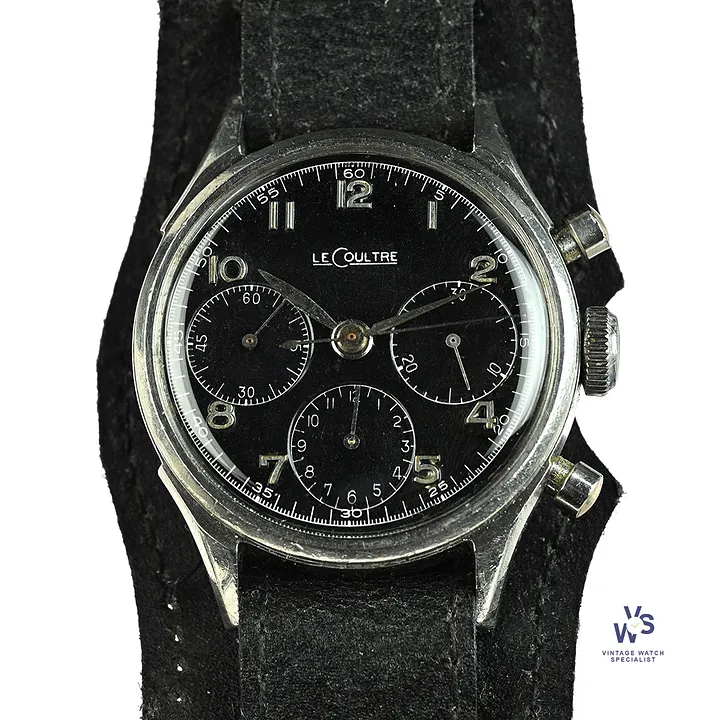
Wristwatches · c. 1940s
LeCoultre Three Register Chronograph, Valjoux 72, Black Gloss Dial, circa 1940s
Vintage Watch Specialist (dealer), United Kingdom
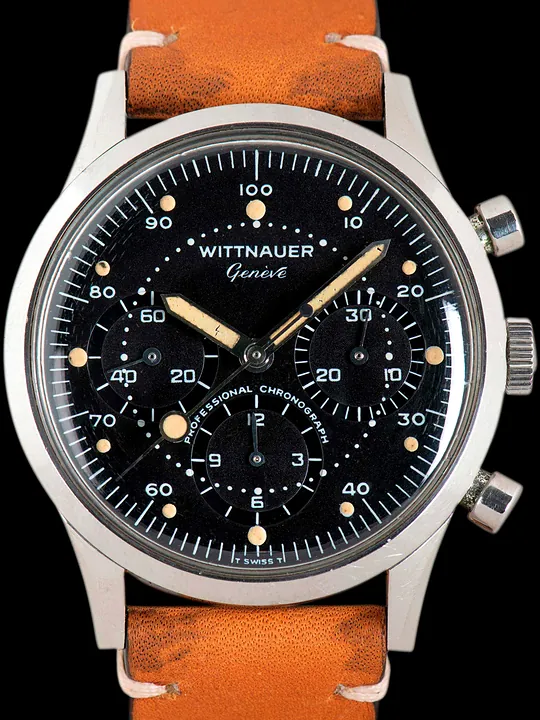
Wristwatches · 1960s
Wittnauer Professional Chronograph (Ref. 242T) "Valjoux 72", 1960s
Craft & Tailored (dealer), Los Angeles
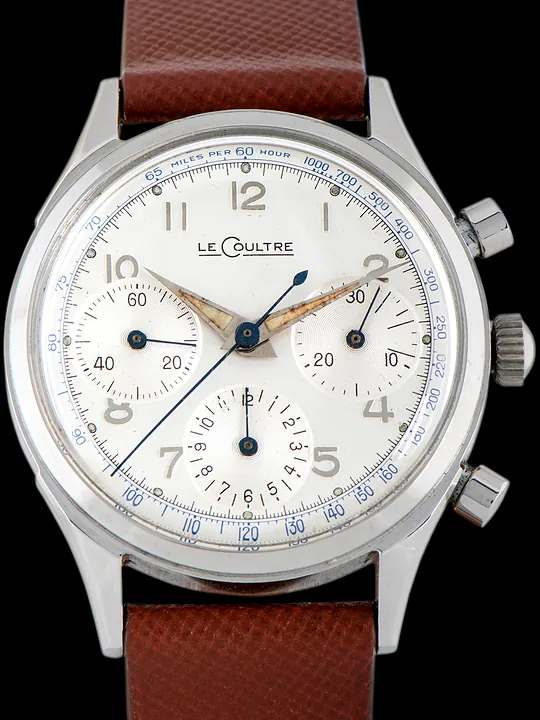
Wristwatches · 1960s
LeCoultre Chronograph (Ref. E335) ‘Valjoux 72’, 1960s
Craft & Tailored (dealer), Los Angeles
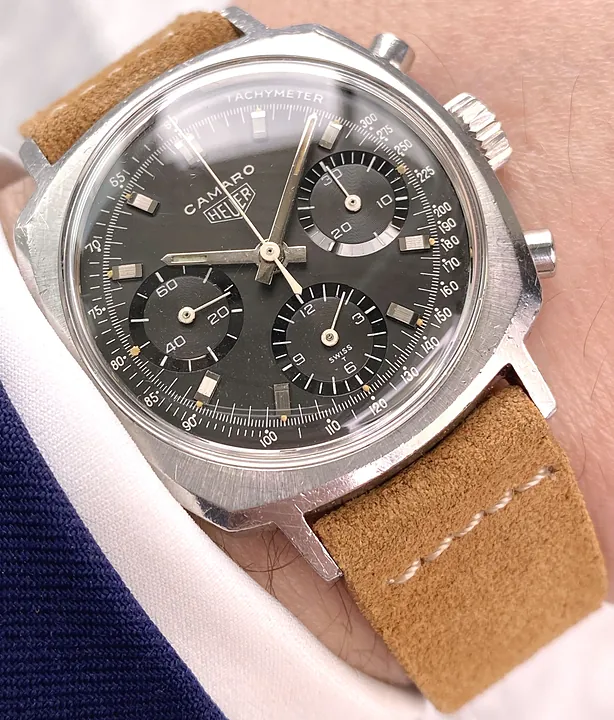
Wristwatches · 1960
Heuer Camaro Handwinding Chronograph Black Dial Valjoux 72, ref. 7220, 1960
Vintage Portfolio (dealer), Vienna
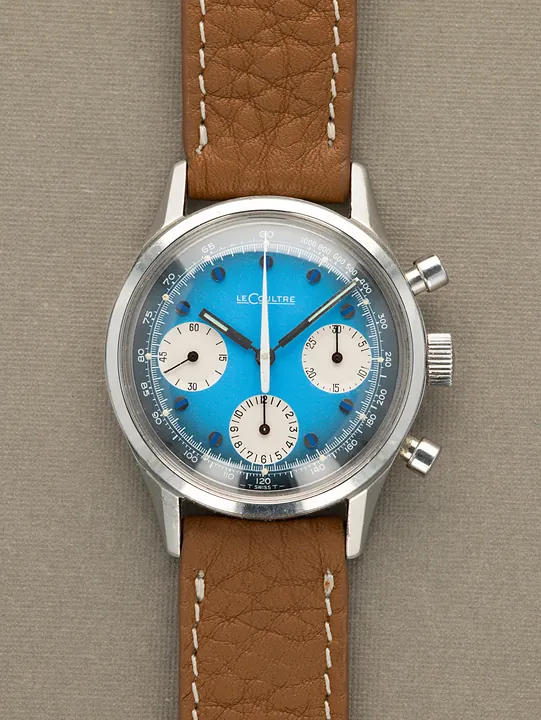
Wristwatches · c. late 1960s
Jaeger-LeCoultre Chronograph ref. E-2644, Blue 'Gradient' Dial Valjoux 72
Oliver & Clarke (dealer), United Kingdom
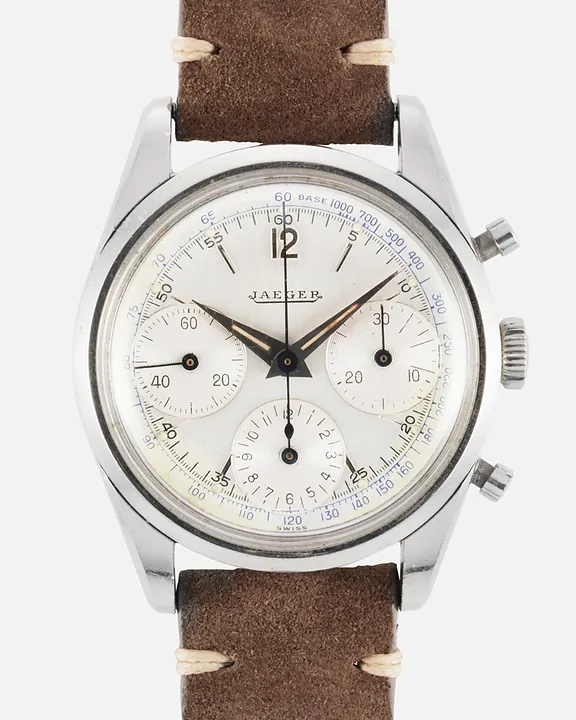
Wristwatches · 1960s
Jaeger Valjoux 72 Chronograph, 1960s
S.Song Watches (dealer), Seattle
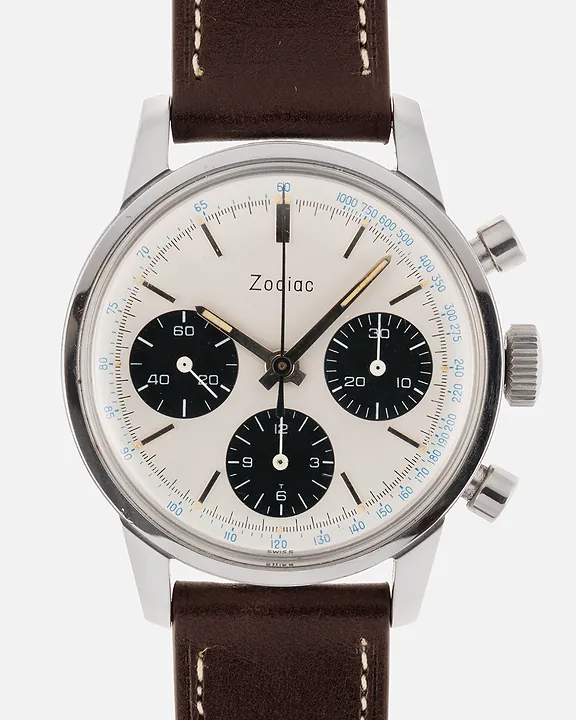
Wristwatches · 1960s
Zodiac Panda Chronograph Valjoux 72, 1960s
S.Song Watches (dealer), Seattle
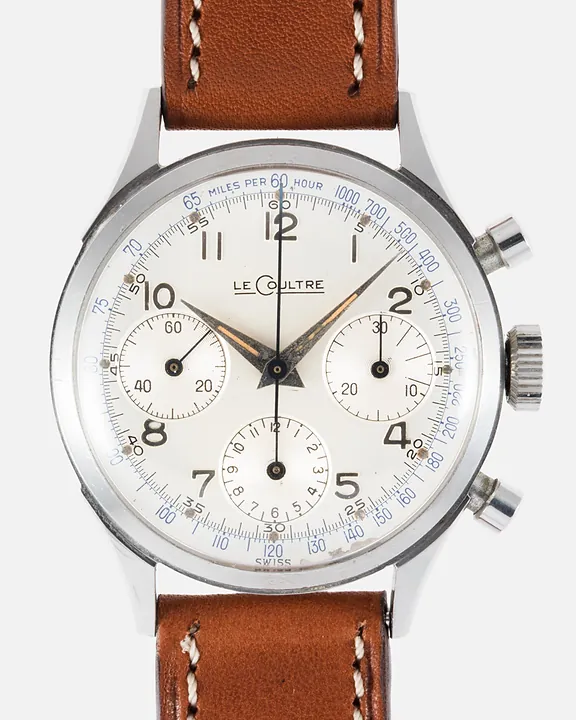
Wristwatches · 1960s
LeCoultre Valjoux 72 E.335, 1960s
S.Song Watches (dealer), Seattle