
Watchmaking Industry · Historical feature
Rolex: A History in Objects, from a London Trading House to the Submariner and the Daytona
How a firm founded in London in 1905 to import Swiss movements became the most recognised name in watches — told through more than thirty Rolex watches in the British Museum, the Science Museum, the German Clock Museum and auction and dealer records, from a 1916 silver wristwatch to the Oyster, the Perpetual rotor, the Datejust and the professional watches of the 1950s and 1960s.
Atlas Editorial · · 17 min read
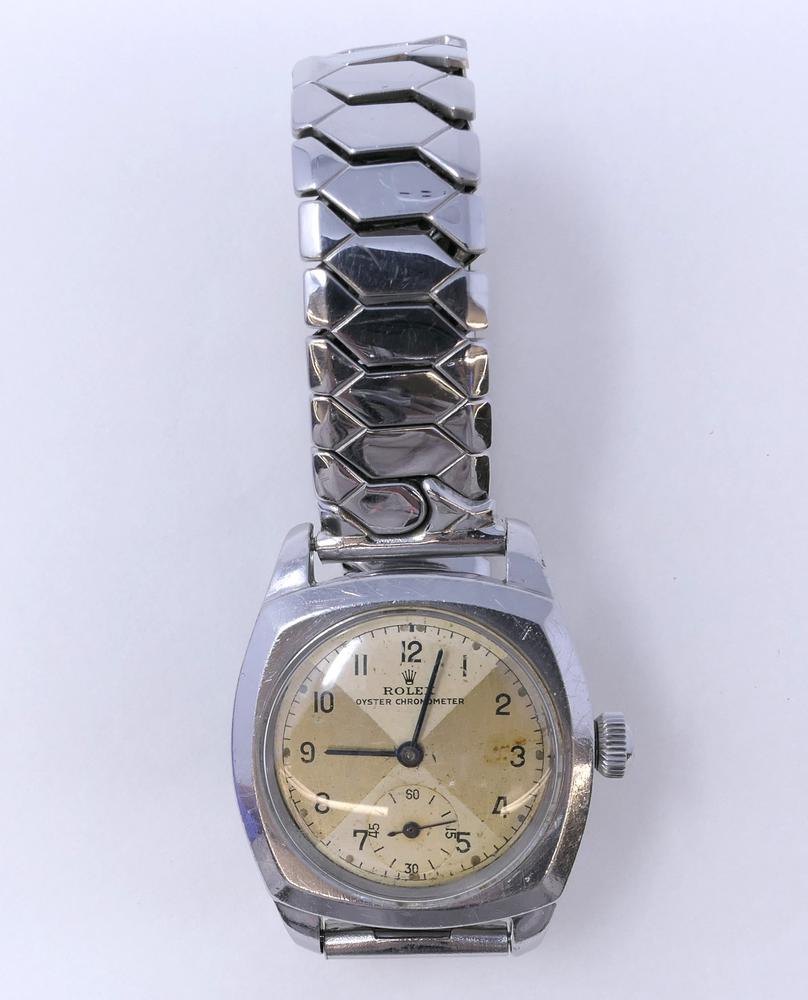
British Museum · CC BY-NC-SA 4.0 (© The Trustees of the British Museum) — permission review · source (opens another website in a new tab)
No watch brand is searched for, talked about or copied as much as Rolex. Its crown logo is recognised by people who have never owned a mechanical watch, and its sports models of the 1950s and 1960s have become the most closely studied wristwatches ever made, down to the printing on their dials. That fame can make the company's history hard to see clearly. Much of what is written about Rolex comes from the company itself or from dealers selling its watches, and the two have every reason to tell the story as a series of triumphs.
This feature takes a different route. It follows Rolex through objects whose details have been recorded by someone other than the company: watches in the British Museum, the Science Museum in London, the German Clock Museum in Furtwangen and Museums Victoria in Melbourne, and lots and stock described by auction houses and dealers, whose catalogue entries give reference numbers, calibres and case marks. Where a date or a claim to be first rests only on Rolex's own account, the text says so.
London, 1905: a trading house, not a factory
Hans Wilsdorf was born in 1881 in Kulmbach, in Bavaria. Orphaned young, he trained in commerce and worked for a watch exporter in La Chaux-de-Fonds, in the Swiss Jura, before moving to London in the early 1900s. In 1905 he and Alfred Davis set up Wilsdorf & Davis. The firm made no movements of its own. It bought them from Swiss specialists — above all from the Aegler factory in Bienne (Biel), which would supply Rolex for decades and was eventually absorbed into the company — and had them cased, often in England, for sale to jewellers, who usually put their own names on the dials.
The name Rolex was registered in 1908. Wilsdorf wanted a word that was short, easy to say in any language and fitted neatly on a dial; his own accounts of how he hit on it vary, and the many explanations offered since — that it echoes 'horlogerie exquise', for instance — are later inventions with no documentary support. For some years Rolex appeared on movements and cases more often than on dials, because retailers preferred to sell under their own names.
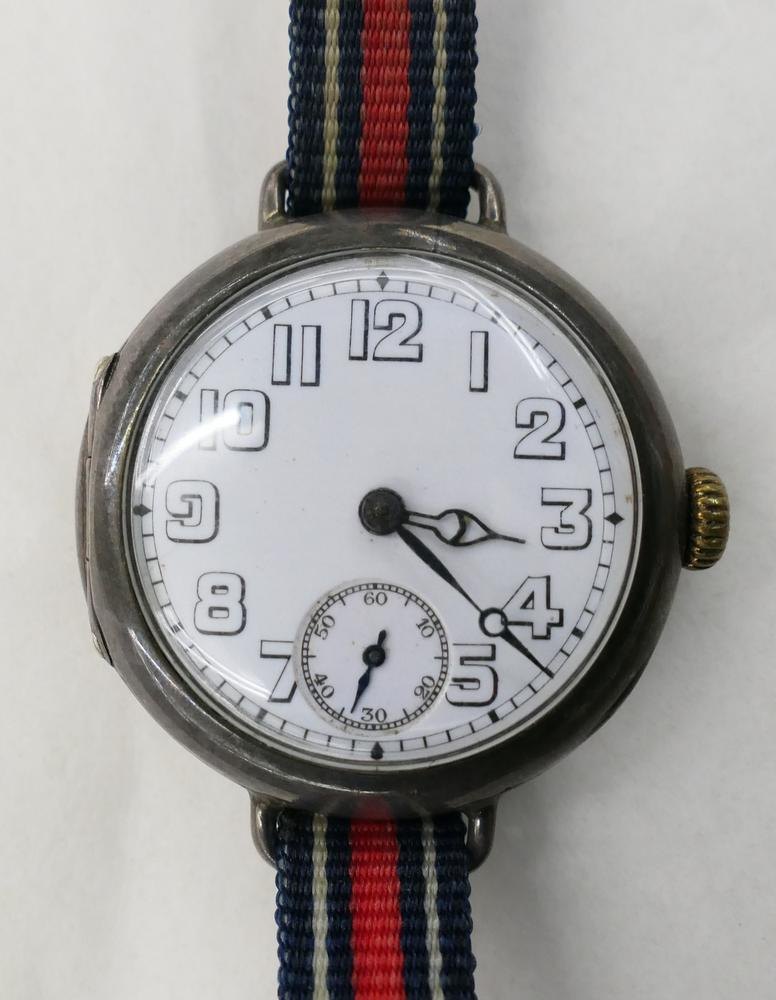
Wilsdorf's great bet was the wristwatch. In the 1900s it was still widely regarded as a woman's ornament or a novelty, too small to keep good time. Rolex set out to prove otherwise, and its histories report that in 1910 a Rolex wristwatch received a chronometer rating certificate from the official testing bureau in Bienne, and that in 1914 another obtained a class A certificate from the Kew Observatory in England, a test previously associated with marine chronometers and pocket watches. Both claims come from the company's own account; the certificates are rarely reproduced in independent sources. They are best read as what they certainly were — the start of a marketing strategy built on precision.
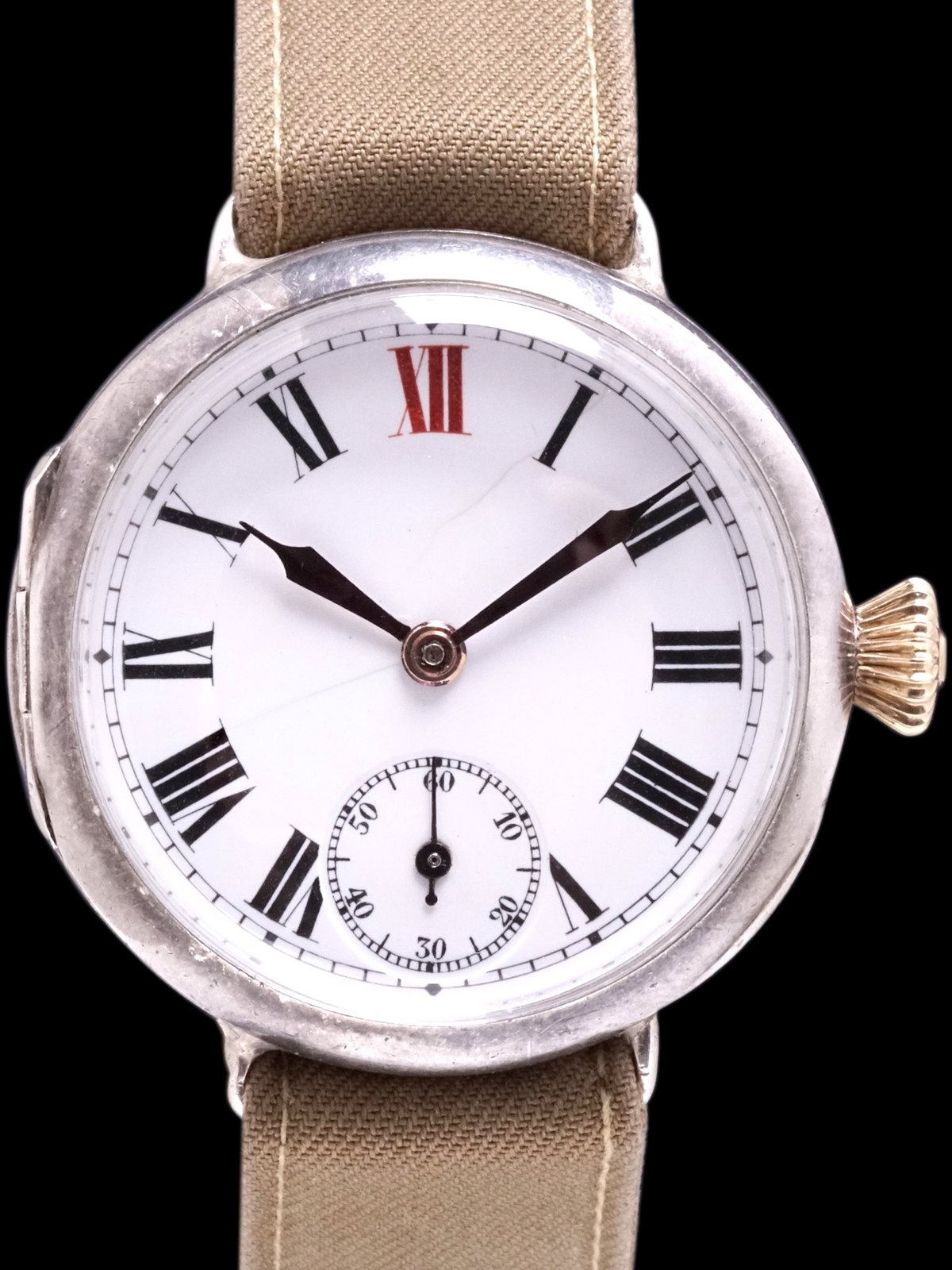
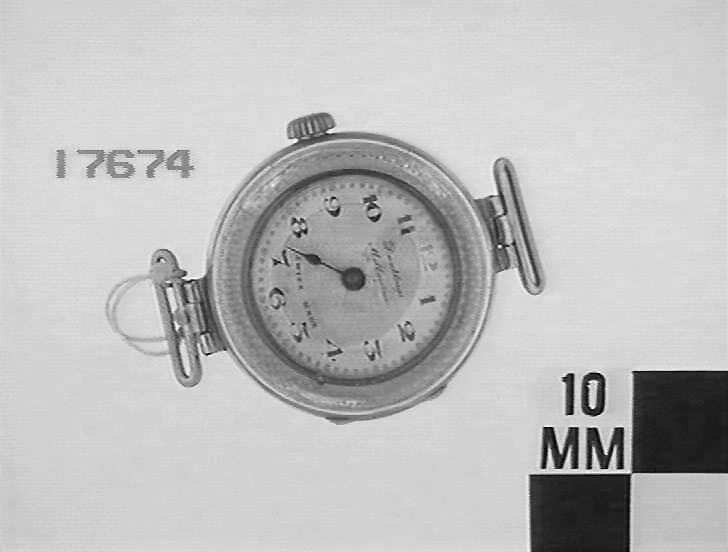
From London to Geneva
The firm became the Rolex Watch Company Ltd in 1915. During the war Britain introduced the McKenna duties of 1915, a tax of one third on imported luxury goods including watches, and the export of gold and silver was restricted. For a business that imported Swiss movements and cased them, the arithmetic changed. Rolex moved its headquarters to Geneva in 1919, and Montres Rolex SA was registered there in 1920. A London office remained, and British import hallmarks on Rolex cases — Glasgow and London marks are both common — continued for decades, because many watches were still cased or sold in Britain.
1926: the Oyster
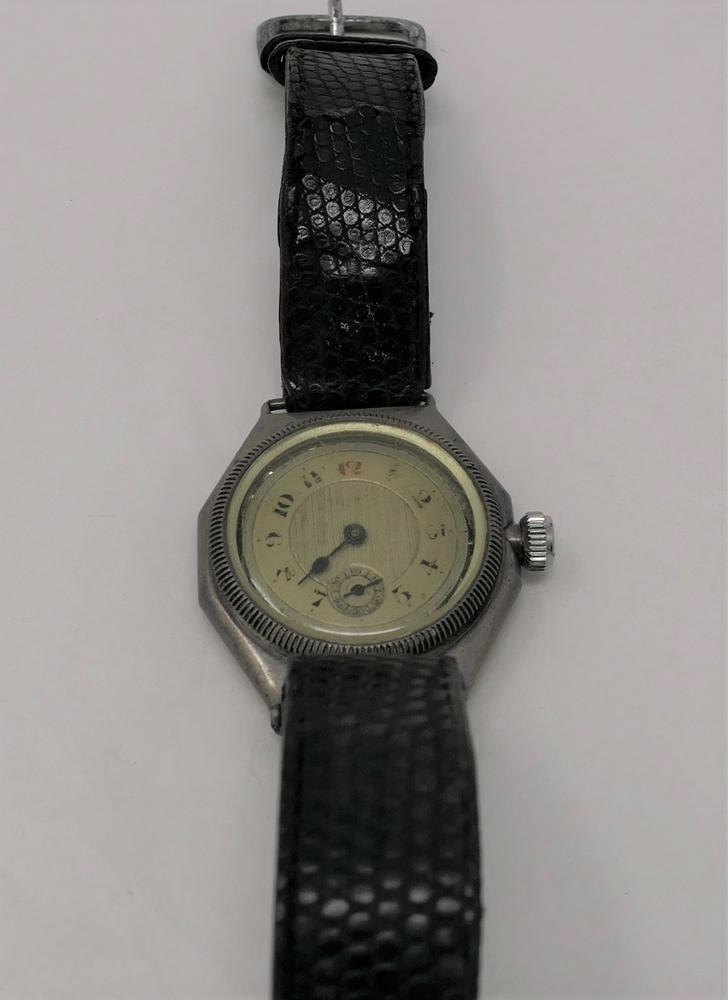
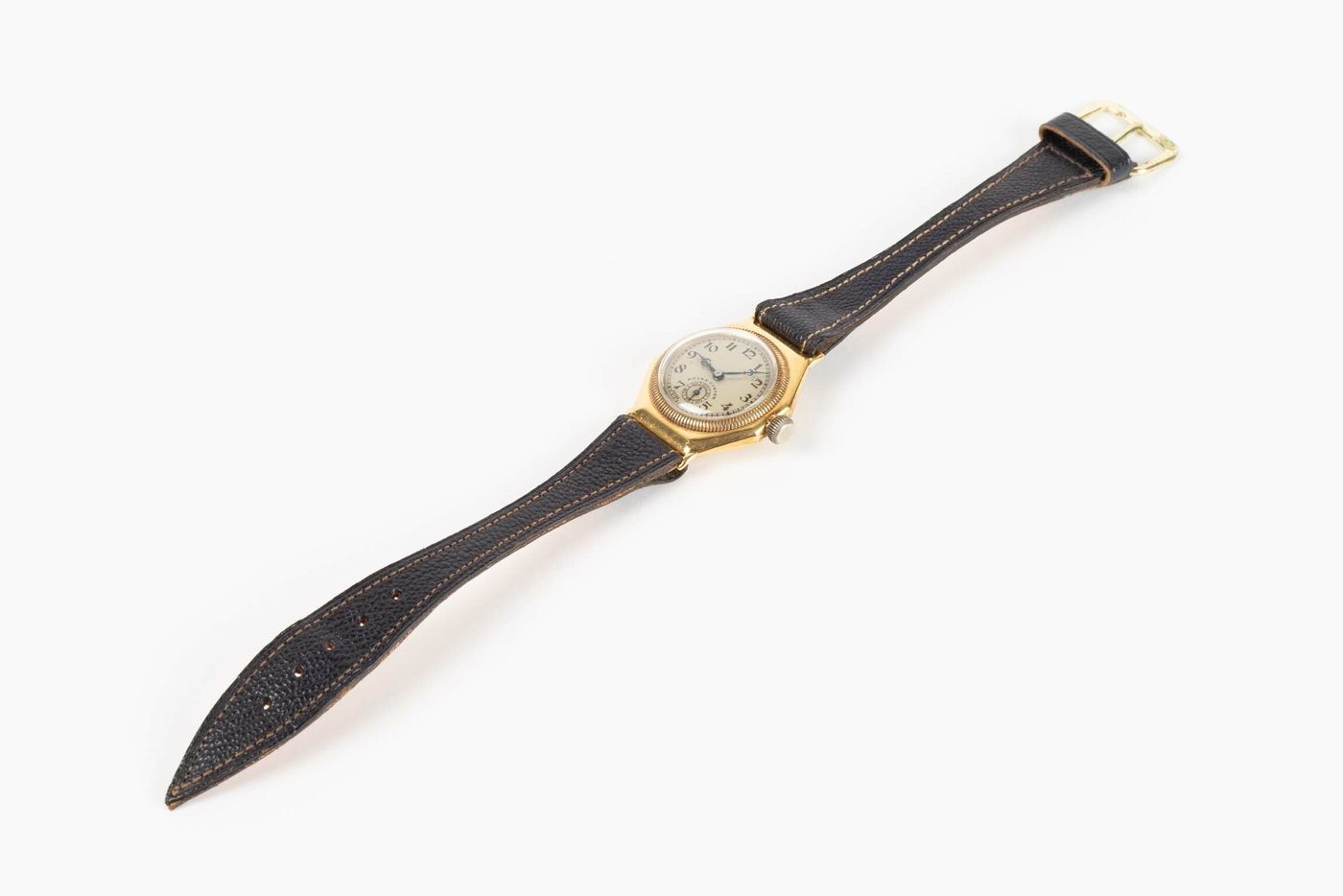
Early wristwatches were not sealed. Dust and moisture entered through the crown and the joints of the case, and a watch worn on the wrist met far more of both than a watch in a waistcoat pocket. Several makers experimented with protective outer cases or screwed backs. Rolex's solution, the Oyster of 1926, screwed down the bezel and the case back and — the crucial point — the winding crown, which is the hardest opening to seal because it must be pulled out to set the hands. The screw-down crown was patented in Britain by two Swiss inventors, Paul Perregaux and Georges Perret, in a patent that also names Wilsdorf, who acquired the rights.
The Oyster's fame owes as much to publicity as to engineering. In October 1927 the swimmer Mercedes Gleitze wore an Oyster during a widely reported attempt on the English Channel, and Rolex celebrated the watch's survival with a full-page advertisement on the front of the Daily Mail. Jewellers were given aquariums in which an Oyster could be displayed working under water. The pattern — a real technical improvement, demonstrated through a famous event and advertised relentlessly — would recur throughout the company's history.
1931: the Perpetual rotor
A sealed case was only as good as its crown, and every time an owner unscrewed the crown to wind the watch the seal was disturbed. A self-winding movement would remove the need. The idea was old — eighteenth-century makers had built self-winding pocket watches — and in the 1920s the English watchmaker John Harwood had produced a self-winding wristwatch in which a weight swung through a limited arc between buffers. Rolex's version, developed in the Aegler factory and launched in 1931, used a semicircular weight that could turn through a full circle, winding the mainspring smoothly as the wrist moved.
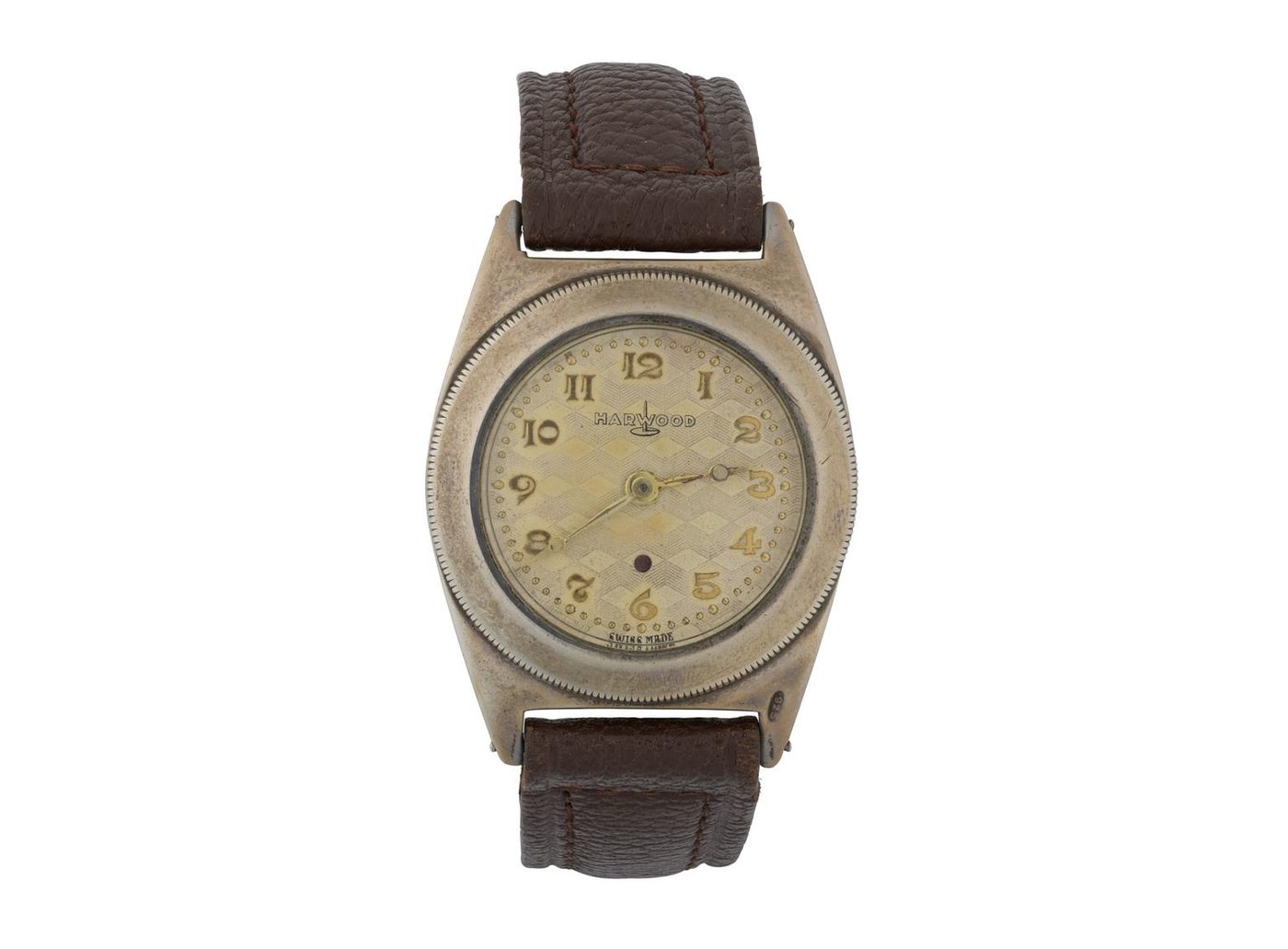
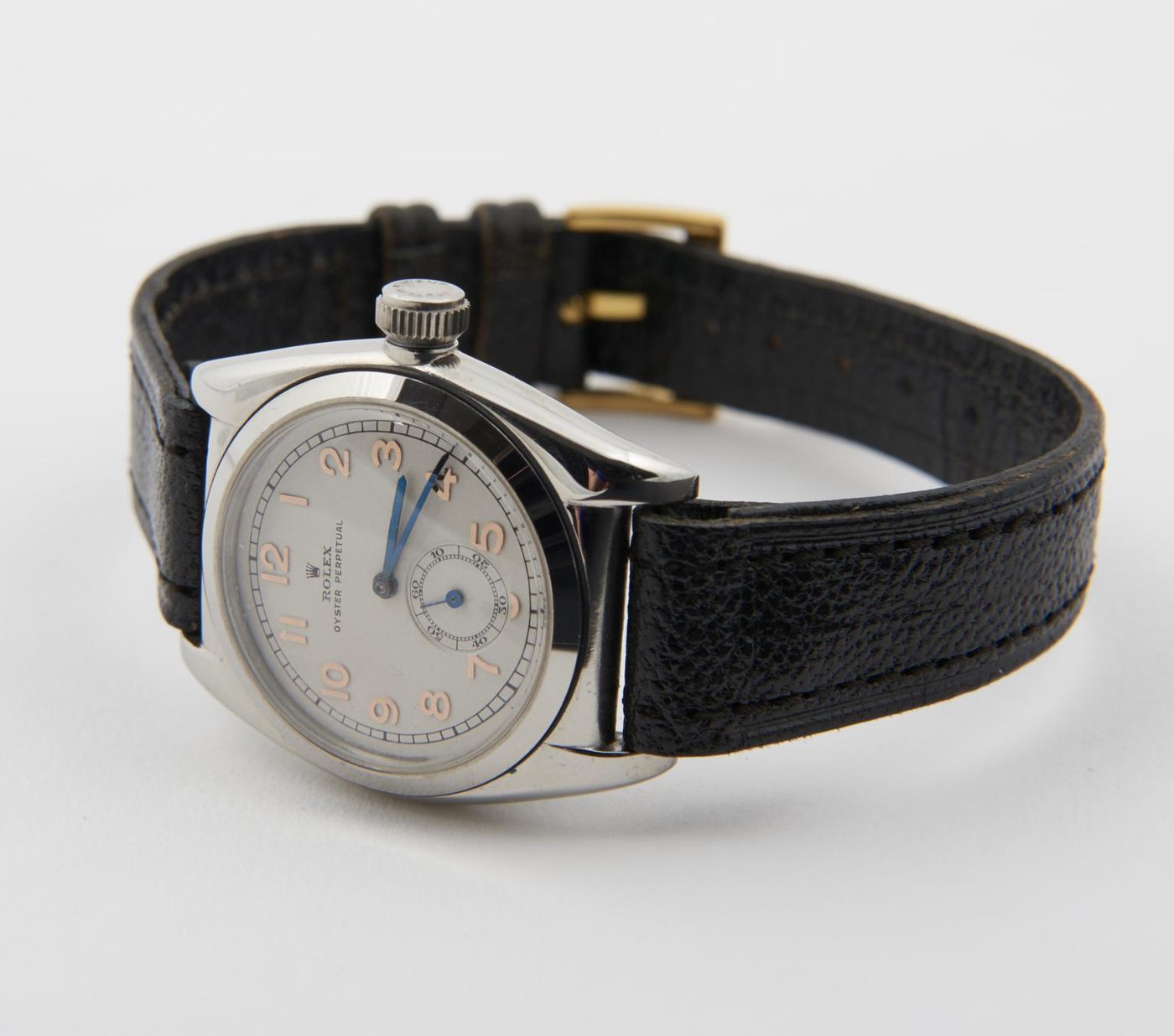
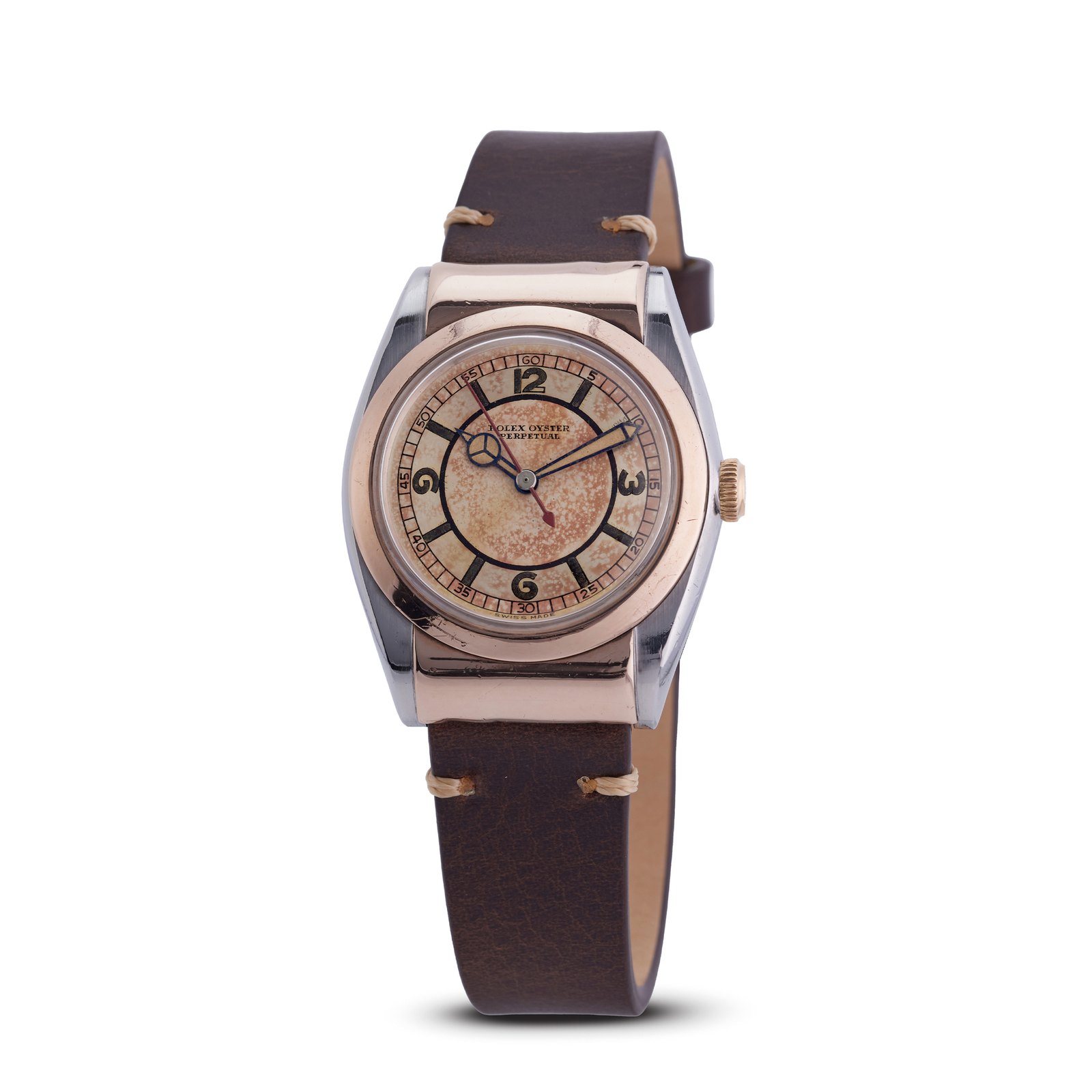
Fitting the rotor on top of the movement made the watch thicker, and the domed case back needed to clear it gave the early Perpetuals their collectors' nickname: the Bubbleback. Through the 1930s and 1940s Rolex produced Bubblebacks in steel, gold and combinations of the two, with a bewildering range of dials; the 'hooded' version, in which the lugs are covered by extensions of the case, is one of the most distinctive.
Prince and the dress watches of the 1930s
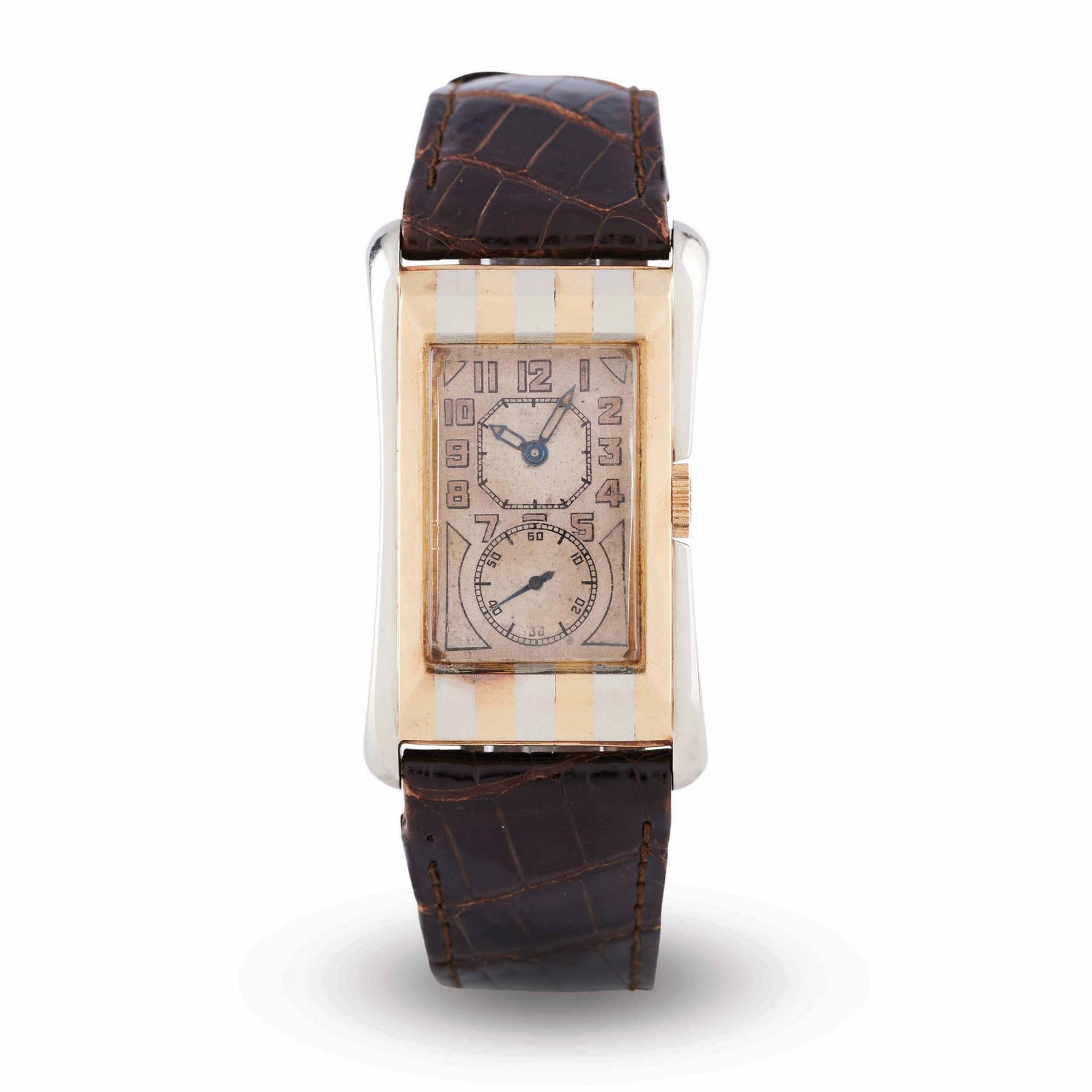
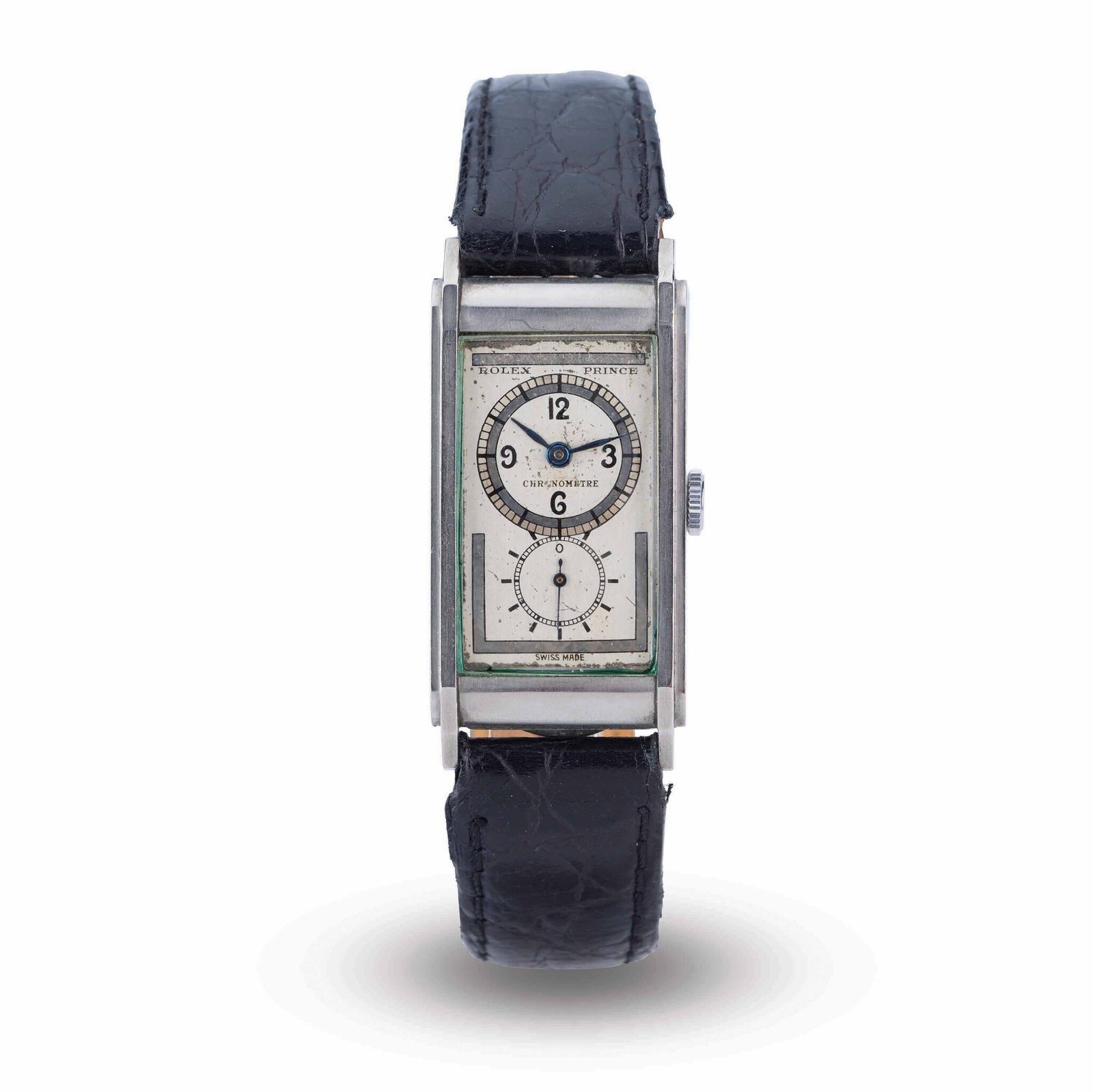
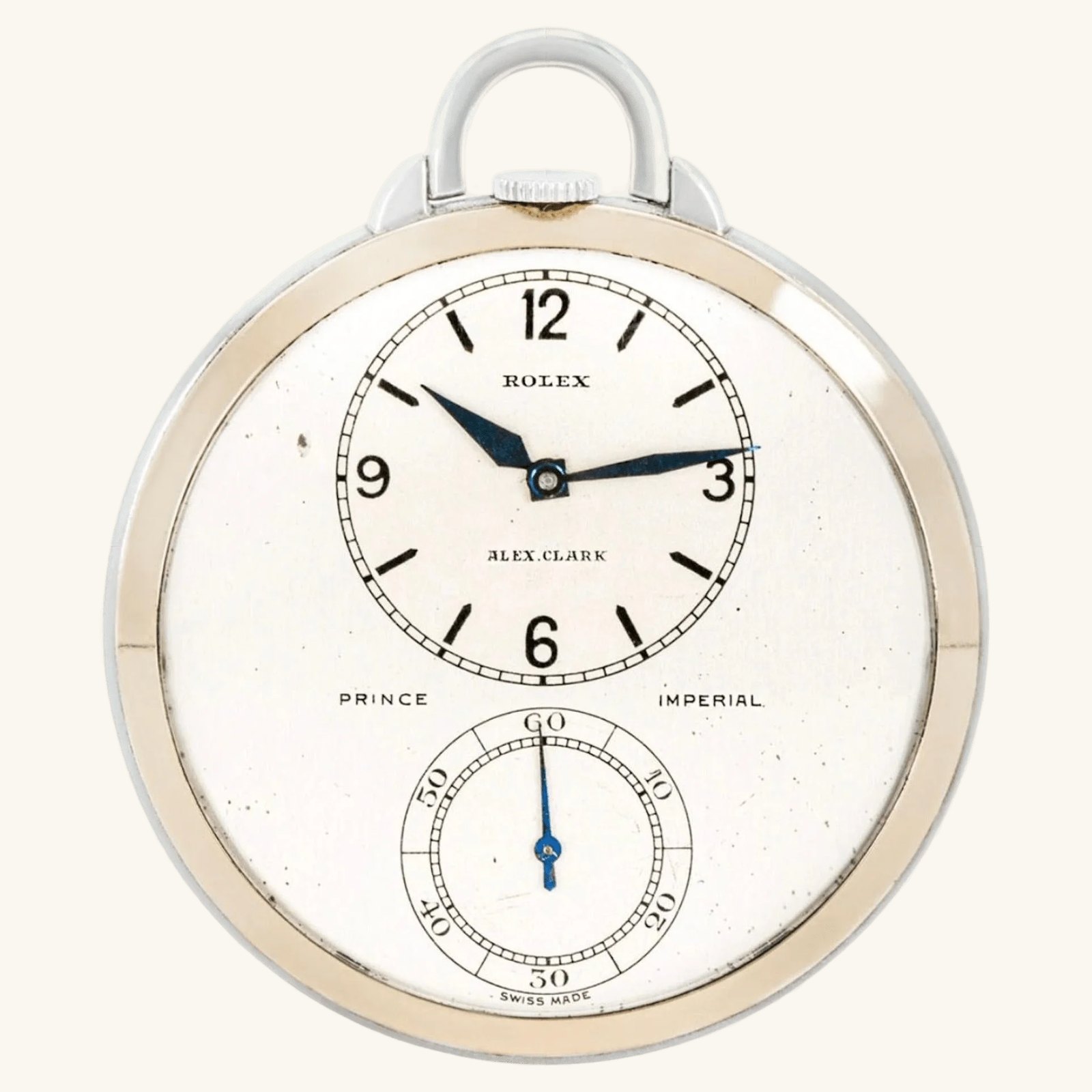
Alongside the Oyster, Rolex sold elegant rectangular watches that owed nothing to waterproofing. The Prince, introduced in 1928, had a long, curved case and a dial divided into hours and minutes above and a large separate seconds dial below, a layout that earned it the popular name 'doctor's watch', since the big seconds hand made it easy to take a pulse. Prince movements, finished to 'Extra Prima' or 'Observatory Quality' standards and timed in several positions, were among the best Rolex made. Cases took names from their shapes: the flared 'Brancard', the stepped 'Railway'.
Chronographs and the war years
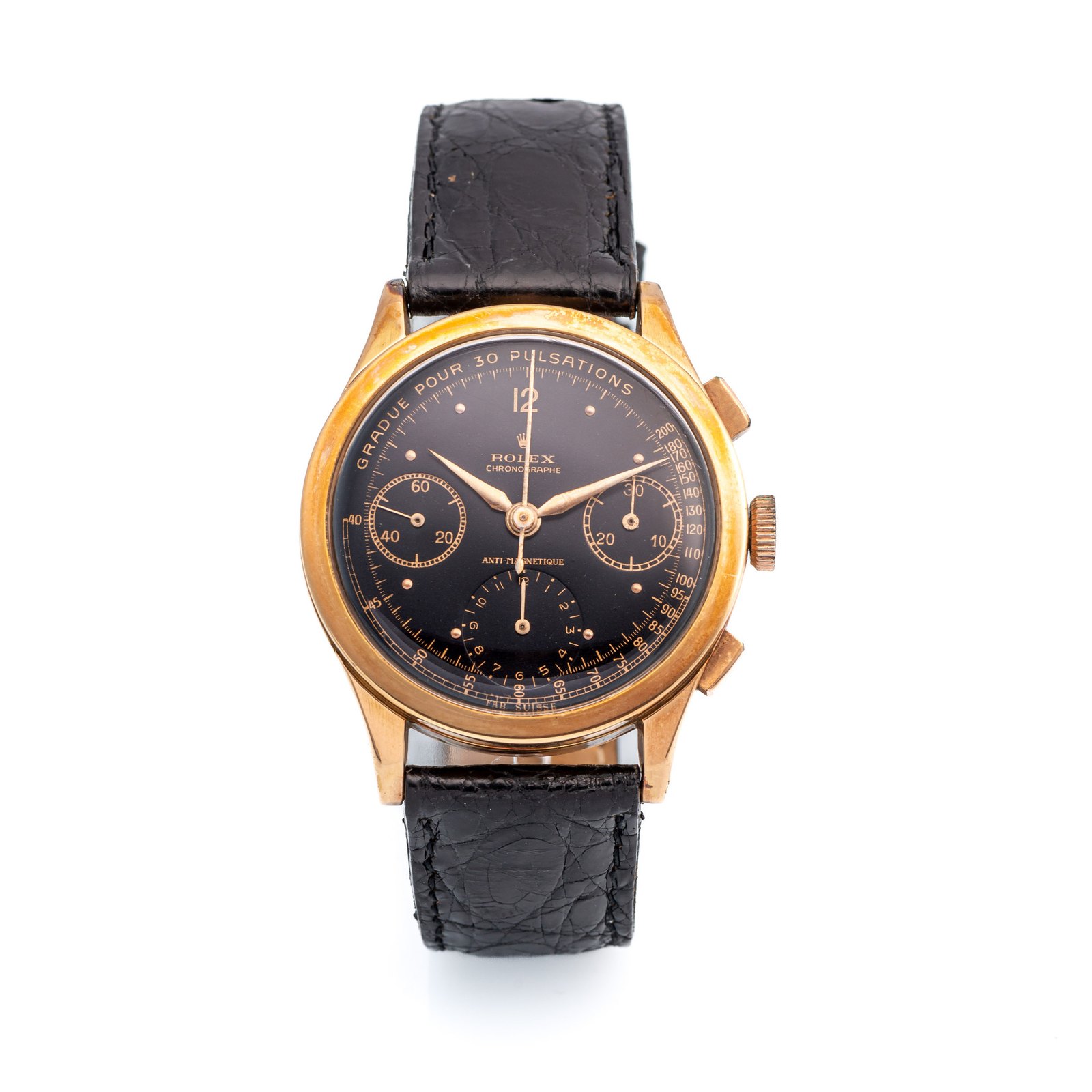
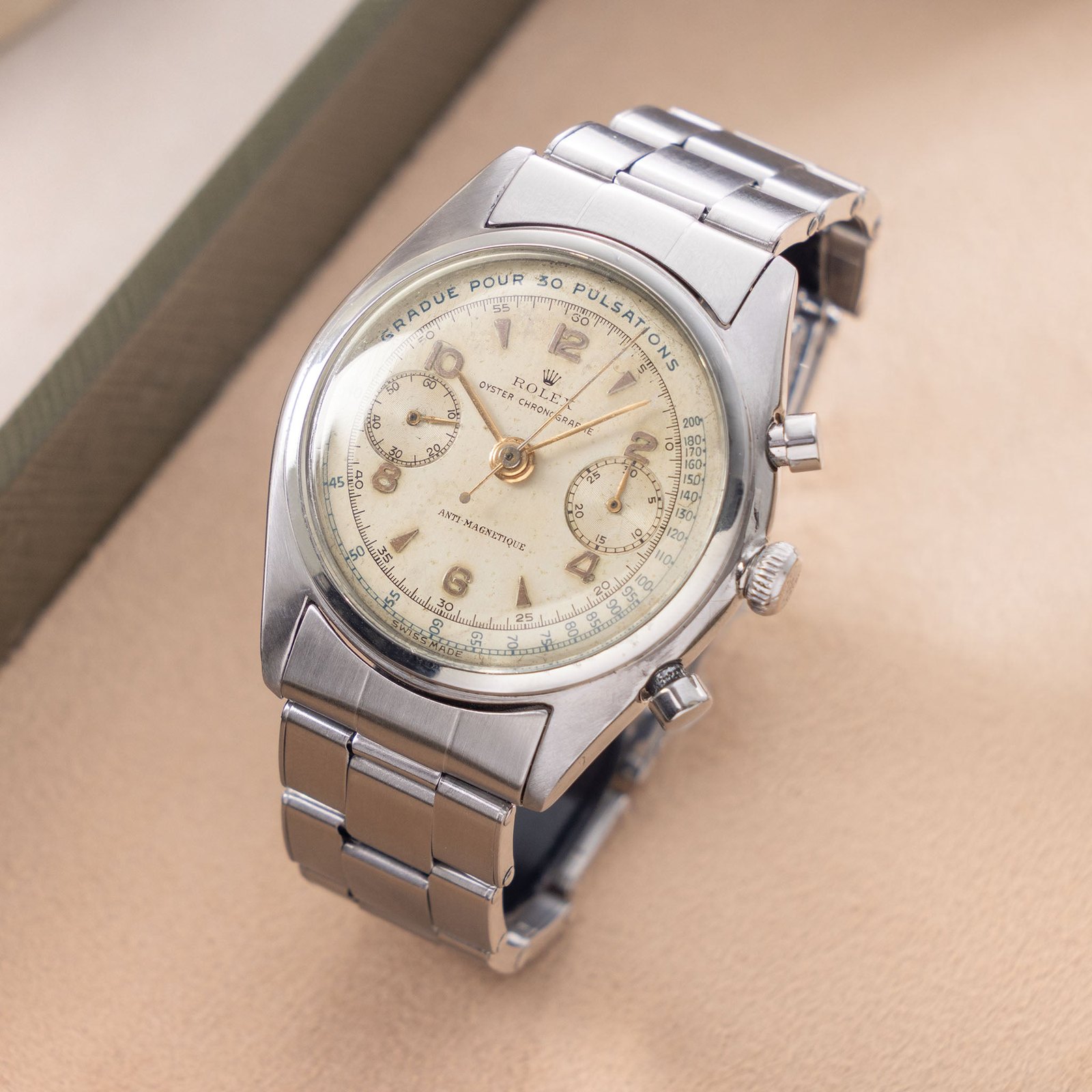
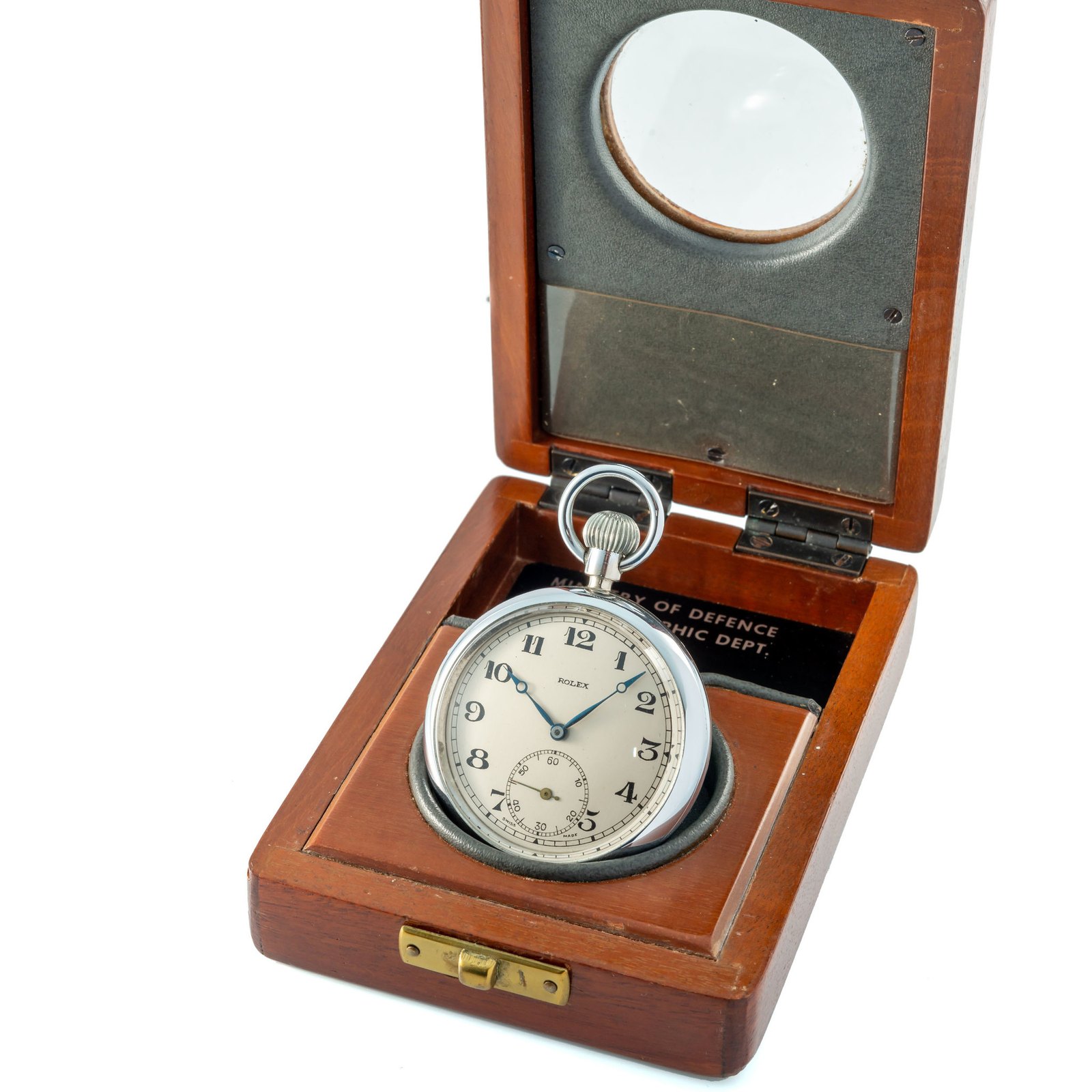
Rolex chronographs of the 1930s and 1940s used movements bought from specialists, chiefly Valjoux, and were made in small numbers. Their dials carried scales for professional use — tachymeters for speed, telemeters for distance and pulsometers for doctors. During the Second World War Switzerland was surrounded, and exports were difficult; Rolex's best-known wartime story is its offer to replace the watches of British officers held as prisoners of war, to be paid for after the war. The story is well attested, though the number of watches involved is uncertain.
1945: the Datejust
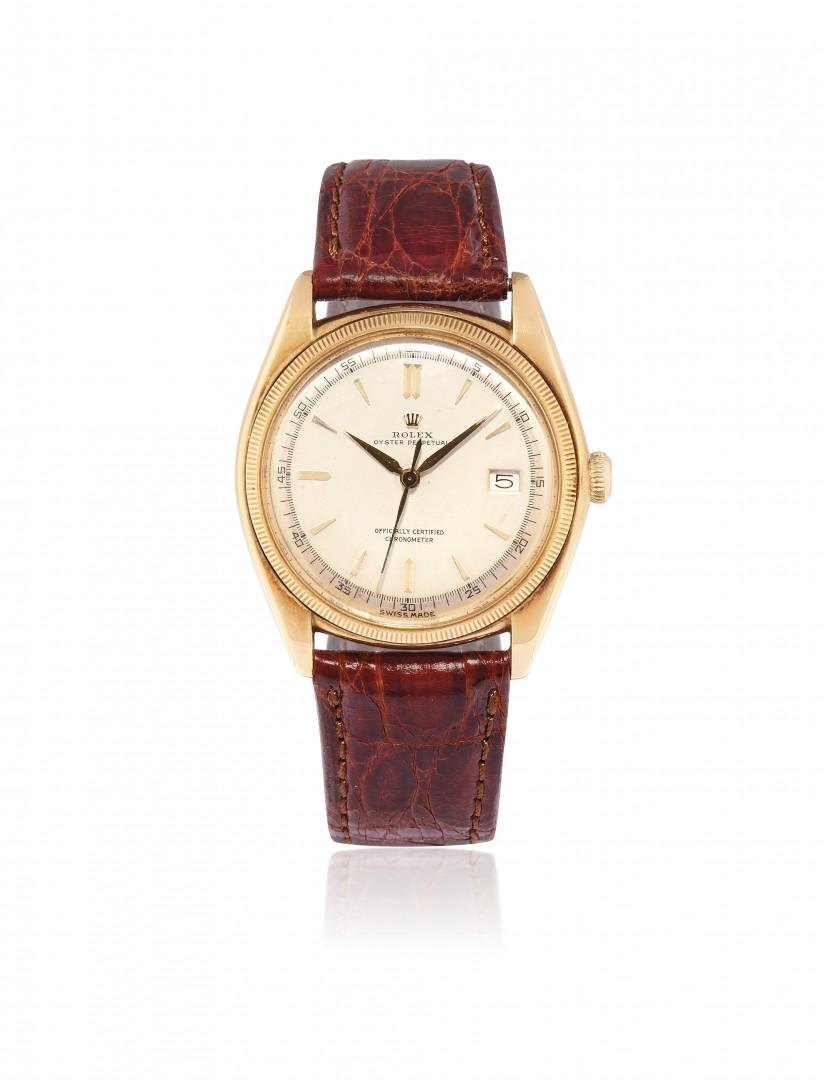
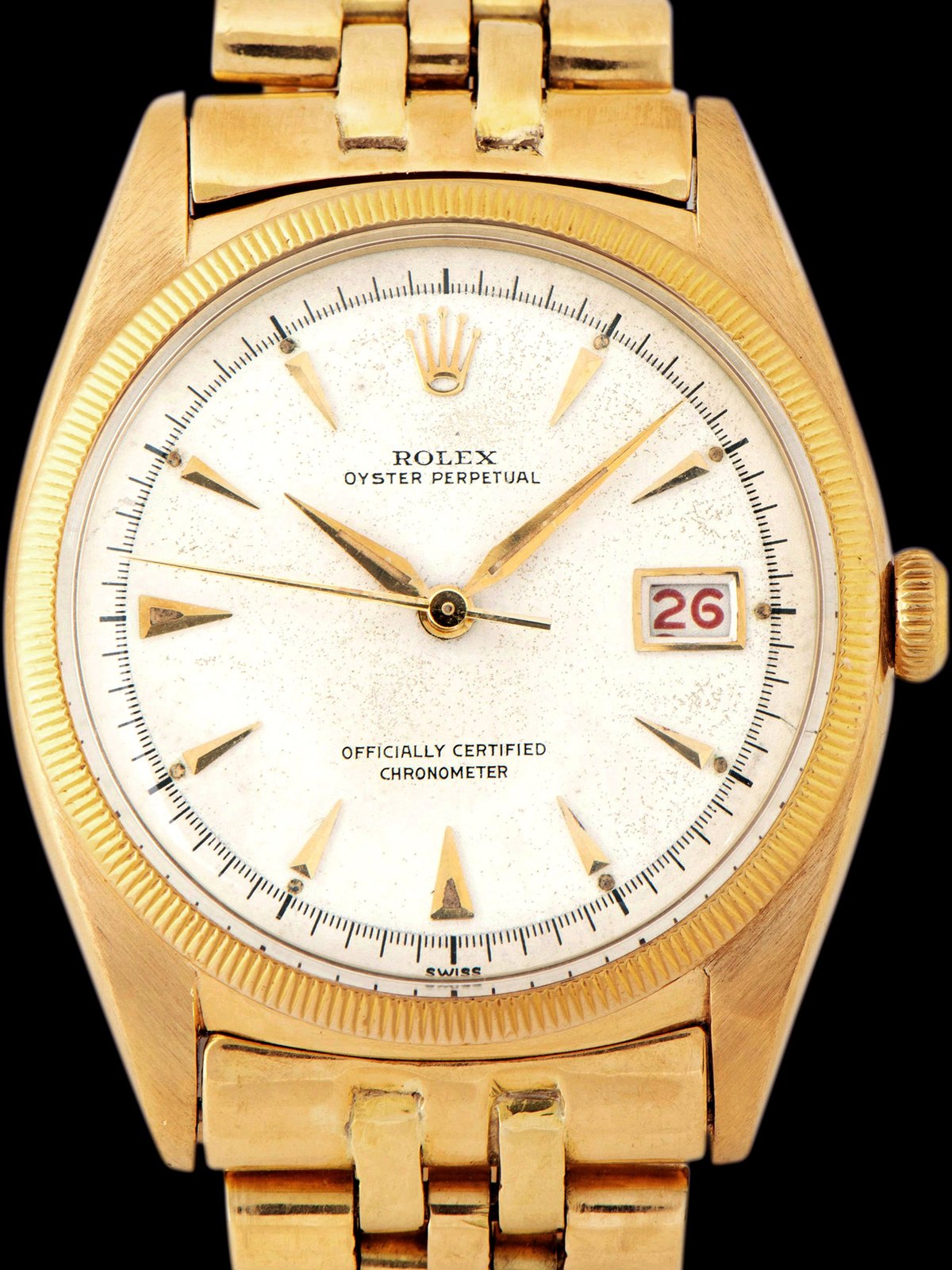
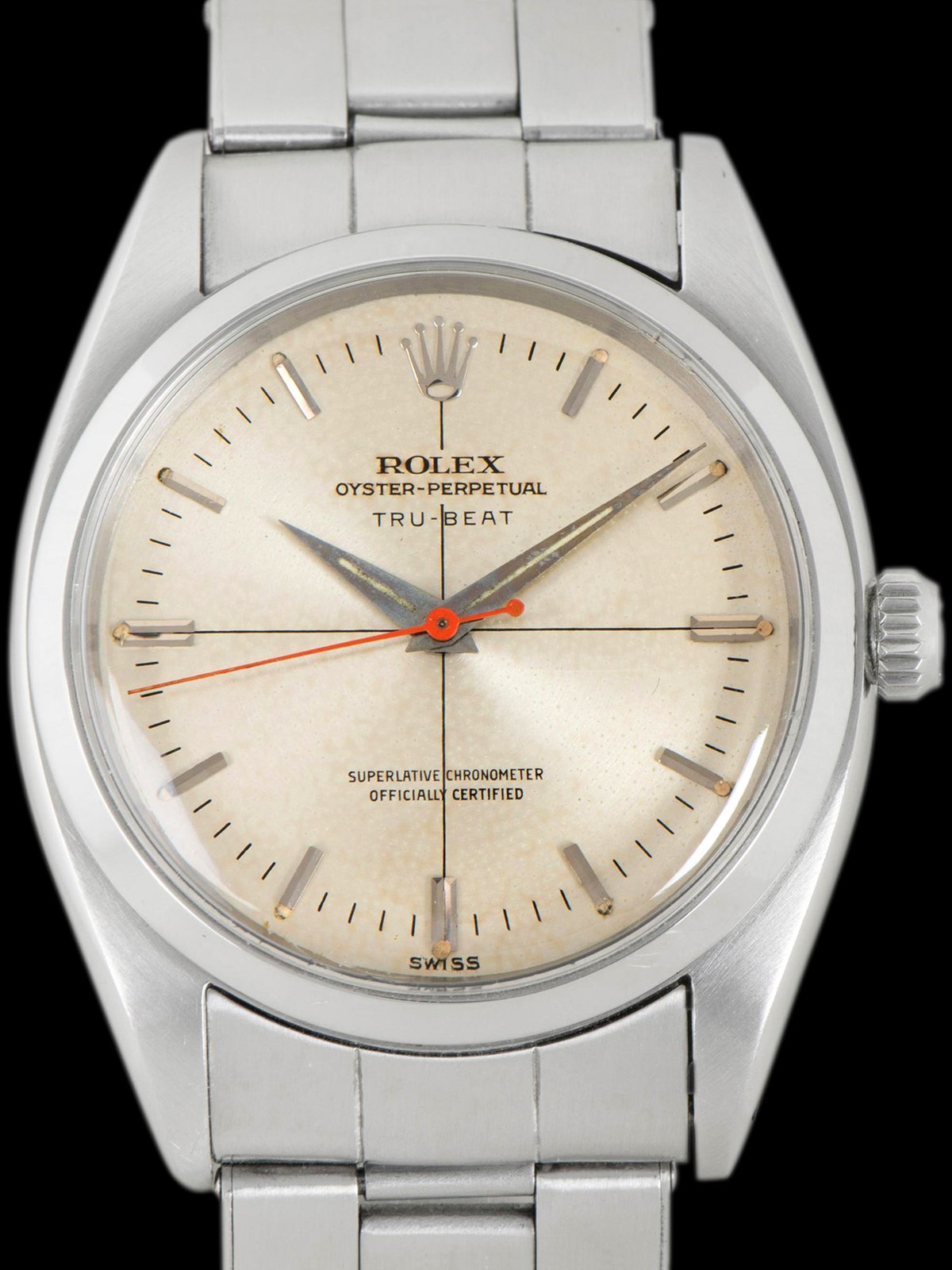
For its fortieth anniversary in 1945 Rolex introduced the Datejust, a self-winding chronometer in an Oyster case with the date shown in a window at 3 o'clock. The company describes it as the first self-winding chronometer wristwatch with a date in a window, a carefully worded claim. It came with a new five-piece-link bracelet, the Jubilee, and from the early 1950s with the 'Cyclops' magnifying lens over the date. With its fluted bezel, the Datejust became the model most people picture when they hear the word Rolex.
The 1950s: watches for professions
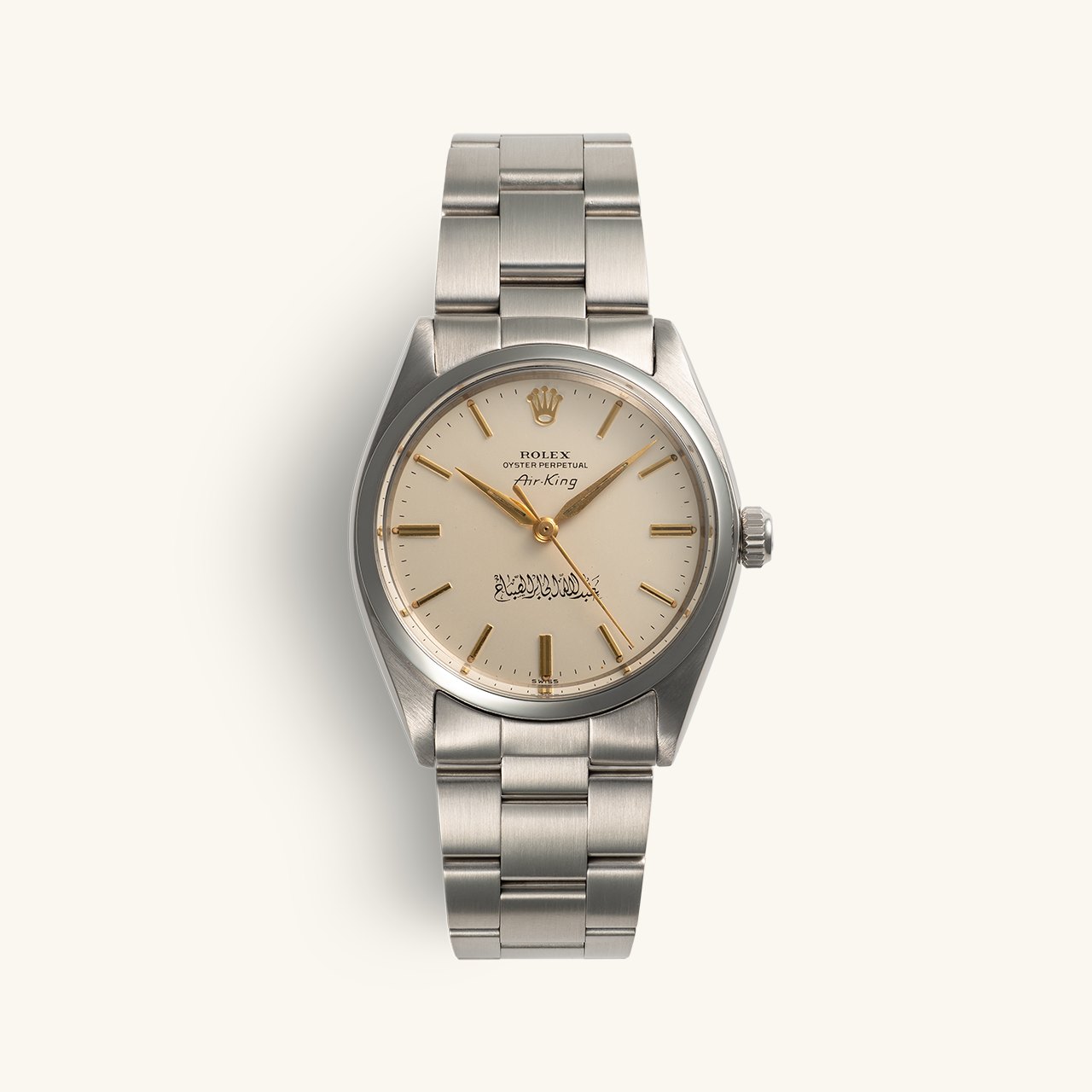
The decade after the war produced the models that still make up most of Rolex's catalogue. Each was presented as a tool for a profession — divers, mountaineers, pilots, scientists — and each was launched with an expedition, an airline or a record behind it. The table summarises them; dates are those generally given for introduction, and several models were shown in prototype form a year or so before they were sold.
| Model | Introduced | Intended for | What was new |
|---|---|---|---|
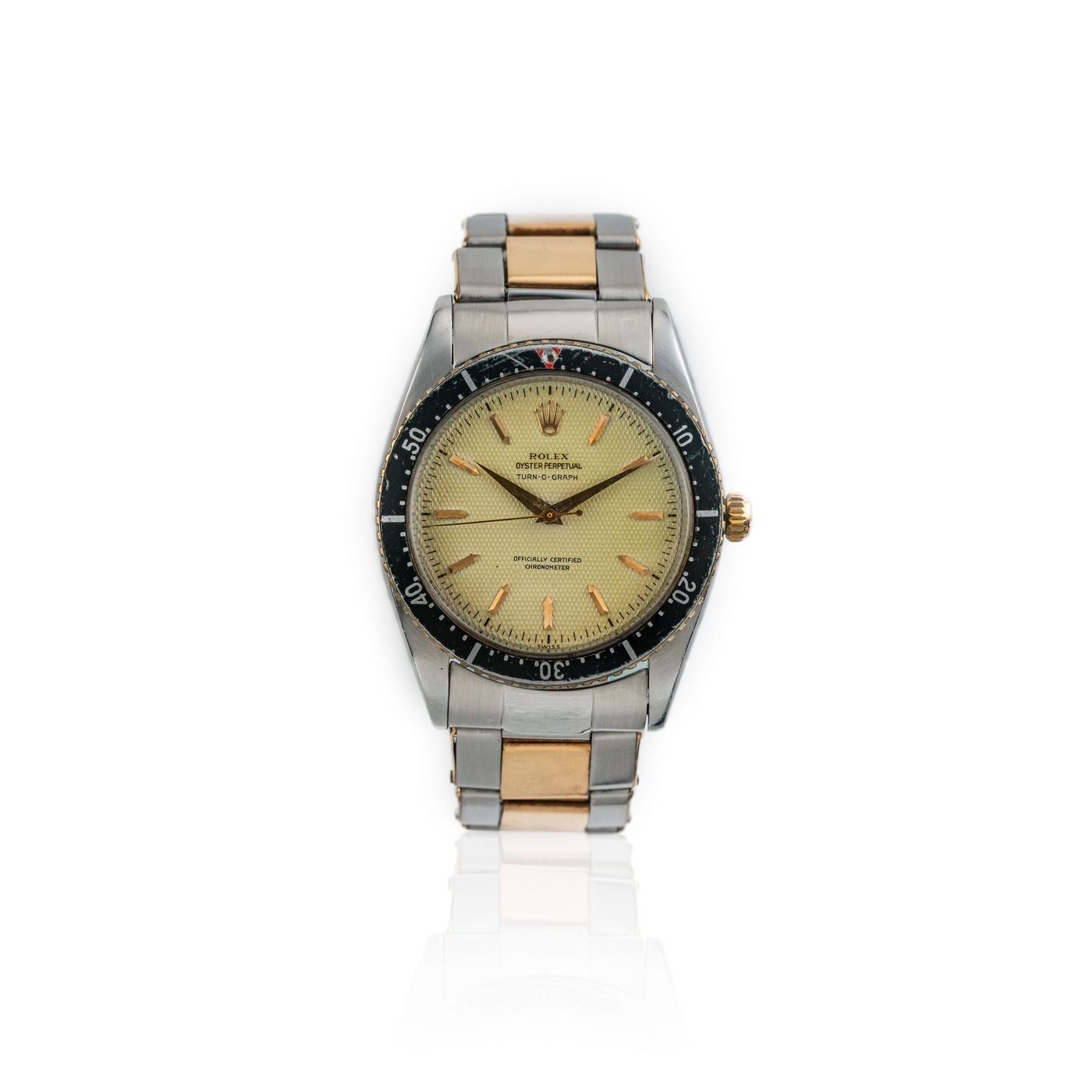
| Turn-O-Graph | 1953 | General sport use | Rotating graduated bezel to time intervals |
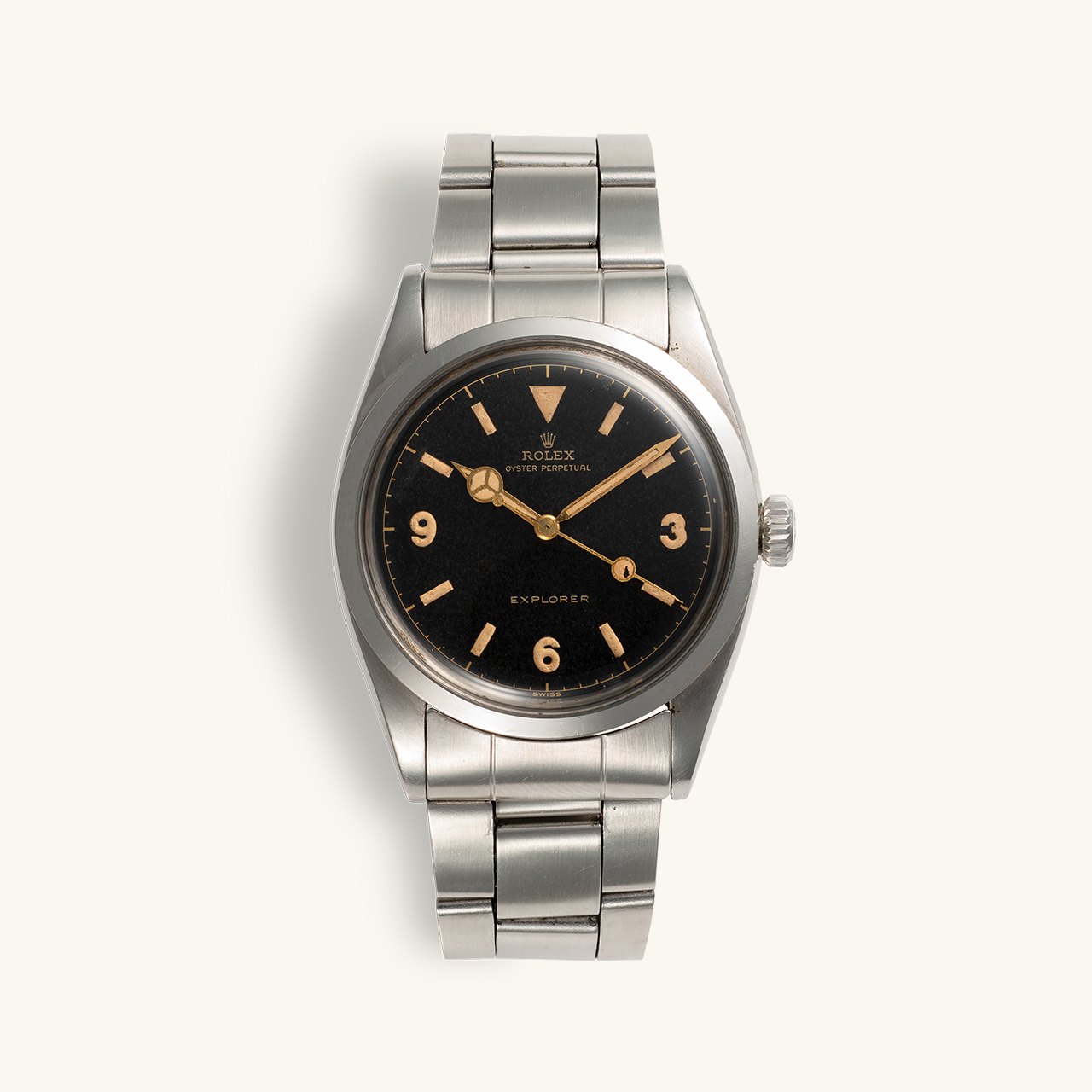
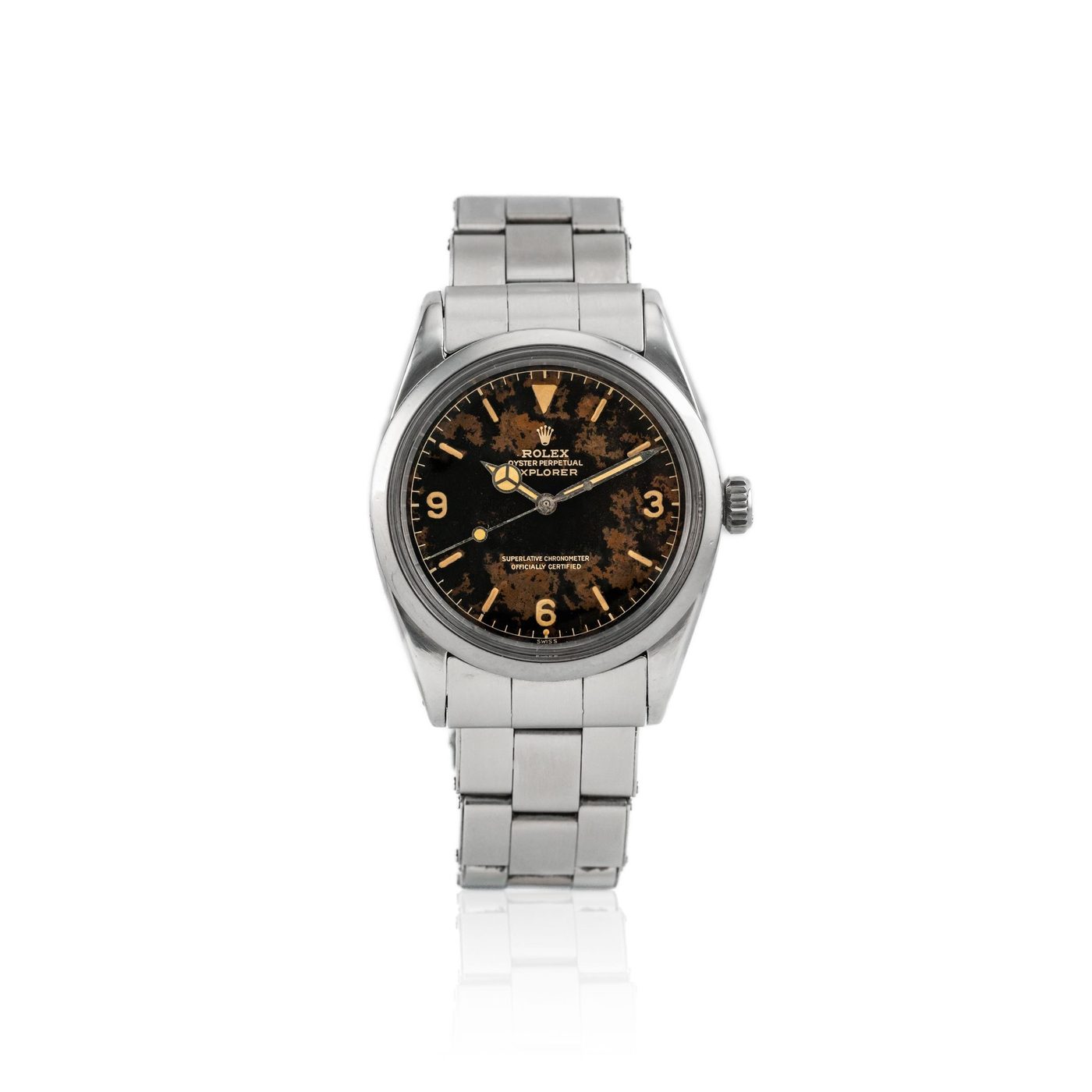
| Explorer | 1953 | Mountaineers and expeditions | Black dial with large 3-6-9 numerals; named after the 1953 Everest expedition, which Rolex had supplied |
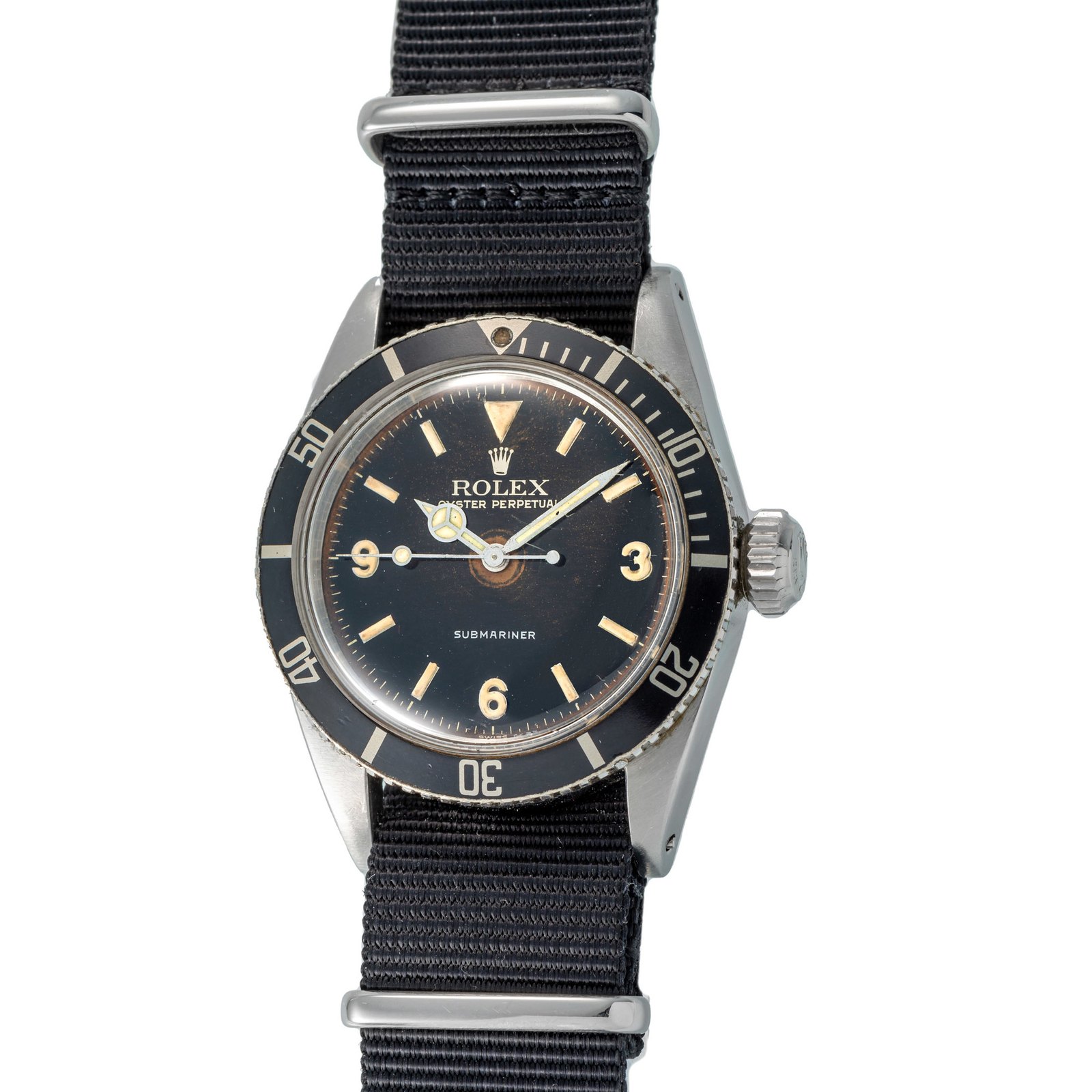
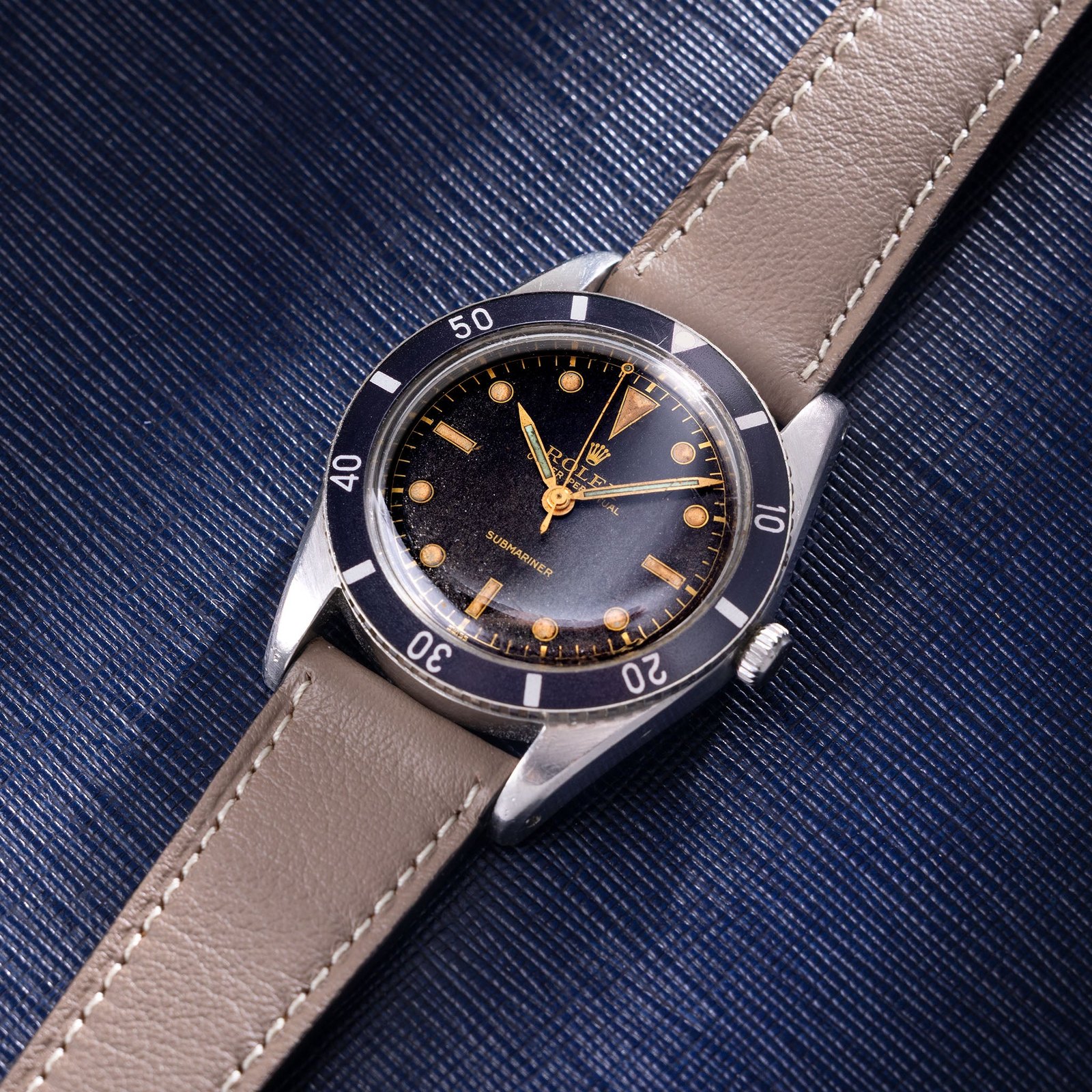
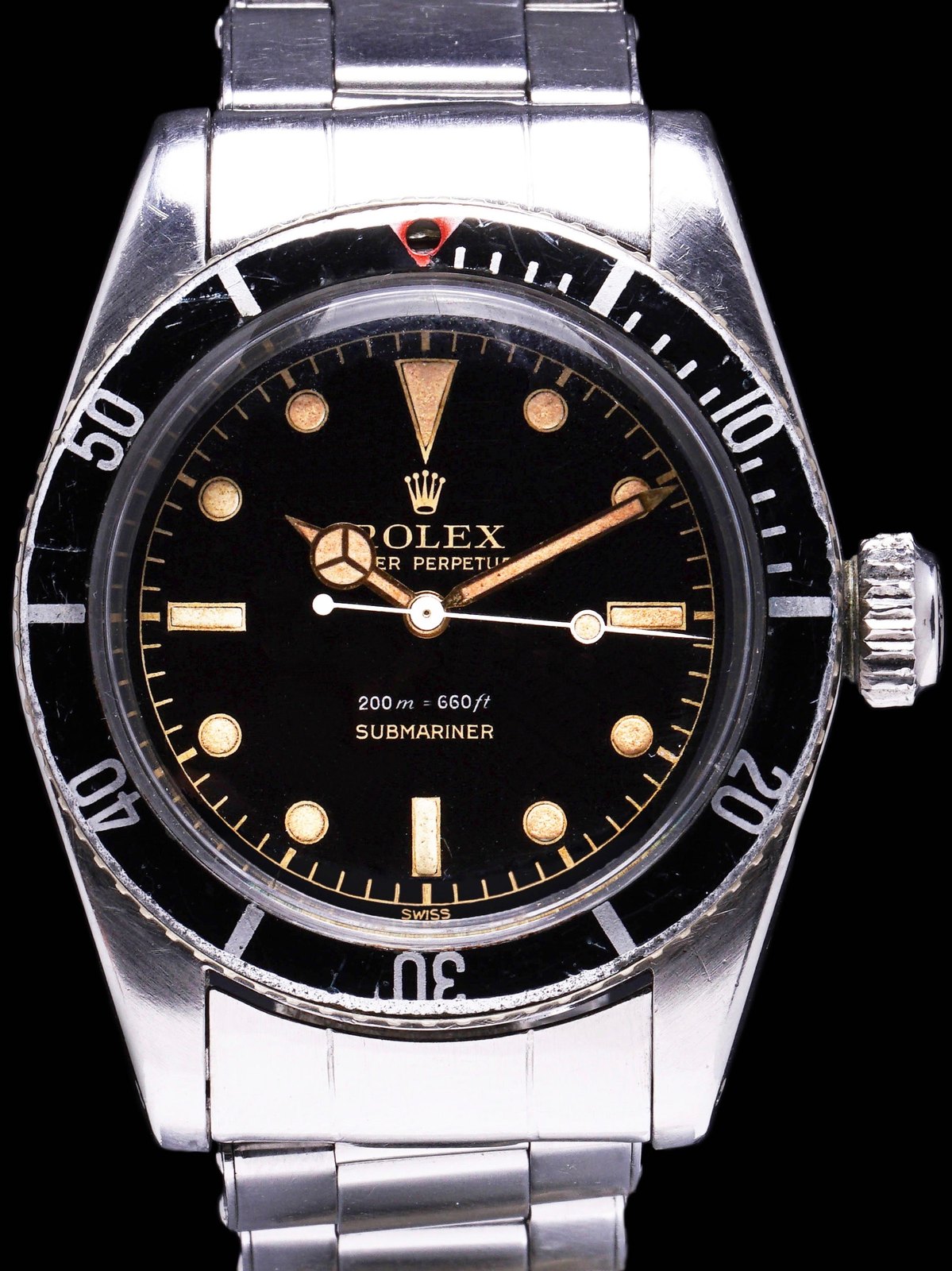
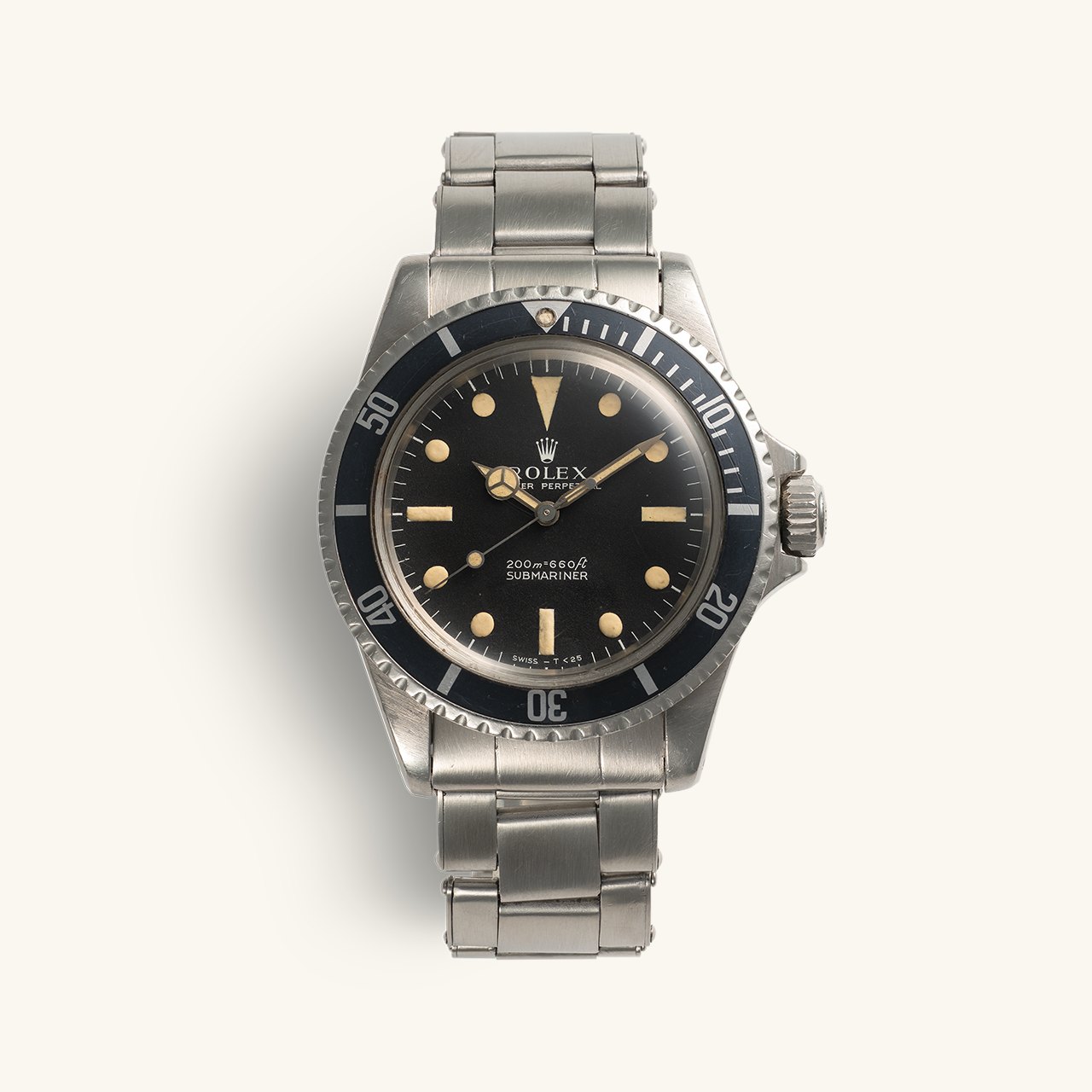
| Submariner | 1953–54 | Divers | Rotating bezel to time a dive; water resistance of 100 m in the first models |
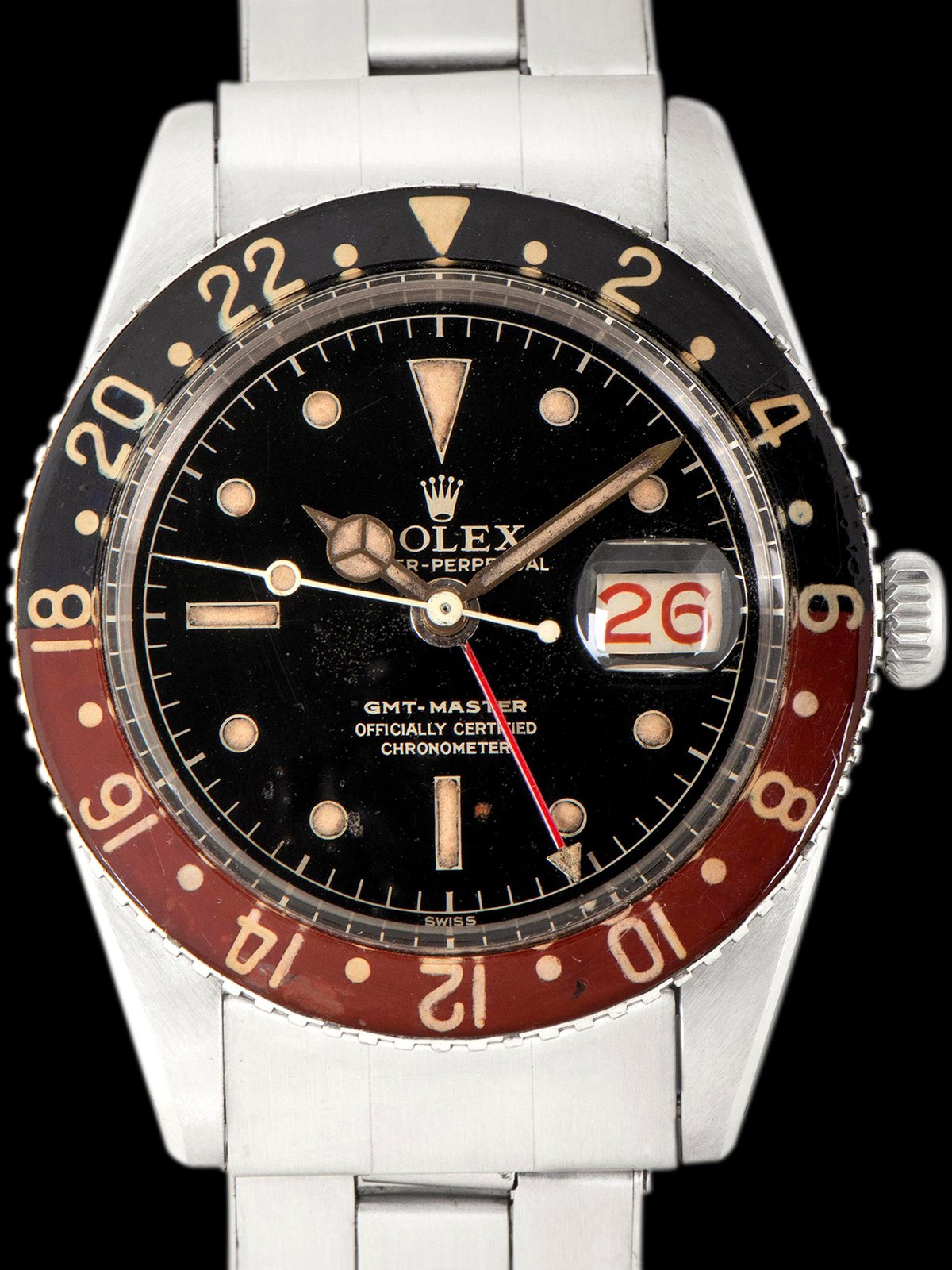
| GMT-Master | 1954–55 | Airline crews (developed with Pan Am) | Extra 24-hour hand and two-colour 24-hour bezel to show a second time zone |
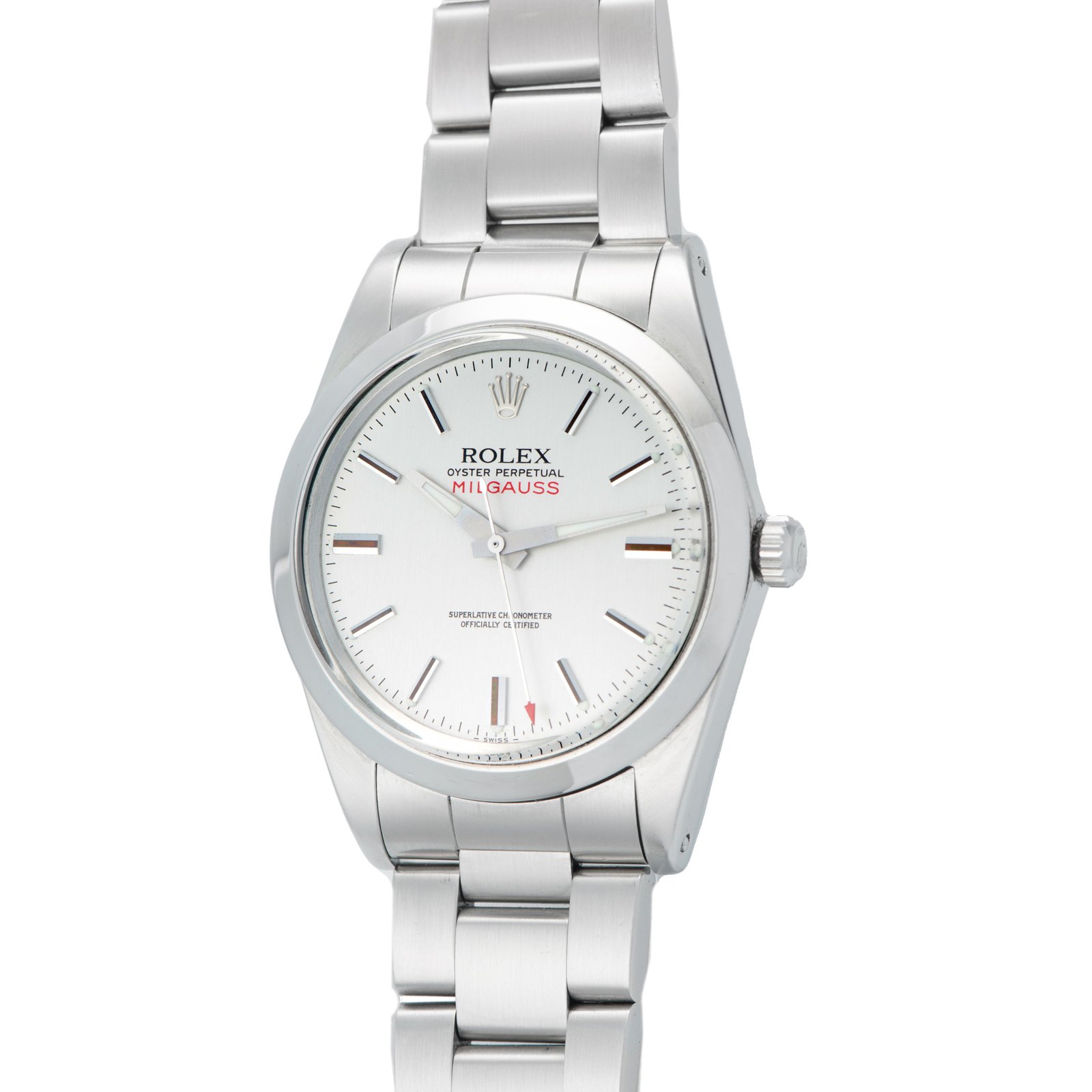
| Milgauss | 1956 | Scientists and engineers | Soft-iron inner case to resist magnetic fields of 1,000 gauss |
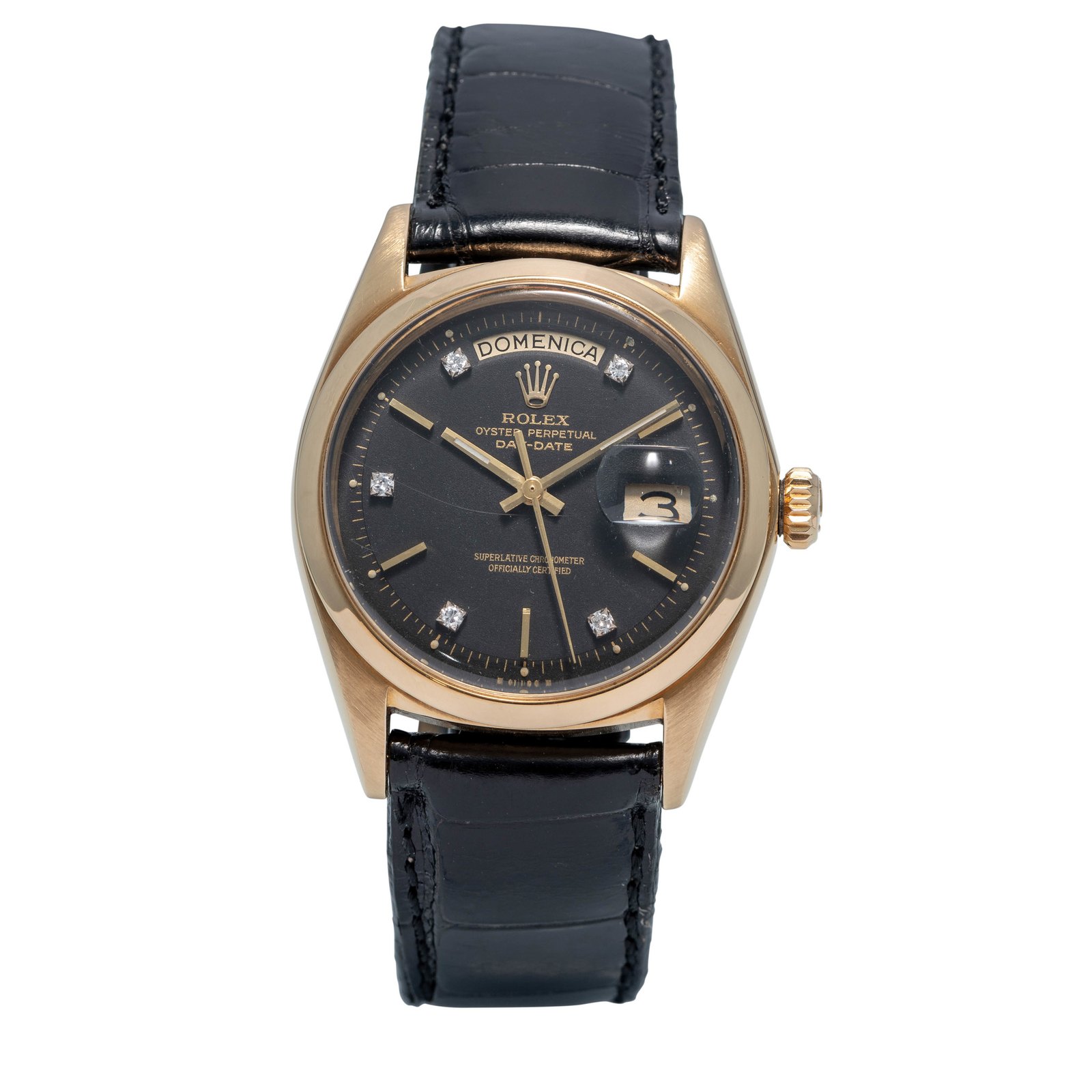
| Day-Date | 1956 | Executives | Day of the week spelled out in full; gold or platinum only; 'President' bracelet |
| Cosmograph Daytona | 1963 | Motor racing | Chronograph with tachymeter scale on the bezel |
| Sea-Dweller | 1967 | Saturation divers | Helium escape valve; greater depth rating |
Submariner
Rolex was not alone: Blancpain's Fifty Fathoms appeared in 1953 for French combat divers, and other firms were working on diving watches at the same time. The Submariner's achievement was to turn the type into a standard. Its rotating bezel, luminous markers and Oyster case set the template that most diving watches still follow, and Sean Connery's Submariner in the first James Bond film, Dr. No (1962), made it famous far beyond the diving world.
Explorer, GMT-Master, Day-Date and the others
1963: the Cosmograph Daytona
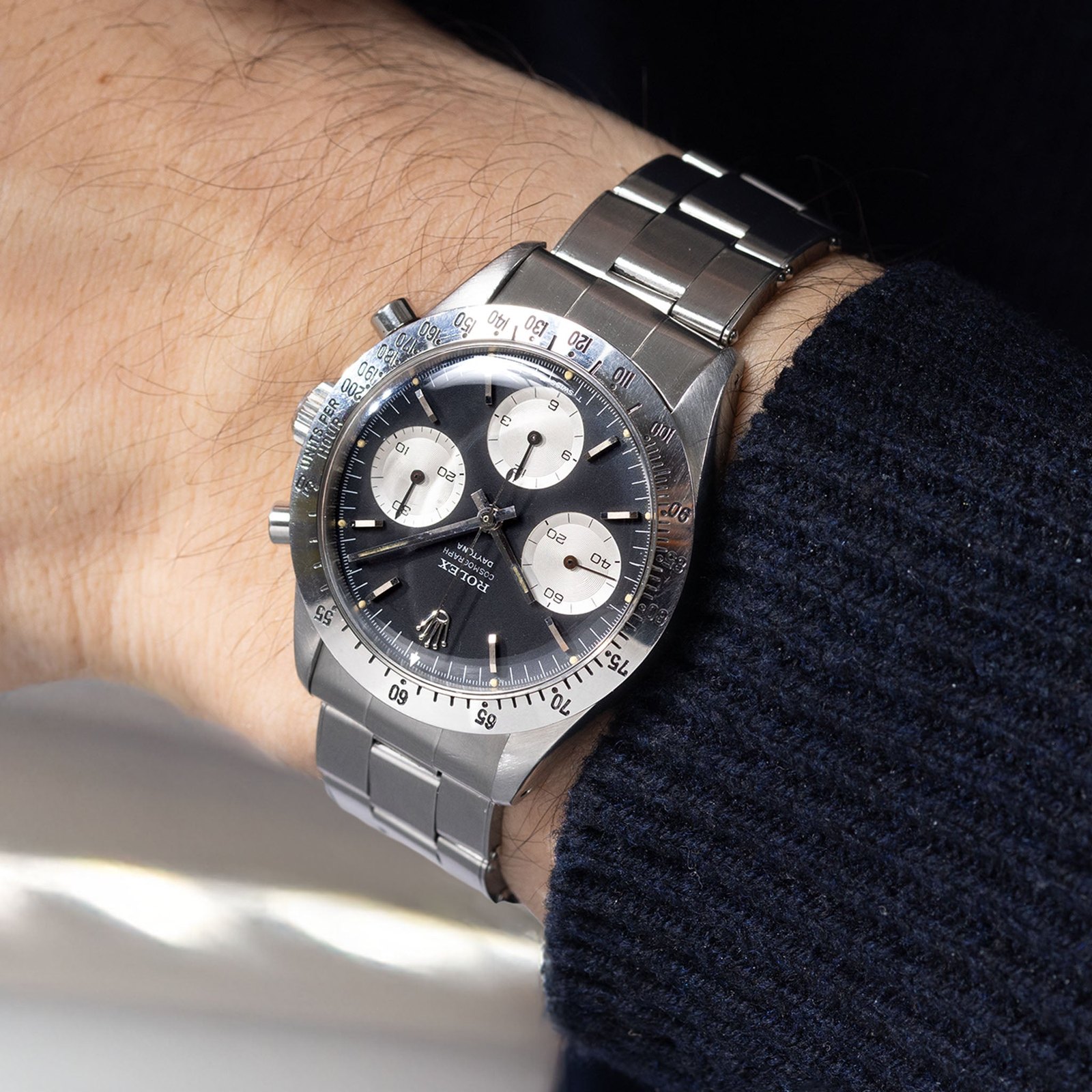
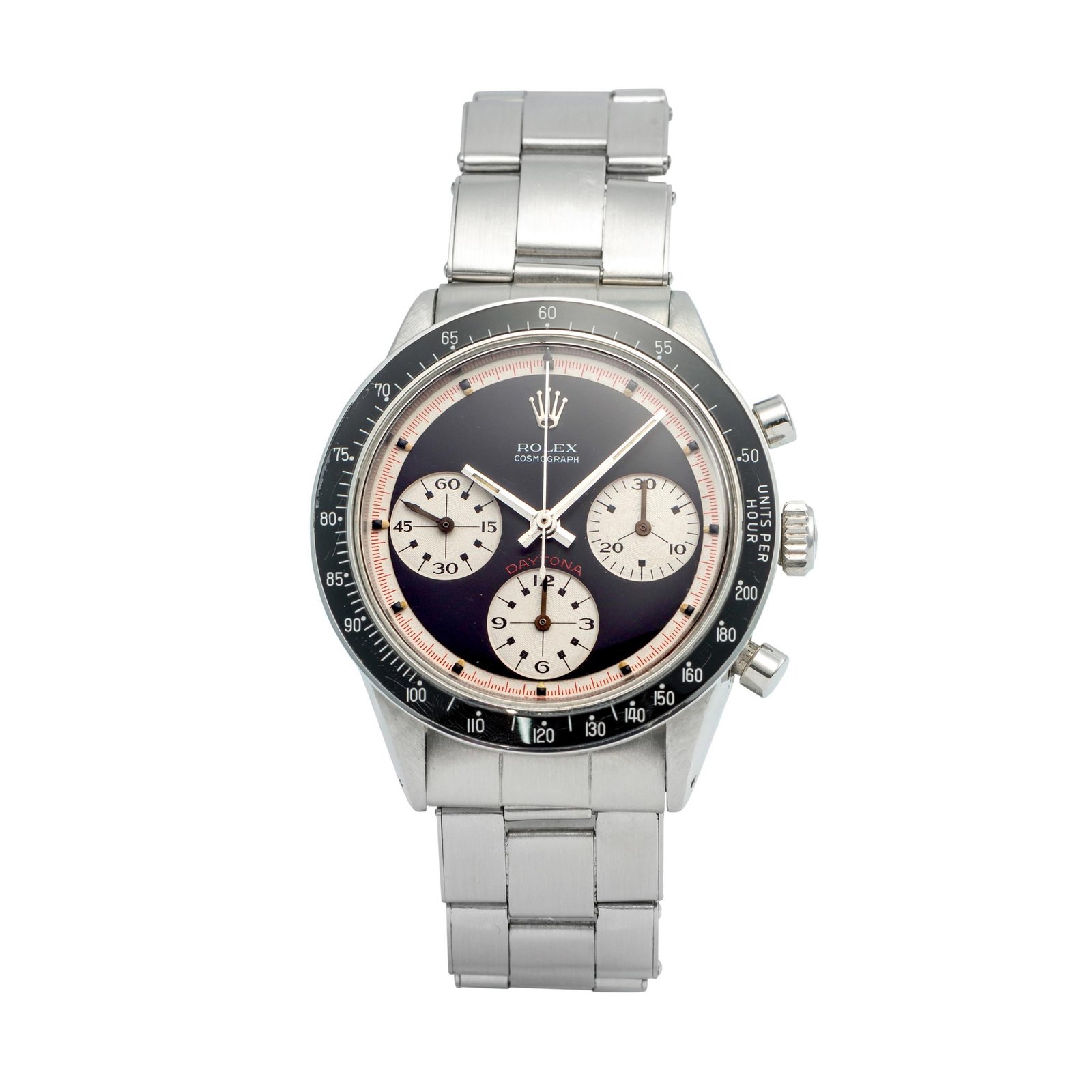
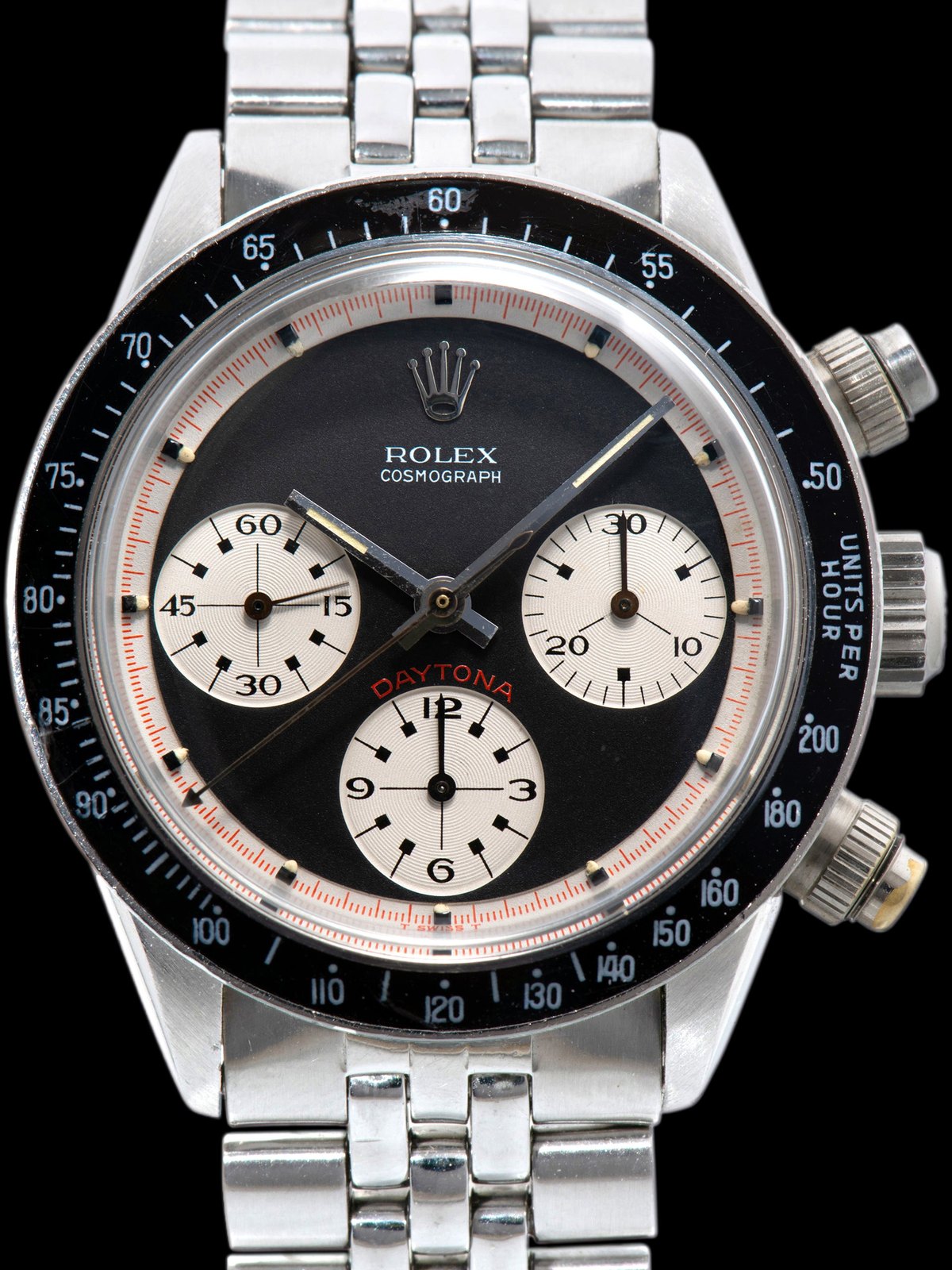
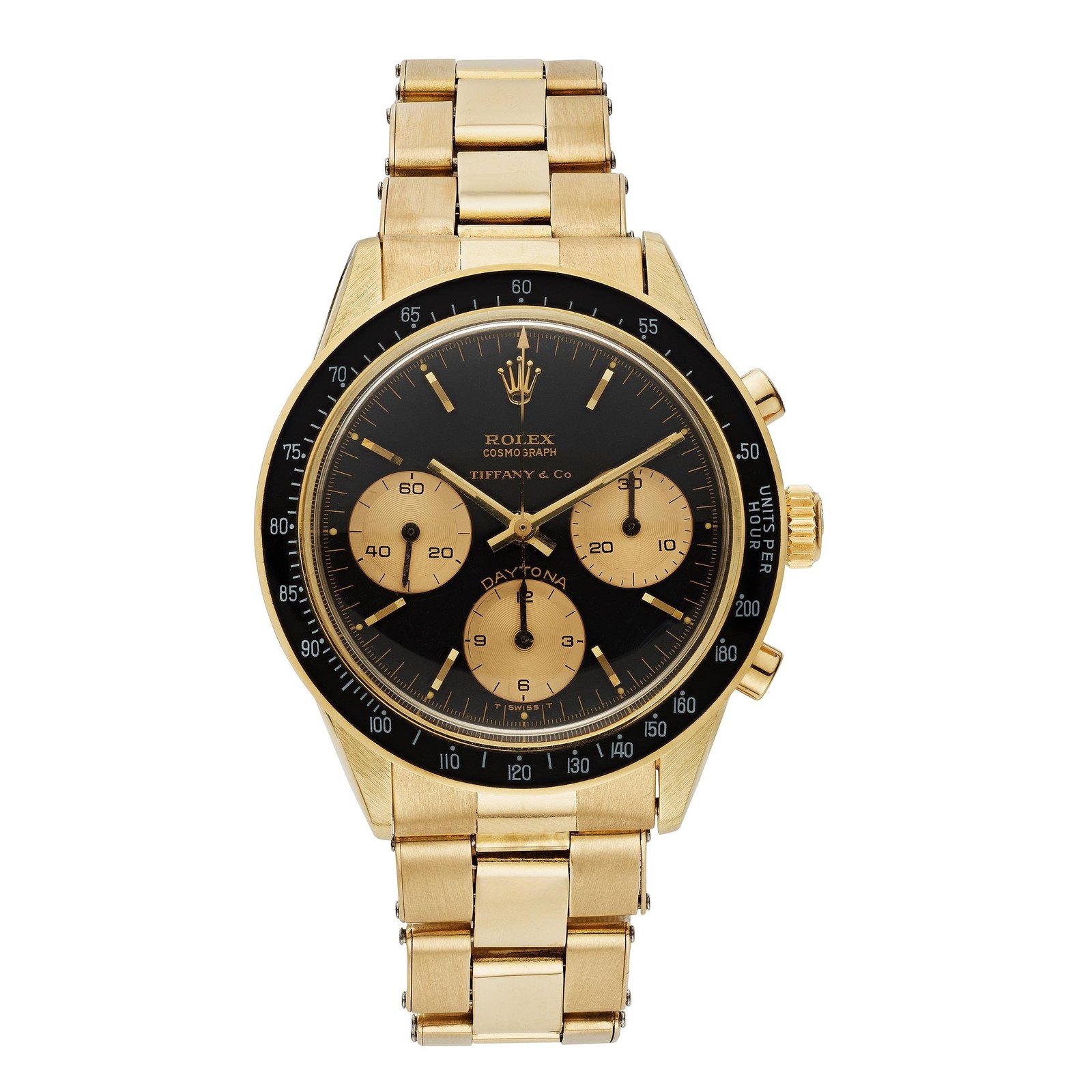
Rolex had made chronographs for thirty years, but the Cosmograph of 1963 moved the tachymeter scale from the dial to the bezel — as Omega had done on the Speedmaster in 1957 — leaving a clean dial with three contrasting registers. The name Daytona, after the motor-racing circuit in Florida with which Rolex had links, was soon printed on the dial. The early models were wound by hand and used movements based on the Valjoux 72. They sold slowly, and for years the Daytona was one of the less popular Rolex models.
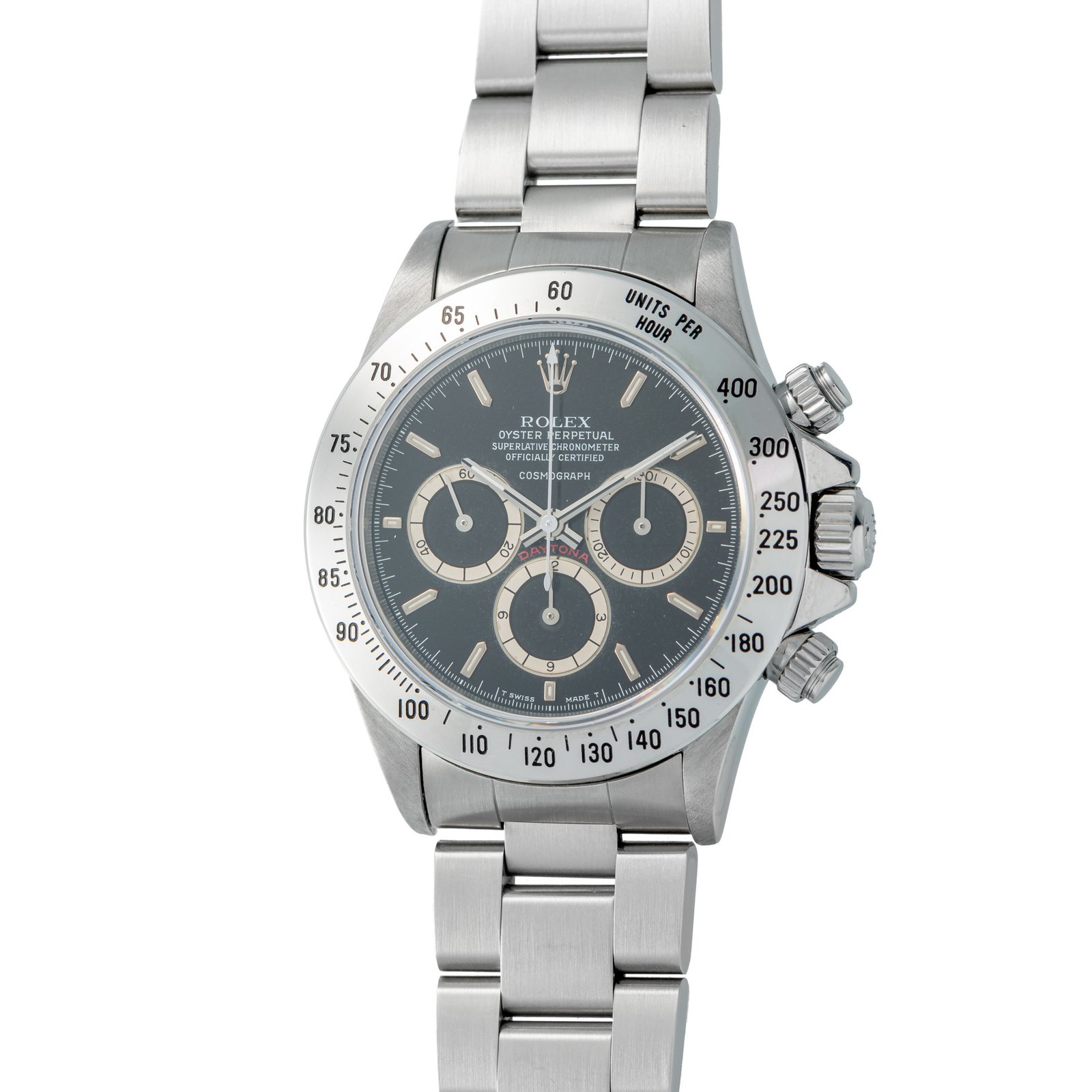
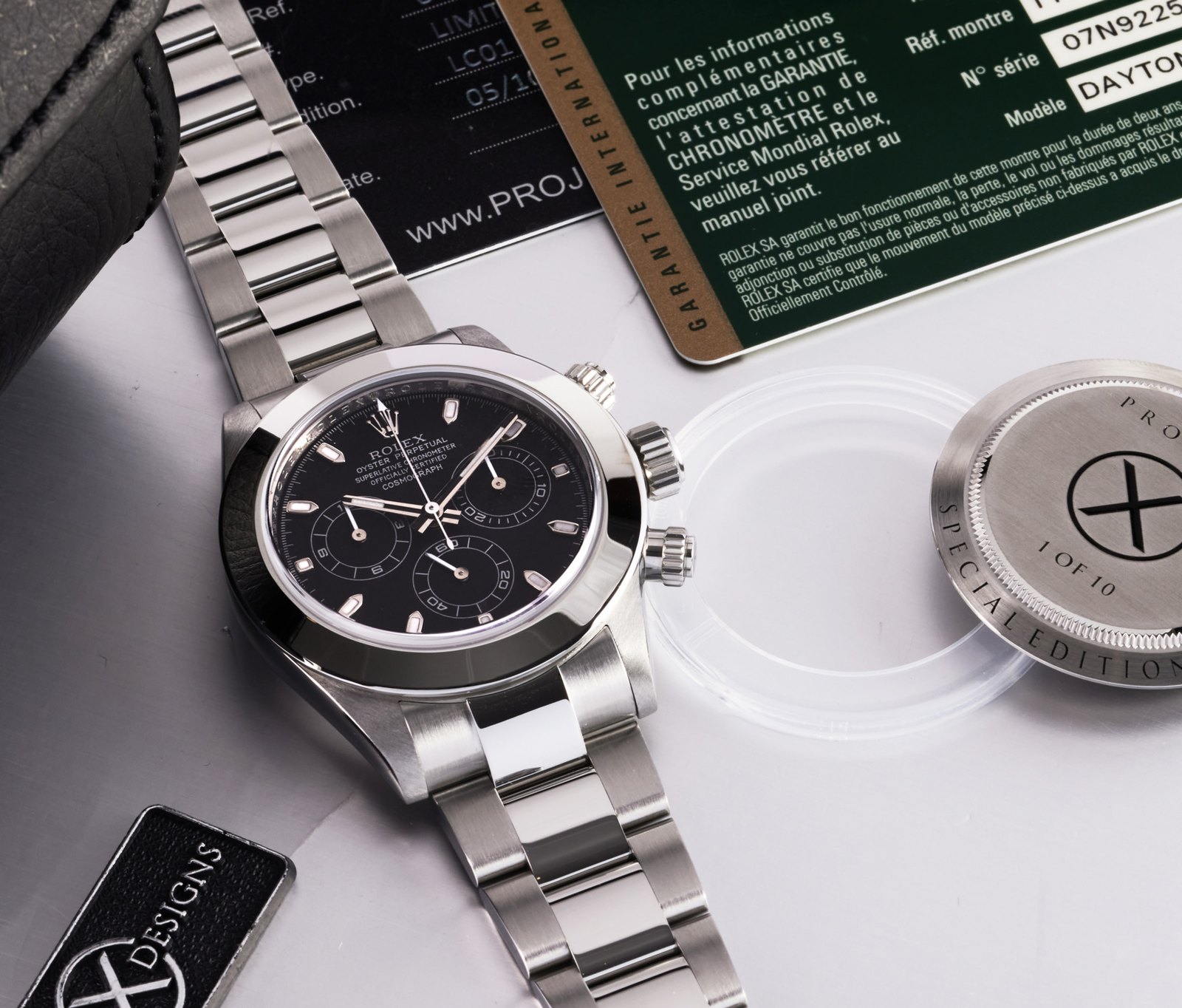
That changed long after the fact. Dials with an Art Deco-style typeface and squared sub-dial markings, which collectors call 'exotic', became known as 'Paul Newman' dials after the actor, who wore one. From the 1980s collectors pursued them with a passion that turned the Daytona into the most valuable family of modern wristwatches. Rolex introduced a self-winding Daytona, ref. 16520, in 1988, with a movement based on Zenith's El Primero, and replaced it in 2000 with ref. 116520 and its own calibre 4130.
Deeper still: the Sea-Dweller
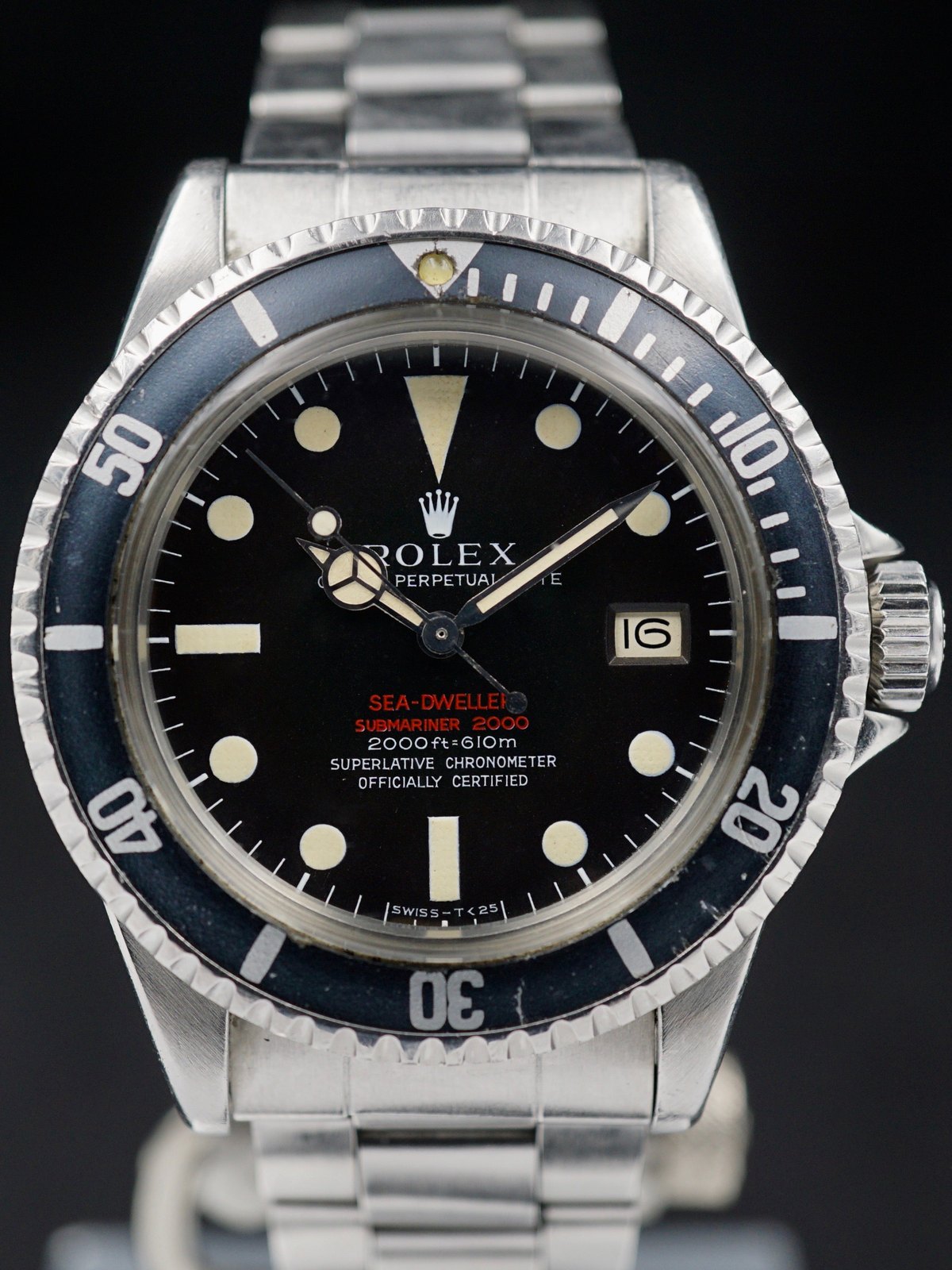
In saturation diving, divers live for days in pressurised chambers breathing a mixture containing helium. Helium atoms are small enough to work their way into a watch case; during decompression the gas cannot escape fast enough, and crystals were known to pop off. The Sea-Dweller, developed in the late 1960s in collaboration with the French commercial diving company COMEX, added a one-way valve that lets helium out. The first reference, 1665, is called the 'Double Red' by collectors for the two lines of red printing on its dial.
Quartz, Tudor and the second brand
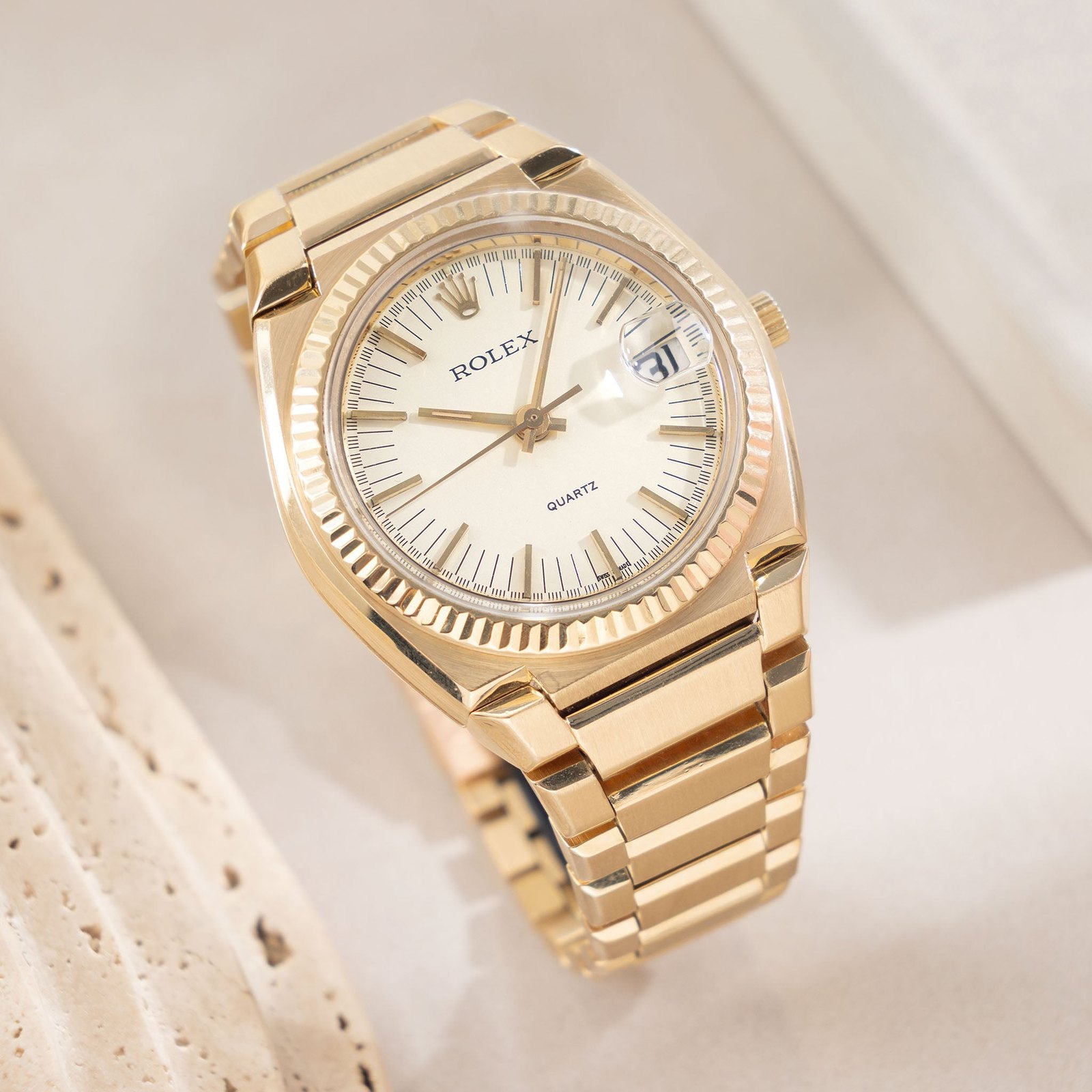
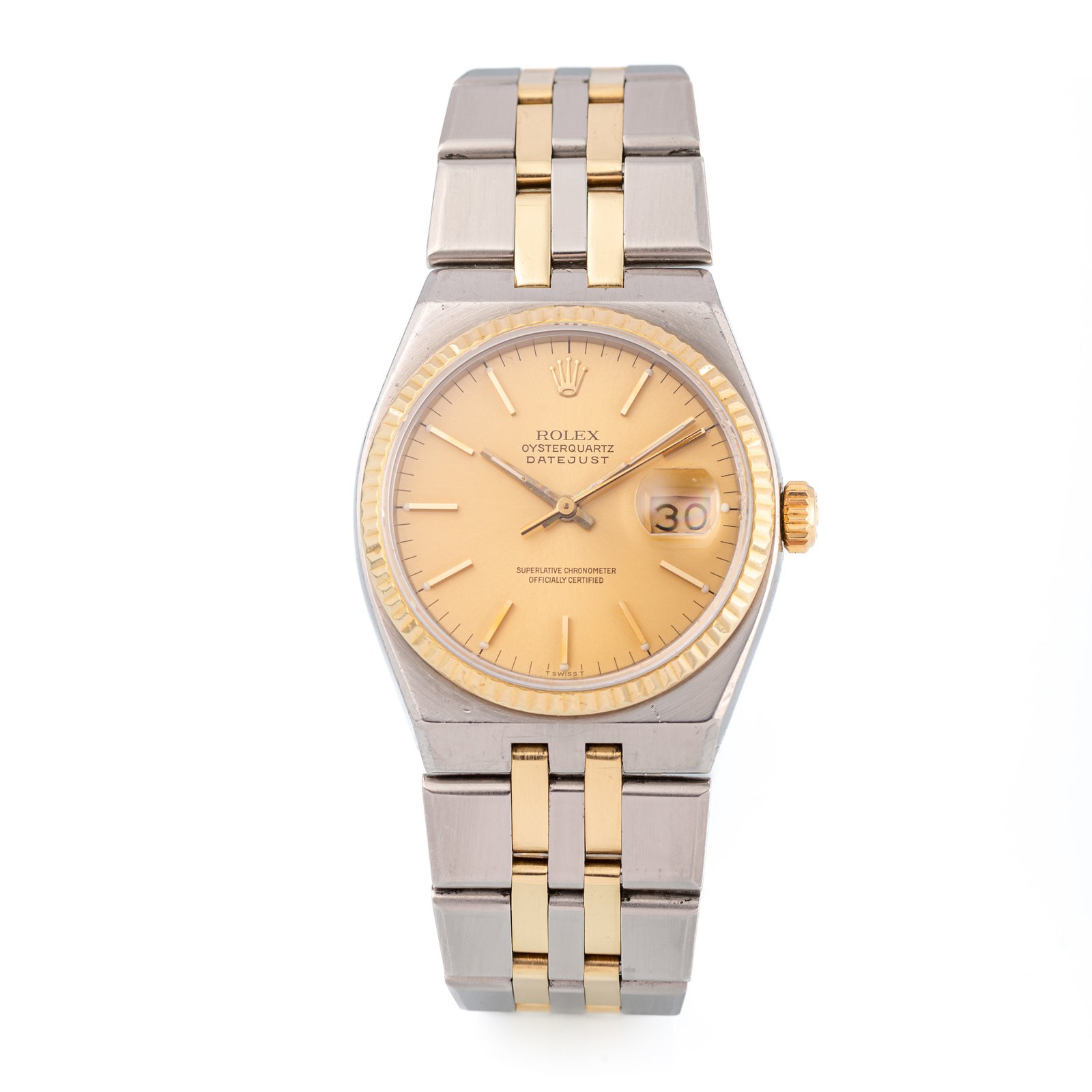
Rolex was one of the Swiss firms that joined in developing the Beta 21, the first Swiss quartz movement, and fitted it to a small series in 1970, the ref. 5100. It later made its own quartz calibres for the Oysterquartz, introduced in 1977, which stayed in the range until the early 2000s. Neither did much to change the company's direction. Unlike most of the Swiss industry, which was devastated by the quartz crisis of the 1970s and 1980s, Rolex came through by doing more of what it already did: mechanical Oysters, sold as durable status objects.
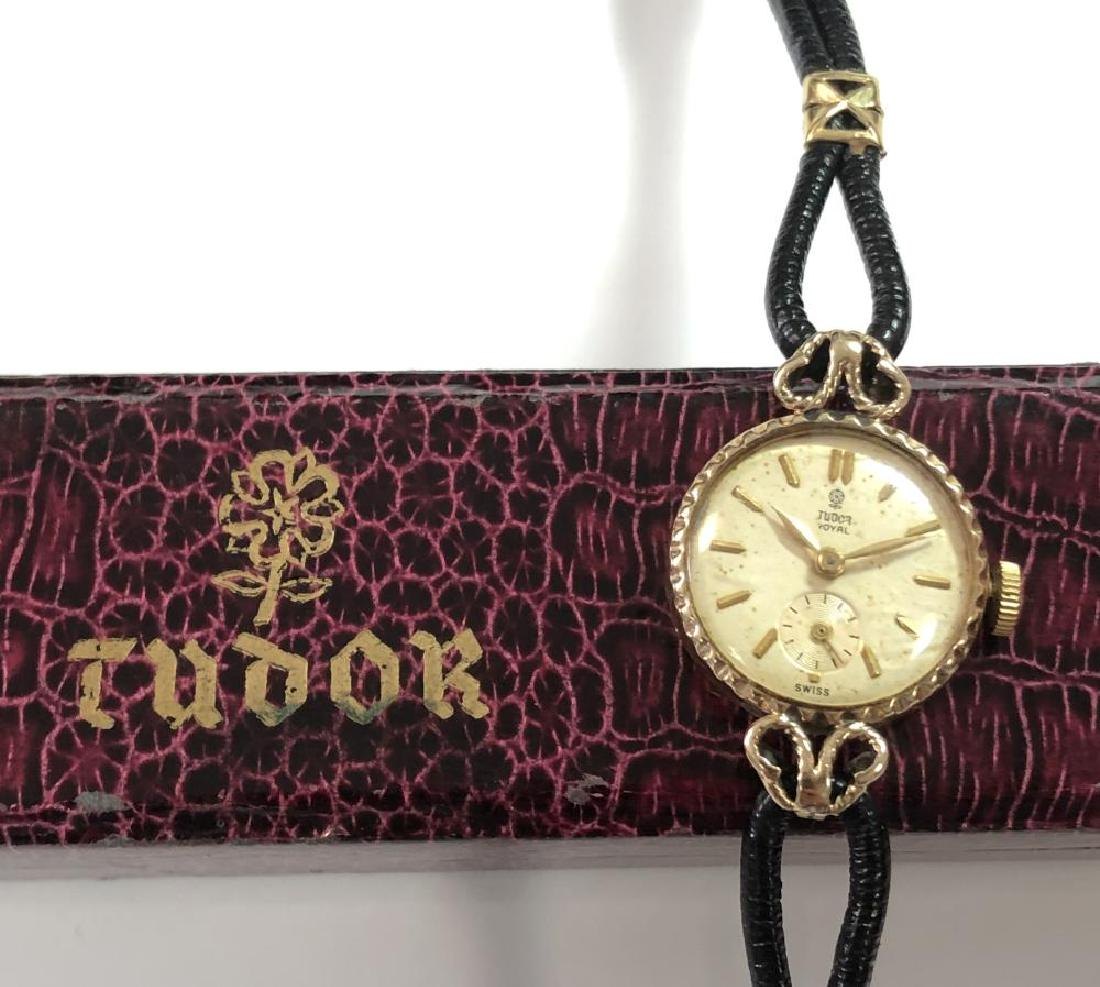
Wilsdorf also built a second brand. The name Tudor was registered in 1926, and Montres Tudor SA was founded in 1946 to sell watches in Rolex Oyster cases with bought-in movements at lower prices. Tudor Submariners were issued to navies, including the French Marine Nationale, and from 1969 carried the square-tipped 'snowflake' hands now associated with the brand.
Reading a vintage Rolex
Because Rolex kept the same names for decades, two watches called 'Submariner' or 'Datejust' may be thirty years apart. Collectors and auction houses identify a Rolex by its reference number and serial number, and then by a vocabulary of details that would seem absurdly fine for any other object. The table explains where to look and what the commonest terms mean.
| Feature | Where or what | Why it matters |
|---|---|---|
| Reference number | Engraved between the lugs at 12 o'clock (visible with the bracelet removed) | Identifies the model and its generation |
| Serial number | Between the lugs at 6 o'clock; on later watches on the rehaut inside the crystal | Gives an approximate production date; published serial-to-year tables are approximate |
| Gilt dial | Gold-coloured printing on a glossy black dial, typical before the mid-1960s | Distinguishes early dials from later matte dials with white printing |
| 'Meters first' | Depth rating printed in metres before feet | Marks a particular dial variant of the 1960s |
| Tropical dial | A dial that has faded from black to brown | An effect of age and light; prized by some, but it must be natural |
| T Swiss T, T<25 | Small markings at 6 o'clock | Indicate tritium luminous paint, used from the 1960s to the late 1990s |
| Pointed crown guards | Sharp guards beside the crown on early 1960s Submariners and GMTs | A short-lived case shape, used to date and authenticate |
| Service parts | Replacement dials, hands, bezels and crowns fitted by Rolex | A watch's originality strongly affects how collectors value it |
Why Rolex matters to the history of the watch
Rolex invented less than its advertising suggests. Sealed cases, self-winding mechanisms, date windows and diving bezels all had predecessors, and Rolex bought movements from specialists for decades. Its importance lies elsewhere: in turning the wristwatch from a fragile accessory into a durable everyday instrument, in proving each improvement in public, and in building a range of models that changed only slowly, so that a watch bought in the 1960s still looks like a Rolex today. The objects in this feature, from a modest silver wristwatch imported into London in 1916 to a Daytona with the company's own chronograph movement, trace that transformation.
- Browse all Rolex and Tudor watches in the Atlas catalogue, from museum pieces to recent auction lots.
- See the Rolex and Tudor maker profiles for the company chronology and related records.
- Read 'How the Wristwatch Conquered the World' for the wider history in which the Oyster belongs.
- Learn how a self-winding movement works in the Academy lesson on the mechanical watch.
Sources & further reading
- GB 260,554 — Improvements in keyless watches — Paul Perregaux and Georges Perret; also naming Hans Wilsdorf, UK Patent Office, Filed 1926; published 1927.
- Watches — David Thompson, British Museum Press (London), 2008.
- Revolution in Time: Clocks and the Making of the Modern World — David S. Landes, Harvard University Press, 1983.