
Intermediate · Lesson 5 of 7 · 15 min read
The tourbillon: what it does, and what it doesn't
The tourbillon is the most famous complication in watchmaking. Invented by Abraham-Louis Breguet to cancel errors of position, it became a showpiece. This lesson explains the problem it solves, how it works, its variants and how to judge the claims made for it.
By the end of this lesson you will be able to:
- Explain positional error and why a vertical watch suffers from it
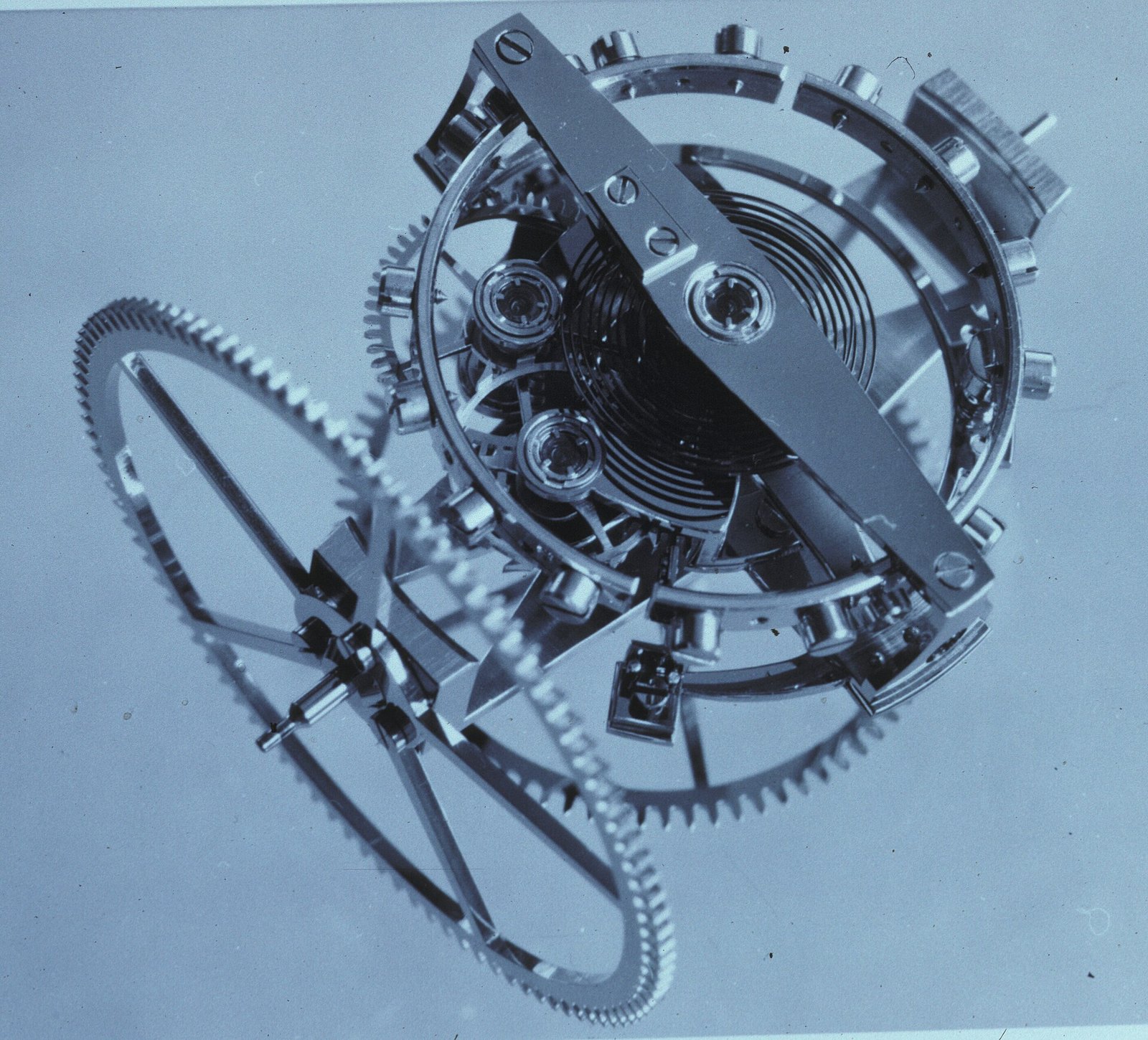
- Describe how a tourbillon carriage works
- Distinguish the tourbillon, the karrusel and the flying tourbillon
- Assess what a tourbillon can and cannot improve in a wristwatch
A pocket watch spends most of its life upright, in a waistcoat pocket, with the pendant at the top. In that position gravity acts on the balance from one side. If the balance is even slightly out of poise — its centre of mass a few thousandths of a millimetre off its axis — gravity speeds it up or slows it down depending on where the heavy spot sits. The watch's rate then depends on how it hangs. Watchmakers call this positional error, and in the eighteenth century it was one of the largest remaining errors in a good watch.
Breguet's solution
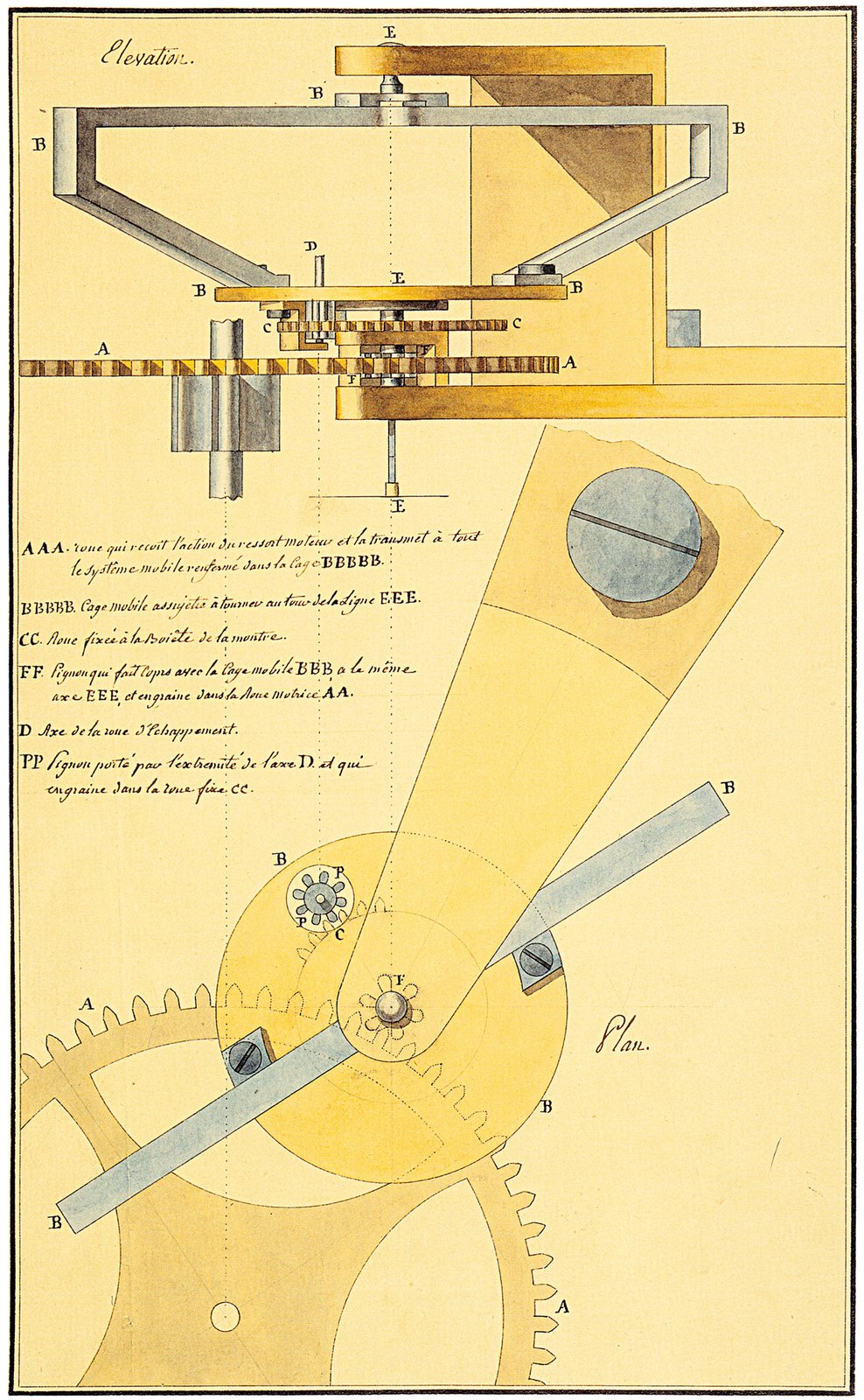
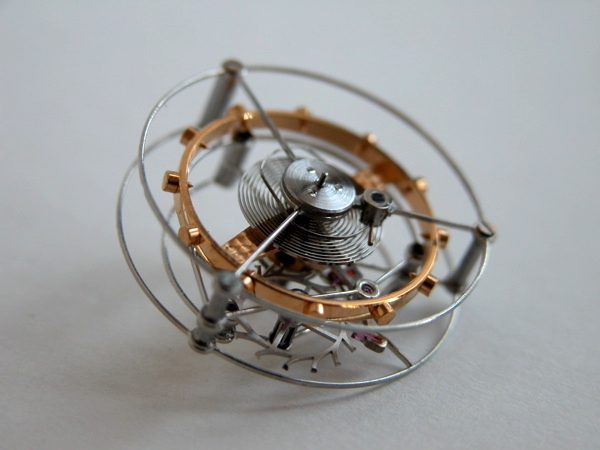
Abraham-Louis Breguet's answer was to stop trying to make the balance perfect and instead keep moving the error around. In a tourbillon (French for whirlwind) the balance, hairspring, lever and escape wheel are mounted together in a light cage, the carriage, which rotates continuously — usually once a minute. As the carriage turns, the out-of-poise spot passes through every vertical position. A gain in one part of the turn is matched by a loss in the opposite part, and over each revolution the errors average out. Breguet received a French patent for the idea on 26 June 1801 (7 Messidor, Year IX of the Revolutionary calendar) and sold tourbillon watches from the following years; only a few dozen were made in his lifetime.
How the carriage is driven
In a classic tourbillon the fourth wheel of the train is replaced by the carriage itself. The carriage pinion is driven by the third wheel, so the carriage turns once a minute; a fixed wheel, the 'stationary fourth wheel', is screwed to the plate around it. The escape pinion, carried on the rotating carriage, rolls around the fixed wheel as the carriage turns, and that rolling drives the escape wheel. The seconds hand is often mounted directly on the carriage arbor.
| Mechanism | Introduced | Key difference |
|---|---|---|
| Tourbillon | Patented by Breguet, 1801 | Carriage driven through the escape pinion rolling on a fixed fourth wheel; usually one turn per minute |
| Karrusel | Patented by Bahne Bonniksen, Coventry, 1892 | Carriage driven separately by the third wheel; turns slowly (often once in about 52 minutes); simpler and cheaper to make |
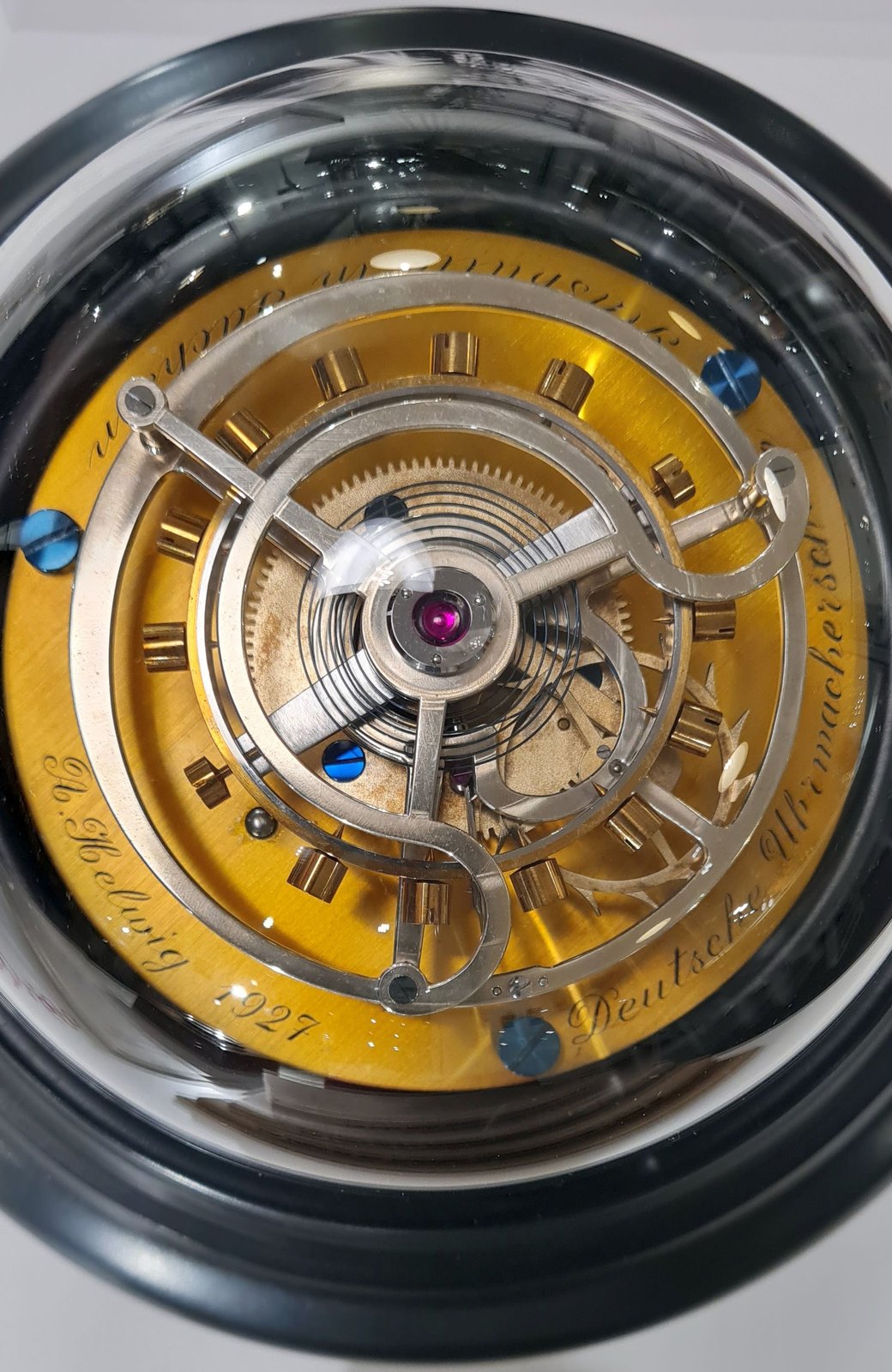
| Flying tourbillon | Alfred Helwig, Glashütte, 1920 | Carriage supported from one side only, with no upper bridge, so it can be seen whole |
| Multi-axis tourbillon | Late 20th–21st century | Carriages rotating about two or three axes, intended to address horizontal as well as vertical positions |
Did it work?
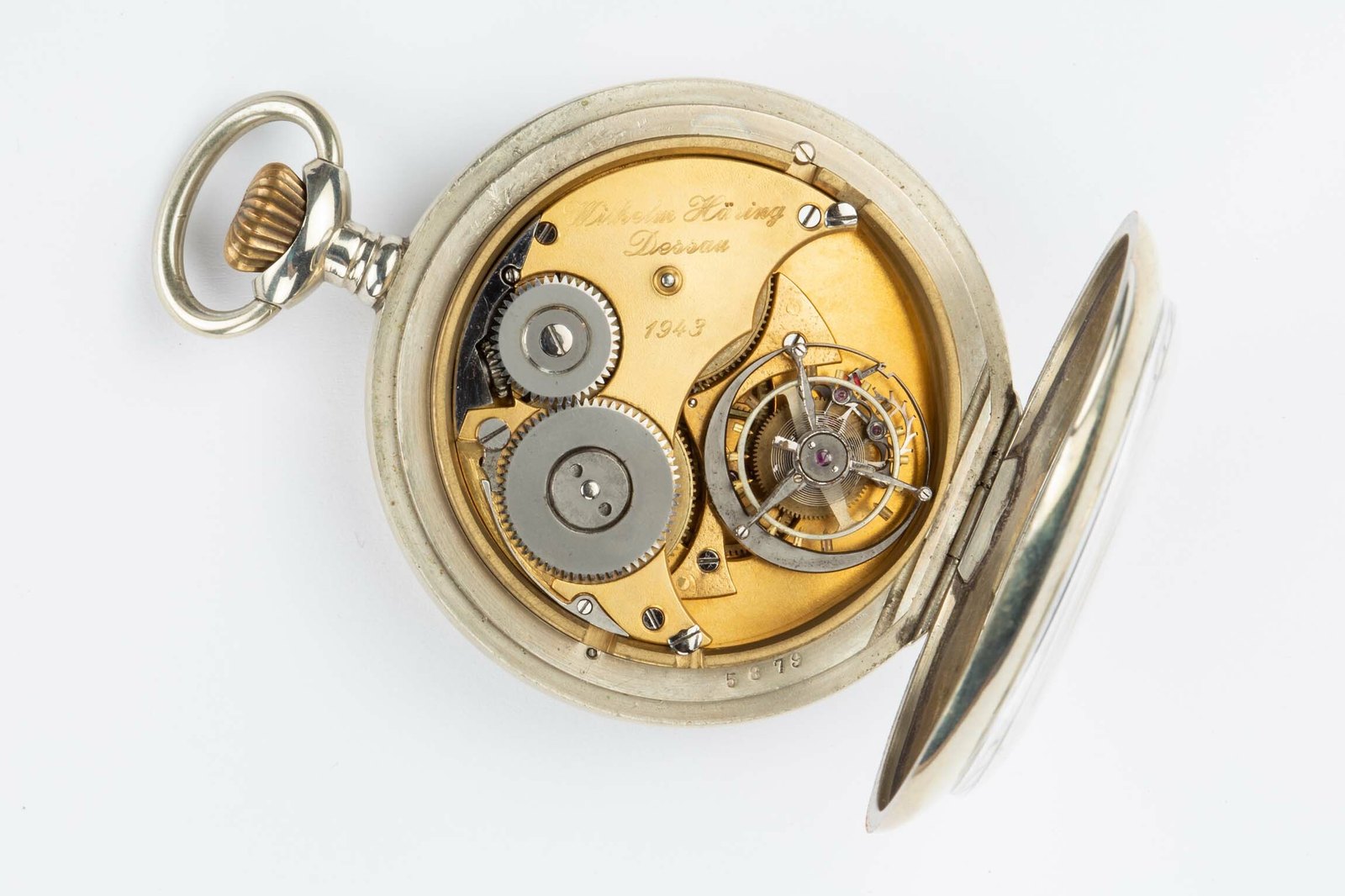
Yes, for the problem it was designed for. Tourbillon and karrusel pocket watches did very well at the observatory timing trials at Kew, Neuchâtel and Geneva in the late nineteenth and early twentieth centuries, where watches were tested in several vertical positions. But a tourbillon is hard to make. The carriage must be light, perfectly poised and free-running, and every part added to it increases the inertia the mainspring has to move once a minute. A badly made tourbillon is worse than a good ordinary watch.
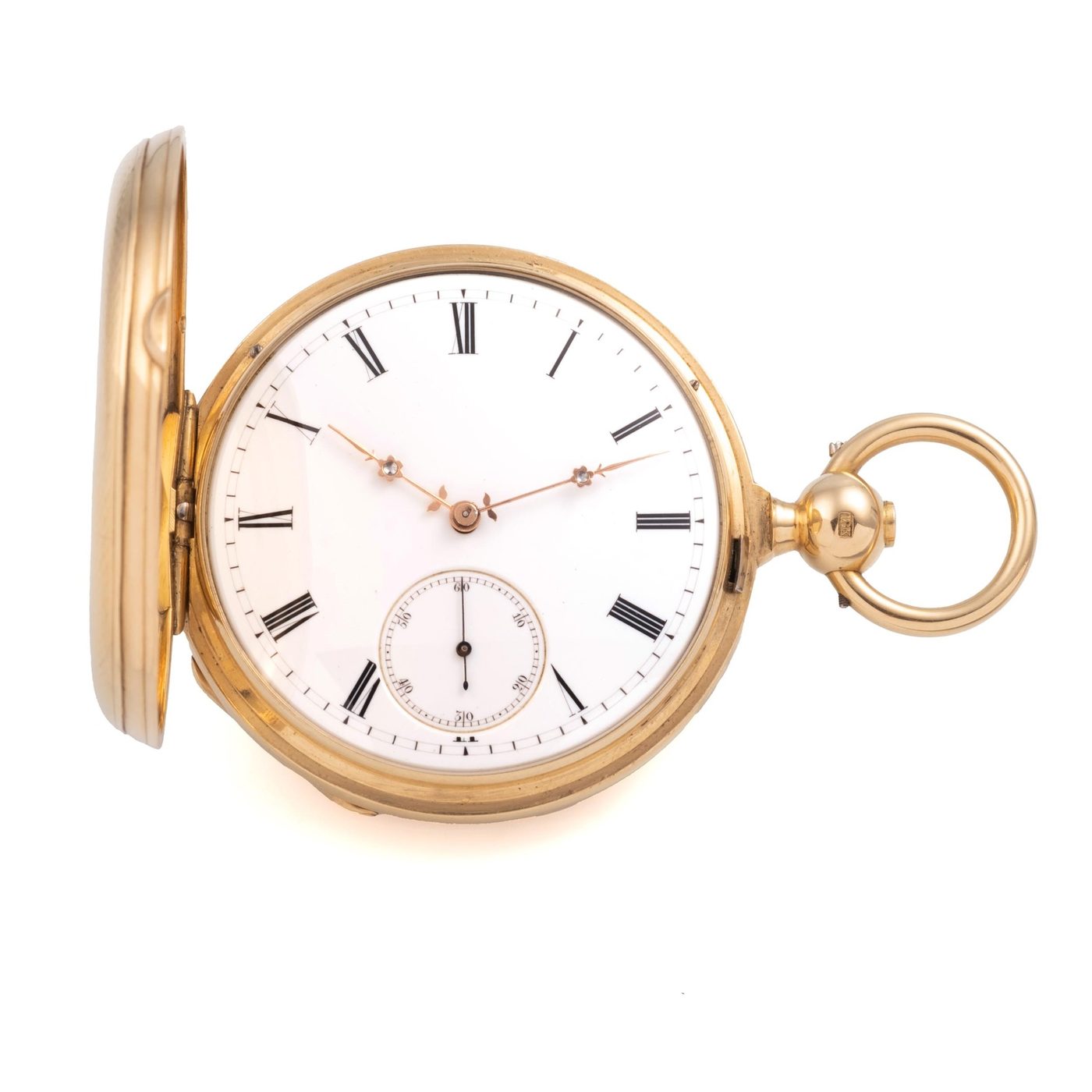
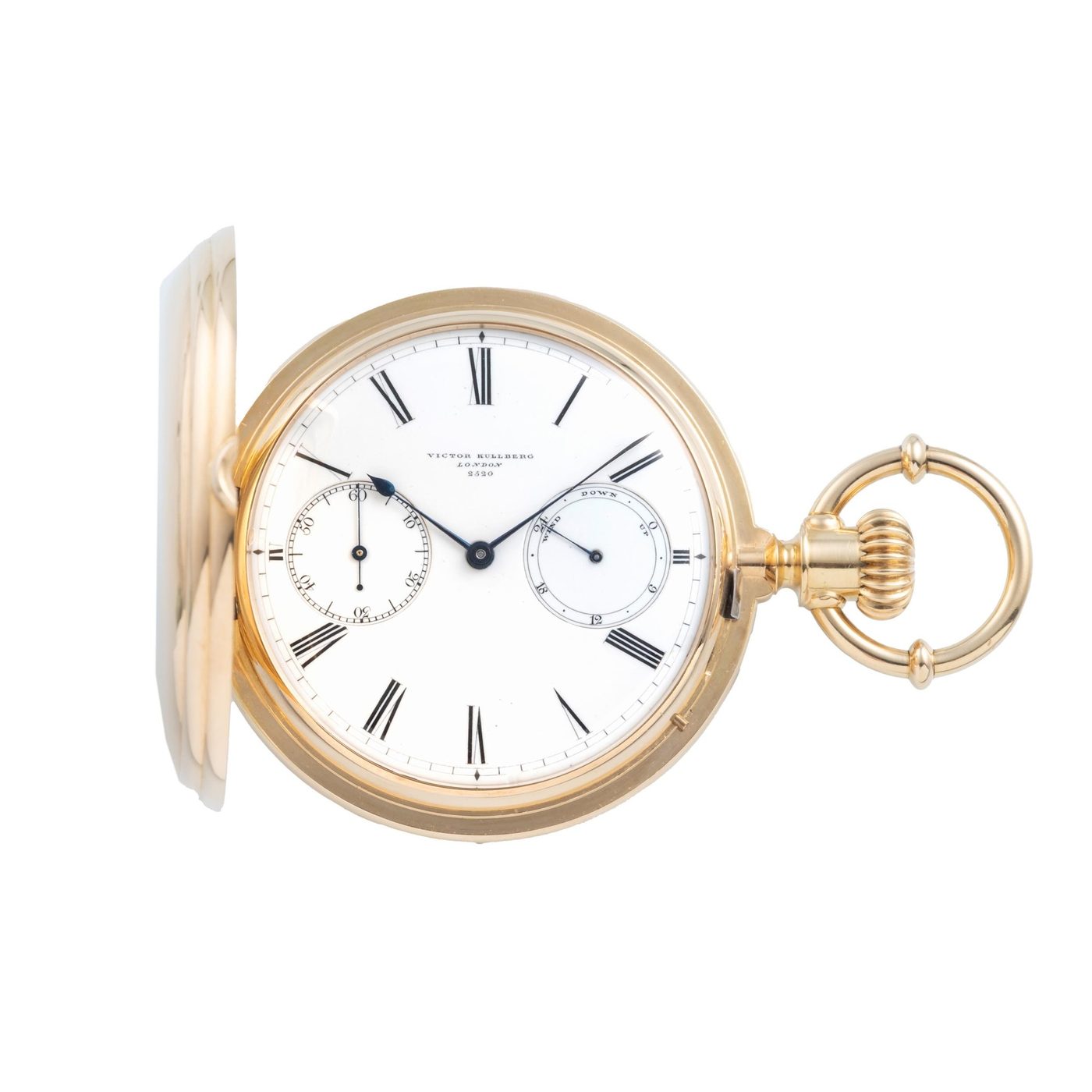
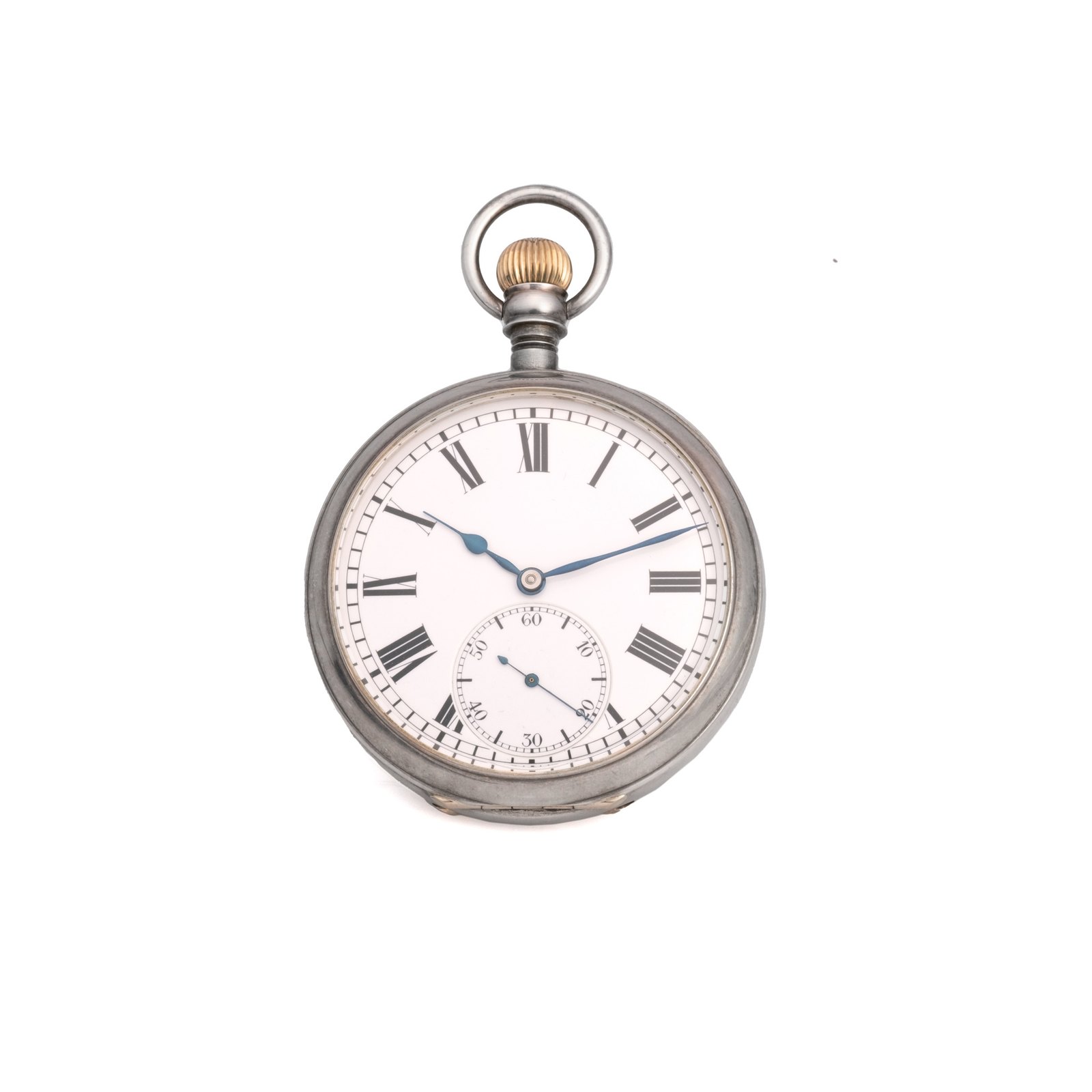
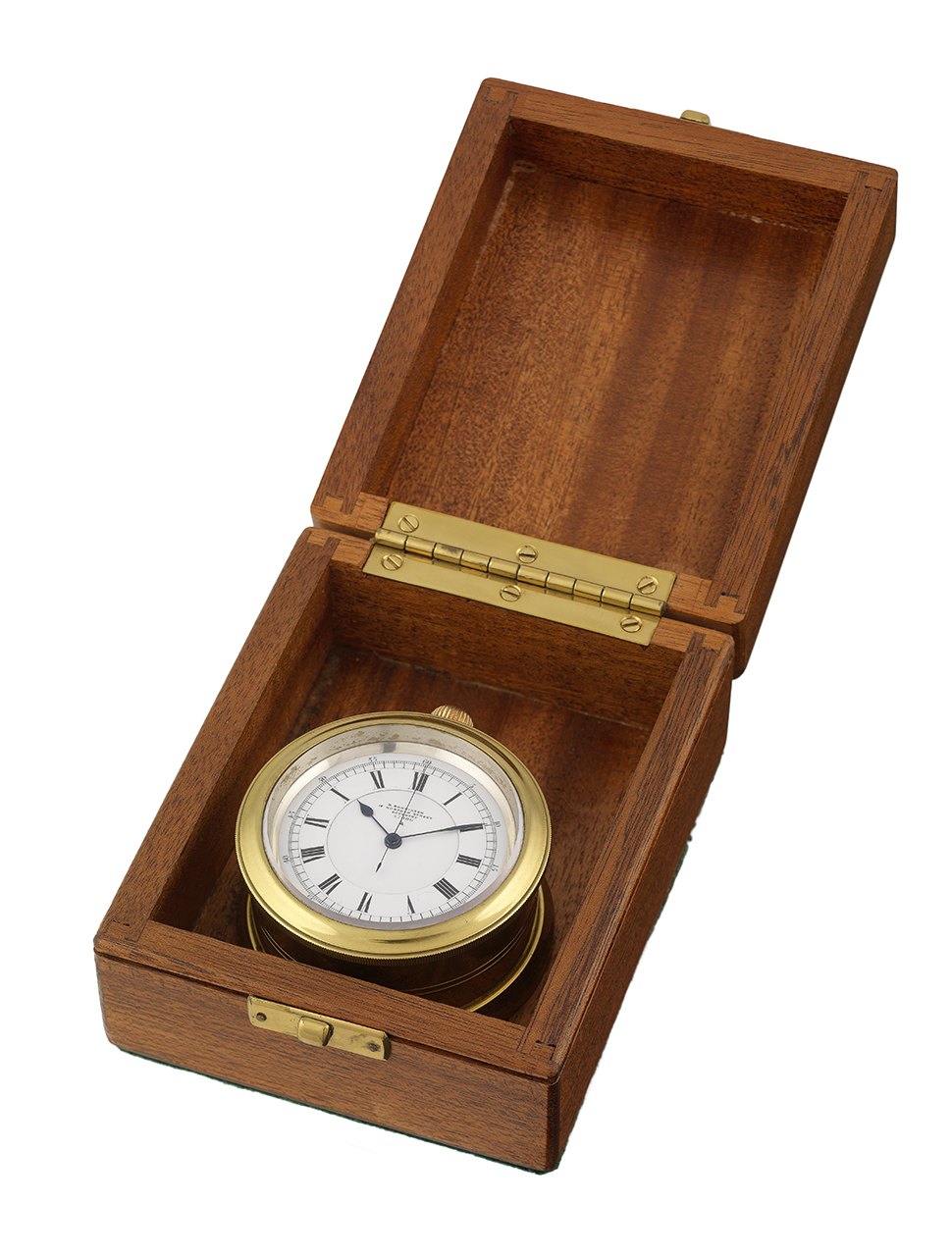
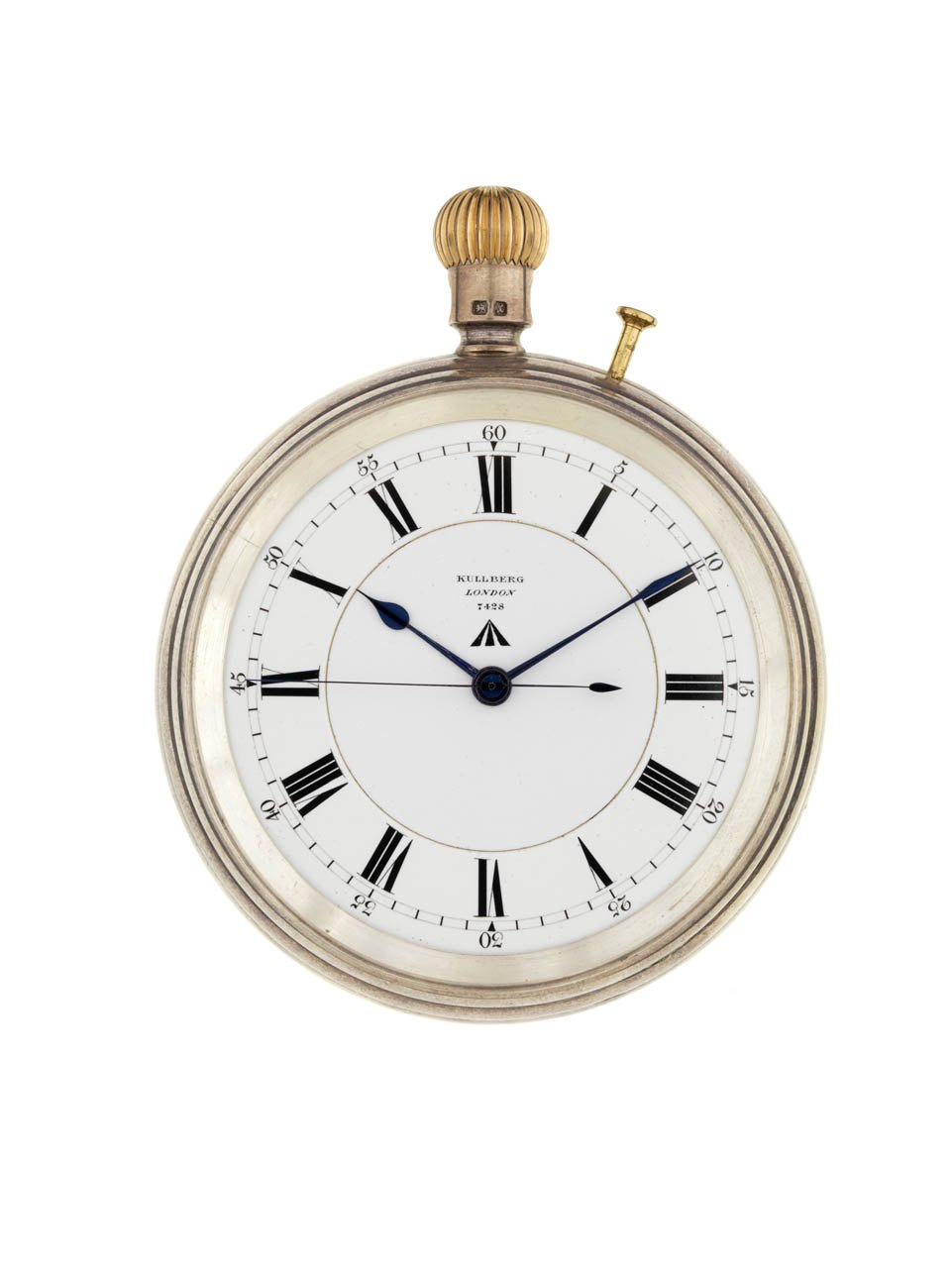
Bonniksen's karrusel was the practical answer for British makers. It turned slowly and was easier to make, and the Admiralty bought karrusel watches as deck watches — the watches officers carried to compare a ship's chronometers with the sun or stars. Several survive at the National Maritime Museum, marked with the broad arrow of government property.
In the wristwatch
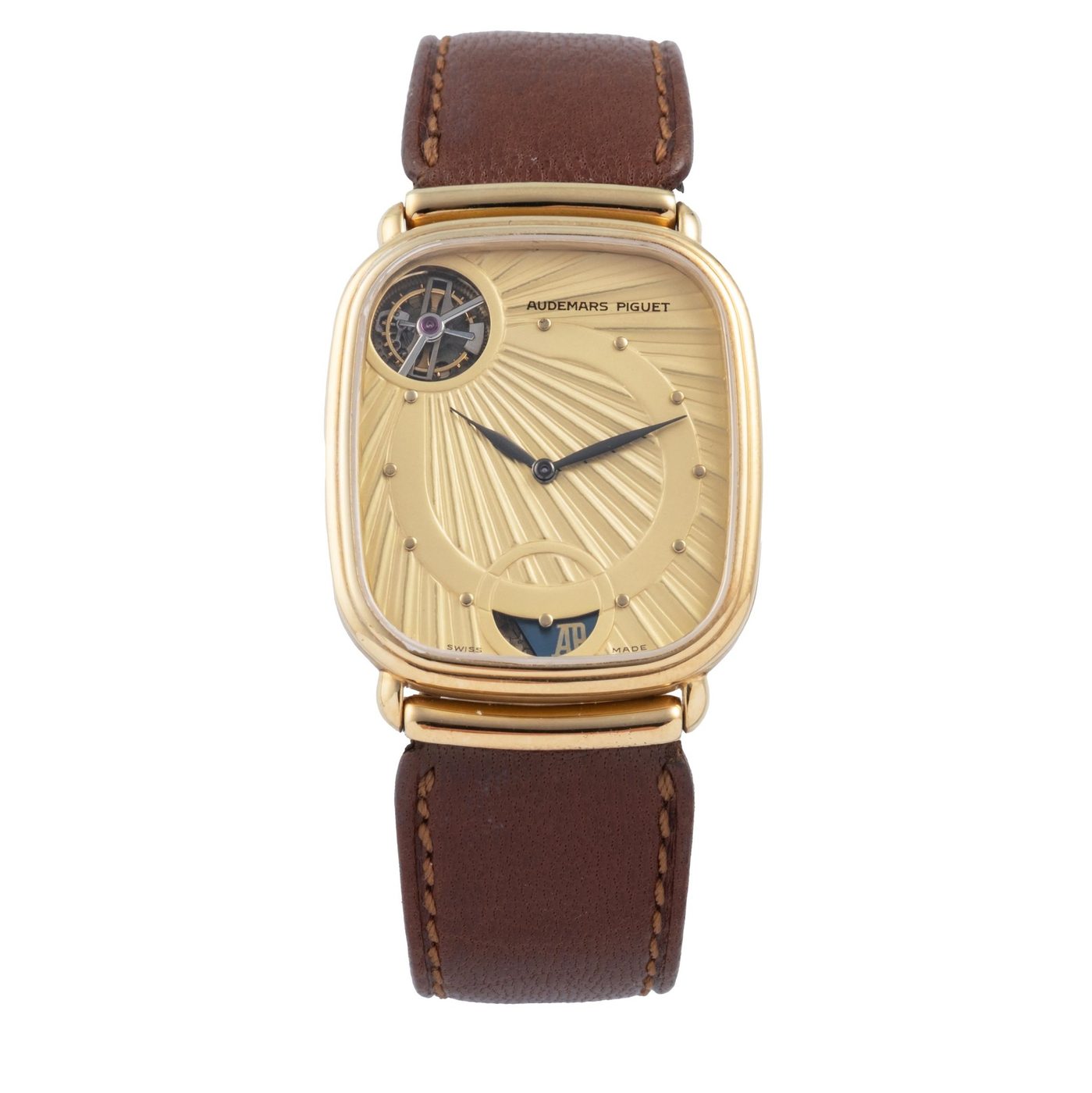
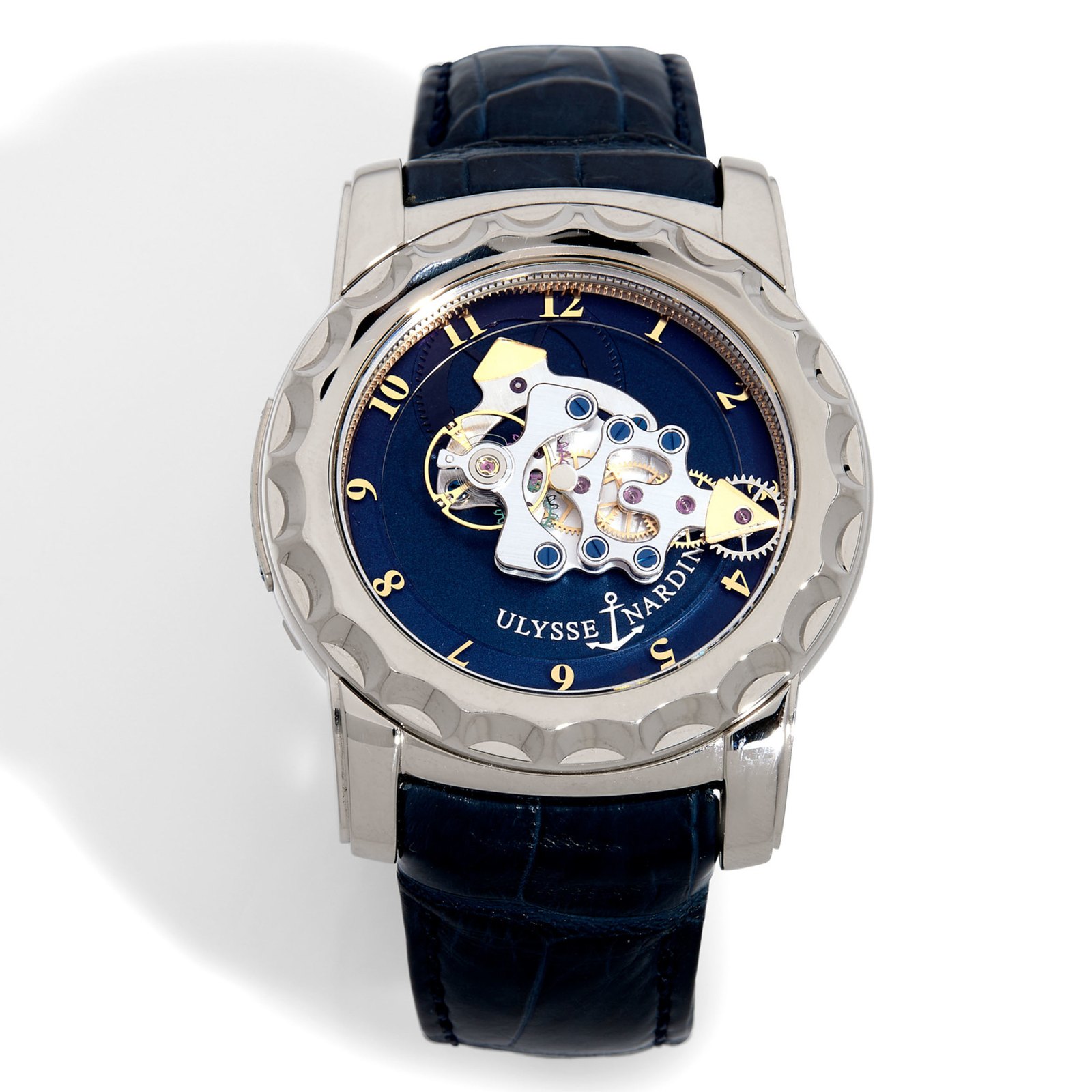
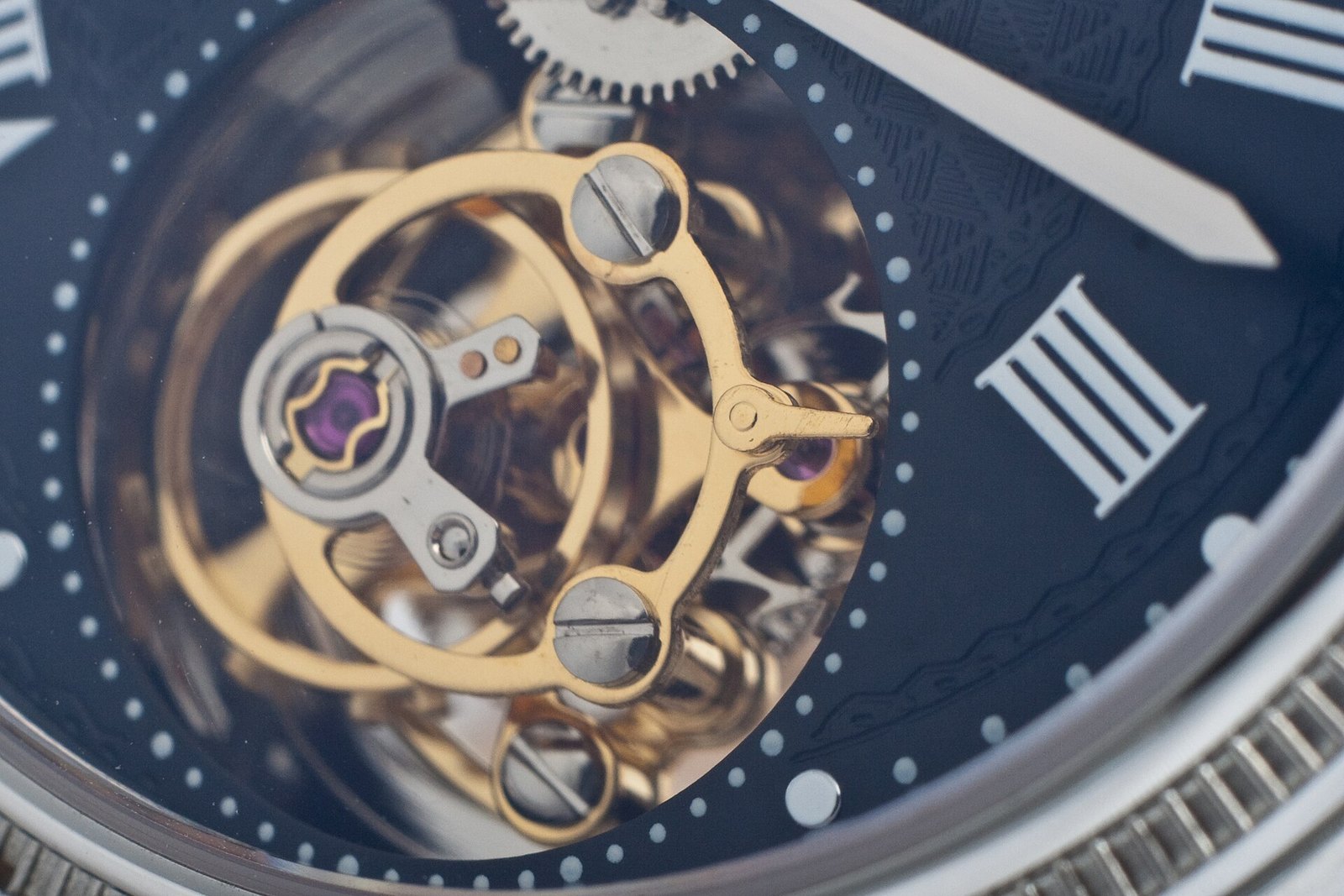
A wristwatch does not hang still in one position; it moves constantly and spends much of the night flat on a table. Many watchmakers therefore argue that the tourbillon's averaging matters far less on the wrist than in the pocket. After the Second World War, improved hairspring alloys, better poising and the demands of mass production made the tourbillon almost disappear. Omega built a small number of tourbillon wristwatches for observatory trials in the late 1940s. The modern revival began in the 1980s: Audemars Piguet's thin automatic tourbillon of 1986 is usually described as the first series-produced tourbillon wristwatch. Since then tourbillons have become a showcase of finishing and skill, often placed behind an aperture in the dial so the turning cage can be seen.
- Positional error comes from imperfect poise of the balance and from the way the hairspring 'breathes'.
- A tourbillon averages errors in the vertical positions over each turn of the carriage.
- It adds weight and energy demand; it must be exceptionally well made to help.
- In wristwatches its benefit is debated; its craft and spectacle are not.
Reading a tourbillon in a photograph or a catalogue
Look for a cage, usually with three or more arms, carrying the balance and escape wheel and turning around a central pivot, often seen through a dial opening. In older pocket watches the carriage is normally hidden under a bridge and only visible from the back. Catalogue descriptions sometimes call any rotating cage a tourbillon; if the carriage is driven from the third wheel and turns slowly, it is more accurately a karrusel. When writing about a tourbillon, record the rotation period if the source gives it, and avoid superlatives ('the first', 'the thinnest') unless a source states and defines them.
Practise
Turn a tourbillon carriage on and off in the Lab →
See it in the collection
Find tourbillon watches in the catalogue →
Check your understanding
Lesson quiz
0 of 4 answered