Chronometer and watchmaker
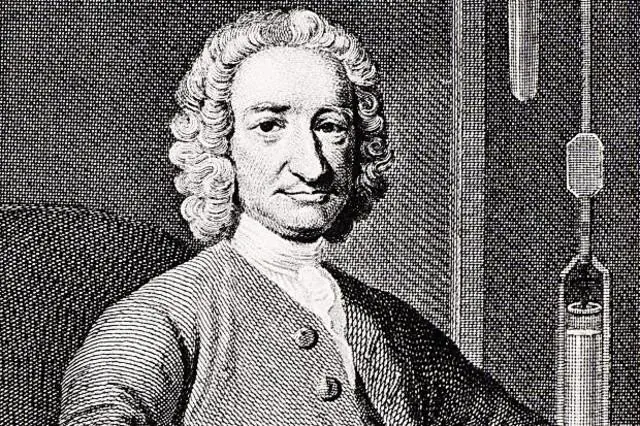
John Roger Arnold
Also recorded as: Arnold, John Roger · Jno. R. Arnold · Jno R Arnold · J. R. Arnold · John R. Arnold · Mr John R. Arnold · Arnold & Son
Son and partner of John Arnold who carried on the family's chronometer business and later worked with E. J. Dent.
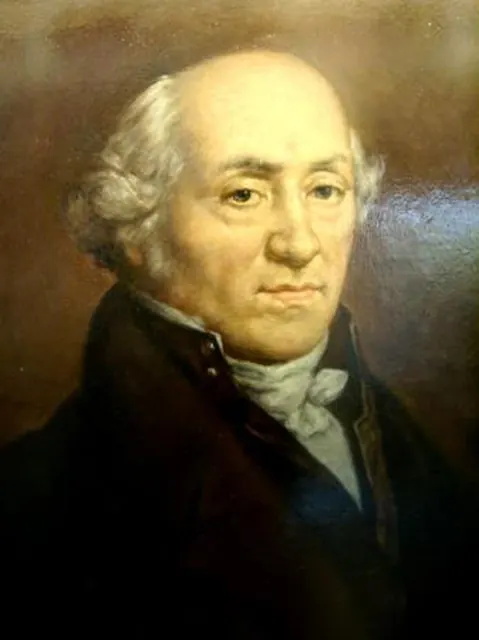
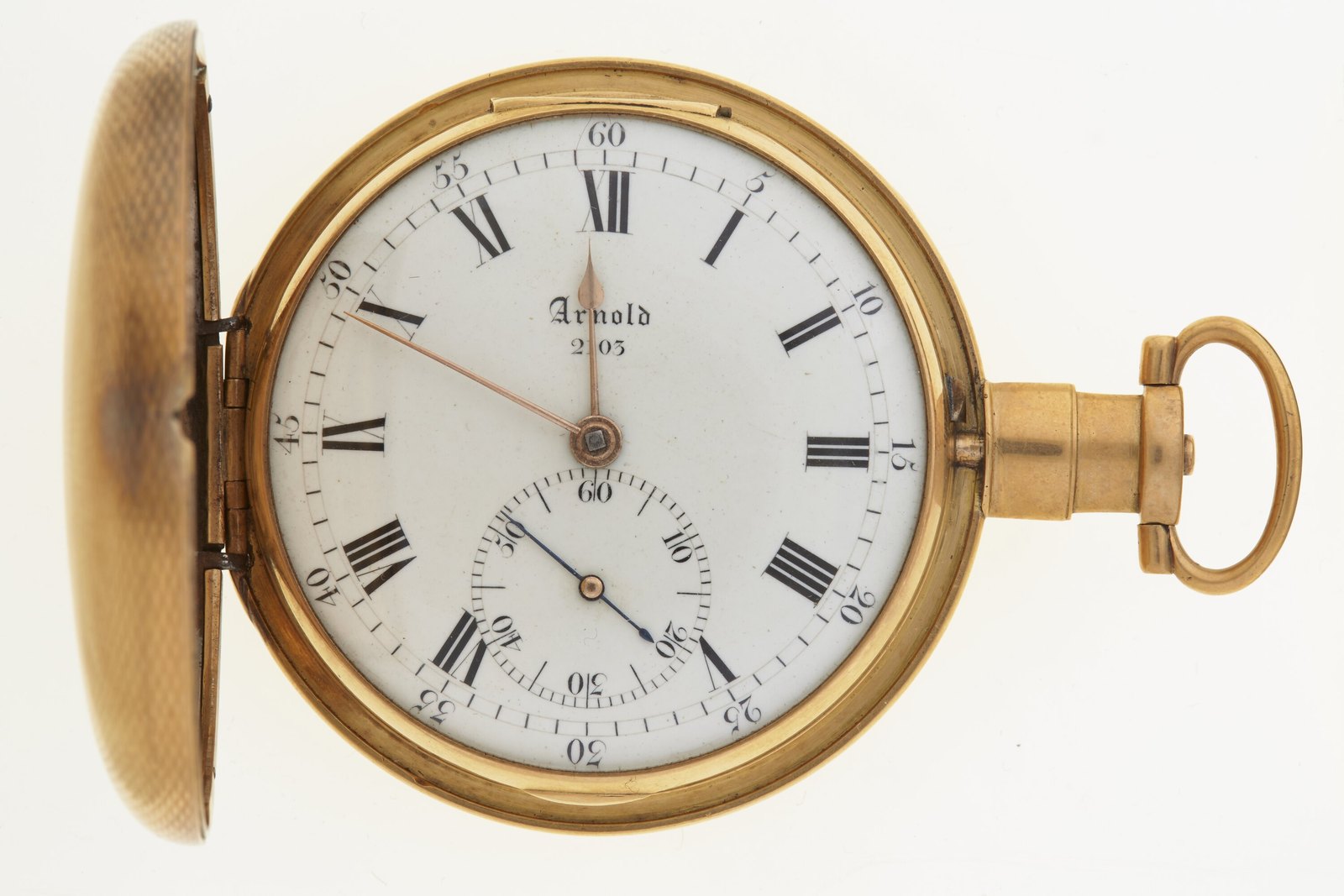
John Roger Arnold (1769–1843) was the son of the chronometer maker John Arnold. He trained with his father and, according to the usual accounts, spent time with Abraham-Louis Breguet in Paris before becoming his father's partner in the firm of Arnold & Son in the 1780s. After his father's death in 1799 he continued the business, making marine and pocket chronometers and fine watches.
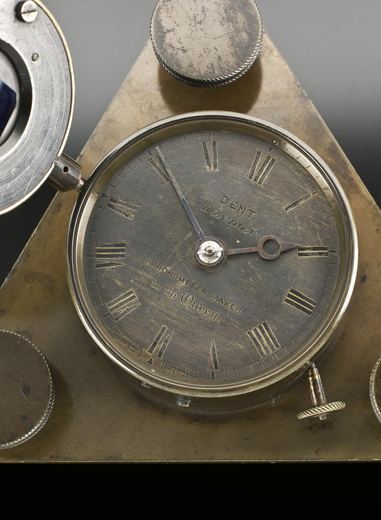
From 1830 to 1840 he was in partnership with Edward John Dent as Arnold & Dent. On his death in 1843 the business was bought by Charles Frodsham, who continued to use the Arnold name. Watches and chronometers signed 'Jno. R. Arnold' after 1843 are therefore Frodsham's products; watches from the 1770s and 1780s are his father's.
- Country
- England
- City / centre
- London
- Life / active
- 1769–1843
- Status
- Historical individual
- Key people
- John Roger Arnold (1769–1843); John Arnold (father); Edward John Dent (partner); Charles Frodsham (successor)
Innovations & specialities
- Marine and pocket chronometers continuing his father's spring detent design
- Arnold & Dent partnership (1830–1840)
Works by John Roger Arnold in the catalogue
All 14 records →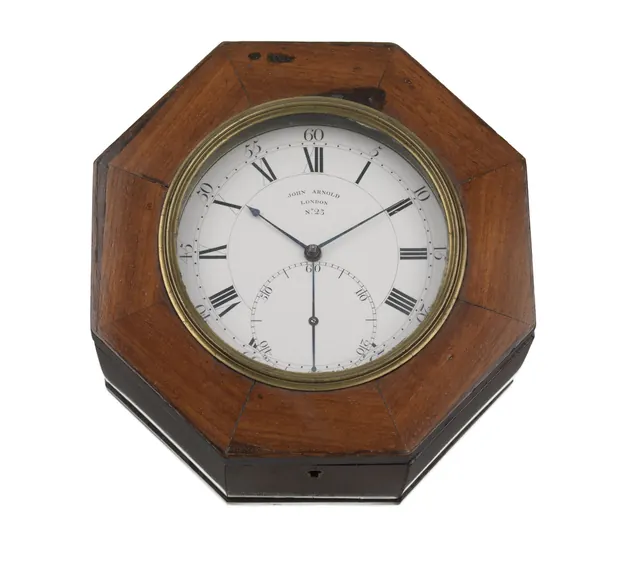
Instruments · c. 1784
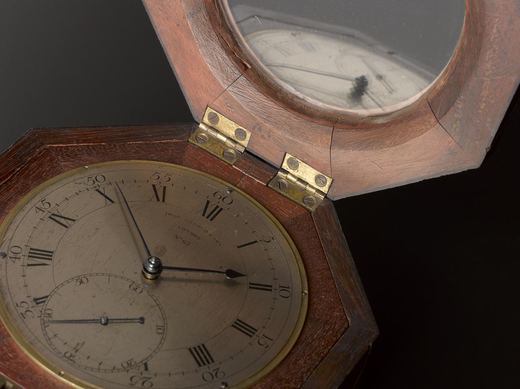
Marine chronometer no. 23 by John Roger Arnold
Royal Museums Greenwich
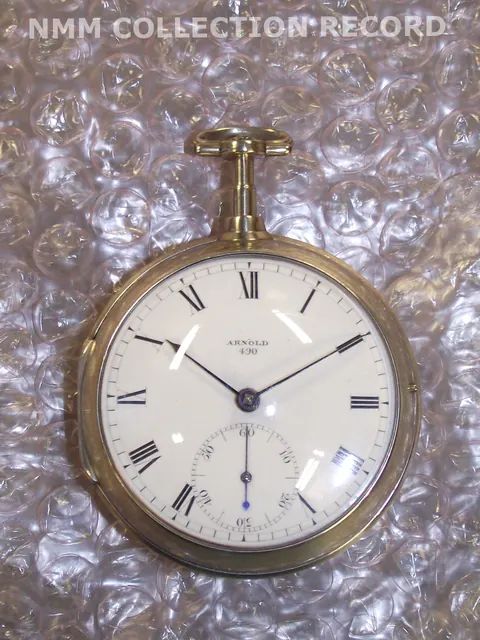
Pocket Watches · 1794–1795
Pocket chronometer no. 490 by John Roger Arnold
Royal Museums Greenwich
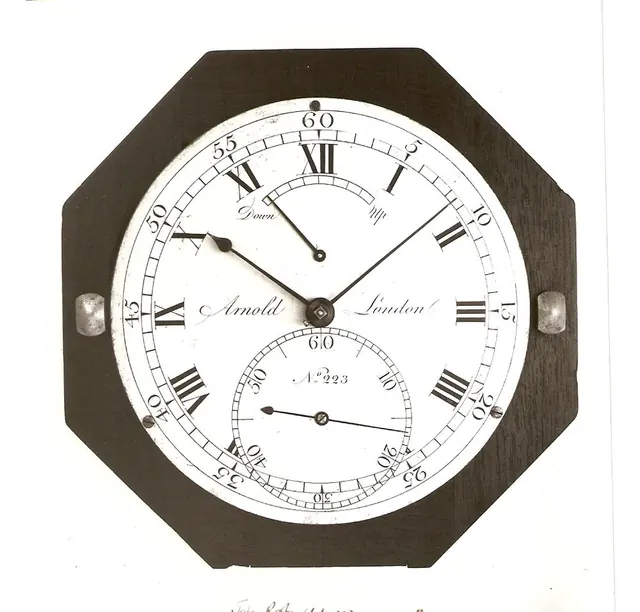
Instruments · 1804
Marine chronometer by John Roger Arnold
British Museum
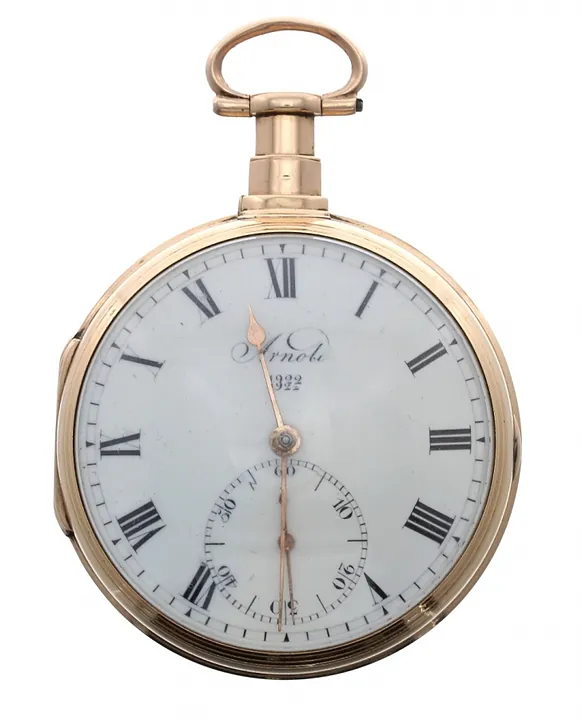
Pocket Watches · 1805 (hallmarked London)
18ct pocket chronometer by John Roger Arnold, London, hallmarked London 1805
Gardiner Houlgate (auction house), Corsham
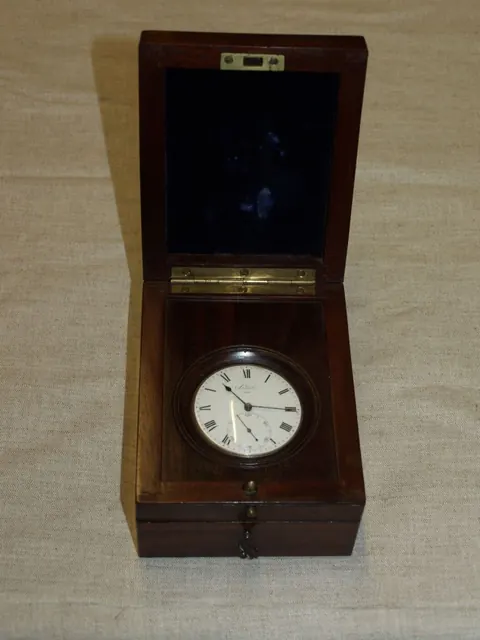
Instruments · 1807
Marine chronometer by John R. Arnold, 1807
Tiedemuseo Liekki
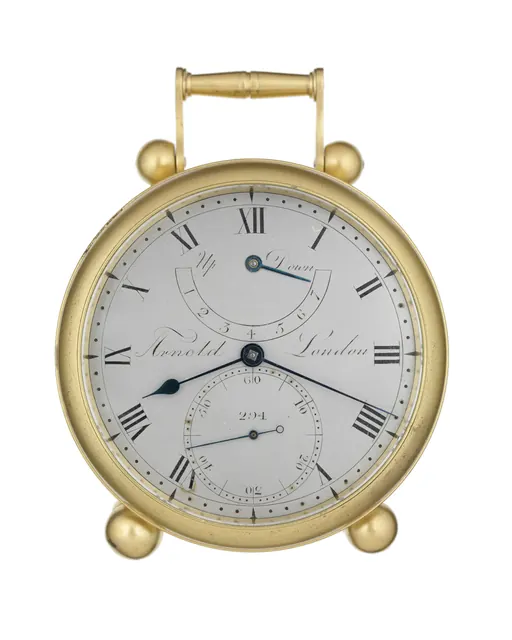
Instruments · c. 1807
Marine chronometer no. 294 by John Roger Arnold
Royal Museums Greenwich
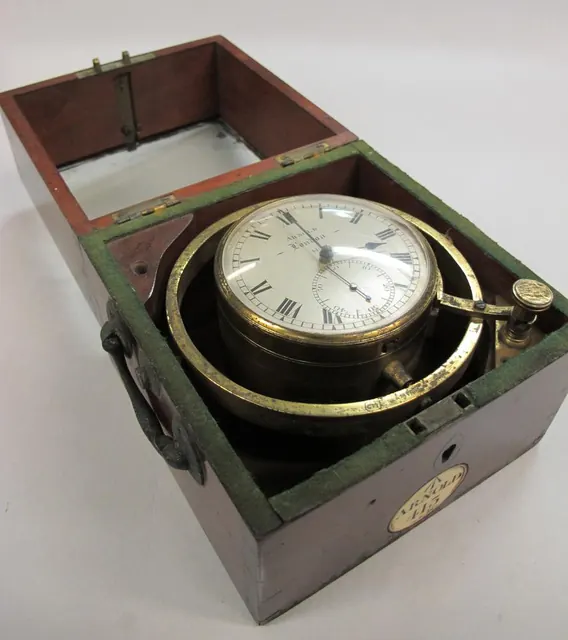
Instruments · 1813
Marine chronometer by John Roger Arnold
British Museum
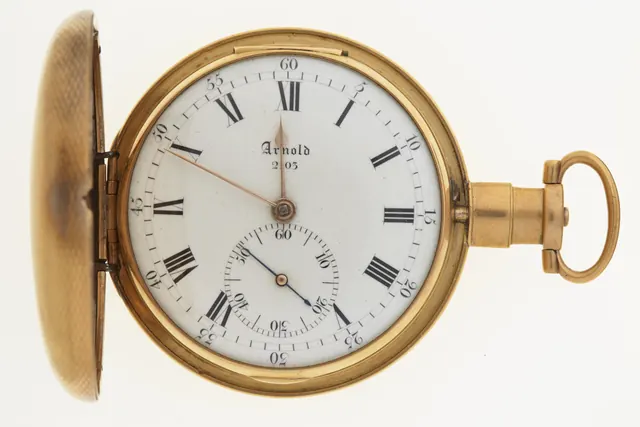
Pocket Watches · c. 1815
Pocket Watch - John R. Arnold, c. 1815
Museums Victoria, Melbourne
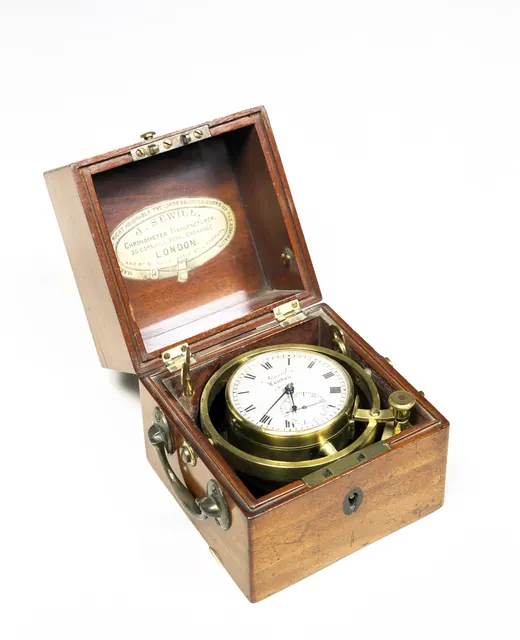
Instruments · c. 1818
Chronometer no. 508 by John Roger Arnold
Royal Museums Greenwich
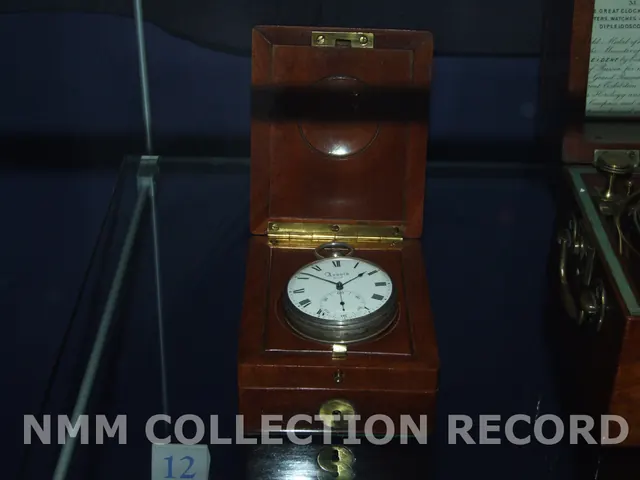
Pocket Watches · 1818–1819
Pocket chronometer no. 2168 by John Roger Arnold
Royal Museums Greenwich
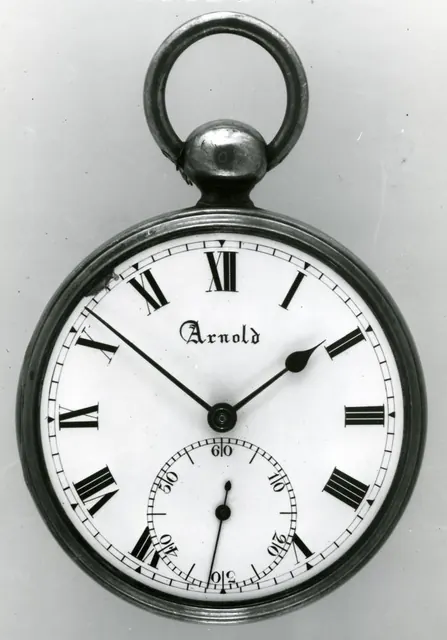
Instruments · 1818 (case)
Silver-cased subsidiary seconds pocket-chronometer with spring detent escapement
British Museum
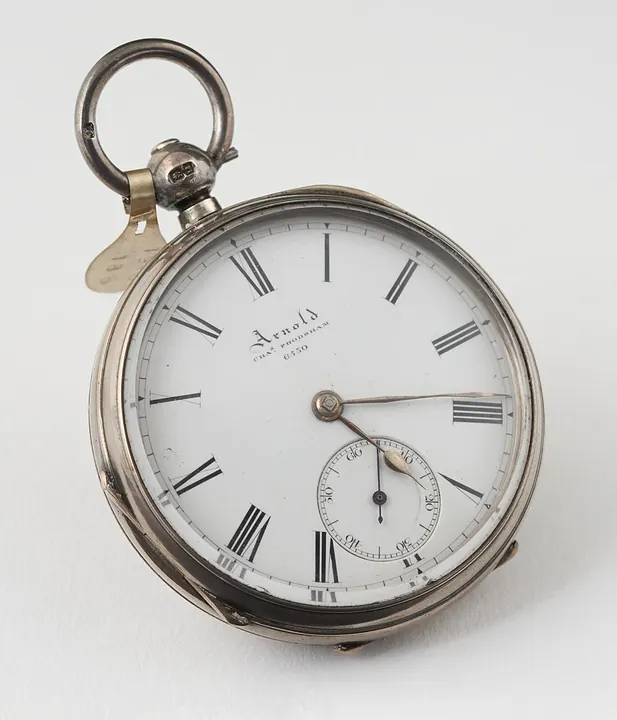
Instruments · hallmarked 1833; 1820-1833
Chronometer watch in silver case by J.R. Arnold, Chas Frodsham, no.6530, 3/4 -plate movement, 1820-1833
Science Museum Group, London
Linked through the Atlas maker authority list, which reconciles the spellings used by different institutions. Attributions are as stated by each holding institution or auction house.
Read and see more
Magazine features
- Old Clock Brands: How to Identify the Maker of an Antique or Vintage Clock
Seth Thomas, Ansonia, Ingraham, Junghans, Gustav Becker, Kienzle, Japy, Smiths, Jaeger-LeCoultre — the clock makers whose names turn up most often on mantelpieces, in attics and at auction, where they worked, what they made, and where to look on a clock for the marks that identify it.
- The English Pocket Watch, 1650–1900: Pair Cases, Verge to Lever, and the Trade Behind the Name
For a century after the balance spring, London set the standard for the pocket watch. How the English watch changed — from single-hand verge watches in leather pair cases to fusee levers made for railway staff — and how to read the case, dial and movement of one, with examples from seven collections.
- After Harrison: How Le Roy, Arnold and Earnshaw Turned the Marine Timekeeper into an Industry
Harrison proved that a watch could find longitude. It took another half-century of French and English invention — the detent escapement, the compensation balance and the helical balance spring — to make a timekeeper that navies could buy by the hundred.
Academy lessons
- Servicing a mechanical watch or clock: what an overhaul involves, how often, and everyday care
17 min · Why mechanical watches and clocks need servicing, what a watchmaker does in a full overhaul, how often the makers recommend it, the warning signs that a service is due, how to protect a vintage watch's original parts, and everyday care for watches and clocks — with repairers' marks, service papers and timing machines from the catalogue.