Manufacturer
Swatch
Also recorded as: Swatch AG · Swatch Group · SMH
The plastic quartz watch of 1983 that helped the Swiss industry recover from the quartz crisis.
The Swatch was developed at ETA in Grenchen under Ernst Thomke by the engineers Elmar Mock and Jacques Müller and launched in 1983. Its quartz movement was built directly into a plastic case, with the number of parts reduced to 51 and the case sealed by ultrasonic welding, so that it could be made largely by machine at a low price. Marketed as a fashion accessory with constantly changing designs, it sold in enormous numbers.
The success of the Swatch was central to the recovery of the Swiss watch industry after the crisis of the 1970s. The groups ASUAG and SSIH merged in 1983 to form SMH under Nicolas G. Hayek, renamed the Swatch Group in 1998, which now owns many of the Swiss brands in this Atlas.
- Country
- Switzerland
- City / centre
- Grenchen; Biel/Bienne
- Founded
- 1983
- Status
- Active
- Key people
- Ernst Thomke; Elmar Mock; Jacques Müller; Nicolas G. Hayek
Innovations & specialities
- Quartz watch with 51 parts in a welded plastic case (1983)
Works by Swatch in the catalogue
Open in the catalogue →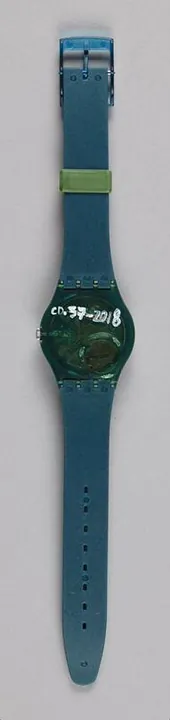
Pocket Watches · 1985–1991
Swatch dummy watch: Blue Leaves GN104 design
Victoria and Albert Museum, London
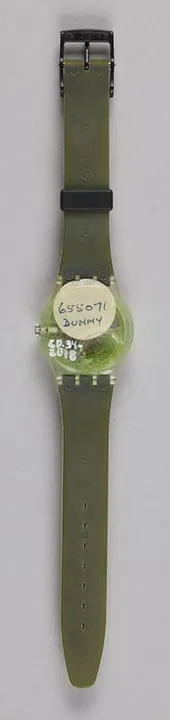
Pocket Watches · 1985–1991
Swatch dummy watch: Technosphere GK101 design
Victoria and Albert Museum, London
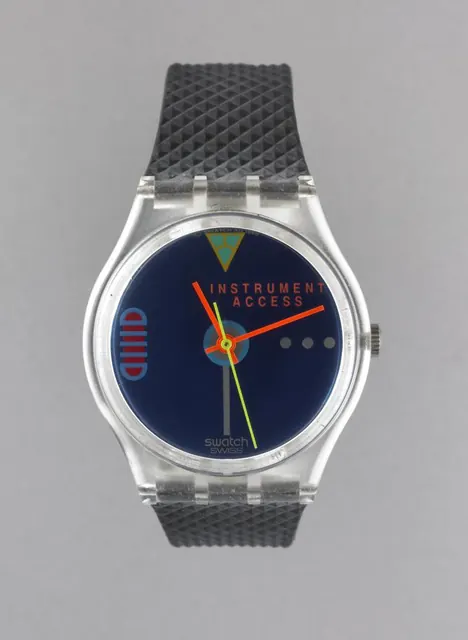
Wristwatches · 1988
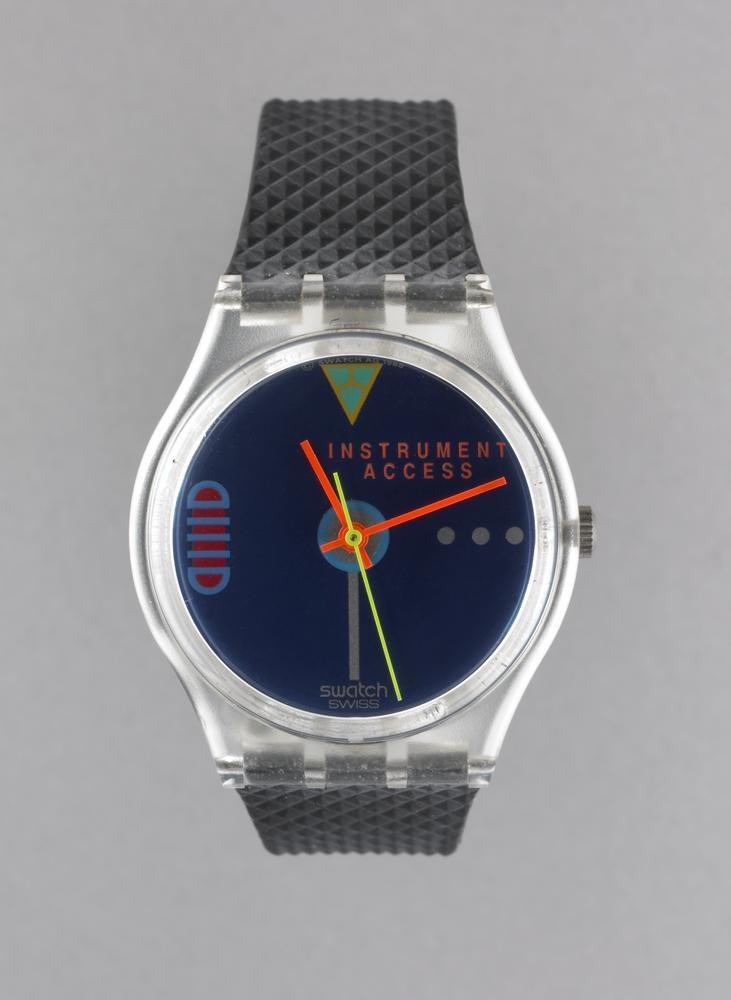
Battery-powered quartz controlled swatch wrist-watch with blue dial and orange hands
British Museum
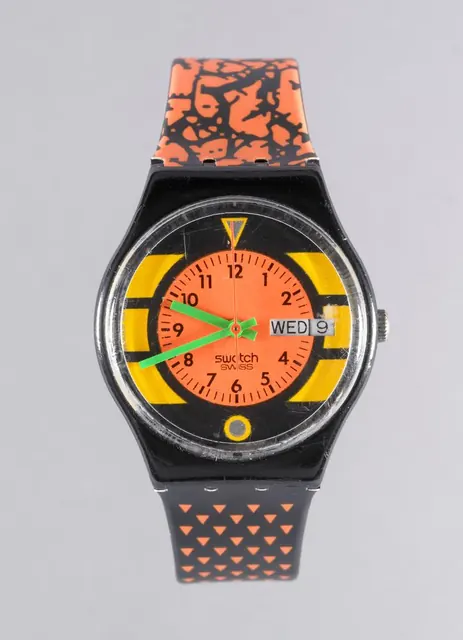
Wristwatches · 1988
Wrist-watch Black plastic case with a screw-on battery compartment cover
British Museum
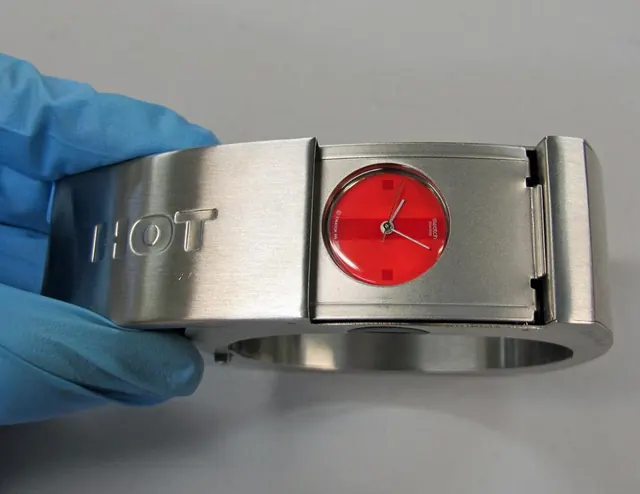
Wristwatches · 2001
Quartz Wristwatch by Swatch
British Museum
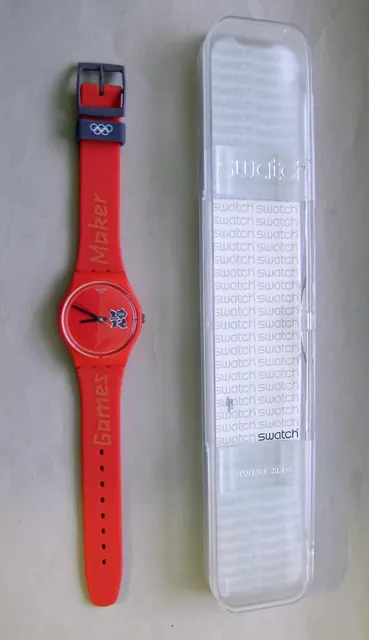
Wristwatches · 2012 (year of issue)
Wrist-watch Clear plastic presentation box with instruction leaflet
British Museum
Linked through the Atlas maker authority list, which reconciles the spellings used by different institutions. Attributions are as stated by each holding institution or auction house.
Read and see more
Magazine features
- Glashütte: The History of German Fine Watchmaking, from Lange to Today
How a poor mining town in the Ore Mountains became Germany's watchmaking capital: Ferdinand Adolph Lange's workshop of 1845, the three-quarter plate, the watchmaking school, the observation watches of the Second World War, forty years as the state-owned GUB, and the revival of Lange, Glashütte Original and Nomos after 1990 — told through the watches themselves.
- From Bracelet to Smartwatch: How the Wristwatch Conquered the World, 1800–2018
For three centuries a watch lived in a pocket. Then, within a single lifetime, it moved to the wrist — carried there by jewellers, soldiers, aviators and divers — and became waterproof, self-winding, electric, electronic and finally a computer. A history of the wristwatch told through objects in the Atlas catalogue.
- Christmas Day, 1969: The Seiko Astron and the Quartz Revolution
How a gold watch released in Tokyo — with a crystal vibrating 8,192 times a second — reshaped the global watch industry within fifteen years.
Where to see related work
- Deutsches Uhrenmuseum Glashütte
Glashütte, Germany
Listed because the directory entry names Swatch; displays change, so check with the institution before visiting.