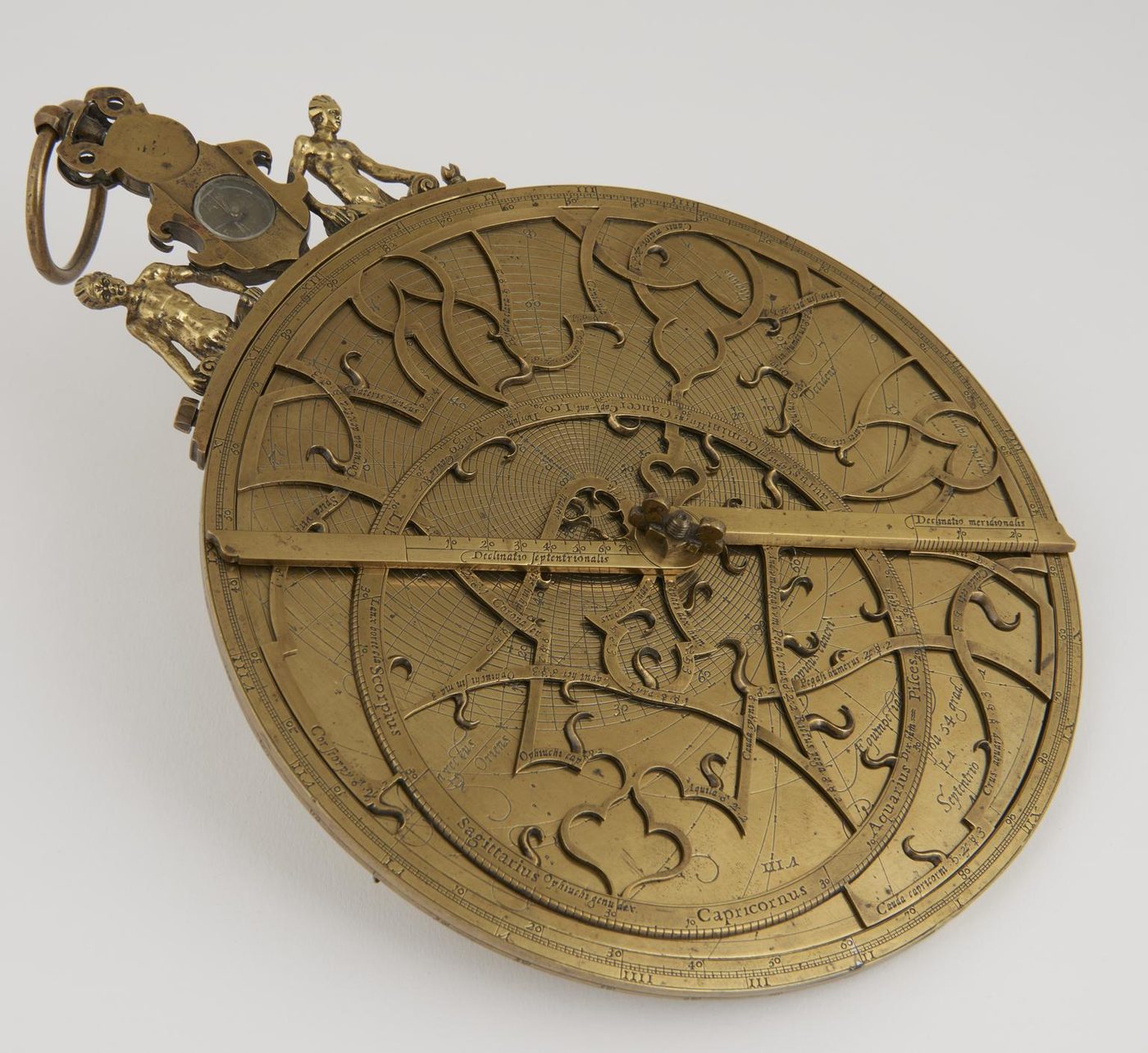
Instrument-making workshop
Gualterus Arsenius
Also recorded as: Arsenius, Gualterus · Gualterius, Arsenius · Walter Arsenius · Ferdinand Arsenius · Rennerus Arsenius · Regnier Arsenius · Ferdinandus Arsenius · Ferdinandus [Grabador] Arsenius · Arsenius, Gualterus; Arsenius, Ferdinand
Leuven workshop of Gemma Frisius's nephew, whose astrolabes were sought after across Europe.
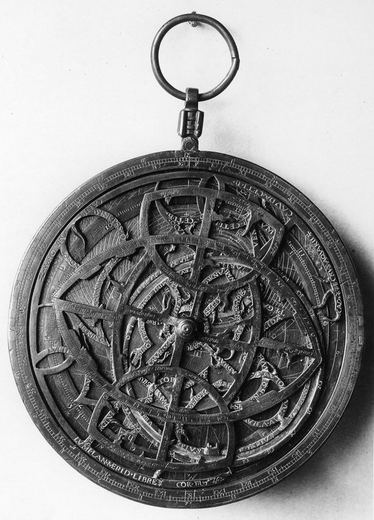
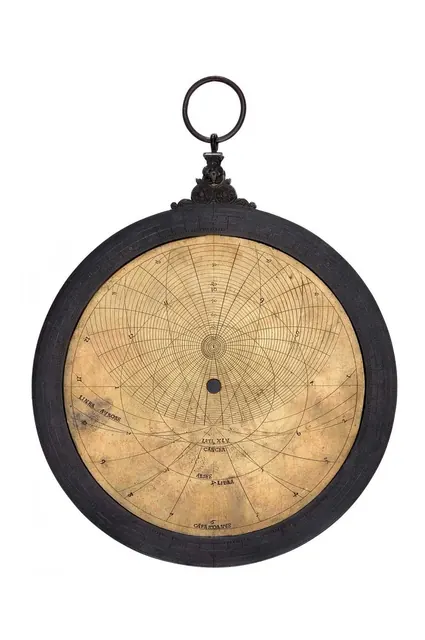
Gualterus Arsenius, nephew of Gemma Frisius, made astrolabes, armillary spheres and other instruments in Leuven from the 1550s, and his sons Ferdinand and Regnier (Rennerus) continued the business, later also in Antwerp. Arsenius astrolabes are recognisable by their elegant retes and careful engraving and were owned by princes, prelates and scholars; examples survive in collections from Florence to London. Museum records sometimes divide the work between father and sons, and attributions within the workshop are not always certain.
- Country
- Low Countries (Spanish Netherlands)
- City / centre
- Leuven; Antwerp
- Founded
- Active c. 1554–1618 (family)
- Status
- Historical family workshop
- Key people
- Gualterus Arsenius; Ferdinand Arsenius; Regnier Arsenius
Innovations & specialities
- Planispheric astrolabes in the Leuven style
- Armillary spheres
Works by Gualterus Arsenius in the catalogue
Open in the catalogue →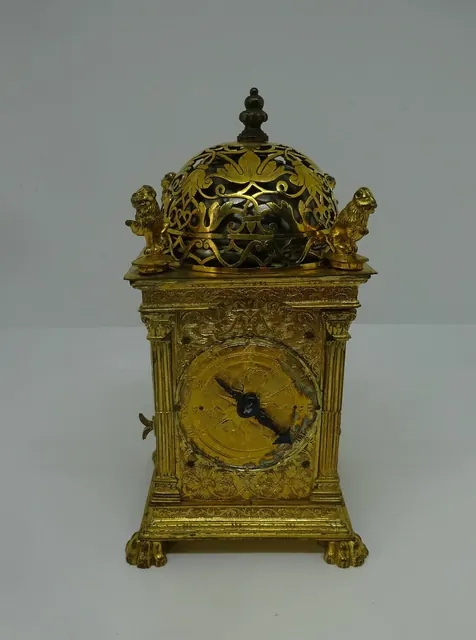
Clocks · 1550–1600
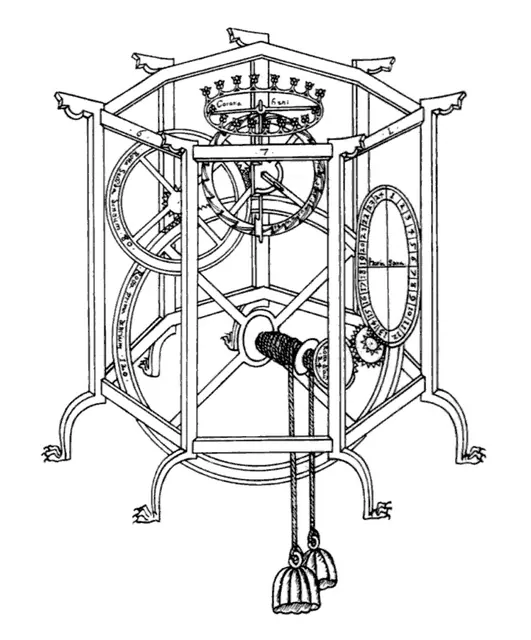
Wall clock by Arsenius Gualterius, Germany, 1550–1600
Musée du Louvre, Paris
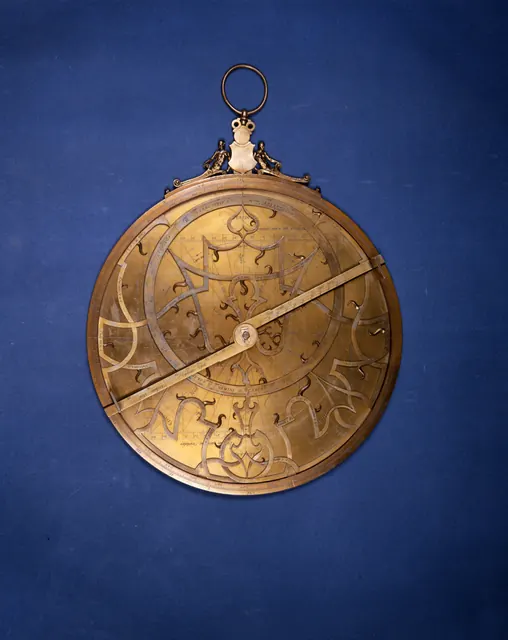
Instruments · 1564
Astrolabe: Western, multiple-type
Adler Planetarium, Chicago
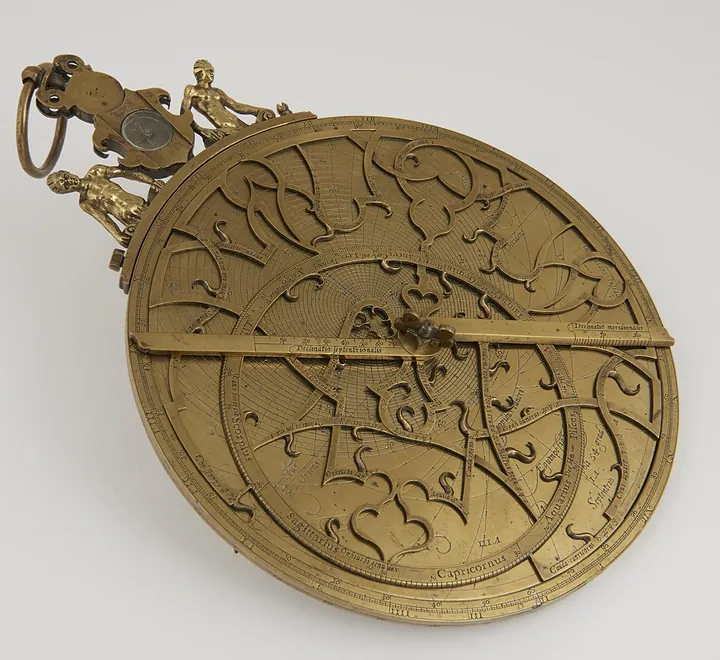
Instruments · 1565–1575
Astrolabe by Gualterus Arsenius and Ferdinand Arsenius, Belgium, 1565–1575
Science Museum Group, London
Instruments · 1565
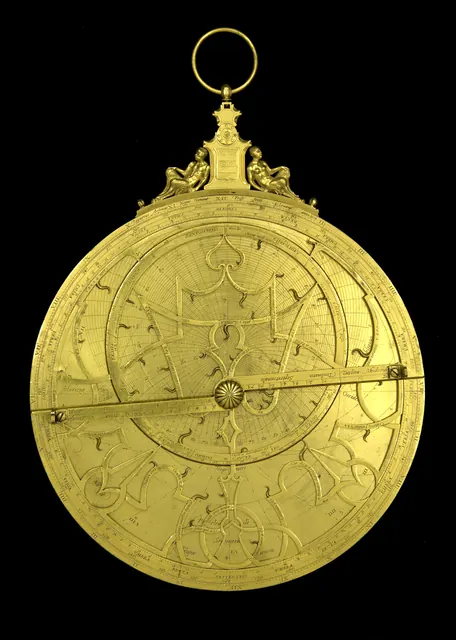
Astrolabe by Rennerus Arsenius, 1565
History of Science Museum, University of Oxford
Instruments · 1569
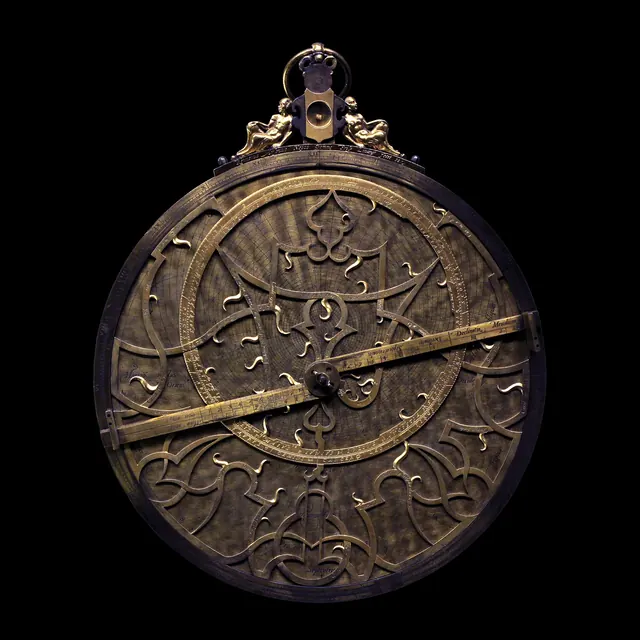
Rennerus Arsenius astrolabe - CnAM 3907
Conservatoire national des Arts et Métiers
Instruments · c. 1570
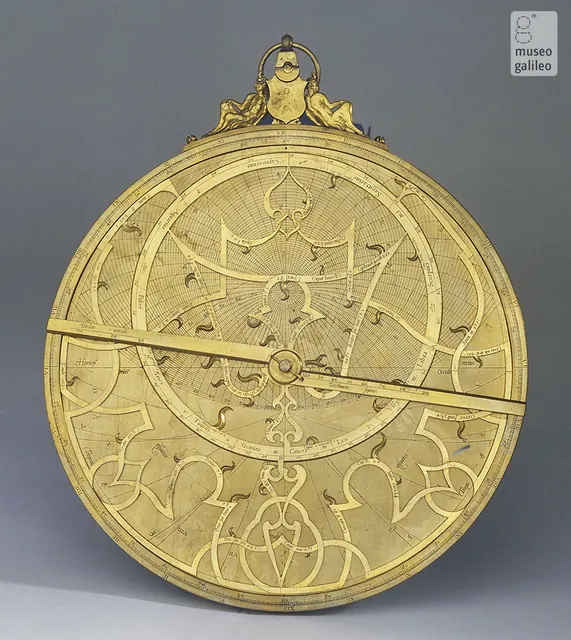
Astrolabe attributed to Gualterus Arsenius, Belgium, c. 1570
Museo Galileo, Florence
Instruments · 1572
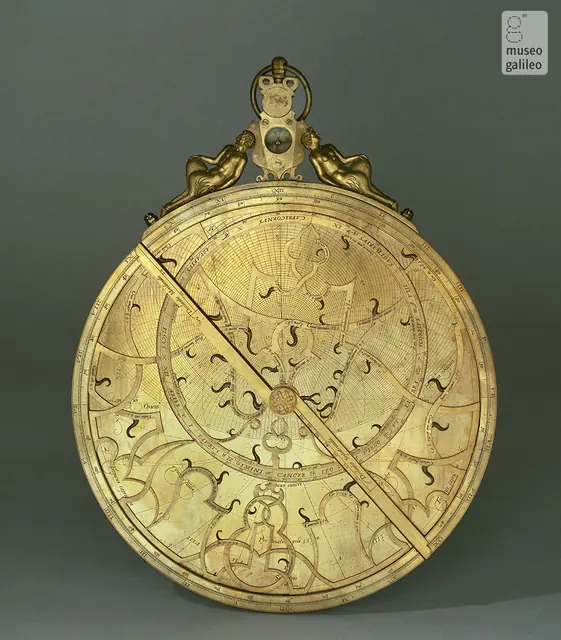
Astrolabe by Gualterus Arsenius, Belgium, 1572
Museo Galileo, Florence
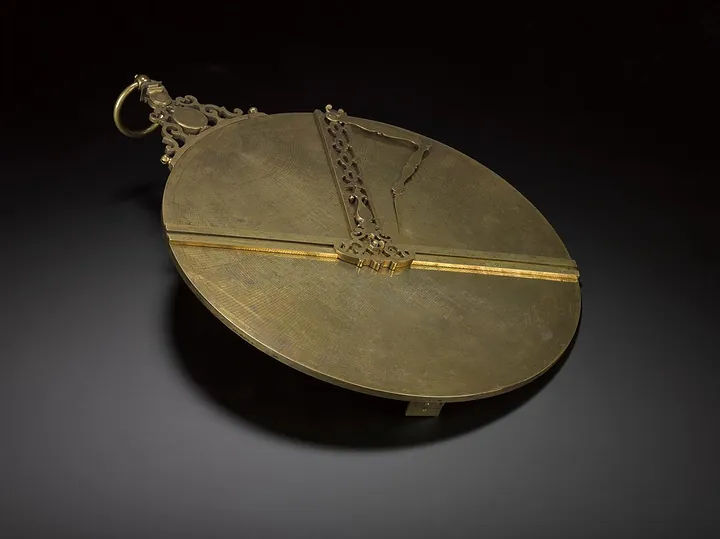
Instruments · 1607–1618
Astrolabe made by Ferdinand Arsenius, Antwerp, Flanders, 1607–1618.
Science Museum Group, London
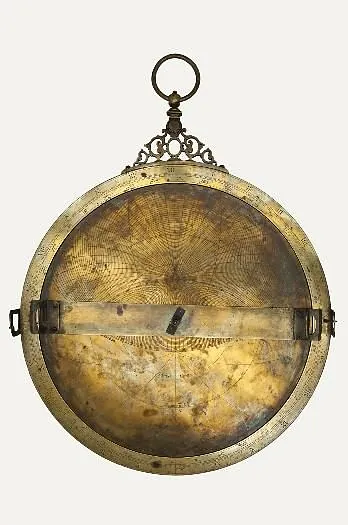
Instruments · 1618
Astrolabe by Ferdinandus [Grabador] Arsenius, Belgium, 1618
National Archaeological Museum
Linked through the Atlas maker authority list, which reconciles the spellings used by different institutions. Attributions are as stated by each holding institution or auction house.
Read and see more
Magazine features
- The Astrolabe: Telling Time by the Sun and Stars, from Alexandria to Lahore
For a thousand years the astrolabe was the most sophisticated timekeeping instrument in the world. How a flat brass disc models the sky, how it was used to find the hour and the direction of prayer, and how to read the hundreds of surviving examples in museum collections.