Enamellers (family workshop)
Huaud family
Also recorded as: Huaud Frères · Les Frères Huaud · Huaud freres · Jean-Pierre Huaud · Amy Huaud · Ami Huaud · Pierre Huaud · Pierre Huaud II · Huaut
Geneva family of painters on enamel whose watch cases and dials were used by watchmakers across Europe.
Pierre Huaud (1612–1680), a goldsmith from Châtellerault in France, settled in Geneva and became a painter on enamel. His three sons — Pierre (1647–1698), Jean-Pierre (1655–1723) and Amy or Ami (1657–1724) — continued the work, often signing jointly as 'les frères Huaud'. Jean-Pierre and Amy spent several years in the 1680s and 1690s in Berlin as court painters to the Elector of Brandenburg before returning to Geneva.
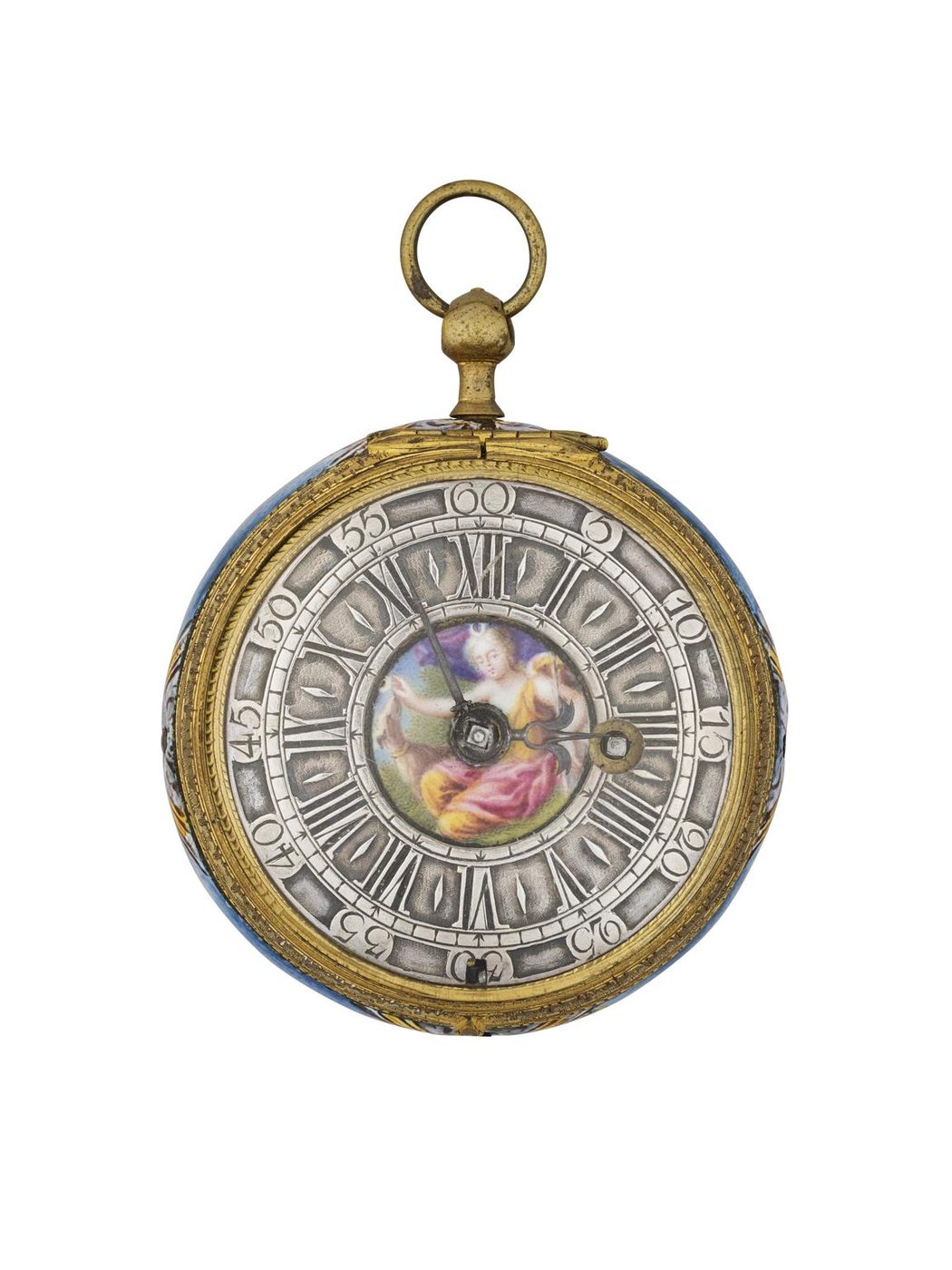
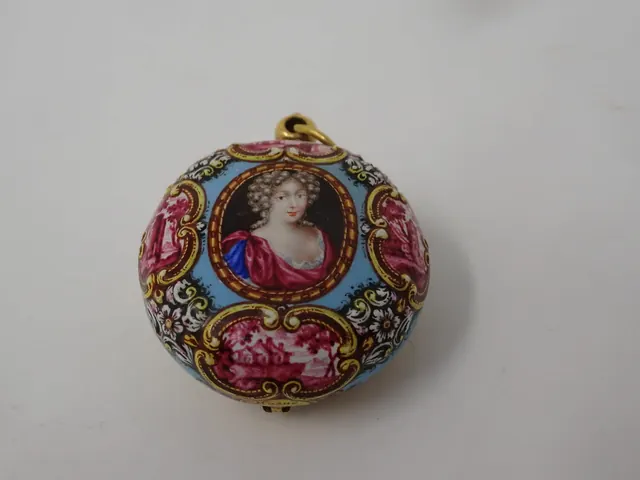
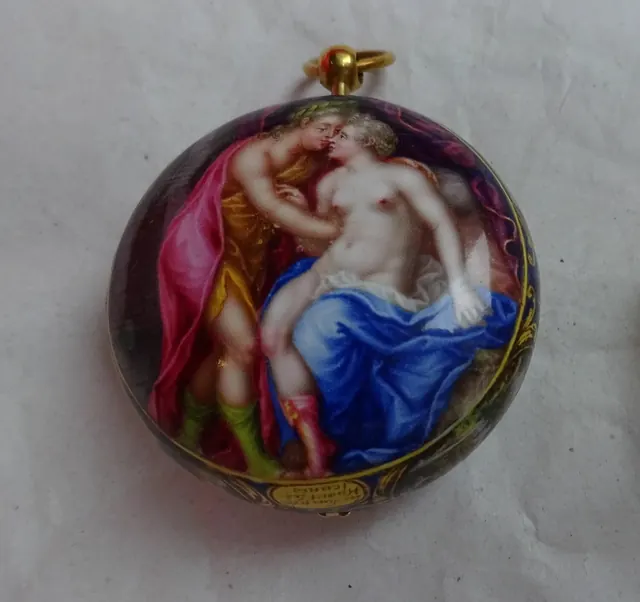
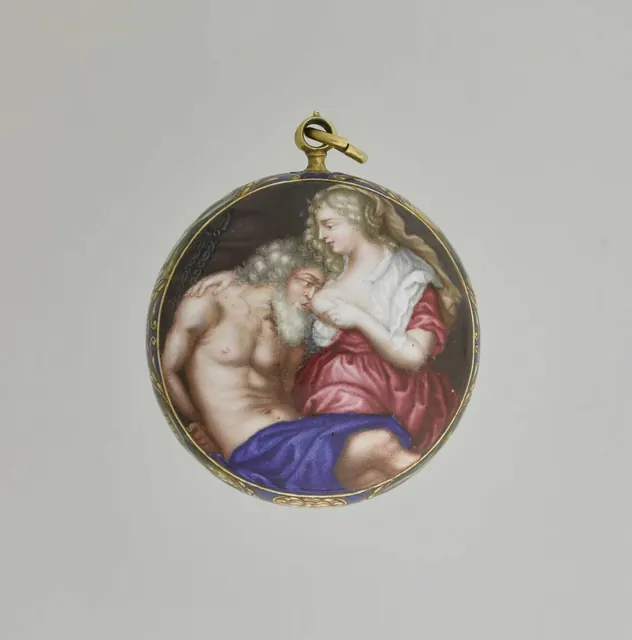
The Huauds painted watch cases and dials in bright, opaque enamel colours with mythological and pastoral scenes, portraits and landscapes, and their cases were fitted to movements by makers in Geneva, Paris, London and elsewhere — the Science Museum Group holds a London watch by Daniel Quare in a Huaud case. Some museum records give dates earlier than the brothers' working lives; the Atlas shows the museum's date and flags the conflict on the record.
- Country
- Switzerland (Geneva) / Brandenburg-Prussia
- City / centre
- Geneva; Berlin
- Founded
- c. 1630s–1724
- Status
- Historical family workshop
- Key people
- Pierre Huaud (1612–1680); Pierre Huaud II (1647–1698); Jean-Pierre Huaud (1655–1723); Amy Huaud (1657–1724)
Innovations & specialities
- Painted enamel watch cases and dials
- Signed joint work by 'les frères Huaud'
Works by Huaud family in the catalogue
All 17 records →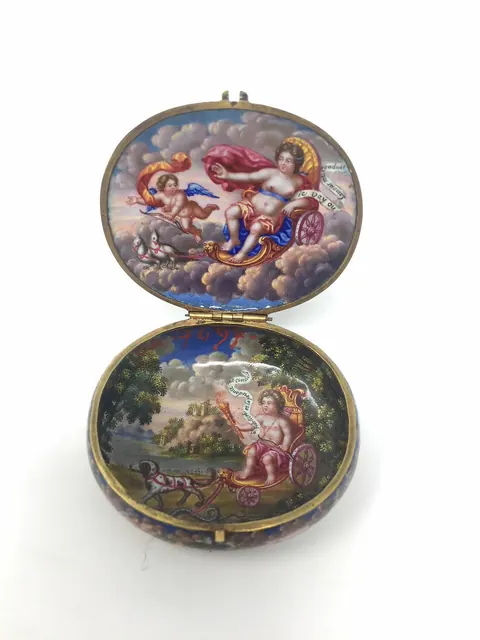
Movements & Components · 1600–1650
Watch case by Jean-Pierre Huaud, Switzerland, 1600–1650
Musée du Louvre, Paris
Pocket Watches · 1650–1675
Watch by Jean-Pierre Huaud, Switzerland, 1650–1675
Musée du Louvre, Paris
Pocket Watches · 1675–1700 (case); 1700–1725 (movement)
Watch by Abraham Fromanteel, England, 1675–1725
Musée du Louvre, Paris
Pocket Watches · 1675–1700 (case); 1700–1750 (movement)
Watch by Jean-Pierre Huaud, 1675–1750
Musée du Louvre, Paris
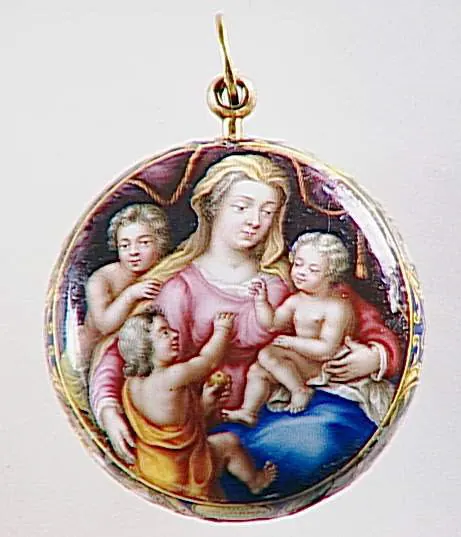
Pocket Watches · 1675–1700 (case); 1700–1725 (movement and dial)
Watch by Jean-Pierre Huaud, England, 1675–1725
Musée du Louvre, Paris
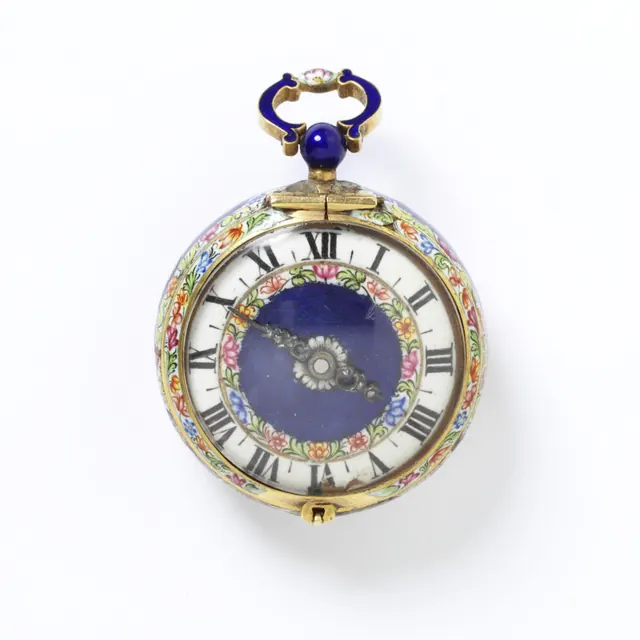
Pocket Watches · 1680
Watch by Pierre Duhamel, Switzerland, 1680
Victoria and Albert Museum, London
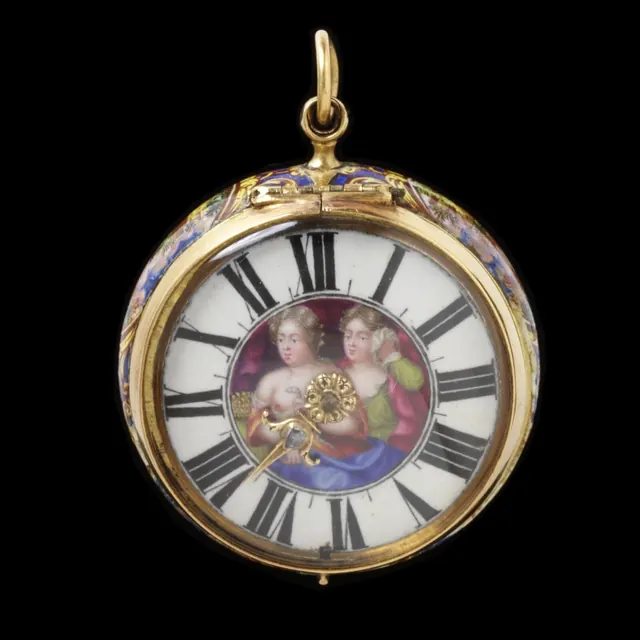
Pocket Watches · probably 1682-86
Watch and case by Ami Huaud, Switzerland, probably 1682-86
Victoria and Albert Museum, London
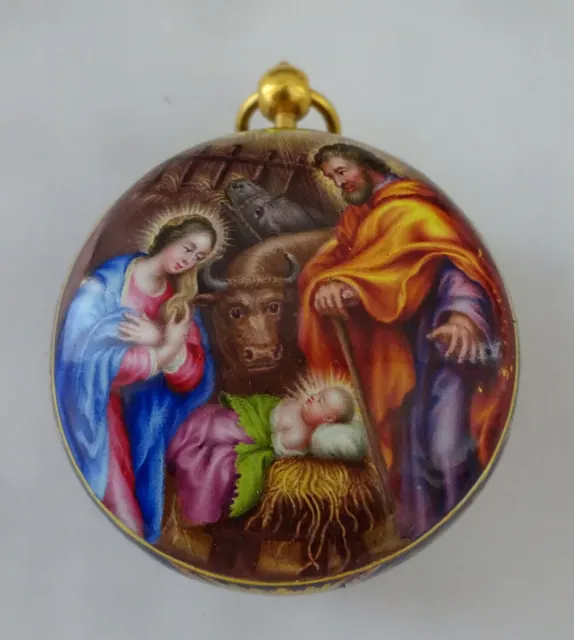
Pocket Watches · 1682–1686 (case); 1725–1750 (movement)
Watch by Julien Le Roy, France, 1682–1750
Musée du Louvre, Paris
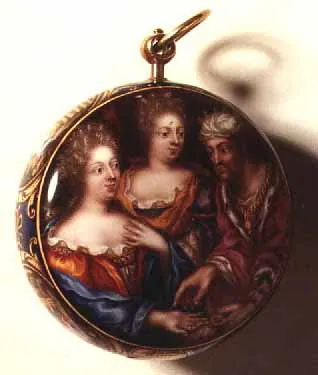
Pocket Watches · 1685–1700
Watch by Jean-Pierre Huaud, Switzerland, 1685–1700
Musée du Louvre, Paris
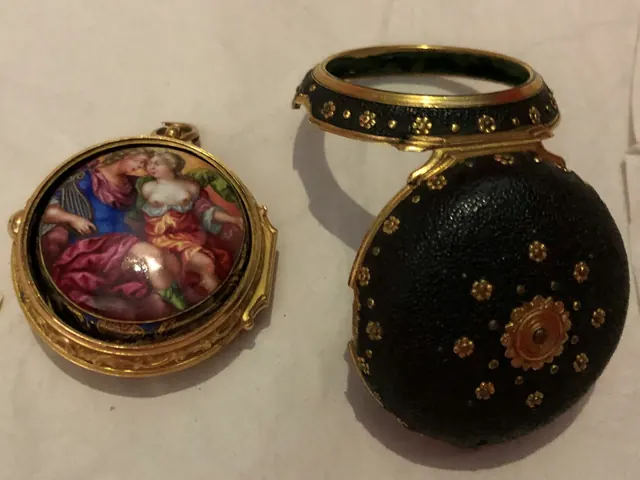
Pocket Watches · 1685–1700
Watch by Olard, Switzerland, 1685–1700
Musée du Louvre, Paris
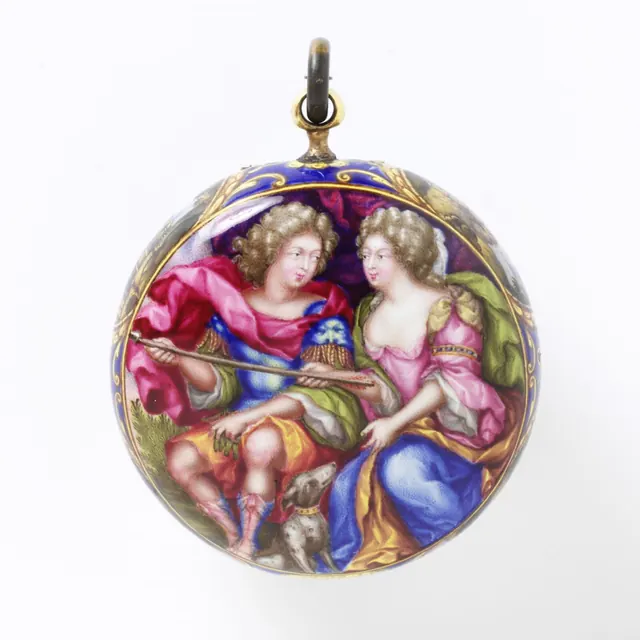
Pocket Watches · probably 1686-1700
Watch and pair case by Jean de Choudens, Germany, probably 1686-1700
Victoria and Albert Museum, London
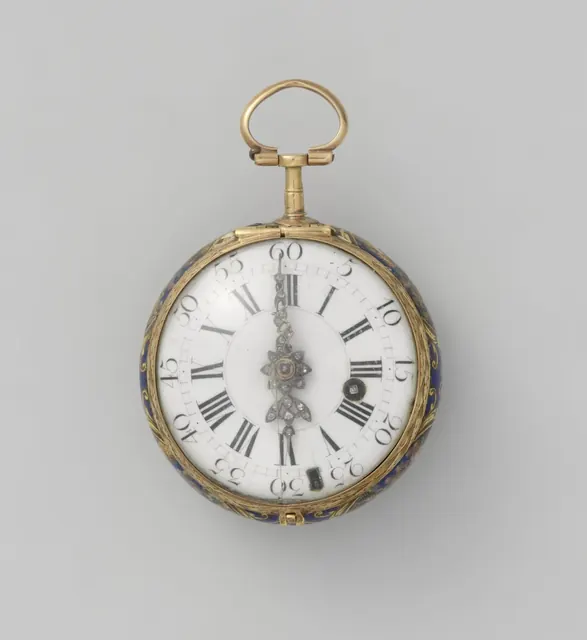
Pocket Watches · c. 1700
Watch by Amy Huaud, c. 1700
Rijksmuseum
Linked through the Atlas maker authority list, which reconciles the spellings used by different institutions. Attributions are as stated by each holding institution or auction house.
Read and see more
Magazine features
- Painted in Fire: Enamel Watches of Paris, Blois, Geneva and The Hague, 1630–1700
Around 1630 French enamellers learned to paint miniature pictures in fired colour, and for seventy years the watch case became one of the most luxurious picture surfaces in Europe. How the technique worked, where the painters found their images, why so many cases now hold later movements, and what eighteen watches from five collections reveal.
- The English Pocket Watch, 1650–1900: Pair Cases, Verge to Lever, and the Trade Behind the Name
For a century after the balance spring, London set the standard for the pocket watch. How the English watch changed — from single-hand verge watches in leather pair cases to fusee levers made for railway staff — and how to read the case, dial and movement of one, with examples from seven collections.