Mathematician / instrument designer
Gemma Frisius
Also recorded as: Frisius, Gemma · Gemma Reinerus Frisius
Leuven mathematician who proposed finding longitude with a timekeeper and designed astrolabes and globes.
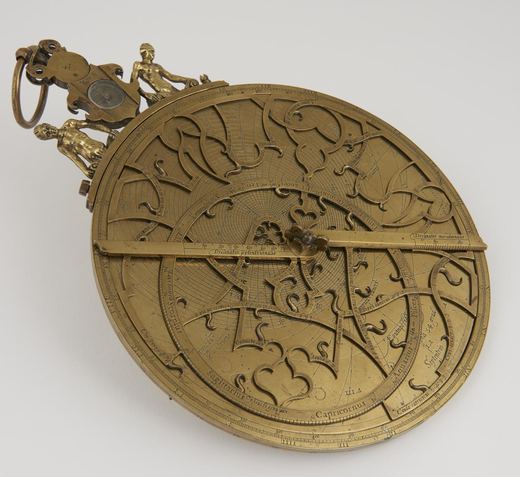
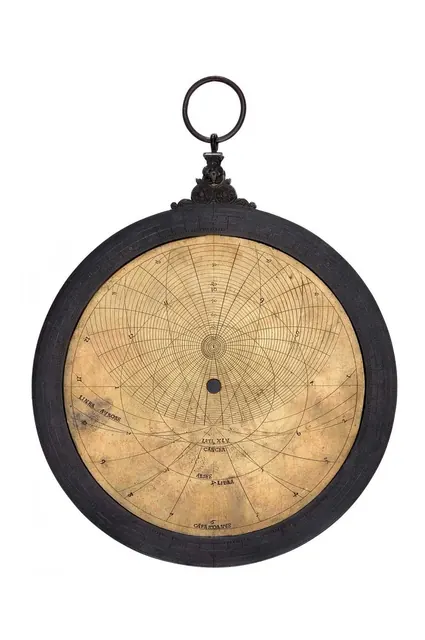
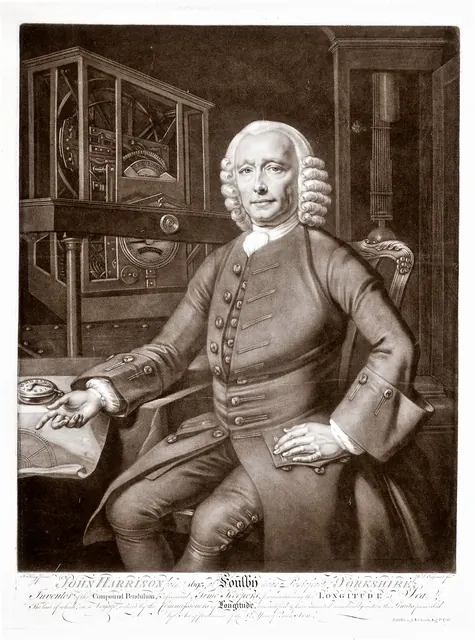
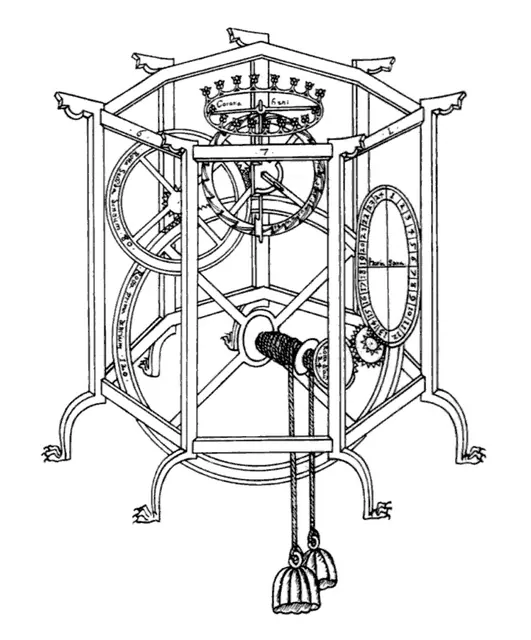
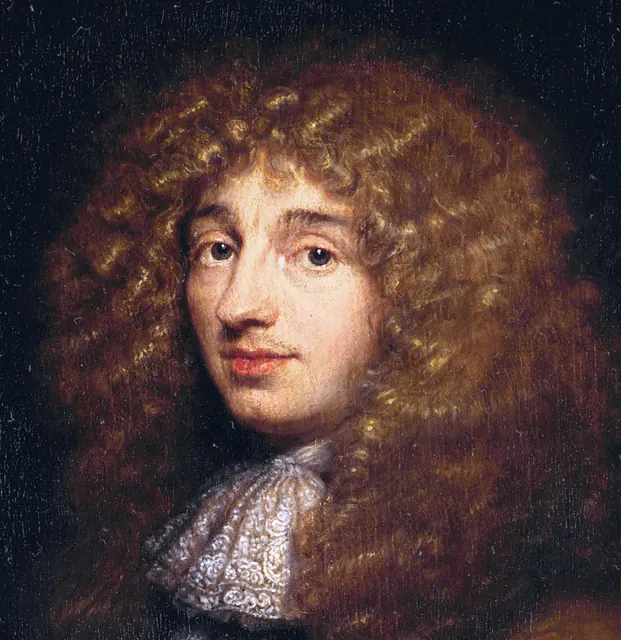
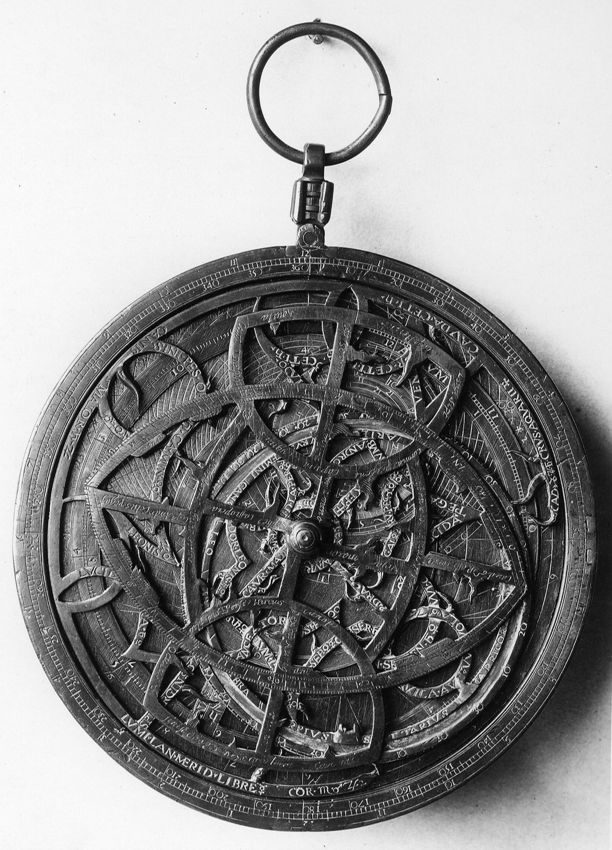
Gemma Frisius, a physician and professor at Leuven, wrote influential works on astronomy, geography and instruments. In his De principiis astronomiae et cosmographiae (1530) he proposed that longitude could be found by carrying an accurate clock and comparing its time with local time — the principle that Harrison's timekeepers made practical more than two centuries later. He also set out the method of triangulation for surveying, made globes with the young Gerard Mercator and designed astrolabes and other instruments, which his nephew Gualterus Arsenius produced in a Leuven workshop.
His pupils included Gerard Mercator and the English mathematician John Dee, and his books went through many editions, carrying the clock method of finding longitude across Europe long before any clock was accurate enough to use it at sea.
- Country
- Low Countries (Spanish Netherlands)
- City / centre
- Leuven
- Life / active
- 1508–1555
- Status
- Historical individual
- Key people
- Gemma Frisius; Gualterus Arsenius (nephew); Gerard Mercator (pupil)
Innovations & specialities
- Timekeeper method for longitude (1530)
- Triangulation for surveying (1533)
- Universal astrolabe (astrolabum catholicum)
Works by Gemma Frisius in the catalogue
Open in the catalogue →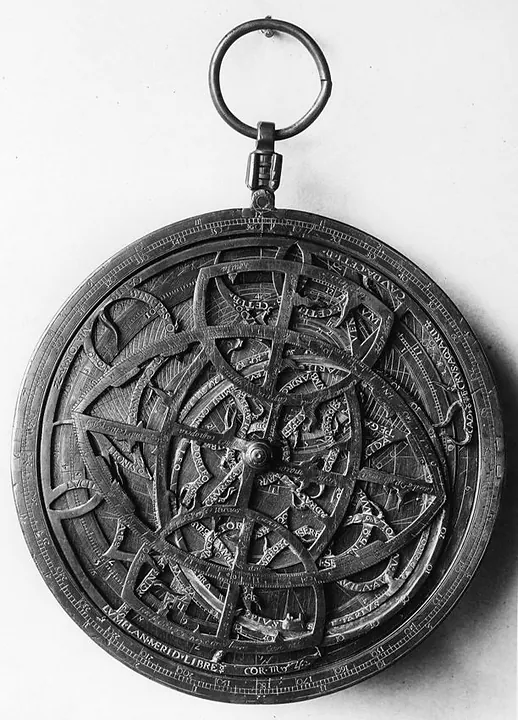
Linked through the Atlas maker authority list, which reconciles the spellings used by different institutions. Attributions are as stated by each holding institution or auction house.
Read and see more
Magazine features
- The Astrolabe: Telling Time by the Sun and Stars, from Alexandria to Lahore
For a thousand years the astrolabe was the most sophisticated timekeeping instrument in the world. How a flat brass disc models the sky, how it was used to find the hour and the direction of prayer, and how to read the hundreds of surviving examples in museum collections.