Complication
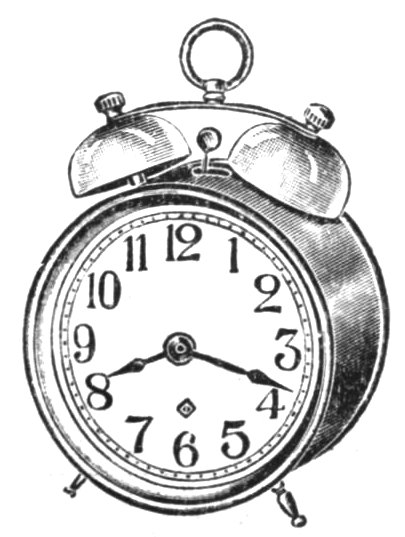
Alarm
Also known as: Réveil · Wecker
How it works
A cam or wheel set to the chosen hour releases a separate spring-driven hammer, which strikes a bell or, in watches, a gong or the case back.
Why it was invented
To wake the sleeper or mark an appointed time.
- Invented
- Medieval monastic alarms; adjustable mechanical alarm clock patented 1847
- Credited to
- Antoine Redier (1847 adjustable alarm clock patent)
- Historical period
- Medieval Period
History and development
Monastic alarm clocks woke the sacristan for night prayers in the Middle Ages. Antoine Redier of Paris patented an adjustable mechanical alarm clock in 1847. In wristwatches, the Vulcain Cricket (1947) and the Jaeger-LeCoultre Memovox (1950) popularised the mechanical alarm.
Related mechanisms
In the catalogue
All 92 records →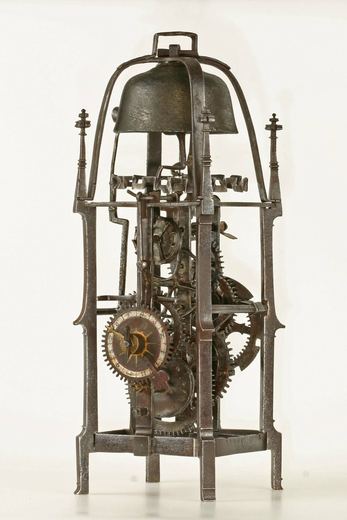
Clocks · 1400–1499
Alarm clock, Germany, 1400–1499
German Clock Museum
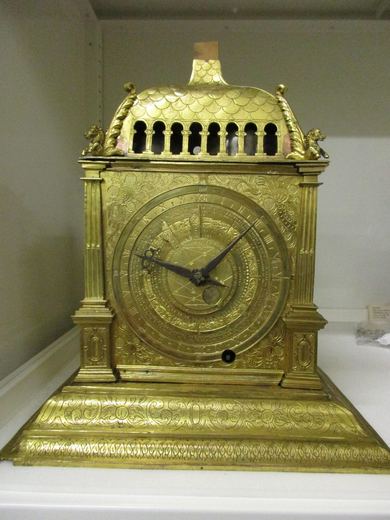
Clocks · 1500-1600
An astronomical clock in a gilt-bronze case, Venetian, sixteenth century.
Victoria and Albert Museum, London
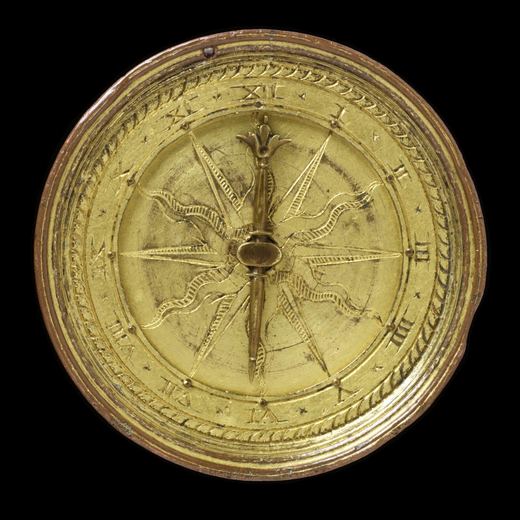
Clocks · ca.1540
Drum clock and case, made in France or Germany, about 1540. Gilded brass, engraved with the Crucifixion
Victoria and Albert Museum, London
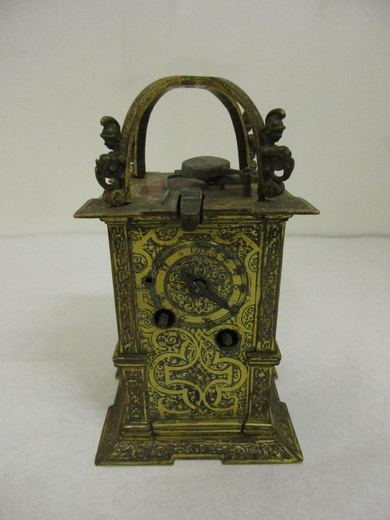
Clocks · ca.1550
Clock, a striking alarm clock in a gilt brass case, Germany, ca.1550.
Victoria and Albert Museum, London
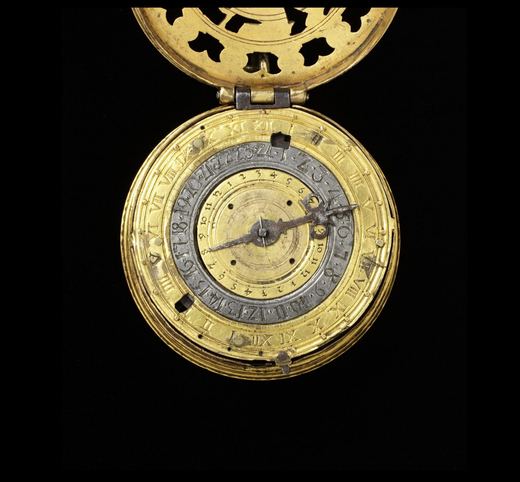
Pocket Watches · ca. 1560
Watch by Hans Grüber, Germany, ca. 1560
Victoria and Albert Museum, London
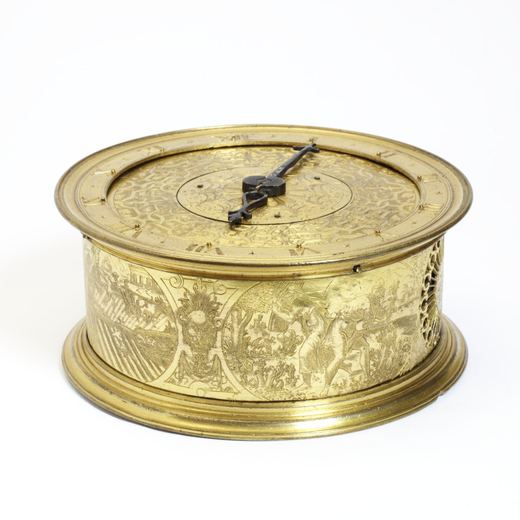
Clocks · 1560-80
Drum clock with alarm engraved with scenes representing the months. Made in France, 1560-80, movement by Félix Loubet
Victoria and Albert Museum, London
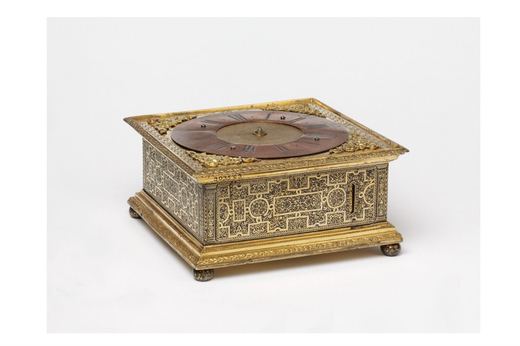
Clocks · 1567
Square table clock of brass and iron, damascened, engraved and partly gilded, signed by Jacob Marquart of Augsburg and dated 1567.
Victoria and Albert Museum, London
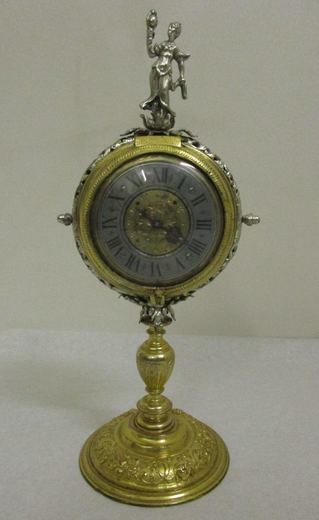
Clocks · 1575-1600
A striking alarm clock in a square gilt-brass case surmounted by a silver figure representing Prudence, German, about 1580.
Victoria and Albert Museum, London
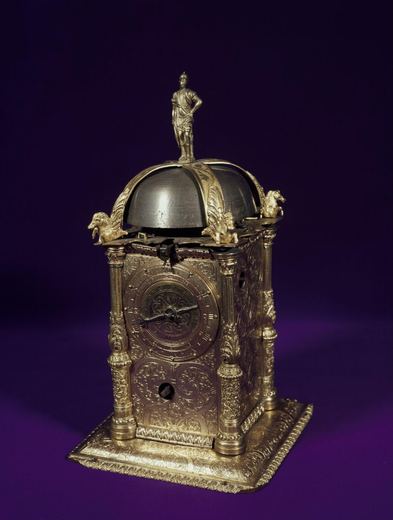
Clocks · 1575-1600
Alarm Tabernacle clock, gilt brass case with engraved and cast decoration, German, late 16th Century.
Victoria and Albert Museum, London
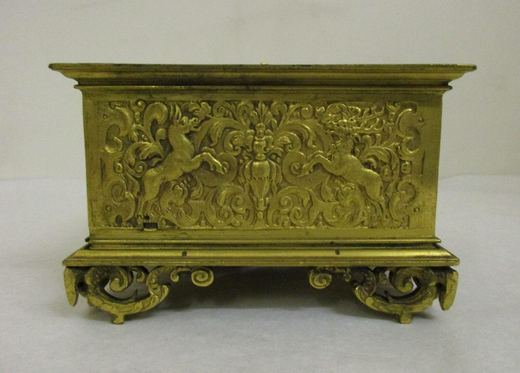
Clocks · 1575-1600
Alarm Table-Clock, German, late 16th century.
Victoria and Albert Museum, London
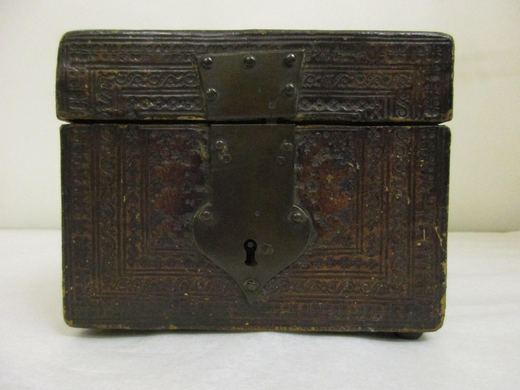
Clocks · 1575-1600
Alarm table-clock, gilt-bronze, German, late 16th Century.
Victoria and Albert Museum, London
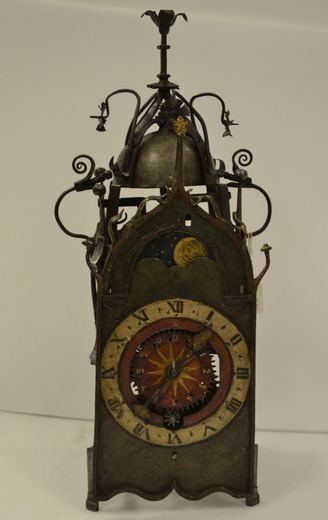
Clocks · 1579
Lantern clock with clock weights
Victoria and Albert Museum, London
Records are linked when the holding institution's description names this mechanism; check each source record for confirmation.