Complication
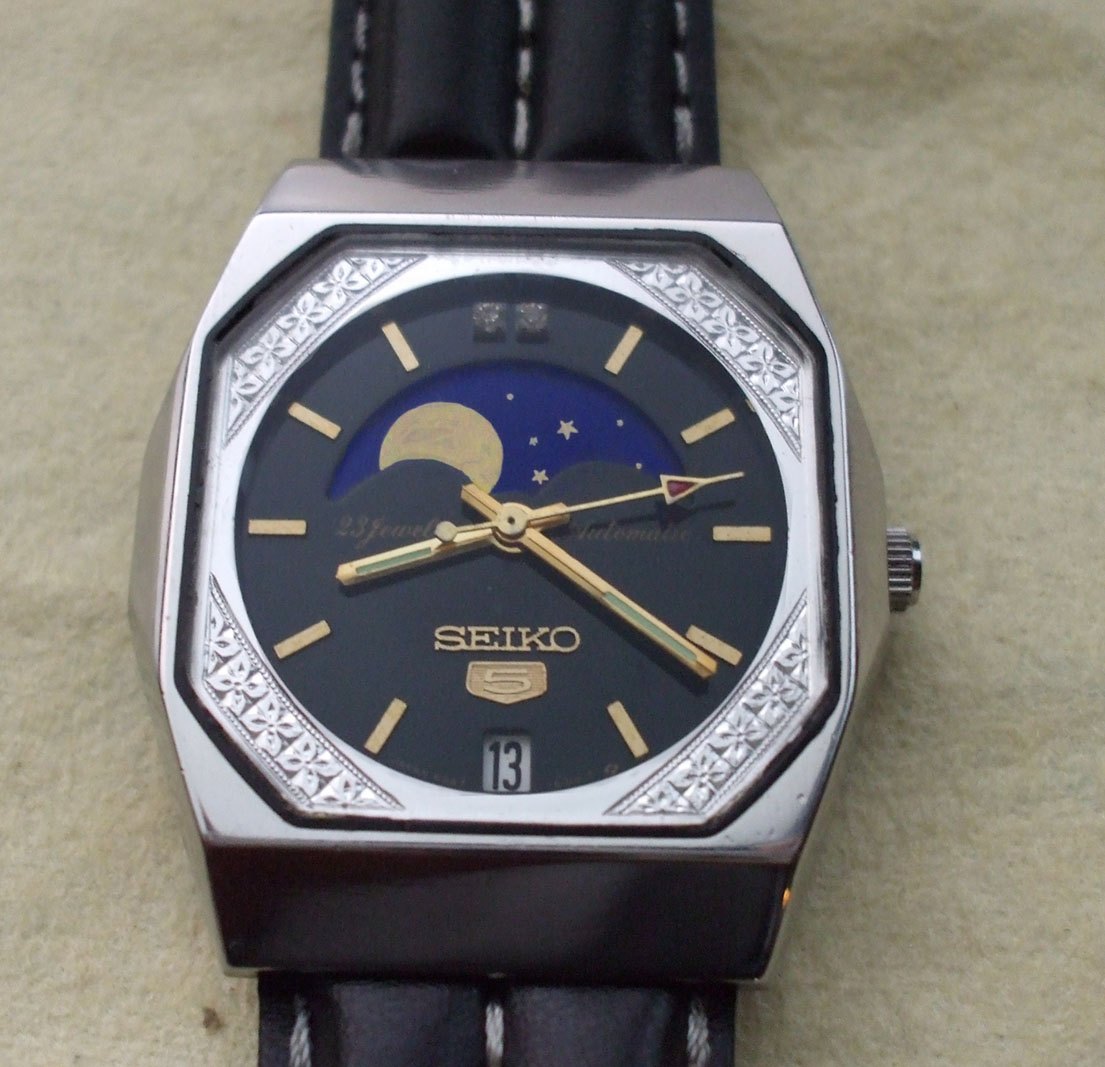
Moon-phase indication
Also known as: Phases de lune · Mondphase
How it works
A disc printed with two moons and carrying 59 teeth is advanced one tooth each day, so that it completes one turn every two lunations (2 × 29.5 days). The moons pass behind two humped masks, mimicking the waxing and waning moon. A 135-tooth train gives a far more accurate approximation.
Why it was invented
Before electric light the phase of the moon governed night travel, tides and many calendars.
- Invented
- Medieval astronomical clocks; in watches from the 16th–17th century
- Credited to
- No single inventor documented
- Historical period
- Renaissance Horology
- Standard 59-tooth error
- ≈ 1 day every 2.7 years
- Mean synodic month
- 29 d 12 h 44 min 2.9 s
- 135-tooth trains
- ≈ 1 day error per century or better
History and development
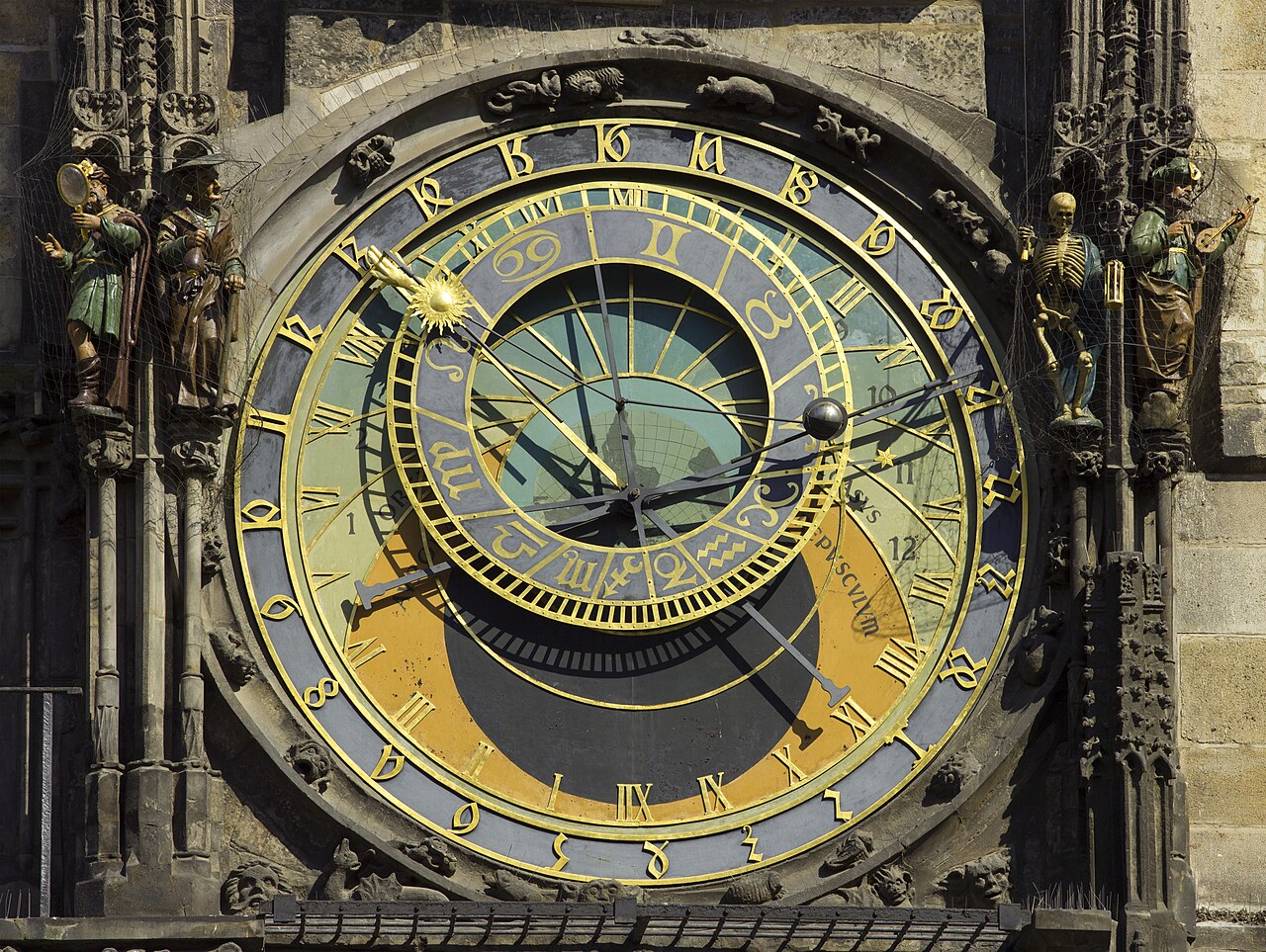
Lunar indications appear on astronomical clocks such as those of Giovanni de' Dondi (14th century) and the Prague Orloj. Moon phases were popular in 18th-century longcase clocks and remain one of the most common complications in wristwatches.
Related mechanisms
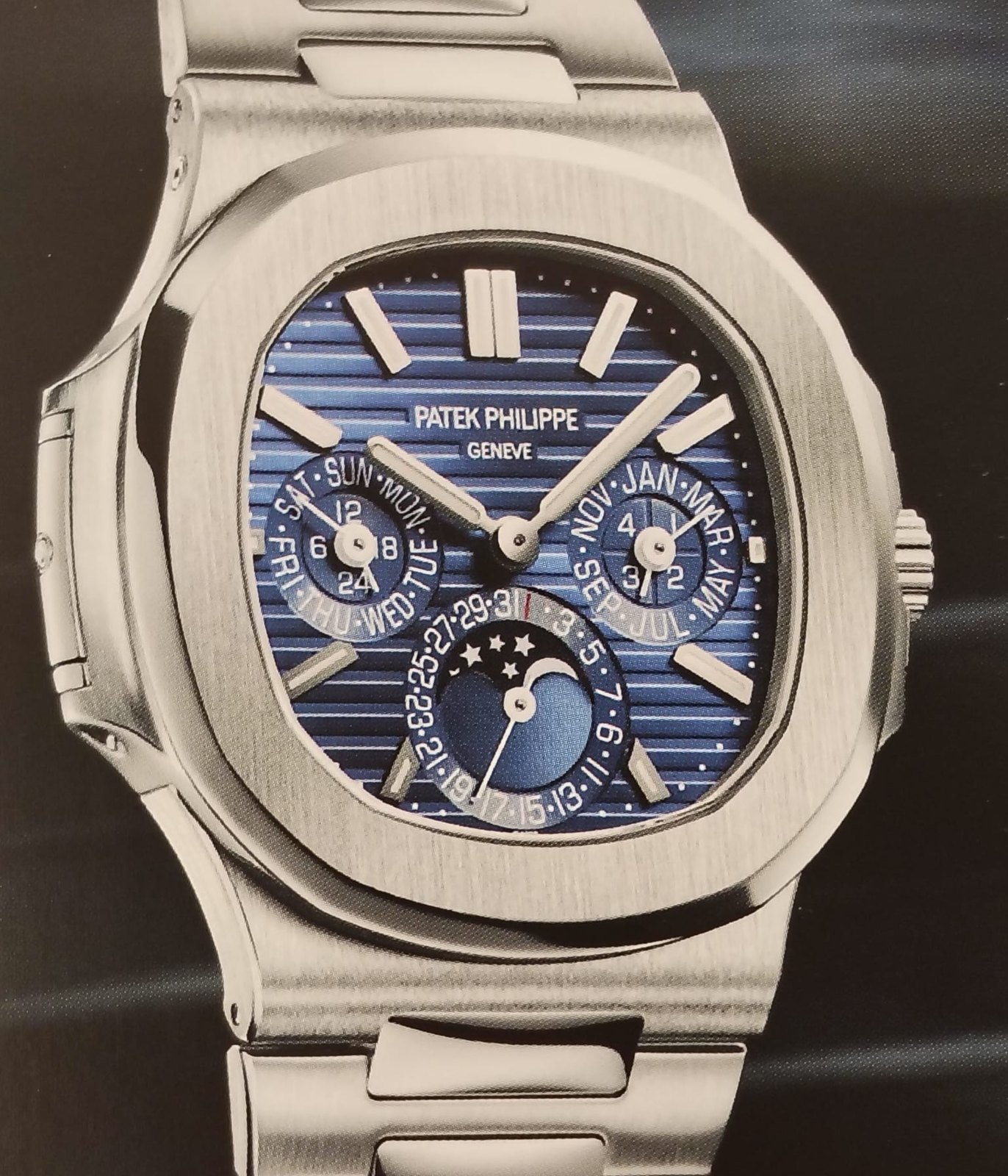
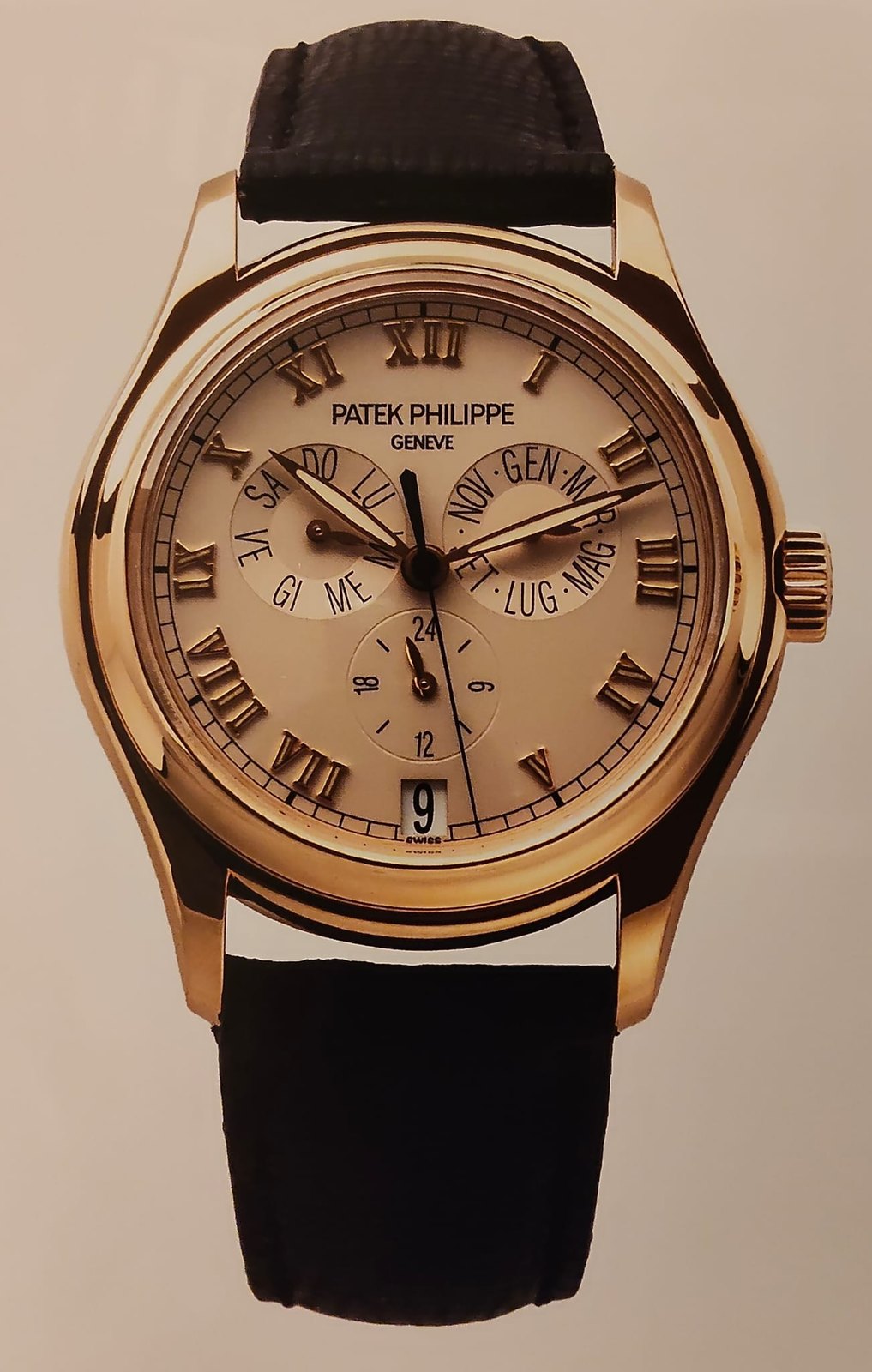
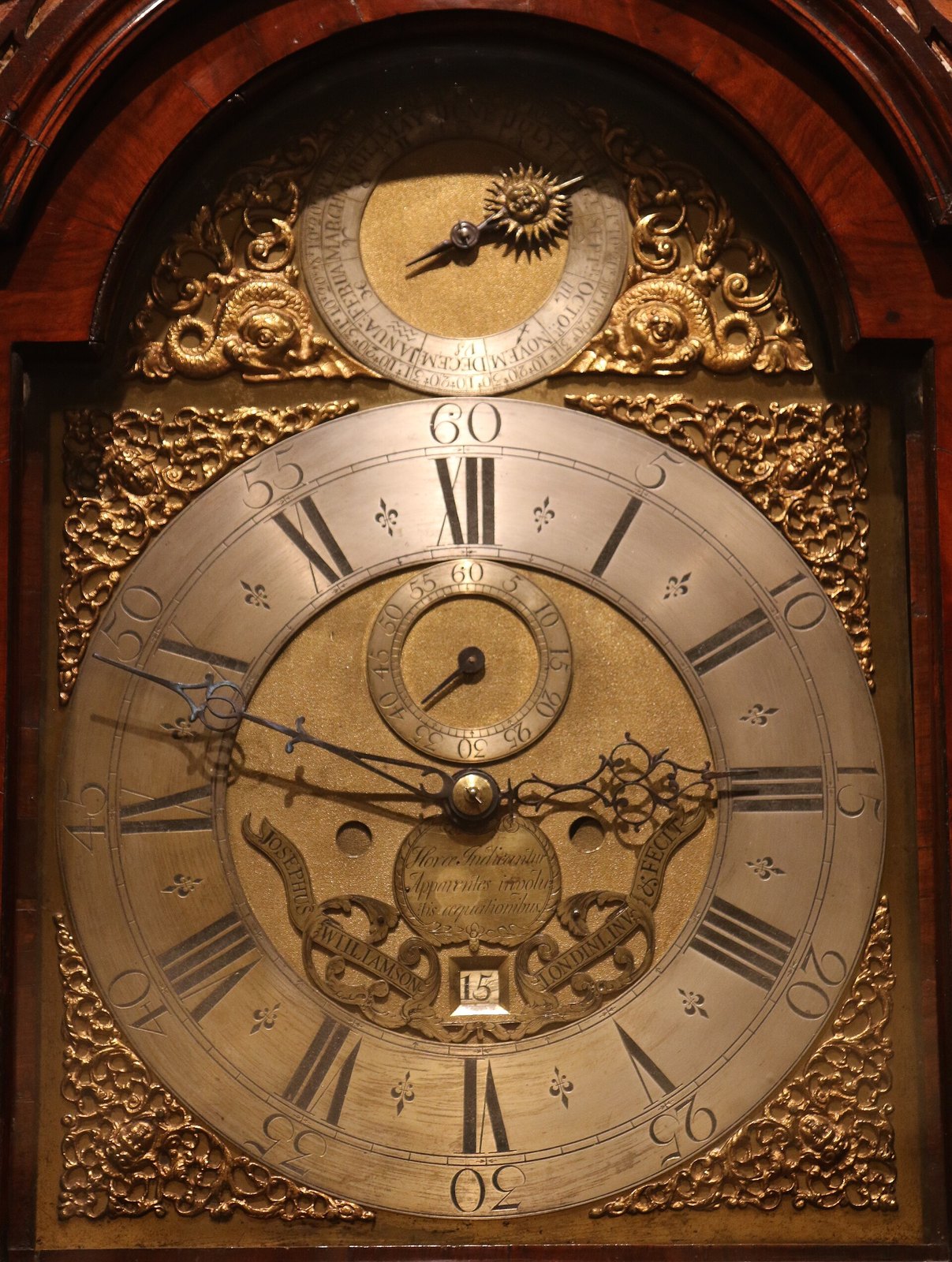
Featured objects
In the catalogue
All 34 records →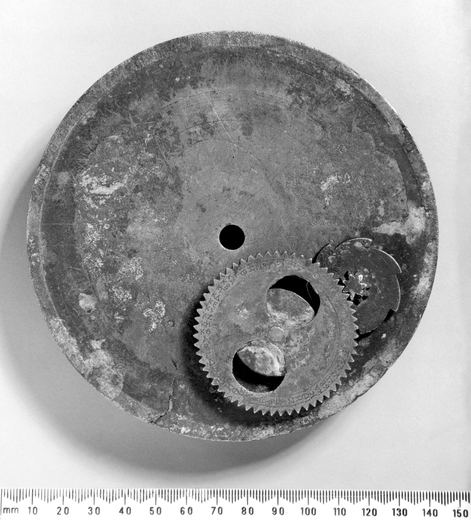
Instruments · 400-600
Sundial, Greece, 400-600
Science Museum Group, London
Clocks · 1579
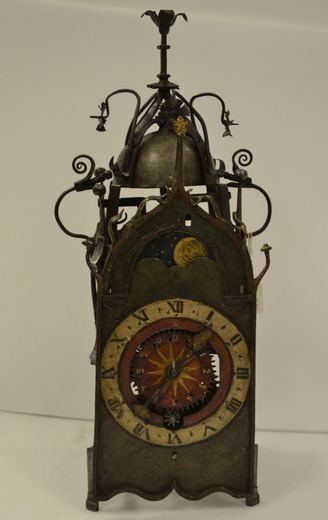
Lantern clock with clock weights
Victoria and Albert Museum, London
Clocks · 1588
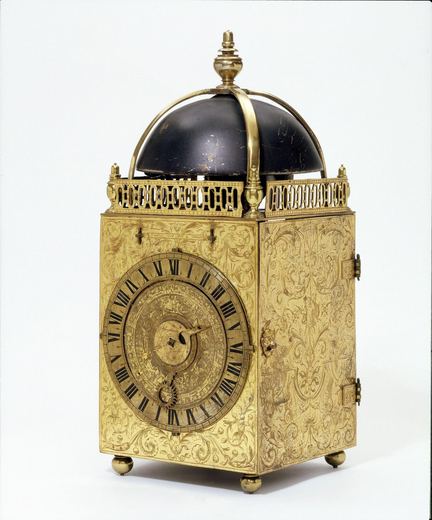
Astronomical clock by Francis Nowe, England, 1588
Victoria and Albert Museum, London
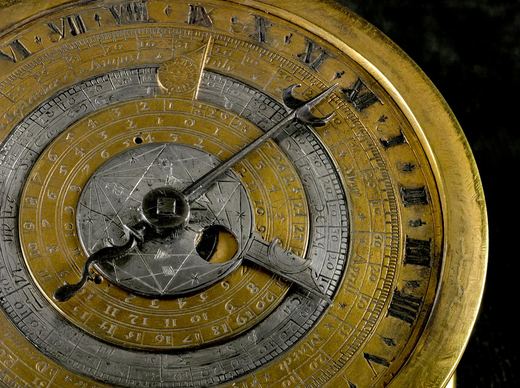
Clocks · 1598-1603
Circular table-clock with calendrical and lunar indications made by Nicholas Vallin in London between 1598 and 1603.
Science Museum Group, London
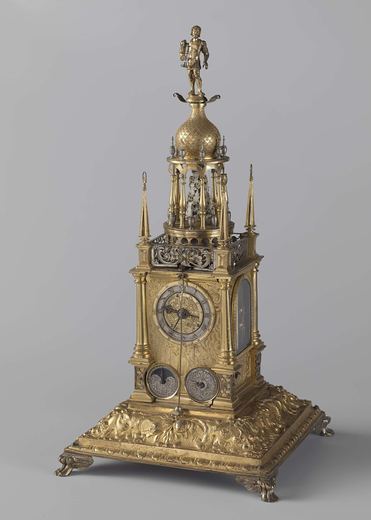
Clocks · 1640
Table clock, France, 1640
Rijksmuseum
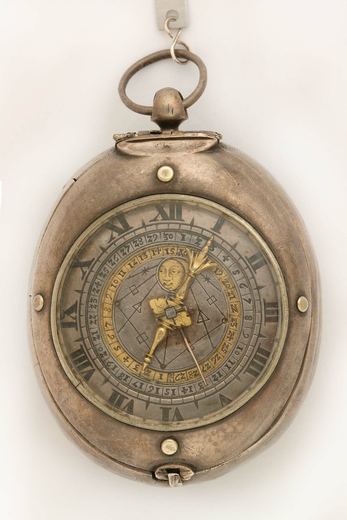
Pocket Watches · 1650
Pocket watch by Johann Sayller, Germany, 1650
German Clock Museum
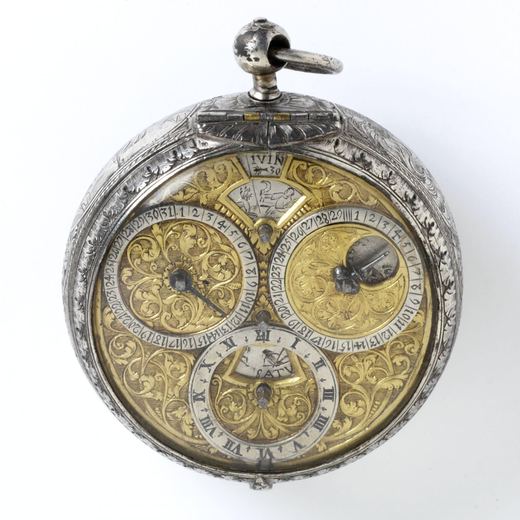
Pocket Watches · 1660-1670
Engraved silver watch with a gilt brass dial, signed 'Jean Rousseau', Switzerland (Geneva), 1660-70
Victoria and Albert Museum, London
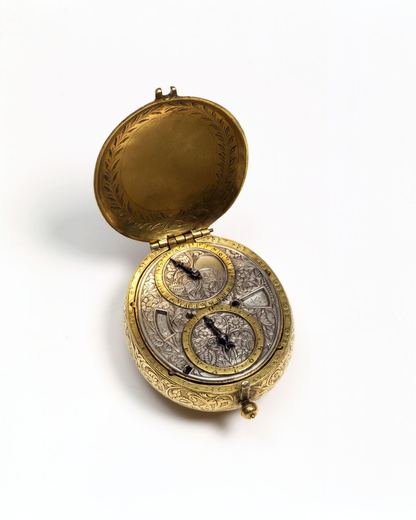
Pocket Watches · ca. 1670
Gilt metal and silver watch with movement by Jean Pattru (the name inscribed in Arabic), probably Turkey, ca. 1670
Victoria and Albert Museum, London
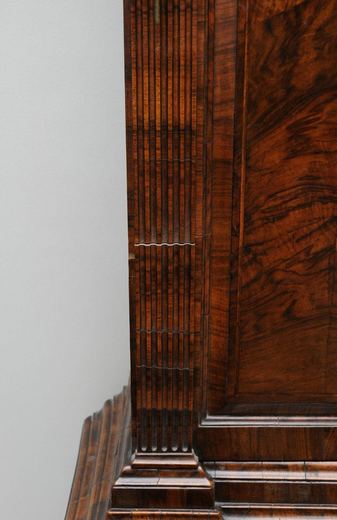
Clocks · c.1750
Long-case clock, English, ca. 1750, by Richard Peyton of Gloucester
Victoria and Albert Museum, London
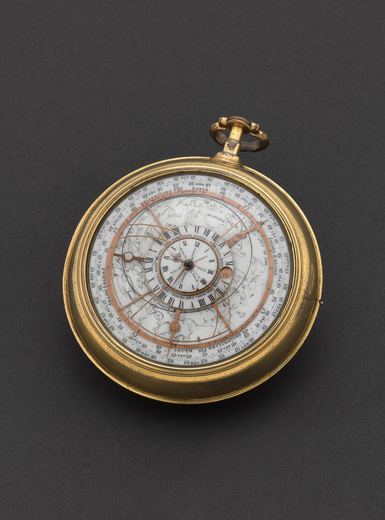
Pocket Watches · 1750-1810
Astronomical watch by George Margetts No.3043 in pair case, 1750-1810
Science Museum Group, London
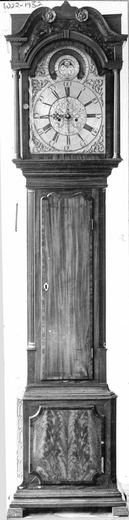
Clocks · 1760
Mahogany astronomical long case clock, made by John Benson, Whitehaven, Cumbria, about 1760
Victoria and Albert Museum, London
Clocks · 1769
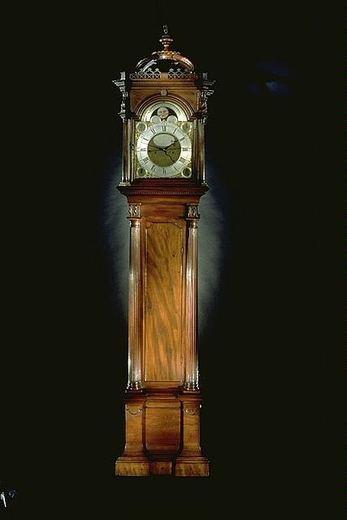
Clock by Ellicott, Joseph, United States, 1769
National Museum of American History, Smithsonian Institution, Washington DC
Records are linked when the holding institution's description names this mechanism; check each source record for confirmation.