Complication
Perpetual calendar
Also known as: Quantième perpétuel · Ewiger Kalender
How it works
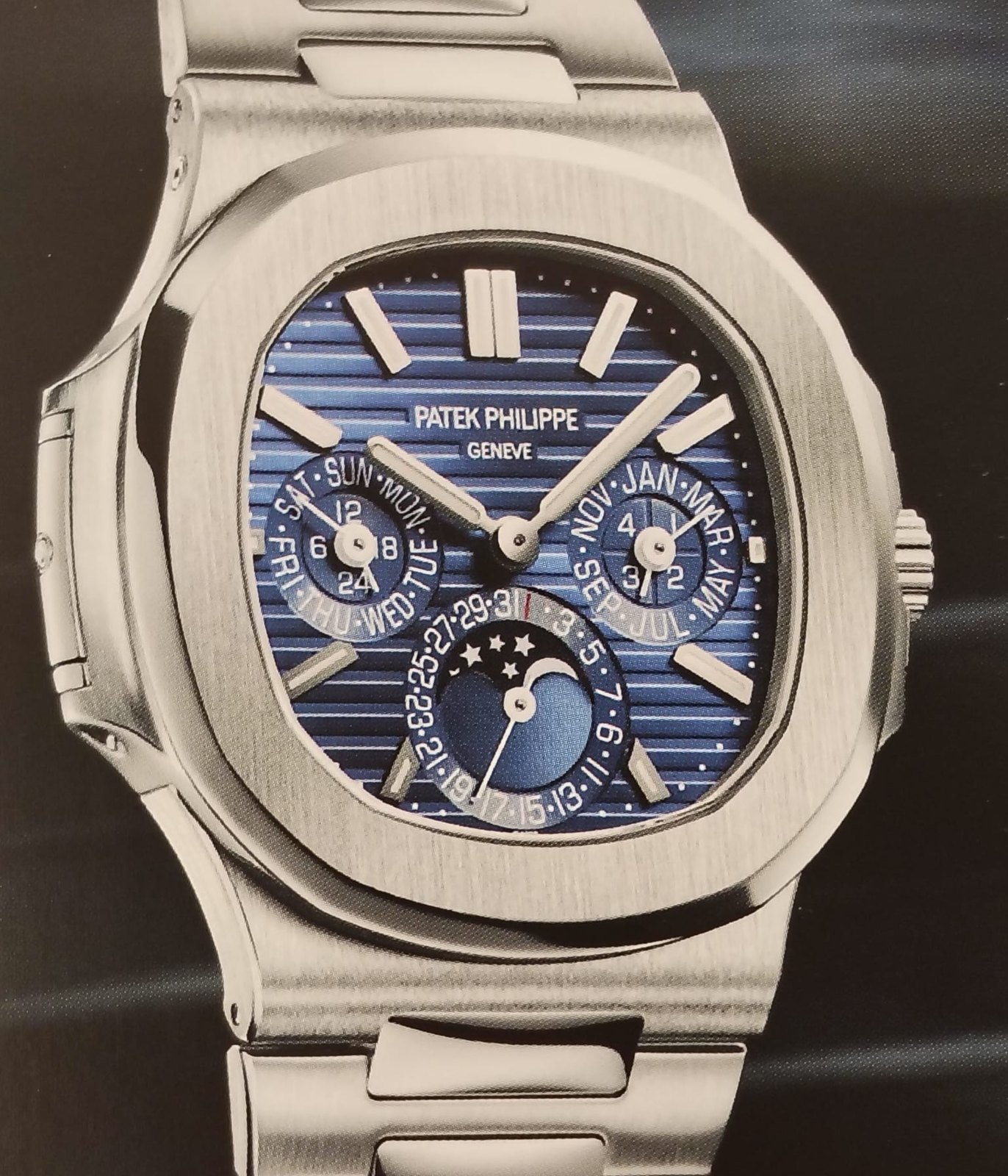
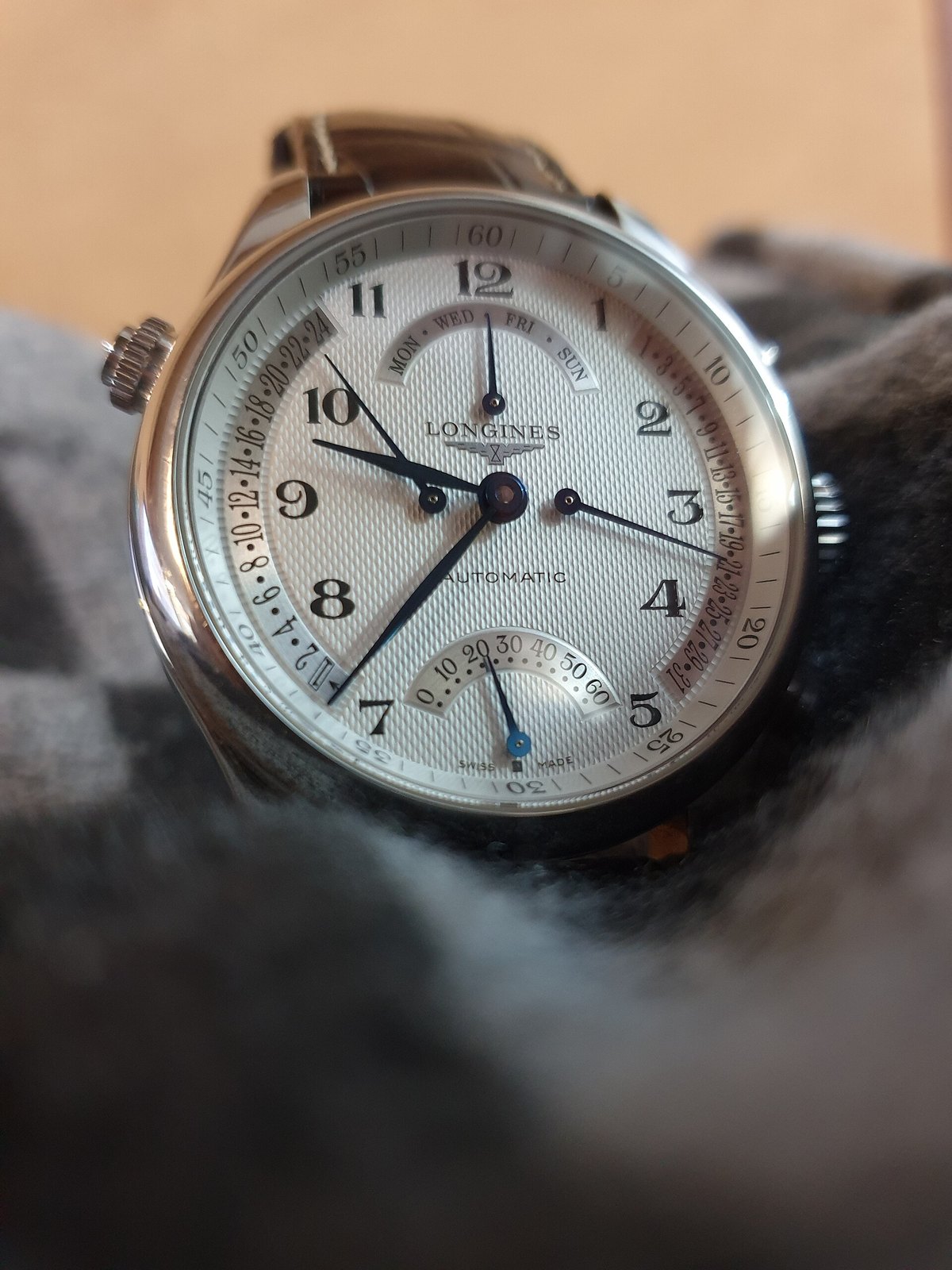
A 48-month programme wheel — one turn every four years — with notches of different depths tells the date lever how many days each month has, including 29 days in a leap-year February. Day, date, month, leap year and often moon phase are shown. Most perpetuals need correction in 2100, which is not a leap year in the Gregorian calendar; 'secular' perpetuals account for this too.
Why it was invented
To display the correct date indefinitely without manual correction for short months or leap years.
- Invented
- 18th century
- Credited to
- Thomas Mudge
- Historical period
- Precision & Scientific Horology
History and development
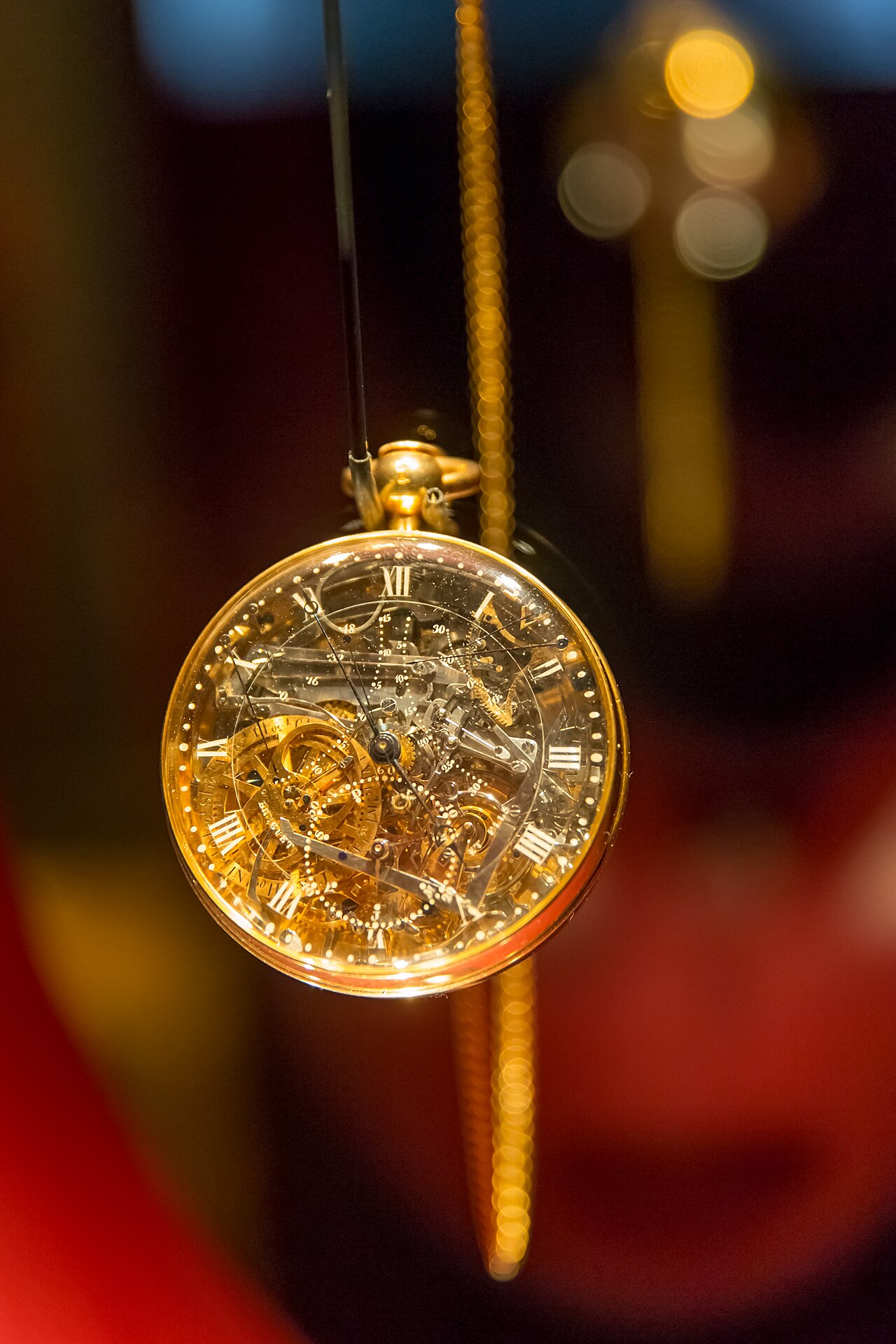
Thomas Mudge's watch of 1762, now in the British Museum, is the earliest known watch with a perpetual calendar. Breguet made several in the late 18th and early 19th centuries. Patek Philippe's no. 97975, completed as a wristwatch in 1925, is the earliest known perpetual calendar wristwatch. Simplified, easily set designs by Kurt Klaus for IWC (1985) helped revive the complication.
Related mechanisms
Featured objects
In the catalogue
All 17 records →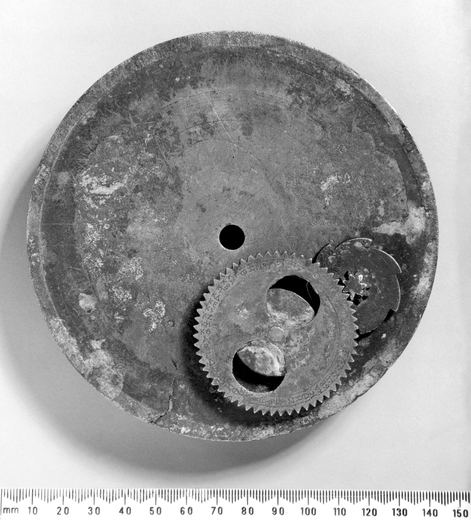
Instruments · 400-600
Sundial, Greece, 400-600
Science Museum Group, London
Instruments · 1677
Sundial by Köhler, Christopher, Germany, 1677
Science Museum Group, London
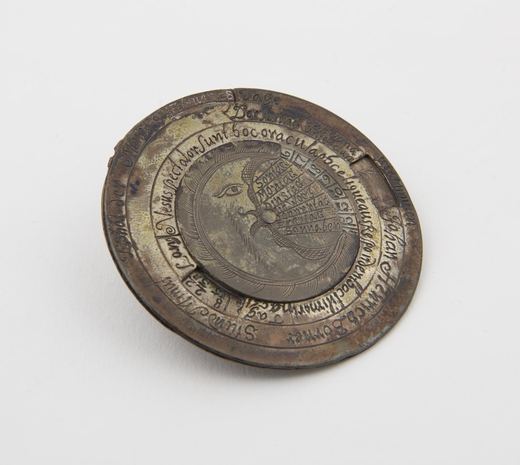
Instruments · 1693
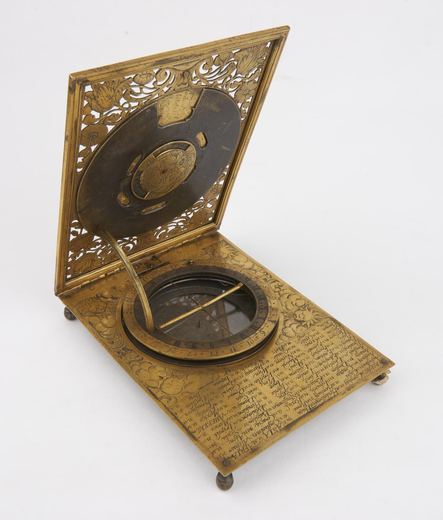
Portable sundial and perpetual calendar, by Johann Henrich Börner, Germany, 1693.
Science Museum Group, London
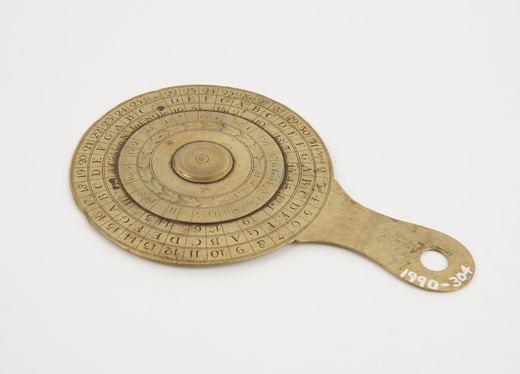
Instruments · 1700–1799
A perpetual calendar in brass for determining the dates of Easter in the Julian and the Gregorian calendar. Signed "Hartston Fecit", English, 18th century
Science Museum Group, London
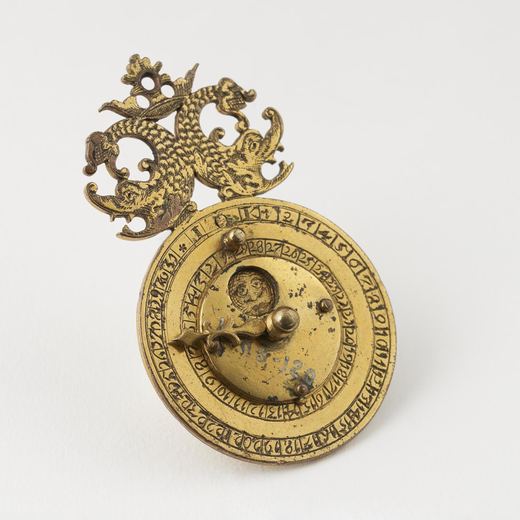
Instruments · 1701-1800
Perpetual calendar, gilt metal, 2½ x 9/16-inches, Germany, 1701-1800.
Science Museum Group, London
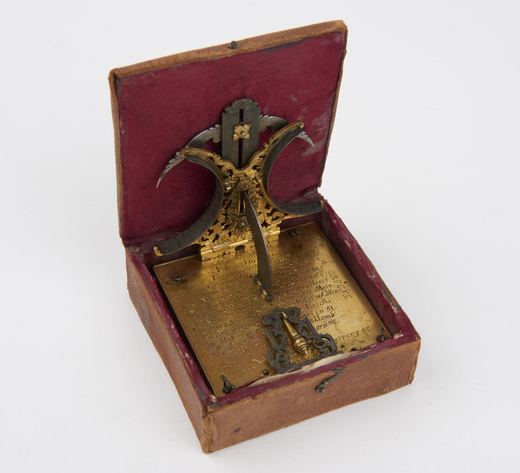
Instruments · 1703-1726
Universal equatorial sundial, crescent-shaped with perpetual calendar, gilt and silvered metal, inscribed "Johannes Willebrand Augsburg 48", in case
Science Museum Group, London
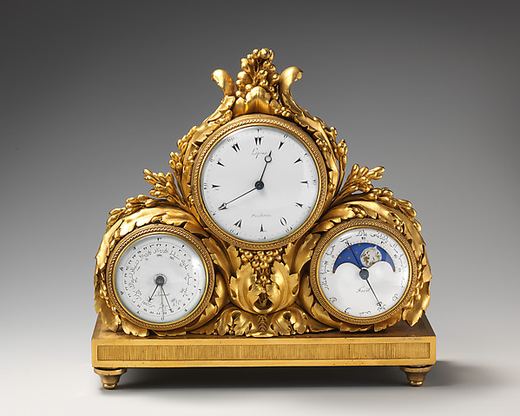
Instruments · last quarter 18th century
Clock by Jean Antoine Lépine, France, last quarter 18th century
The Metropolitan Museum of Art, New York
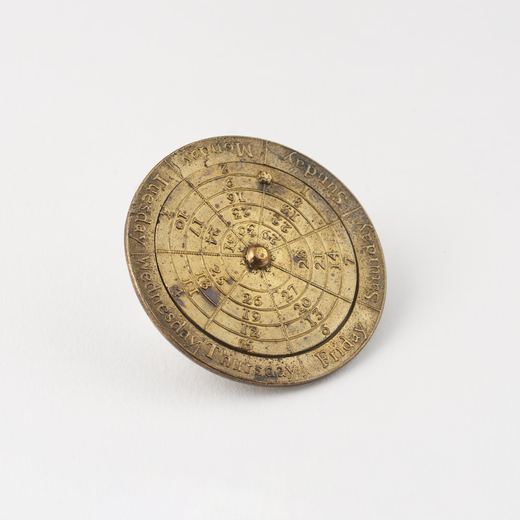
Instruments · 1790-1860
Perpetual calendar, brass, unsigned, England, 1790-1860.
Science Museum Group, London
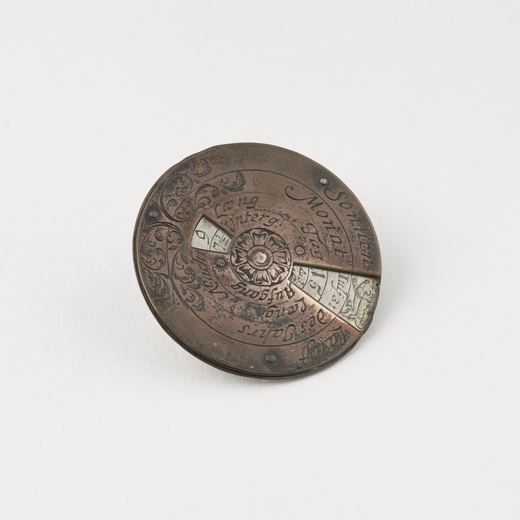
Instruments · 1790-1860
Perpetual calendar, silver, 1 3/8-inch diameter, Germany, 1790-1860.
Science Museum Group, London
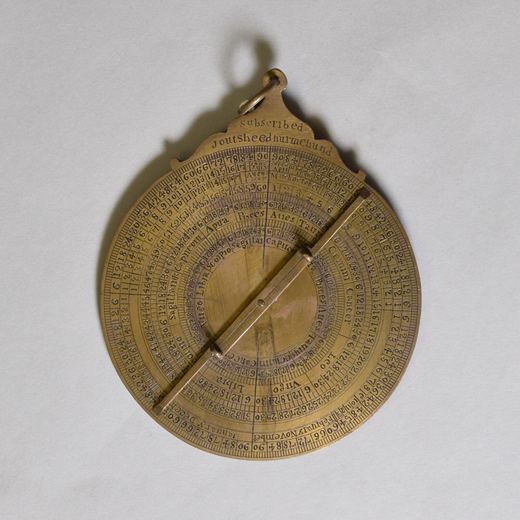
Instruments · early 19th century
With astrological signs; Astronomy, brass, incised, W India, early C19
Victoria and Albert Museum, London
Instruments · 1801-1830
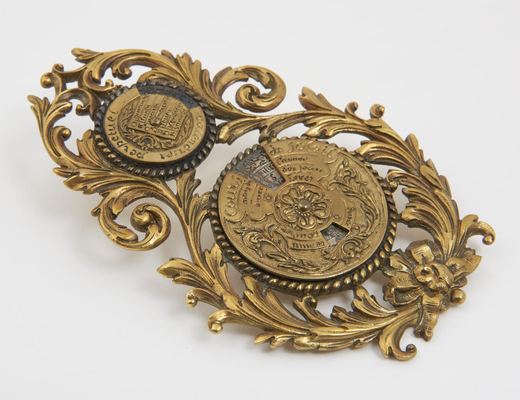
Perpetual Calendar, brass scroll-work chased. Revolving plates silvered. Length 5 3/8-inches. Made in France, 1801-1830.
Science Museum Group, London
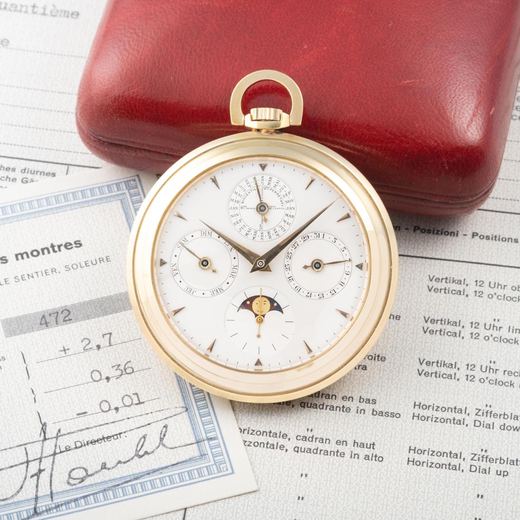
Pocket Watches · circa 1961
Ecole Professionnelle de la Vallee de Joux “pièce École”, circa 1961
Antiquorum auction archive, Geneva
Records are linked when the holding institution's description names this mechanism; check each source record for confirmation.