Complication
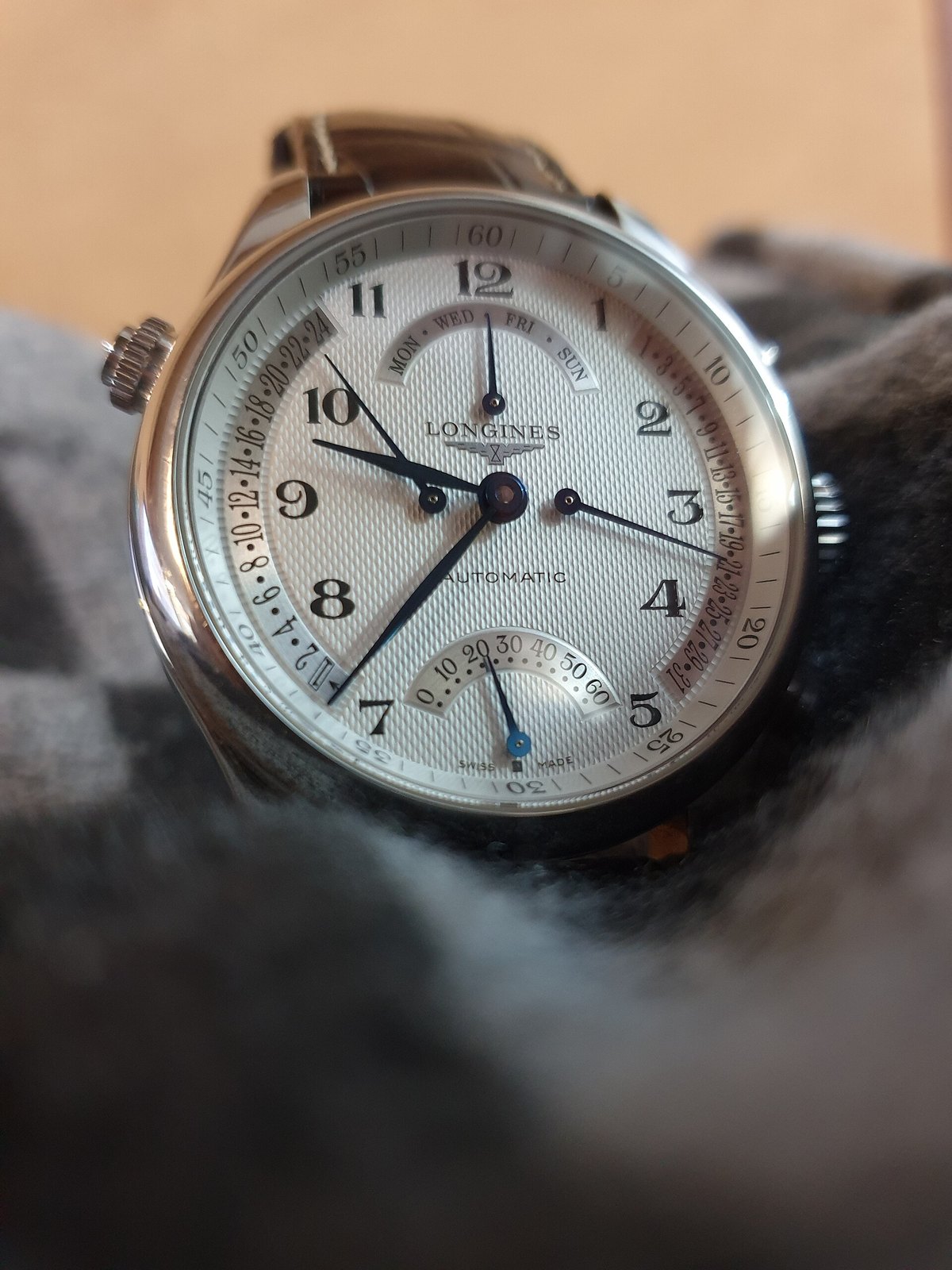
Retrograde display
Also known as: Affichage rétrograde
How it works
A hand sweeps across an arc rather than a full circle; a rack following a snail cam carries it, and at the end of the scale the rack drops and the hand flies back to zero.
Why it was invented
It allows long, legible scales for minutes, dates or days in limited space, and it is visually striking.
- Invented
- 18th century
- Credited to
- No single inventor documented
- Historical period
- Precision & Scientific Horology
History and development
Retrograde indications were used in 18th- and 19th-century clocks and watches, often for calendars, and became popular again in late-20th-century wristwatches.
Related mechanisms
In the catalogue
Open in the catalogue →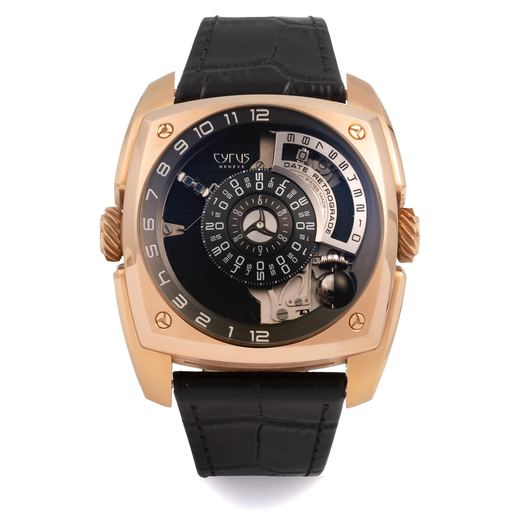
Wristwatches · circa 2015
Cyrus Klepcys Moon, ref. 539.001 A, circa 2015
Antiquorum auction archive, Geneva
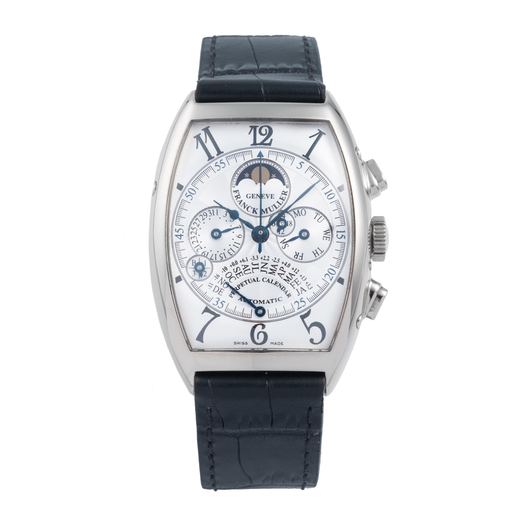
Wristwatches · Sold in August 2016
Franck Muller wristwatch, ref. 6850 QPE, Sold in August 2016
Antiquorum auction archive, Geneva
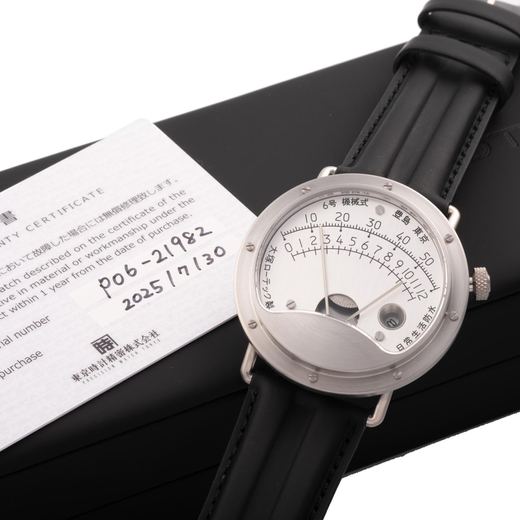
Wristwatches · sold in July 2025
Otsuka Lotec wristwatch, ref. 6, sold in July 2025
Antiquorum auction archive, Geneva
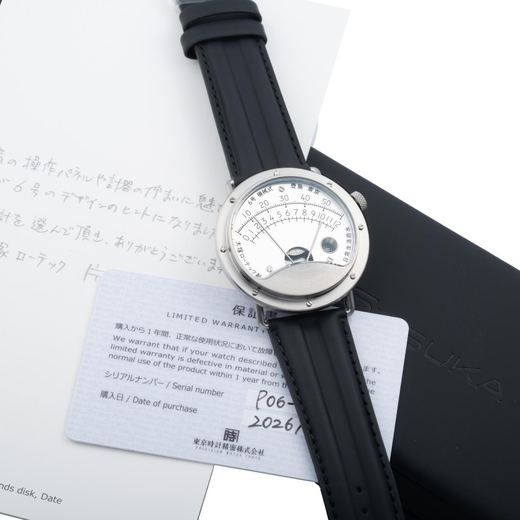
Wristwatches · Sold in January 2026
Otsuka Lotec wristwatch, ref. 6, Sold in January 2026
Antiquorum auction archive, Geneva
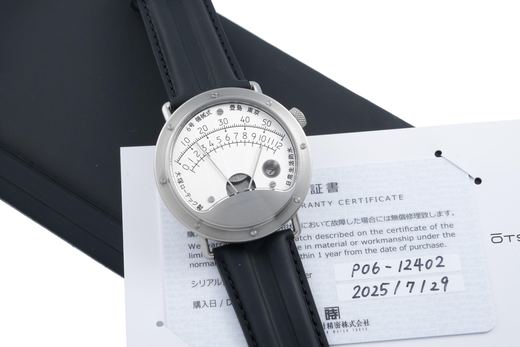
Wristwatches · Sold in July 2026
Otsuka Lotec wristwatch, ref. 6, Sold in July 2026
Antiquorum auction archive, Geneva
Records are linked when the holding institution's description names this mechanism; check each source record for confirmation.