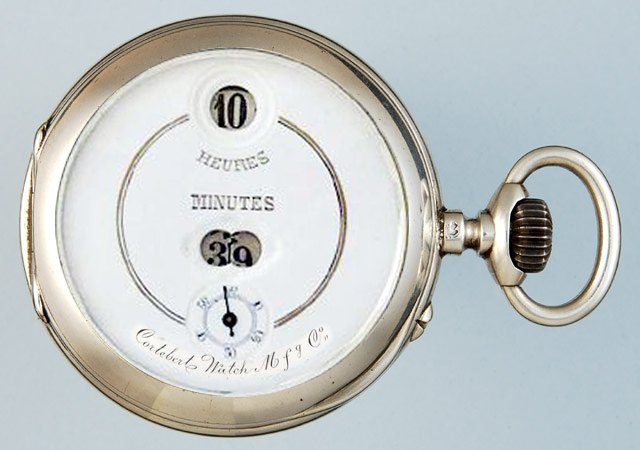
Complication
Jump hour (digital display)
Also known as: Pallweber · Heure sautante
How it works
Discs printed with numerals replace hands; a spring-loaded star and cam make the hour disc jump instantaneously at the full hour, and in Pallweber's system minutes are shown on a second disc.
Why it was invented
A clearer, more modern way of reading the time; an early 'digital' mechanical display.
- Invented
- 1883 (patent)
- Credited to
- Josef Pallweber
- Historical period
- Industrial Revolution
History and development
Josef Pallweber patented his digital display in 1883; IWC produced Pallweber pocket watches from 1884. Jump-hour wristwatches were fashionable in the 1920s–30s and returned with the mechanical renaissance.
Related mechanisms
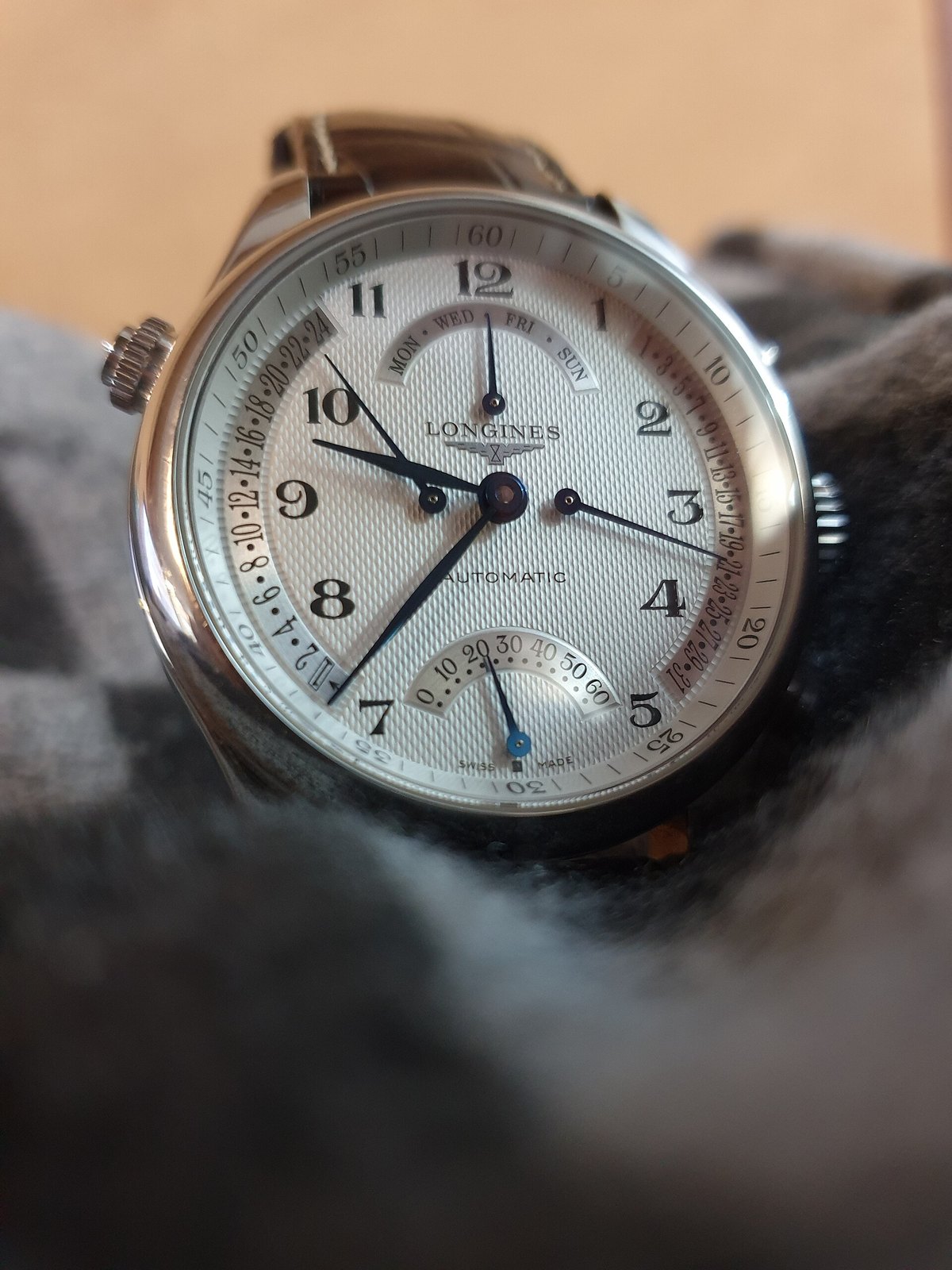
In the catalogue
Open in the catalogue →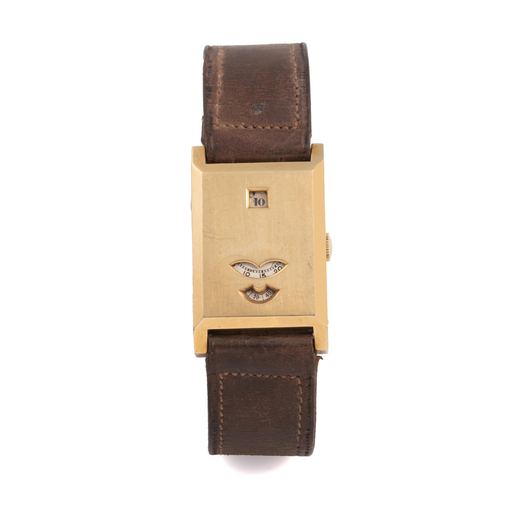
Wristwatches · circa 1930
Glycine "jump Hour", circa 1930
Antiquorum auction archive, Geneva
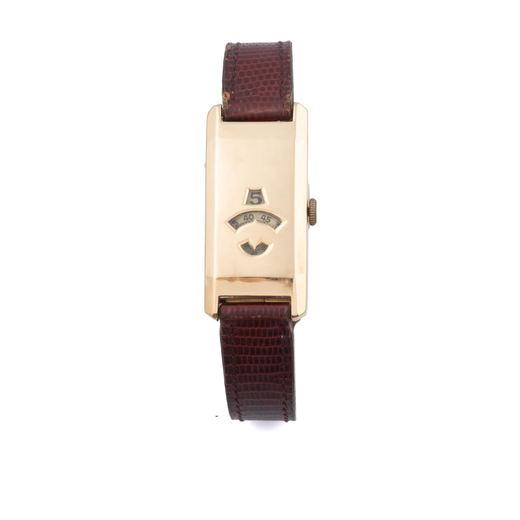
Wristwatches · 1930–1940
Unsigned Jumping Hours, circa 1930/1940
Antiquorum auction archive, Geneva
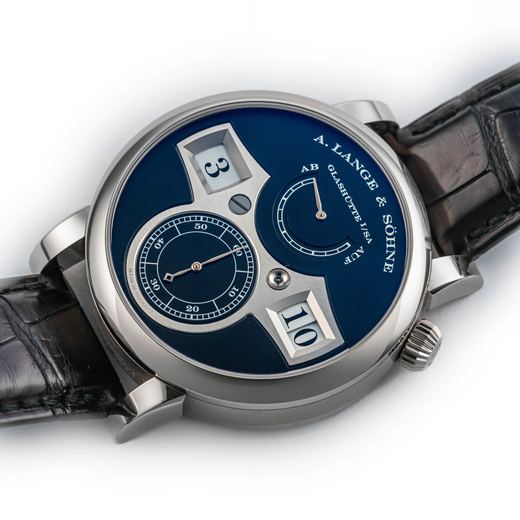
Wristwatches · circa 2018
A.Lange & Söhne Zeitwerk, ref. 140.029, circa 2018
Antiquorum auction archive, Geneva
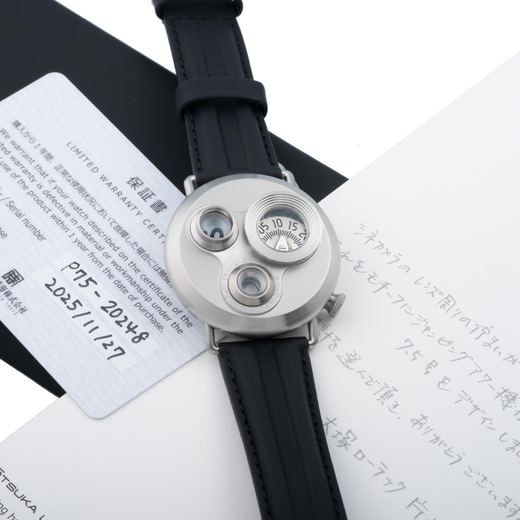
Wristwatches · Sold in November 2025
Otsuka Lotec wristwatch, ref. 7.5, Sold in November 2025
Antiquorum auction archive, Geneva
Records are linked when the holding institution's description names this mechanism; check each source record for confirmation.