
Instruments · Marine chronometer
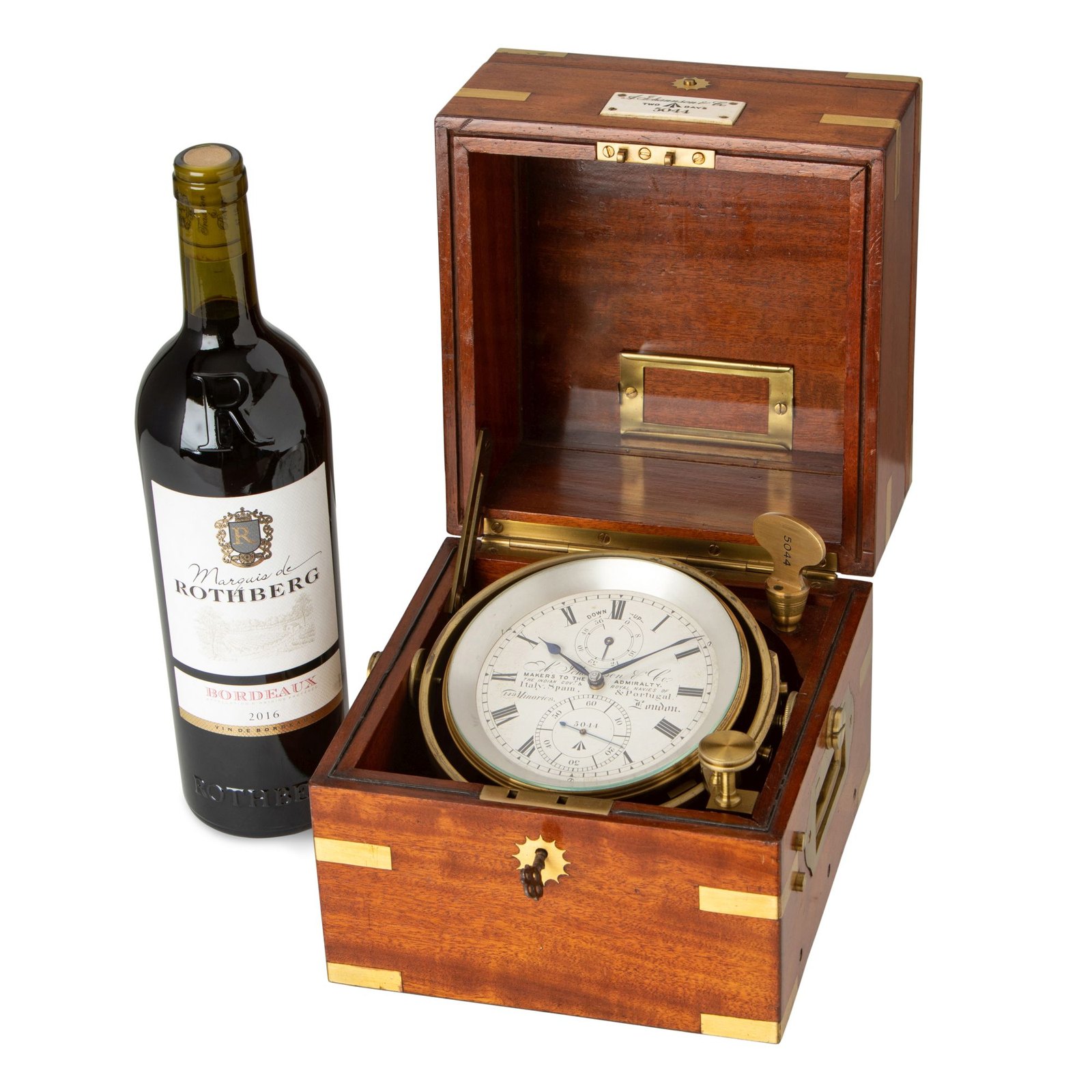
Ships chronometer by Asmus Johannsen & Co., London
- Maker / attribution
- Asmus Johannsen & Co. (maker)
- Date
- c. 1895
- Historical period
- Industrial Revolution (1850 – 1900)
- Country of origin
- England
- Place
- London
- Object type
- Marine chronometer
- Stock no.
- Product 2786
- Credit line
- Dealer listing, The Antique Clock Company (product 2786)
- Catalogue title (original)
- ASMUS JOHANNSEN & CO. LONDON SHIPS CHRONOMETER No. 5044 (English)
View the source record (dealer listing) ↗ (opens another website in a new tab)Suggest a correction
Record summary
Catalogued by The Antique Clock Company (dealer), Dorset (stock number Product 2786), this is a marine chronometer by Asmus Johannsen & Co., made in London, England, dated c. 1895. The Atlas places it in the Industrial Revolution period (1850 – 1900) of its Instruments collection. The record is illustrated with 3 photographs.
Assembled from the source record's structured fields. Dates and attributions are given as the source states them; where a field is missing the Atlas leaves it blank rather than estimating.
Catalogue description
Dealer description — The Antique Clock Company
A very fine & historically fascinating mahogany and brass-lined Royal Observatory two-day marine chronometer. DIAL The 101mm. silvered engraved brass dial has Roman chapters with outer minute track, blued steel hands, the centre is signed A. Johannsen & Co. MAKERS TO THE ADMIRALTY, THE INDIAN GOVt. & ROYAL NAVIES OF Italy, Spain& Portugal. 149 Minories, London. With up-and-down sector beneath XII calibrated 0-48 and seconds ring at VI engraved with the Government Broad Arrow and serial number 5044, both with blued steel hands. MOVEMENT The full-plate movement has well spotted plates with four ring-turned pillars secured with blued steel screws at the top plate which is further engraved with the Government Broad Arrow and serial number 7568, chain fusee and spring barrel, the escapement with cut bimetallic balance with circular heat compensation weights, palladium helical balance spring and Earnshaw-type spring detent escapement with jewelled locking stone. BOX With brass bowl punch-numbered 7568 in the base, the underside has a spring-loaded winding cover and is stamped H.S. 1 with the Government Broad Arrow. The brass-bound mahogany box has a vacant brass cartouche plaque to the original top lid and star escutcheons to the lock and lid button. The centre section is applied with a bone plaque engraved A. JOHANNSEN & Co. TWO DAYS 5044 with the Government Broad Arrow, recessed brass drop handles to the sides. Original numbered tipsy winding key ASMUS JOHANNSEN: Danish born Asmus Johannsen is recorded in Watchmakers & Clockmakers of the World, Volume 2, (Brian Loomes) as working in London from 1863-9. He is also listed in Chronometer Makers of the World (Tony Mercer) as a great maker supplying other makers. He worked from various addresses in London from 1859 before finally moving to 149 Minories in 1865. The firm continued in business until 1937. Box: 185 mm Square Dial: 101 mm **This clock is delivered and set up for free within the UK. We regularly ship clocks all over the world with our trusted Fine Antiques Packers & Shippers. Please ask for a quote should you require this service.
Provenance
Private collection – UK
Historical context
Industrial Revolution (1850 – 1900)
American interchangeable-parts manufacture; railroad time standards; Swiss and German factory systems.
Instruments spread into industry, science and sport: stopwatches, chronoscopes, metronomes, watchmen's clocks and time recorders.
Read the period in the timelineMore instruments from this periodEarlier: Precision & Scientific Horology
Atlas type guide
Marine chronometers
A marine chronometer is a precision timekeeper carried at sea to find longitude: the navigator compares local noon, observed with a sextant, with the time at a reference meridian kept by the chronometer. Each hour of difference corresponds to fifteen degrees of longitude. John Harrison proved the method in the 1760s; Pierre Le Roy, Ferdinand Berthoud, John Arnold and Thomas Earnshaw then developed the detent escapement and the compensation balance that made chronometers practical to manufacture.
By the nineteenth century London, Liverpool, Le Locle and Glashütte supplied navies and merchant fleets. A typical box chronometer has a spring-detent escapement, a fusee to equalise mainspring torque, a bimetallic compensation balance with a helical balance spring, and is mounted in gimbals inside a wooden box so that it stays level.
What to look for
- Gimbals and a three-tier wooden box with a glazed inner lid.
- A power-reserve ('up and down') indicator on the dial, usually showing 56 hours on two-day instruments.
- Spring-detent escapement and a cylindrical (helical) balance spring visible through the movement.
- Admiralty or navy marks (broad arrow), and rating certificates from observatories.
- The maker's number on the dial and movement; many makers' registers survive, allowing dating.
Dating clues
- Earnshaw-type spring-detent chronometers became standard after about 1800.
- Auxiliary compensation devices on the balance appear from the mid-nineteenth century.
- Quartz and radio time signals ended routine use of mechanical chronometers in the 1970s and 1980s.
General guidance written by the Atlas editors about this kind of object. It is not a statement about this particular piece; for that, rely on the source record above and on physical examination.
Read next:Detent escapement
Related records
Instruments · 1831–1870
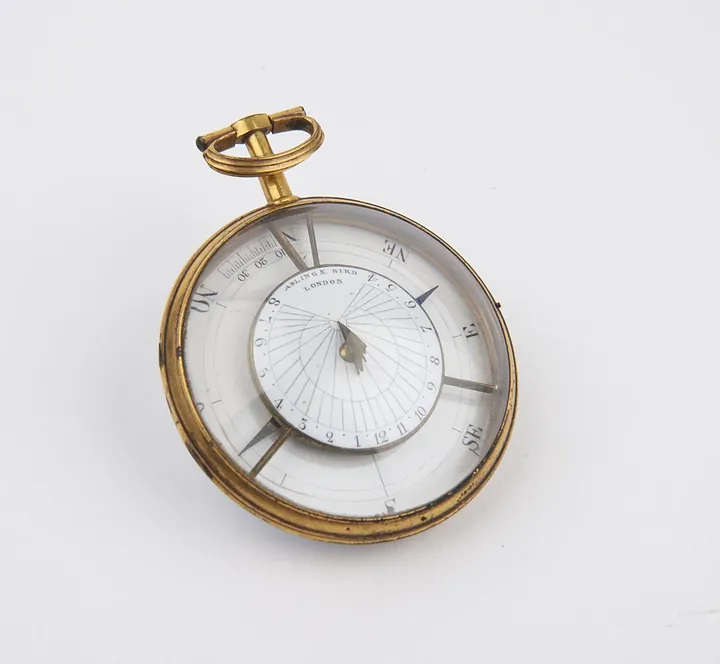
Horizontal compass sundial for latitude for 42 degrees, signed "Asling & Bird, London", in watch type case. English, c.1840.
Science Museum Group, London
Instruments · 1831–1870
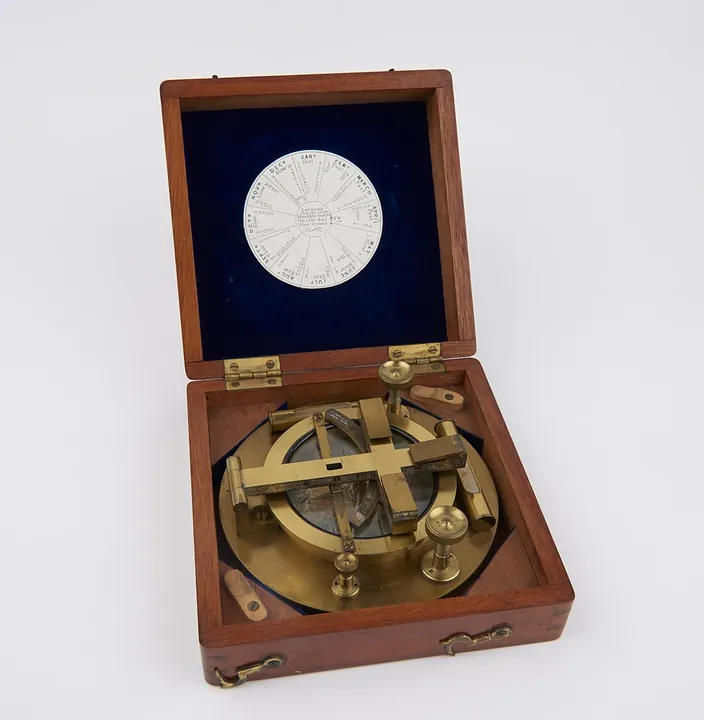
Sundial, in mahogany case
Science Museum Group, London
Instruments · 1850–1872
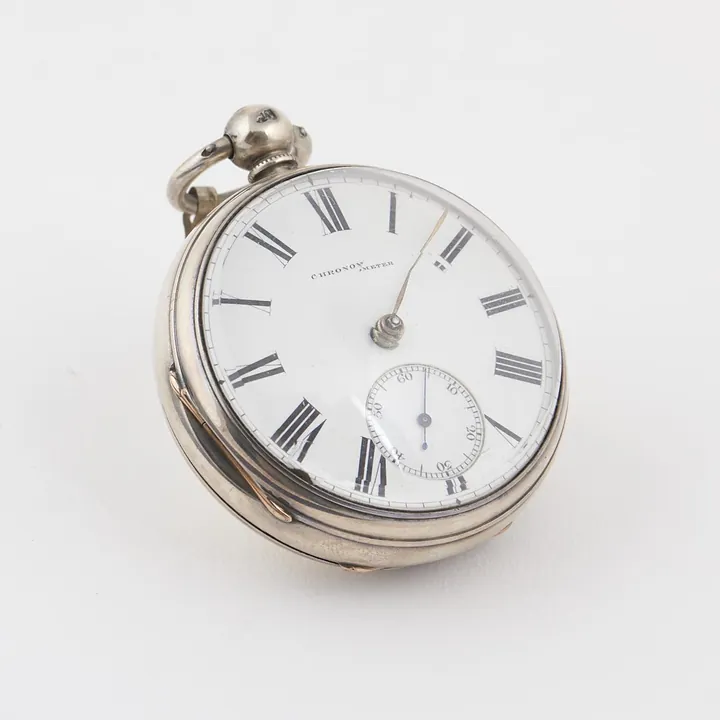
Chronometer watch in silver case by John Arnold and Son, London, no.454/755. Hall marked 1872
Science Museum Group, London
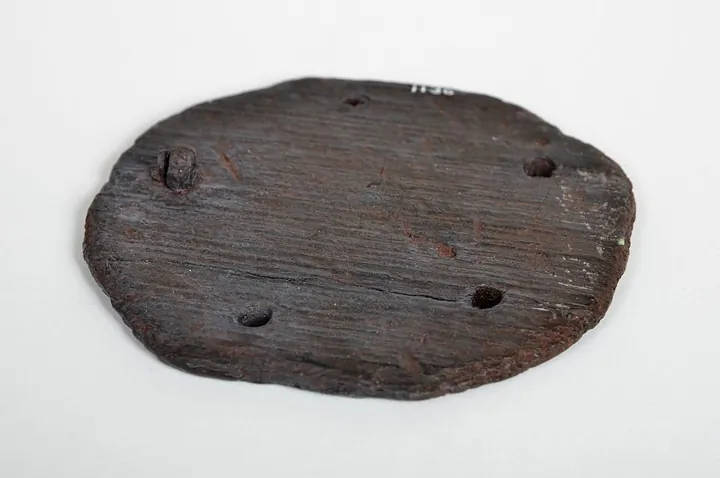
Instruments · 1850–1899
Hourglass, England, 1850–1899 (no. 01136)
Vasa Museum
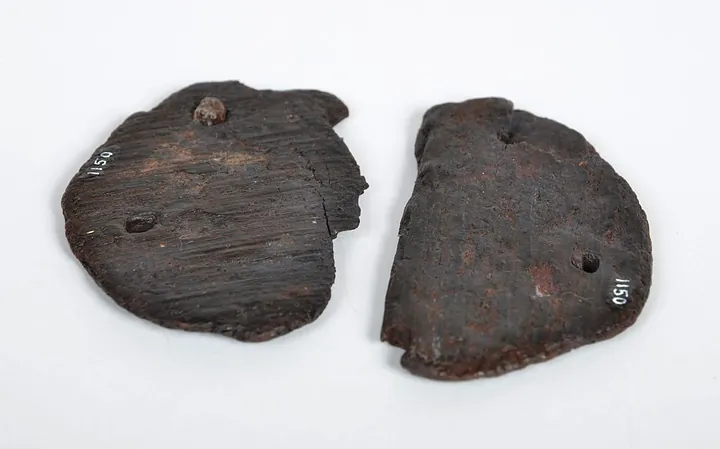
Instruments · 1850–1899
Hourglass, England, 1850–1899 (no. 01150)
Vasa Museum
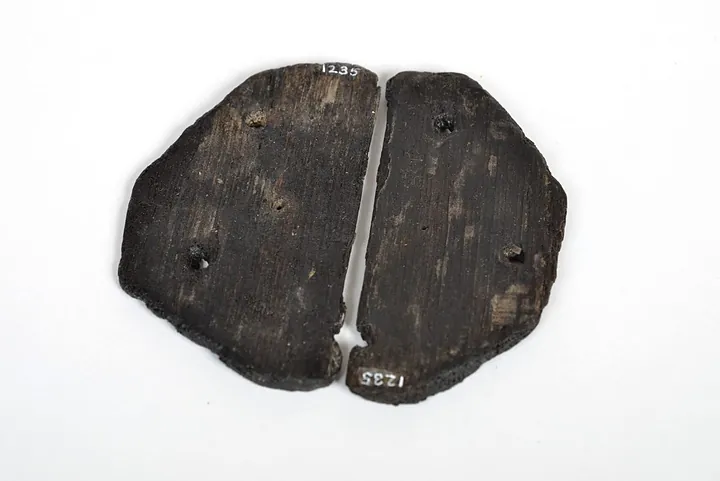
Instruments · 1850–1899
Hourglass, England, 1850–1899 (no. 01235)
Vasa Museum
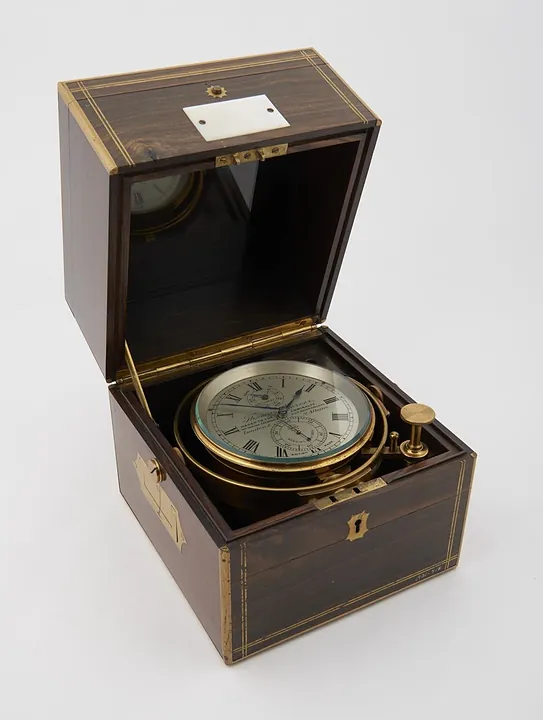
Instruments · 1850–1880
Two-day Marine chronometer, by Thomas Mercer, St Albans, no.12827, in ebony case, 1860-1930
Science Museum Group, London
Instruments · c. 1860
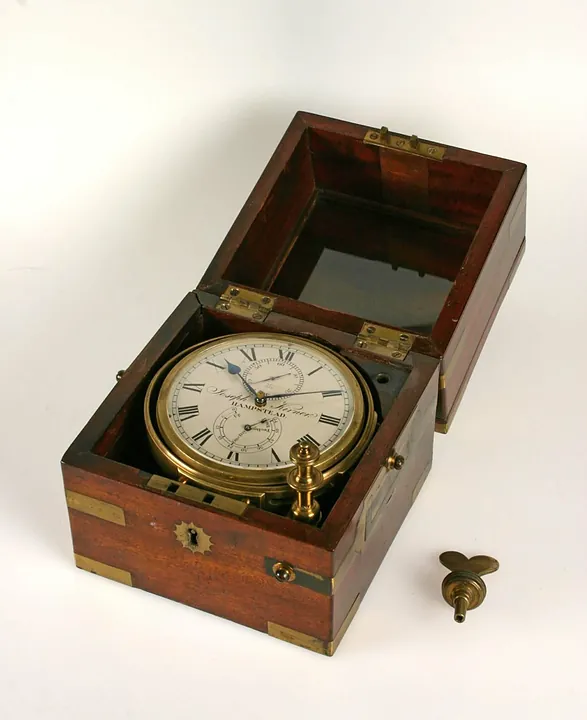
Marine chronometer by Joseph Kirner, England, c. 1860
German Clock Museum