
Instruments · Stopwatch
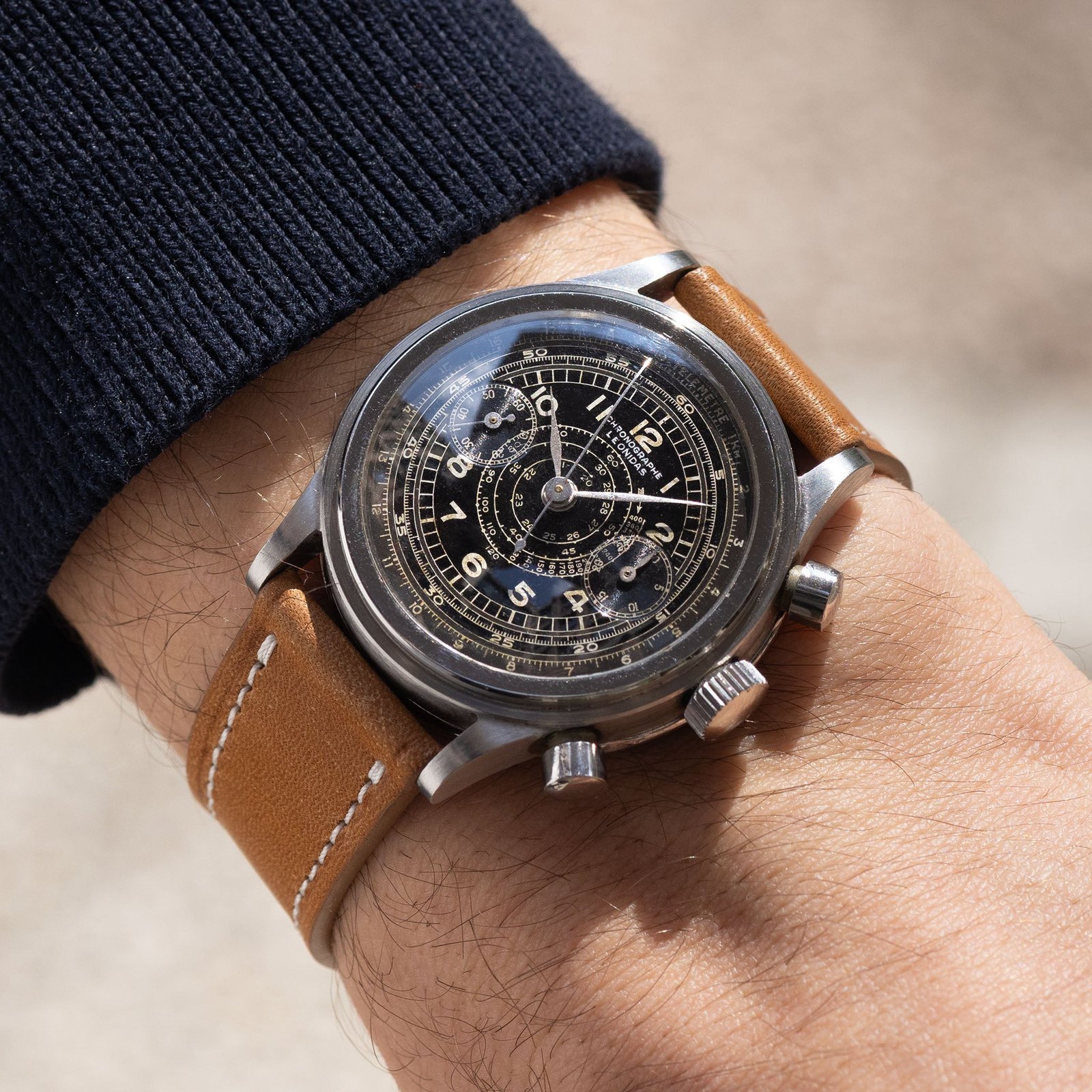
Leonidas Oversized Steel Step Case Millitary Style Chronograph Black Dial Valjoux 22, 1940s
- Maker / attribution
- Leonidas (maker)
- Date
- 1940s
- Historical period
- Golden Age of Mechanical Watchmaking (1900 – 1945)
- Country of origin
- Unrecorded in source
- Object type
- Stopwatch
- Materials / technique
- steel
- Dimensions
- Case 39 mm
- Stock no.
- W-3755
- Credit line
- Dealer listing, Bulang & Sons (W-3755)
- Catalogue title (original)
- Leonidas Oversized Steel Step Case Millitary Style Chronograph Black Dial Valjoux 22 (English)
View the source record (dealer listing) ↗ (opens another website in a new tab)Suggest a correction
Record summary
Catalogued by Bulang & Sons (dealer), Copenhagen (stock number W-3755), this is a stopwatch by Leonidas, dated 1940s. The Atlas places it in the Golden Age of Mechanical Watchmaking period (1900 – 1945) of its Instruments collection. Materials and techniques recorded by the source: steel. Recorded dimensions: Case 39 mm. The record is illustrated with 6 photographs.
Assembled from the source record's structured fields. Dates and attributions are given as the source states them; where a field is missing the Atlas leaves it blank rather than estimating.
Catalogue description
Dealer description — Bulang & Sons
Founded in 1841 by Julien Bourquin in Saint-Imier, Switzerland, Leonidas built a strong reputation for precision chronographs, stopwatches, and military timepieces. In 1964, the brand merged with Heuer to form Heuer-Leonidas—combining forces and expanding their presence in the world of aviation and military chronographs. This partnership would go on to produce icons like the Carrera and Autavia, and play a role in the development of the groundbreaking Calibre 11 automatic chronograph in 1969. This example takes us back to the 1940s—a proper oversized chronograph at 39mm, and one that immediately stands out. The case features the rare and desirable so-called “step case,” with a clearly defined ridge between the bezel and mid-case, giving it a more technical, almost industrial look. Details are spot on. Pump pushers, a clean screw-back case, and proportions that just work. The dial leans heavily into that military aesthetic. Bold Arabic numerals, a snail track, and an outer telemeter scale—used to measure distance based on the time between a visible event and the sound reaching you, often associated with artillery use. Whether officially issued or not, it has all the right cues. Two sub dials handle the chronograph functions, while the leaf-style hands—without lume—keep the look sharp and balanced. Inside, you’ll find the legendary Valjoux 22—a hand-wound chronograph movement known for its reliability and crisp operation. It has been serviced by our watchmaker and is ready to go. Paired with a Bulang & Sons leather strap, this is one of those watches that just works—full of character, with the kind of presence you don’t come across every day. A proper vintage chronograph with all the right details—get in touch! Specifications: Leonidas Millitary style Chronograph 39mm Steel step-case, with snap back case-back Case number 53xx Dates to the 1940s Black dial with two-register black dial, multi scales Leaf style hands Valjoux 22 movement Movement number 21x Comes on pictured Bulang and sons leather strap Fully serviced by our watchmaker
Historical context
Golden Age of Mechanical Watchmaking (1900 – 1945)
The wristwatch displaces the pocket watch; waterproof cases, self-winding and grand complications.
Timing instruments became electrical and specialised: industrial time recorders, sports timers and aviation instruments.
Read the period in the timelineMore instruments from this periodEarlier: Industrial Revolution
Atlas type guide
Timers, stopwatches, chronoscopes and time recorders
Instruments for measuring short intervals or recording when something happened form a large and practical branch of horology. Sports stopwatches and split-seconds timers, laboratory chronoscopes (such as Hipp's, which measured thousandths of a second for psychology and ballistics experiments), metronomes for music, watchmen's clocks that recorded patrol rounds, and the time recorders that clocked factory workers in and out all derive from clock and watch technology.
These objects matter historically because they show timekeeping leaving the observatory and the drawing room and entering industry, science and sport. Many were mass-produced, and their dials, scales and patents chart the rise of electrification and industrial management.
What to look for
- Scales graduated in fifths, tenths or hundredths of a second, or decimal minutes for industrial use.
- Start, stop and reset push-pieces; a second hand that can be stopped independently (split seconds).
- Recording devices: paper discs or tapes, printing mechanisms, keys or punches.
- Patent numbers and dates on the dial or case, which give a terminus post quem.
Dating clues
- Hipp chronoscopes were made from the 1840s into the twentieth century.
- Employee time recorders spread from the 1890s (Bundy, IBM, International Time Recording Co.).
- Quartz and electronic timers replaced mechanical stopwatches in sport from the 1970s.
General guidance written by the Atlas editors about this kind of object. It is not a statement about this particular piece; for that, rely on the source record above and on physical examination.
Read next:Flyback chronograph
Related records
Clocks · c. 1950s
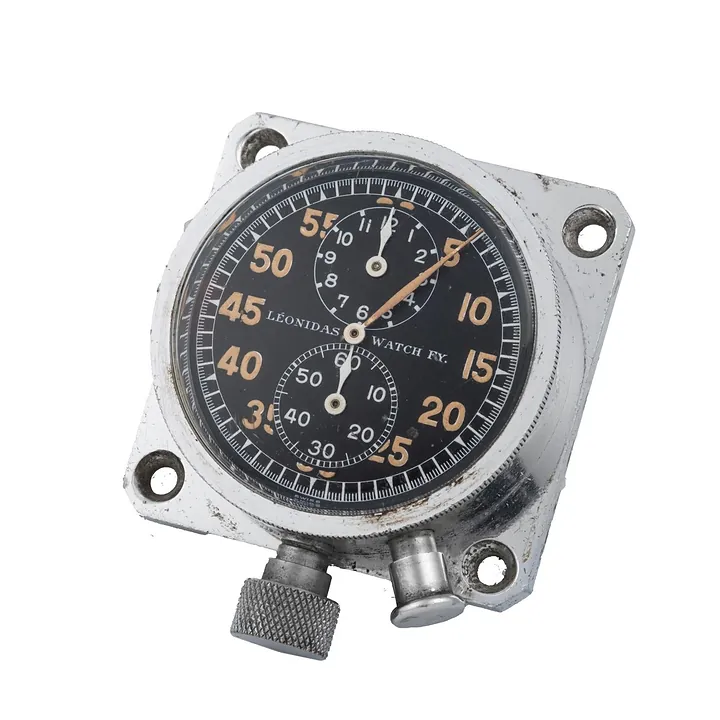
Leonidas clock, ref. 68901, c. 1950s
Antiquorum auction archive, Geneva
Wristwatches · c. 1940s
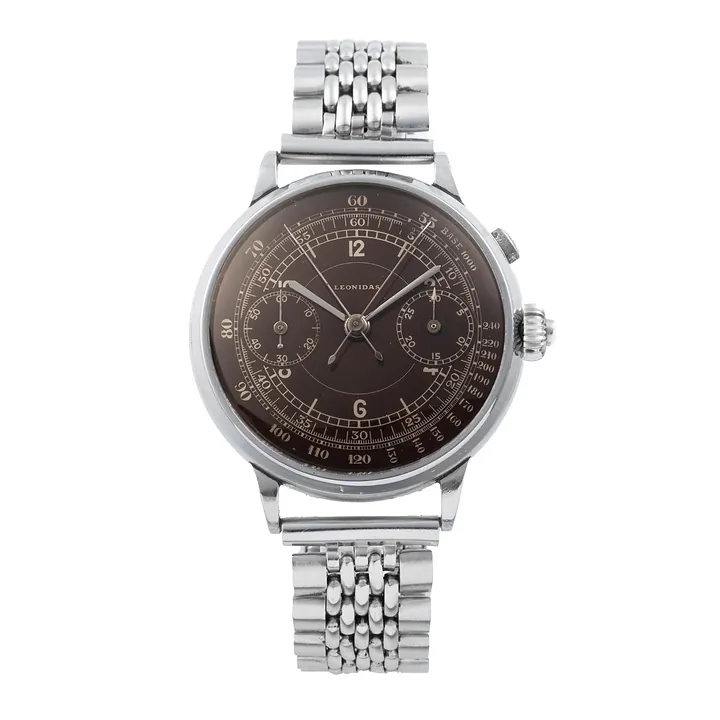
Leonidas wristwatch, c. 1940s
Antiquorum auction archive, Geneva
Wristwatches · c. 1960s
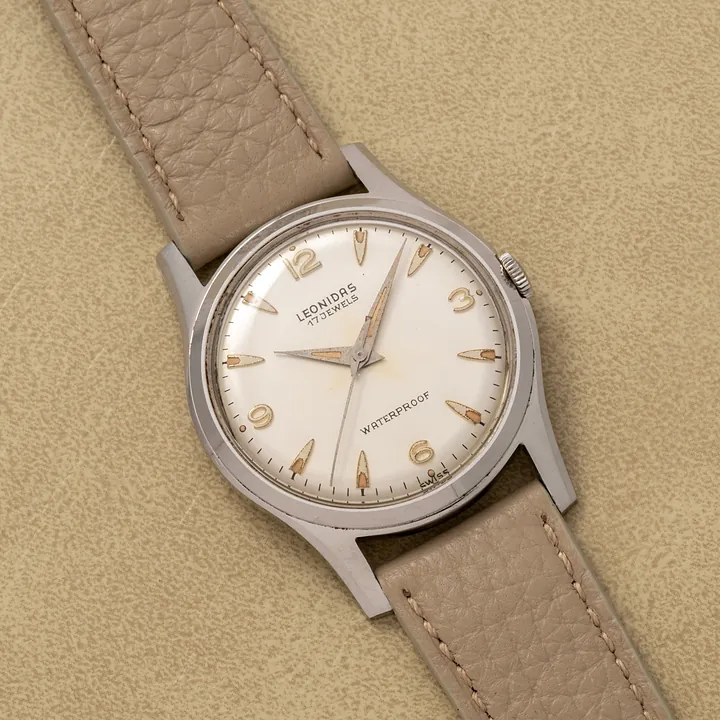
Leonidas 'Explorer' Field Watch, c. 1960s
Analog/Shift (dealer), New York
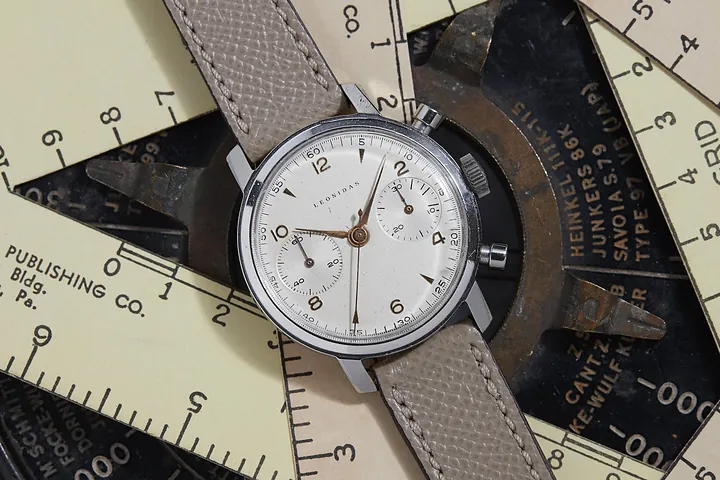
Wristwatches · c. 1950s
Leonidas Two-Register Chronograph, c. 1950s
Analog/Shift (dealer), New York
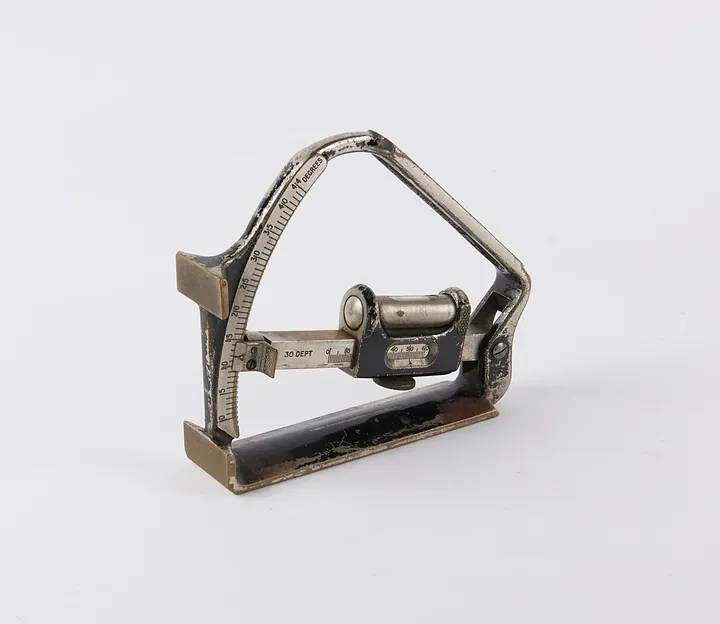
Instruments · Undated (20th century)
Field chronometer, Mark IV, no. 1621, by Taylor & Hobson Ltd.
Science Museum Group, London
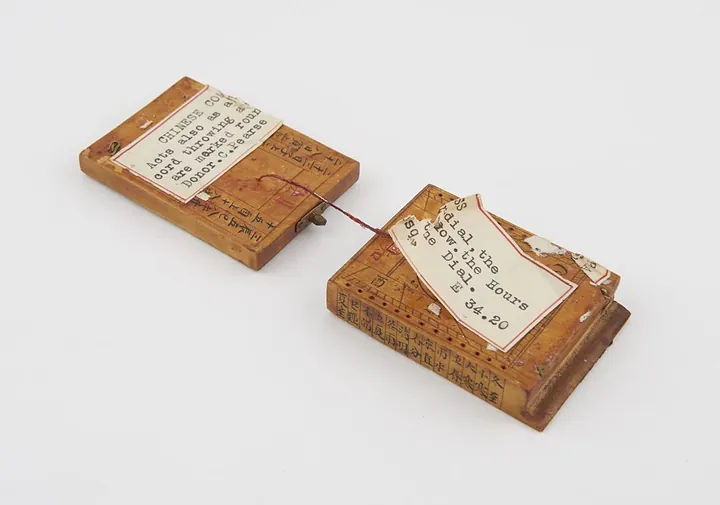
Instruments · 1880–1920
Compass and sundial, two hinged wooden blocks, compass needle set into one, covered with glass windows, painted with Chinese characters, Chinese, 1880–1920
Science Museum Group, London
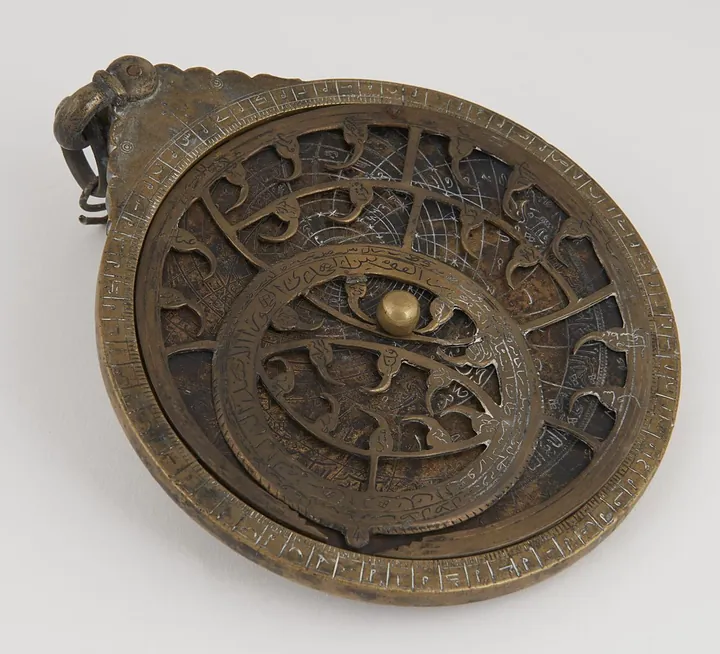
Instruments · 1890–1930
Decorative fake Islamic astrolabe with four plates and sightless alidade, pin missing.
Science Museum Group, London
Instruments · 1890–1930
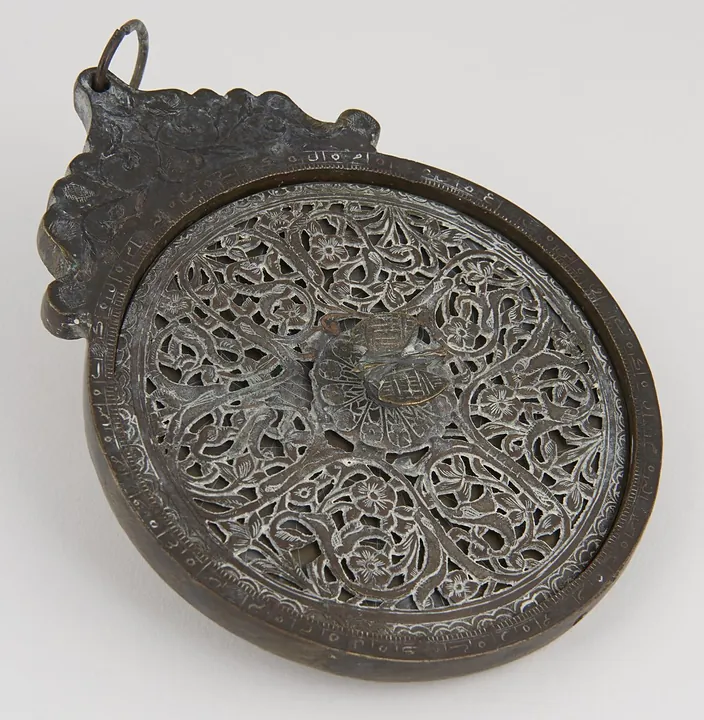
Decorative fake Islamic astrolabe, Arabic origin, brass, with four plates and foliate cover.
Science Museum Group, London