
The Horology Museum
The Catalogue
Matching records
23 records · page 1 of 1
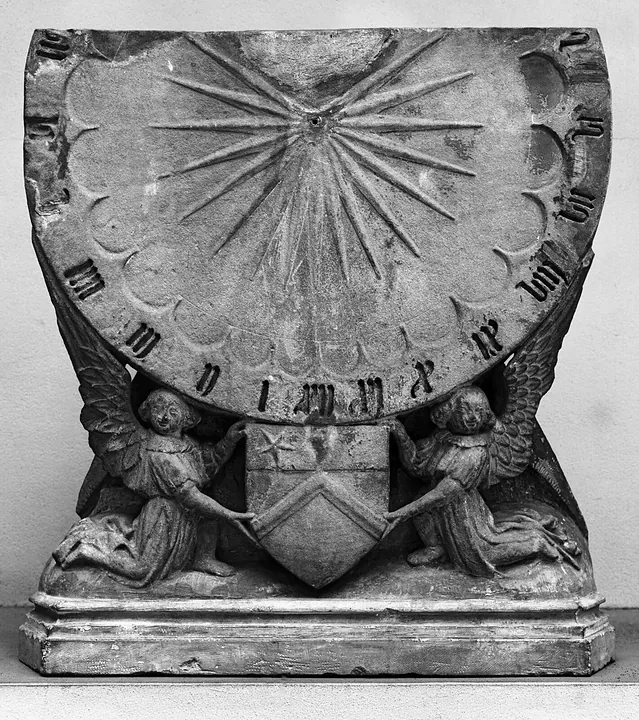
Instruments · late 15th century
Sundial, stone, northern France, late 15th century
Victoria and Albert Museum, London
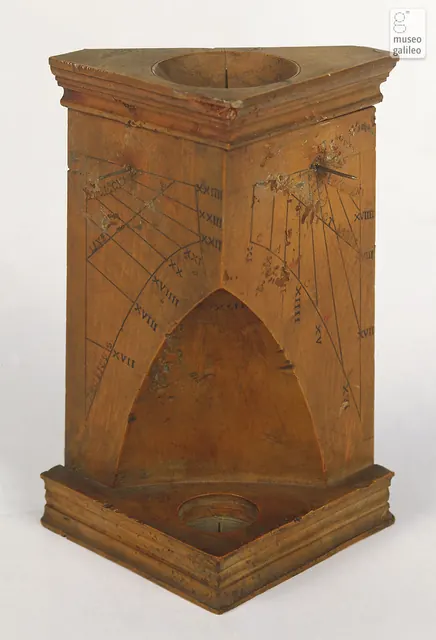
Instruments · late 16th century
Polyhedral dial attributed to Girolamo della Volpaia, Italy, late 16th century
Museo Galileo, Florence
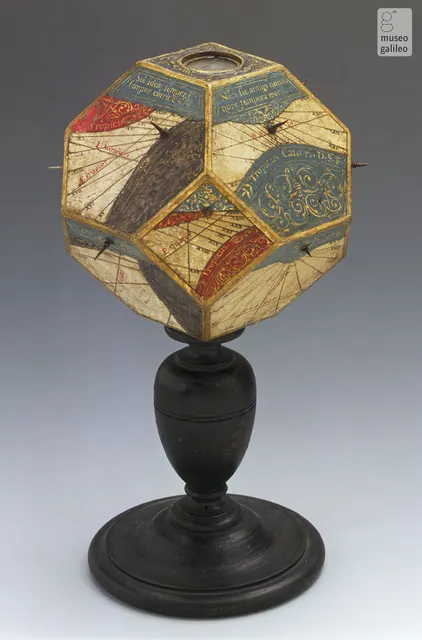
Instruments · late 16th century
Polyhedral dial attributed to Stefano Buonsignori, Italy, late 16th century
Museo Galileo, Florence
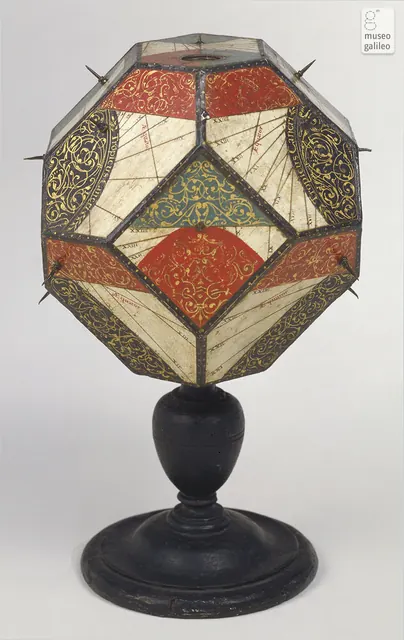
Instruments · late 16th century
Polyhedral dial by Stefano Buonsignori, Italy, late 16th century
Museo Galileo, Florence
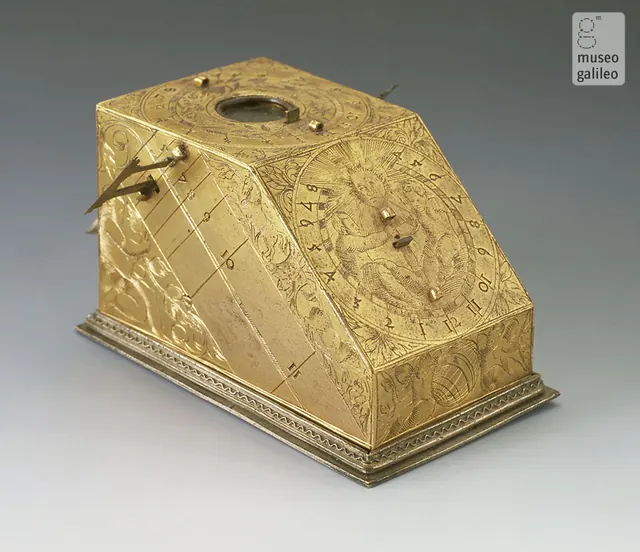
Instruments · late 16th century
Polyhedral dial, Germany, late 16th century
Museo Galileo, Florence
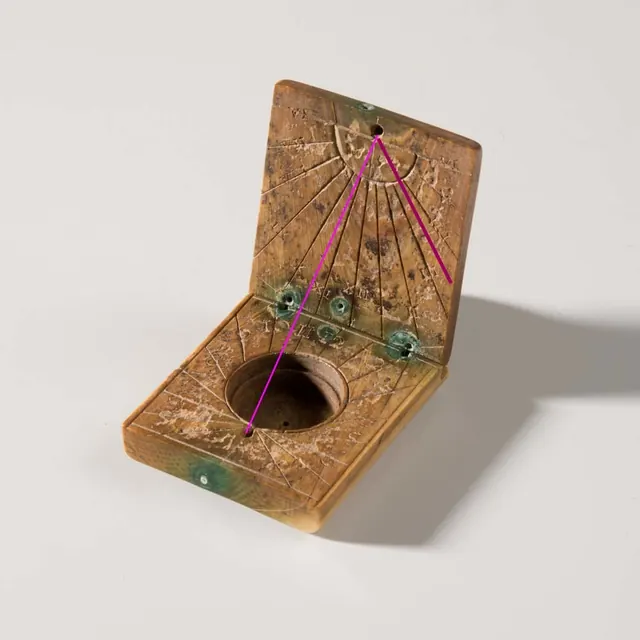
Instruments · 1573
Sundial, 1573
Valkhof Museum
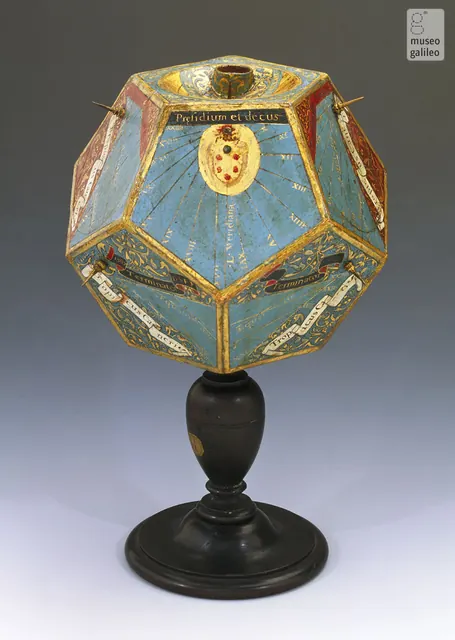
Instruments · 1587
Polyhedral dial by Stefano Buonsignori, Italy, 1587
Museo Galileo, Florence
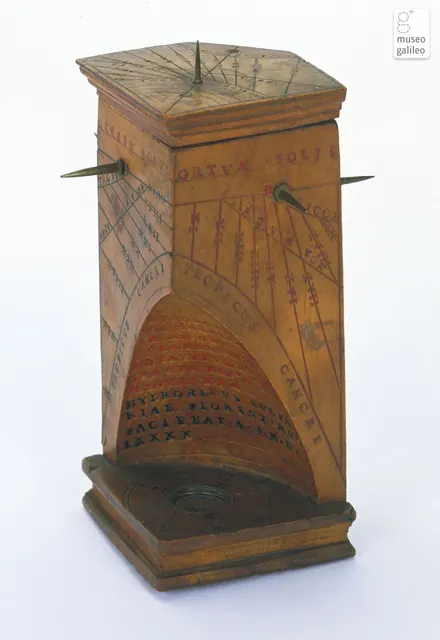
Instruments · 1590
Polyhedral dial by Girolamo della Volpaia, Italy, 1590
Museo Galileo, Florence
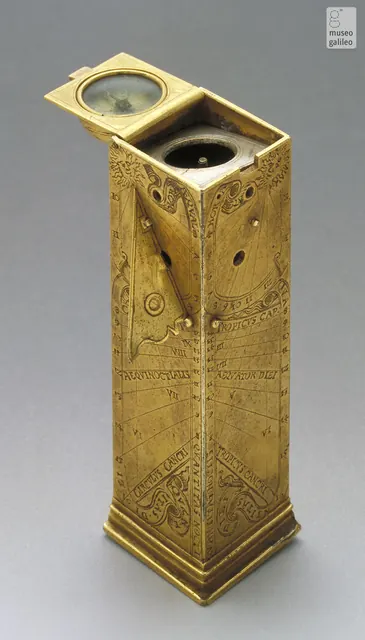
Instruments · c. 1600
Vertical dial, Germany, c. 1600
Museo Galileo, Florence
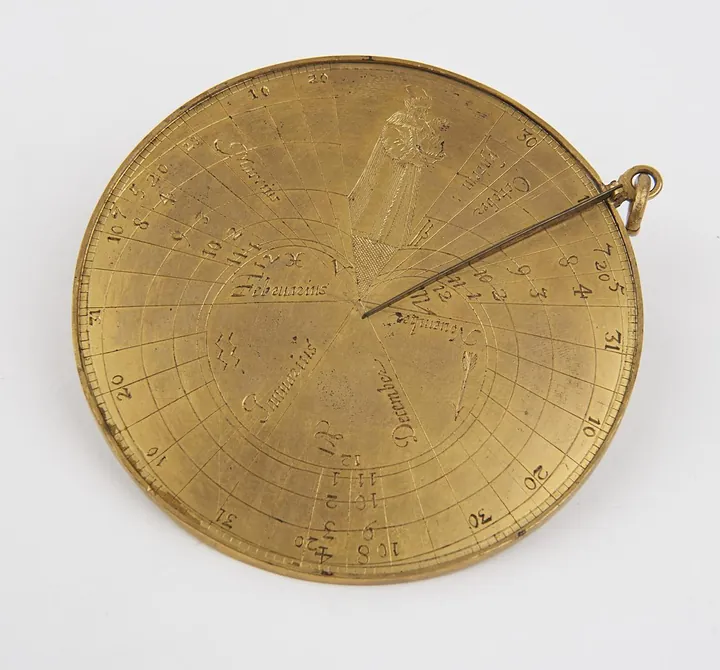
Instruments · 1601–1700
Vertical plate sundial for latitude 49 degrees, with scales for the winter months on one side and the summer months on the other. German, ? 17th century
Science Museum Group, London
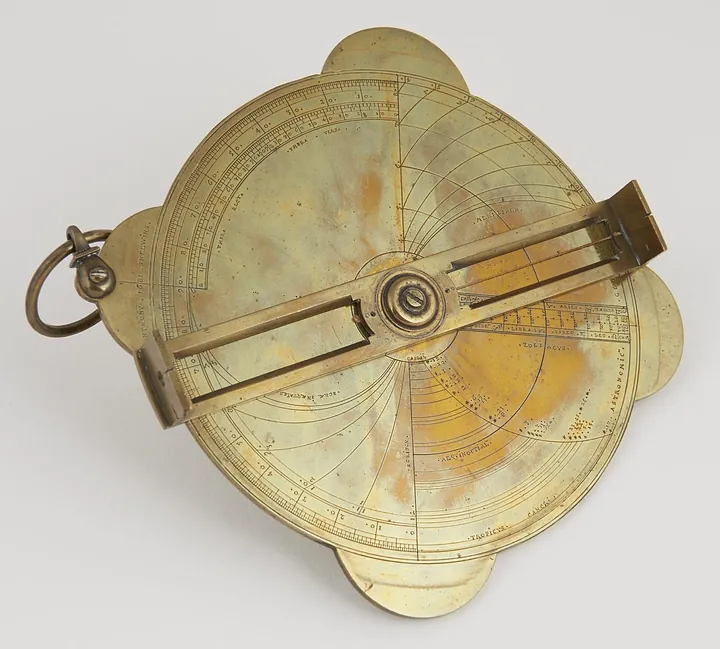
Instruments · 1681
Combined star and sun (altitude) dial, signed Anthony Sneewins, Delft, Holland, dated 1681.
Science Museum Group, London
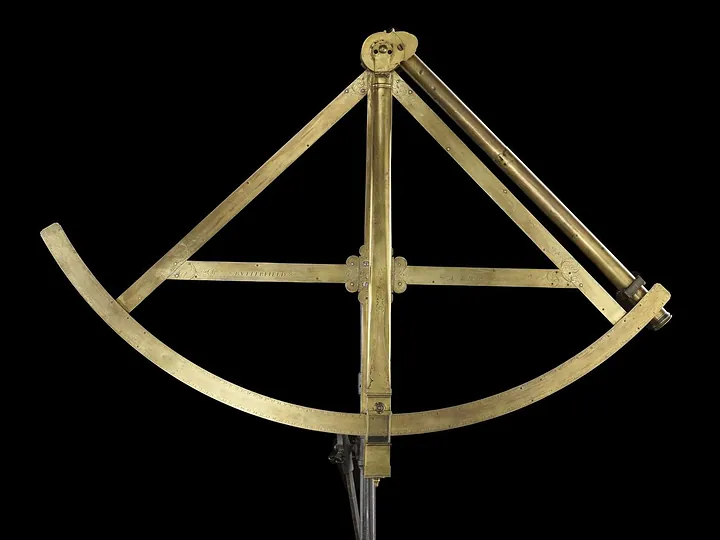
Instruments · 1685–1724
Armillary / astronomical instrument by Michael Butterfield, France, 1685–1724
Science Museum Group, London
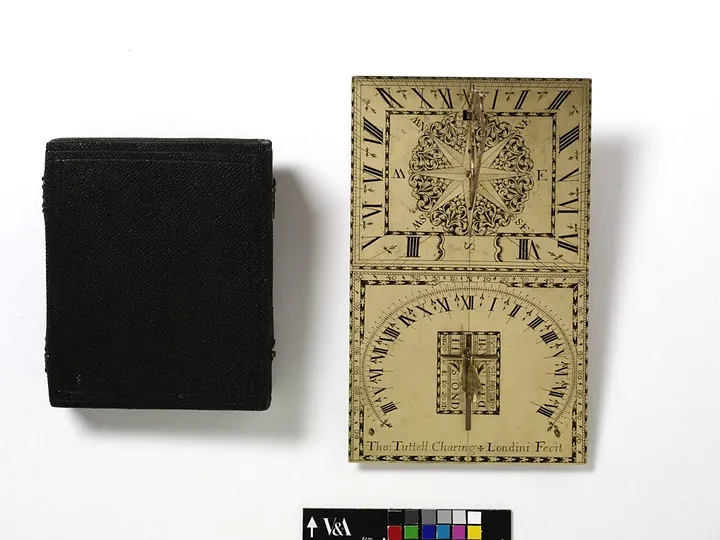
Instruments · 1695–1702
Brass sundial and shagreen case, England, 1695–1702, Thomas Tuttell.
Victoria and Albert Museum, London
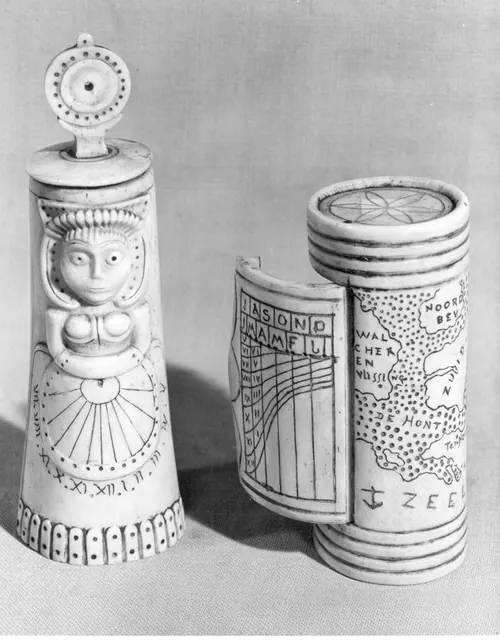
Instruments · uncertain 1701/1800
Sundial, uncertain 1701/1800
Royal Institute for Cultural Heritage
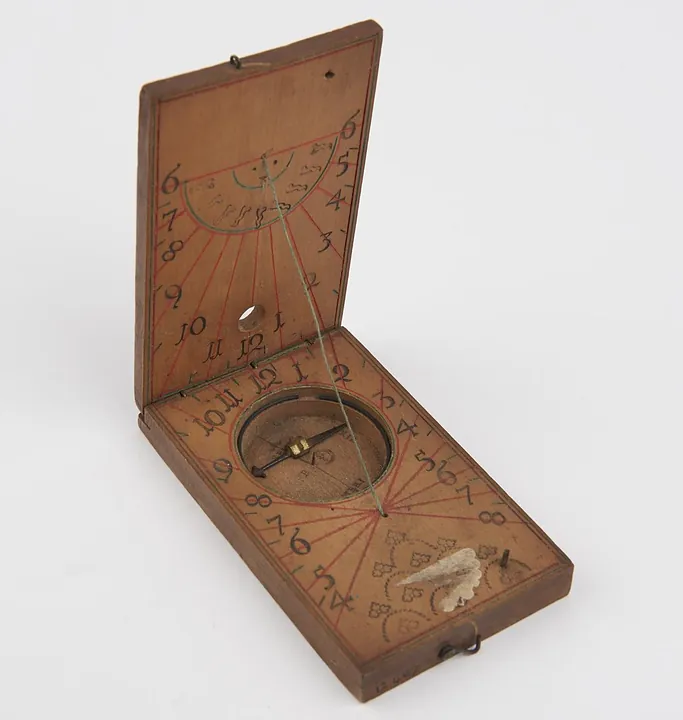
Instruments · 1751–1800
Wooden diptych sundial for latitude 48 degrees, with vertical and horizontal dials, cover glass missing. German, second half of the 18th century. (A45412)
Science Museum Group, London
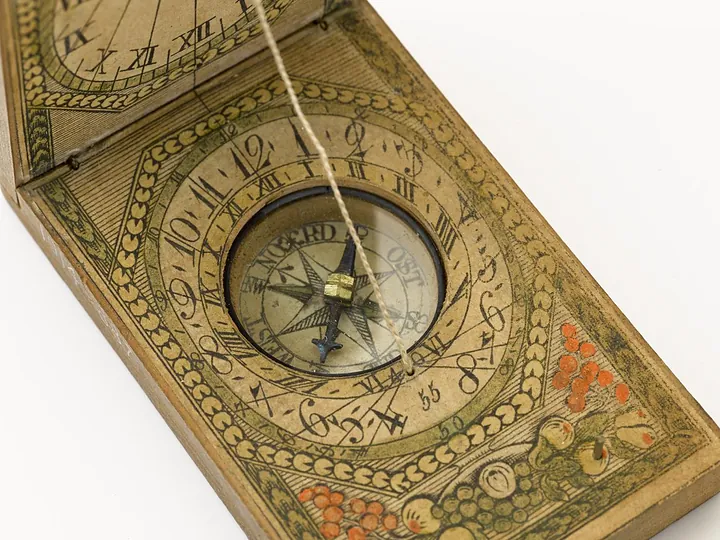
Instruments · 1776–1800
Wooden pocket sundial. Horizontal and vertical dials for use at various latitudes on moving style, Germany, 1776–1800 (see note).
Science Museum Group, London
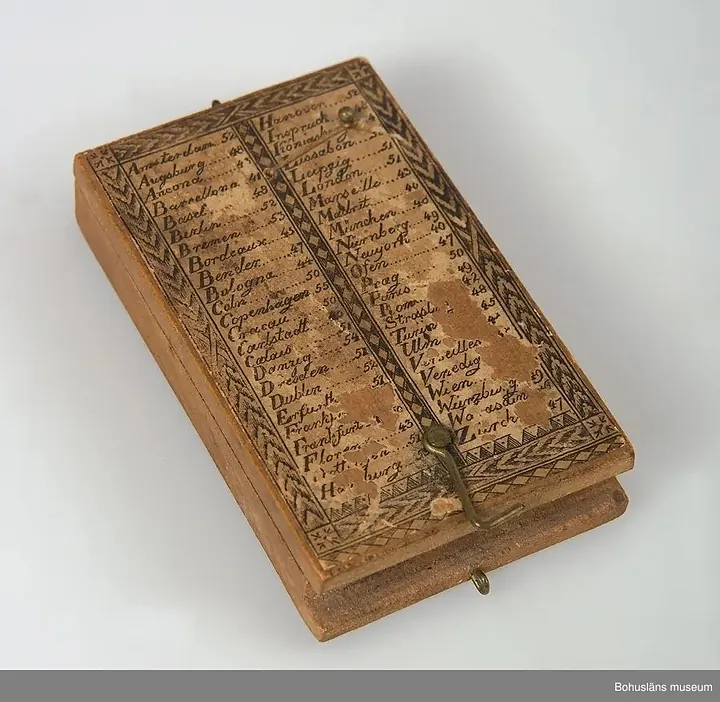
Instruments · 1800
Sundial by Ernst Christoph Stockert, Germany, 1800
Bohuslän Museum
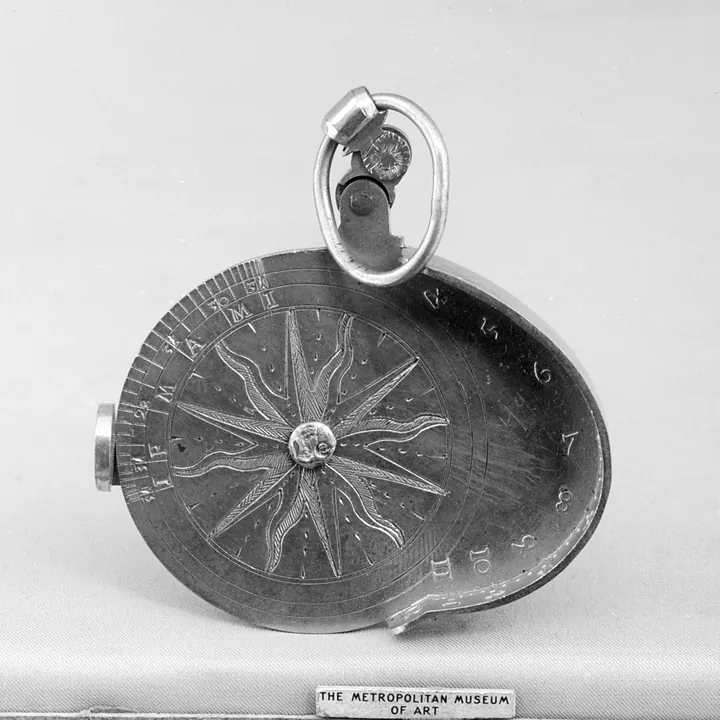
Instruments · 19th century
Vertical sundial by H.W. W., 19th century
The Metropolitan Museum of Art, New York
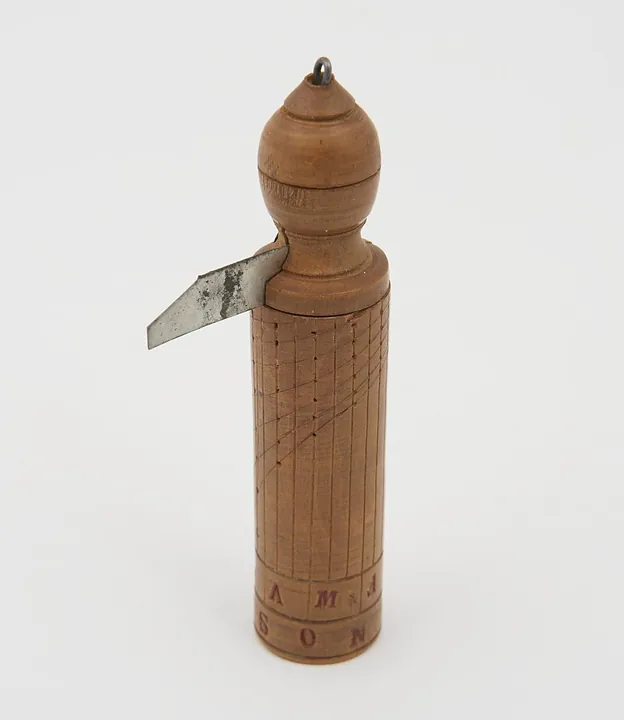
Instruments · 1801–1900
Cylinder sundial or 'Shepherd's dial', for use at latitude 42°. Rough construction. Made in France, 1801–1900 (see note).
Science Museum Group, London
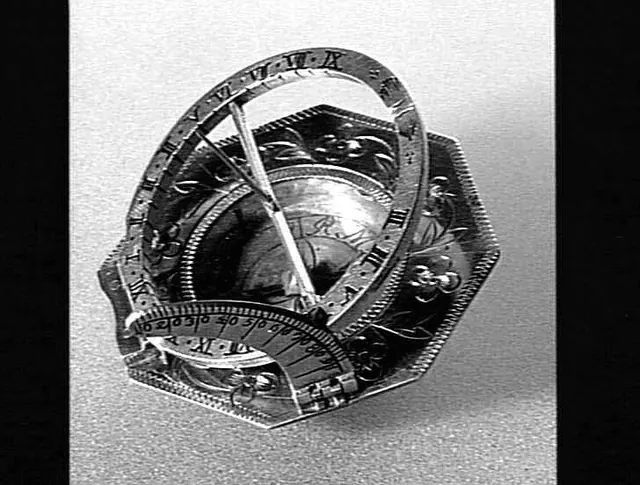
Instruments · c. 1820
Sundial - Equatorial, Johann Schrettegger, Augsburg, Germany, c. 1820
Museums Victoria, Melbourne
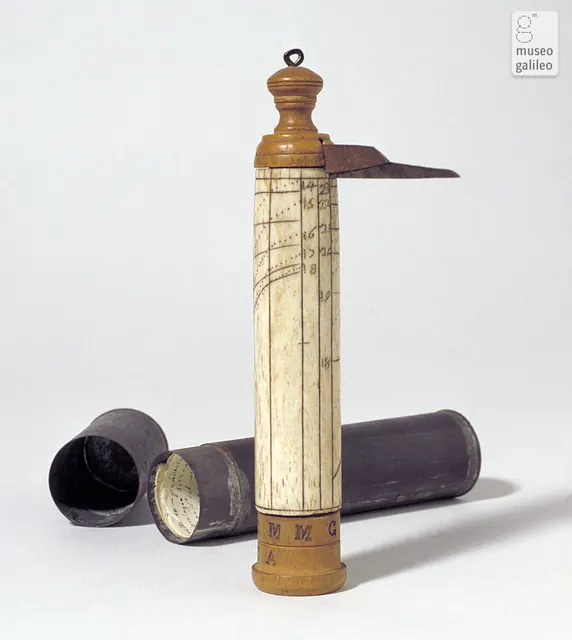
Instruments · 1844
Vertical cylinder dial by Paolo Contarini, 1844
Museo Galileo, Florence
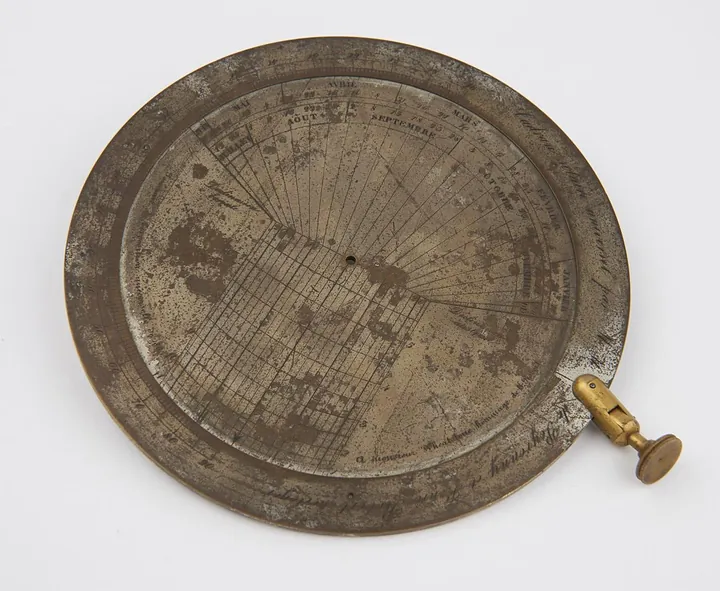
Instruments · 1855
Sundial by Henri de Peyronny and Robert, 1855
Science Museum Group, London
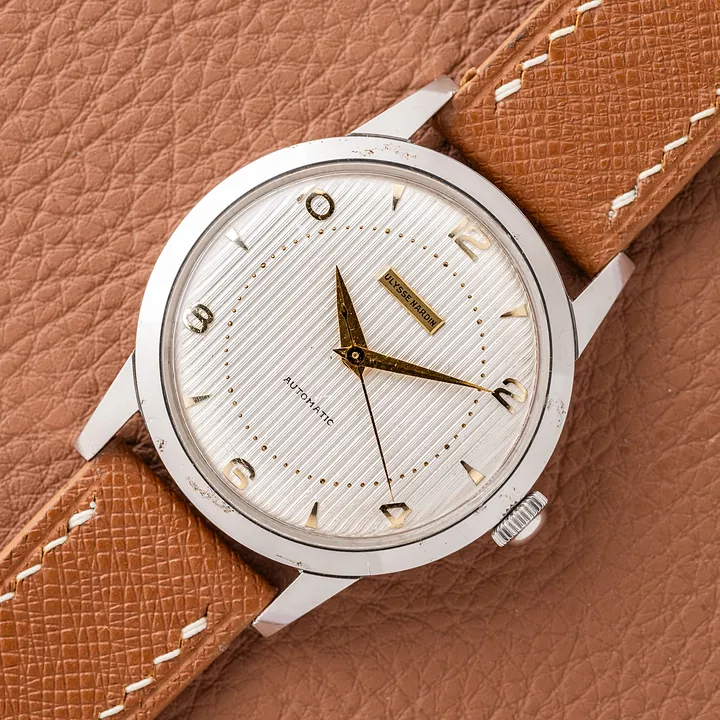
Instruments · 1950s
Ulysse Nardin Automatic Silver Guilloché Tapestry Dial, 1950s
Huntington Company (dealer)