
Clocks · Clock
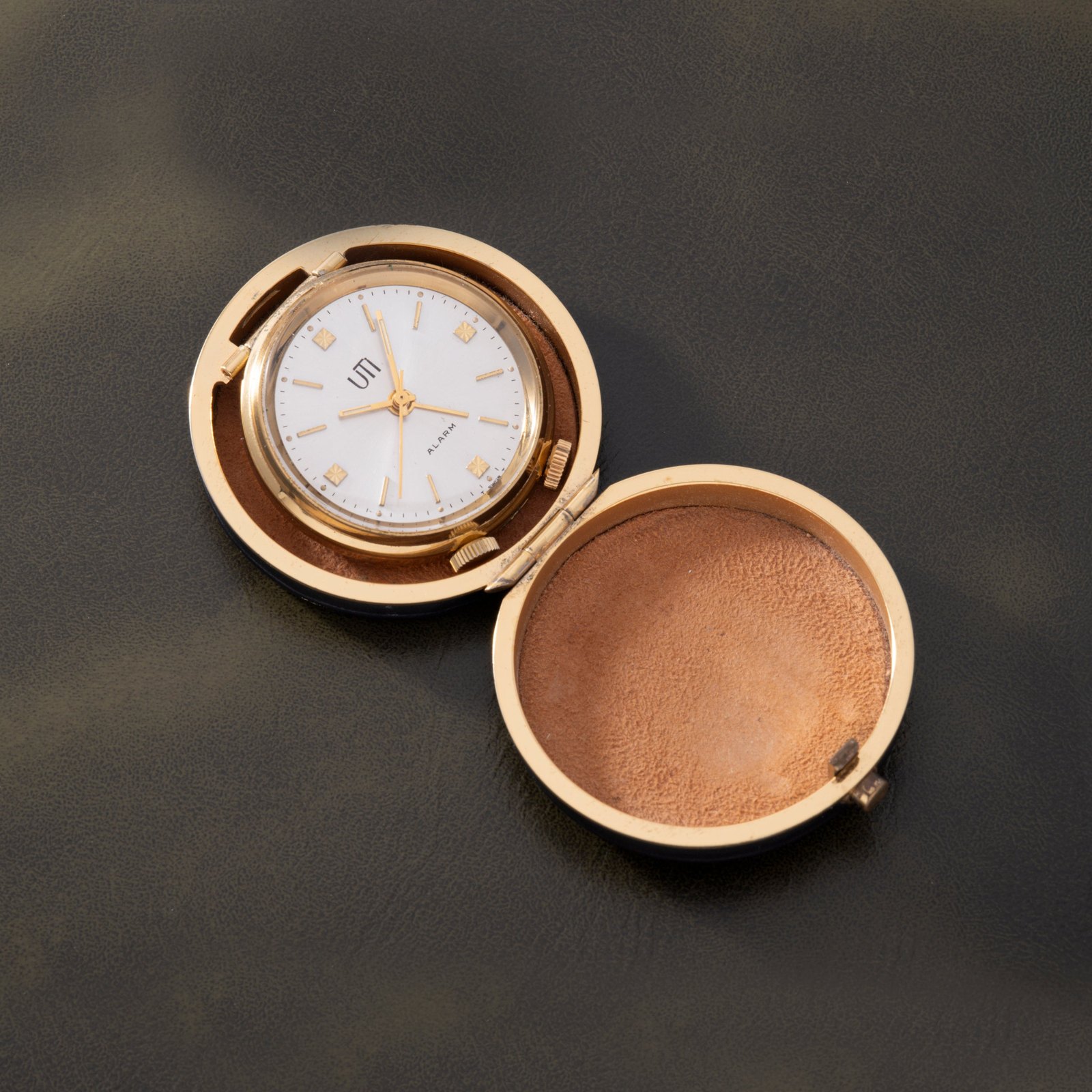
UTI Travel Alarm Clock, 1950s
- Maker / attribution
- UTI (maker)
- Date
- 1950s
- Historical period
- Modern Mechanical Horology (1945 – 1969)
- Country of origin
- Unrecorded in source
- Object type
- Clock
- Dimensions
- Case 46 mm
- Stock no.
- 40993012
- Credit line
- Dealer listing, Analog/Shift (40993012)
- Catalogue title (original)
- UTI Travel Alarm Clock (English)
View the source record (dealer listing) ↗ (opens another website in a new tab)Suggest a correction
Record summary
Catalogued by Analog/Shift (dealer), New York (stock number 40993012), this is a clock by UTI, dated 1950s. The Atlas places it in the Modern Mechanical Horology period (1945 – 1969) of its Clocks collection. Recorded dimensions: Case 46 mm. The record is illustrated with 6 photographs.
Assembled from the source record's structured fields. Dates and attributions are given as the source states them; where a field is missing the Atlas leaves it blank rather than estimating.
Catalogue description
Dealer description — Analog/Shift
Sure, Analog:Shift is a business built around the love of watches — mostly mechanical watches. But, in essence, it’s our love for timepieces and timekeeping in general that are the common themes throughout the items we procure. And that includes the love of clocks in general: pocket watches, travel clocks, and more. After all, in the couple hundred years before the First World War, personal timekeeping was all about the pocket watch, and before that, it was larger clocks that were front and center, horologically. We still believe a good clock — such as a classic travel model from the 1920s or 1930s — has a place in the watch lover’s collection. Dating to the 1950s, this handsome travel alarm clock is from UTI (or UTINAM), a defunct French manufacturer that designed beautiful pocket and railways stopwatches before its purchase by Matra in 1984. Mounted within a 46mm black leather and brass hinged pouch with a 'push-button' closure, it consists of a 35mm 'gilt' brass and chrome snapback case with twin unsigned crowns at 5 and 7 o'clock and an acrylic crystal. Paired to this is a handsome silver 'sunburst' dial with applied 'gilt' indices and luminous tritium plots, a luminous 'obelisk' handset, and non-luminous seconds and alarm indicator hands. Lined in tan suede and powered by a 17-jewel hand-wound movement, this attractive alarm is poised to accompany its next owner on a host of international adventures. Ready to put your phone down and enjoy the analog life for a bit? Then be sure to snag this handsome alarm before someone beats you to it!
Historical context
Modern Mechanical Horology (1945 – 1969)
Tool watches for divers, pilots and astronauts; electric watches anticipate the electronic age.
Post-war clocks combined new materials and industrial design: plastic and metal cases, battery-powered transistor movements from the late 1950s, and design classics by George Nelson, Max Bill and others. The first caesium atomic clock (1955) moved the definition of time from astronomy to physics.
Read the period in the timelineMore clocks from this periodEarlier: Golden Age of Mechanical Watchmaking
Atlas type guide
Alarm clocks
Alarm work is among the oldest clock functions: monastic clocks woke monks for night prayers, and Renaissance table clocks often carried an alarm disc set by a pin. A separate spring or weight is released at the set time and drives a hammer against a bell. Some early alarms also lit a candle by striking a flint — the 'tinder pistol' alarm.
The cheap, mass-produced alarm clock arrived in the second half of the nineteenth century. American firms such as Seth Thomas and Westclox (the 'Big Ben' of 1910) and German makers such as Junghans and Kienzle made millions of drum-shaped alarms with pin-pallet escapements. Electric, quartz and digital alarm clocks followed in the twentieth century.
What to look for
- A separate alarm-setting dial or disc and an extra winding key.
- Twin bells on top (common after c. 1920) or a bell enclosed in the base.
- Pin-pallet escapements in inexpensive factory alarms.
- Trademarks and patent dates on dial or back.
Dating clues
- Renaissance alarm table clocks: sixteenth to seventeenth centuries.
- Drum alarm clocks: from the 1870s.
- Luminous dials with radium paint: c. 1910–1960.
General guidance written by the Atlas editors about this kind of object. It is not a statement about this particular piece; for that, rely on the source record above and on physical examination.
Related records
Clocks · c. 1960
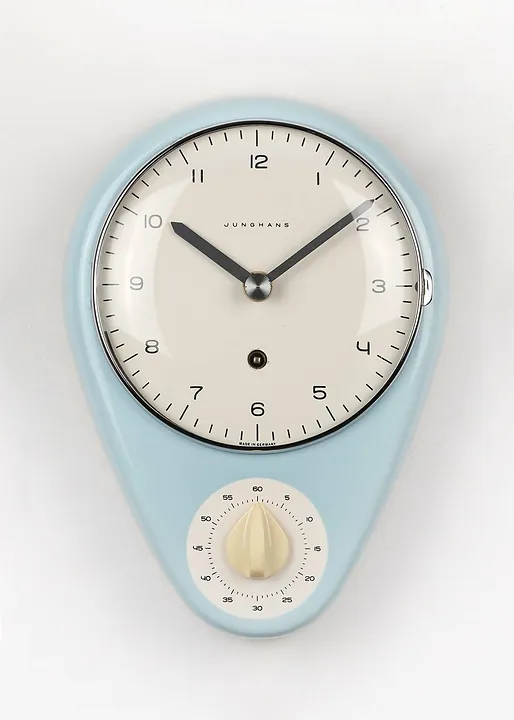
Clock, Germany, c. 1960 (no. 58196)
German Clock Museum
Clocks · 1930–1960
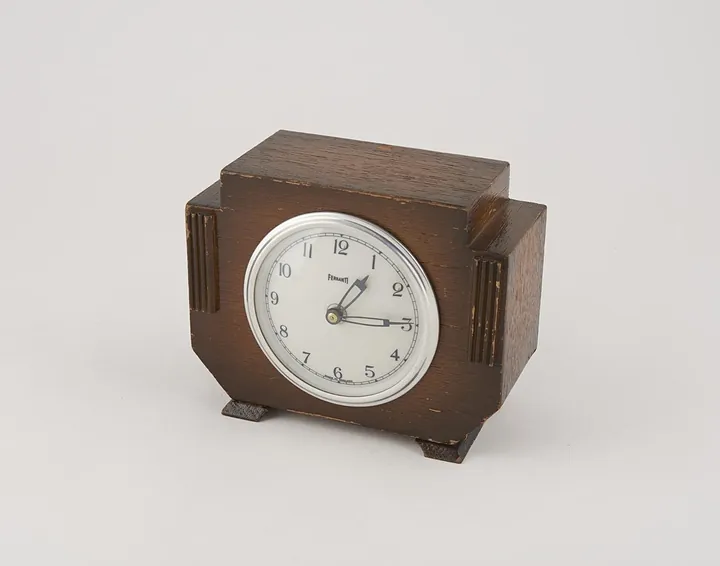
Ferranti electric mantel clock. (no. Y1996.10.820)
Science Museum Group, London
Clocks · 1931–1970
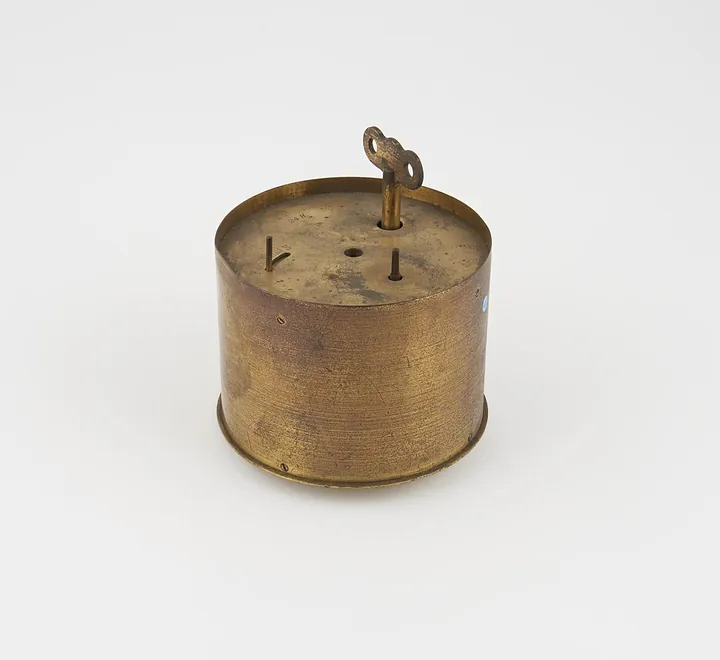
Clock and drum for recorder, 24 hours, English, 1931–1970.
Science Museum Group, London
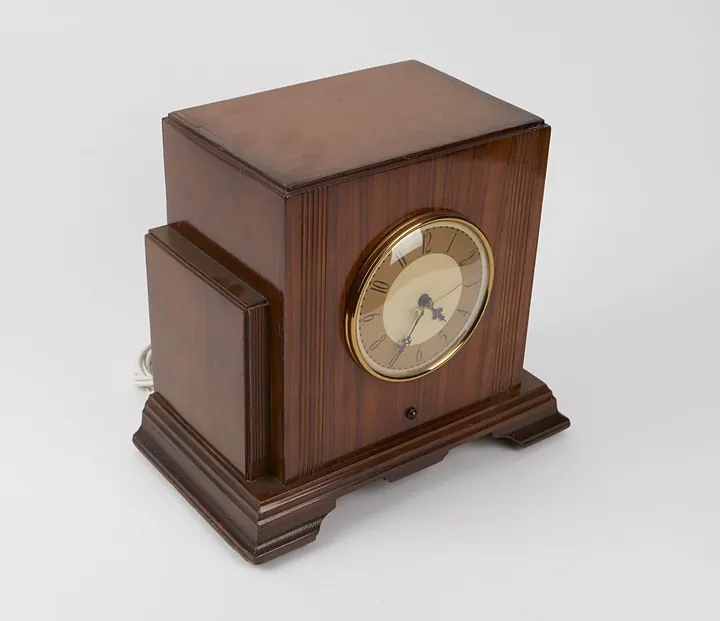
Clocks · 1937; 1980
Clock by Bestone and Hammond, United States, 1937; 1980
Science Museum Group, London
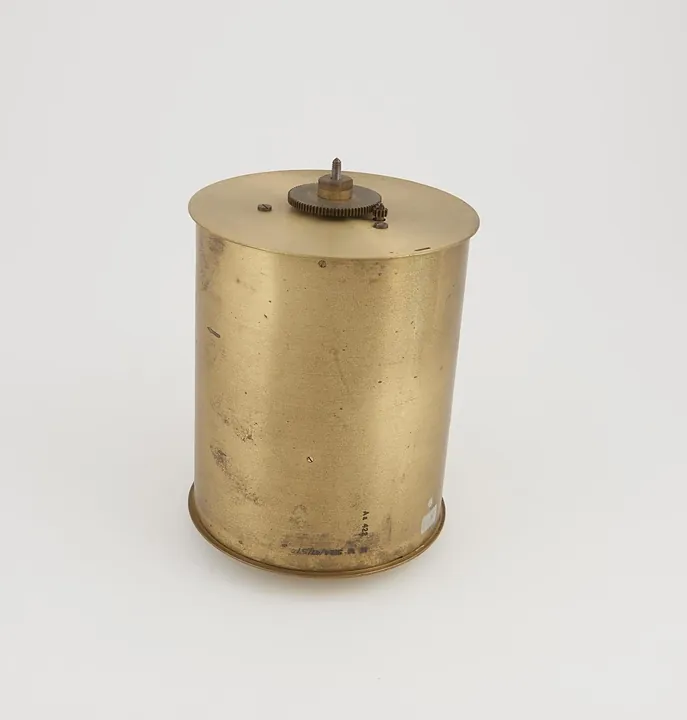
Clocks · 1940–1967
Drum and clock, English, 1940-1947, MO W 5124/ 47/ 57.
Science Museum Group, London
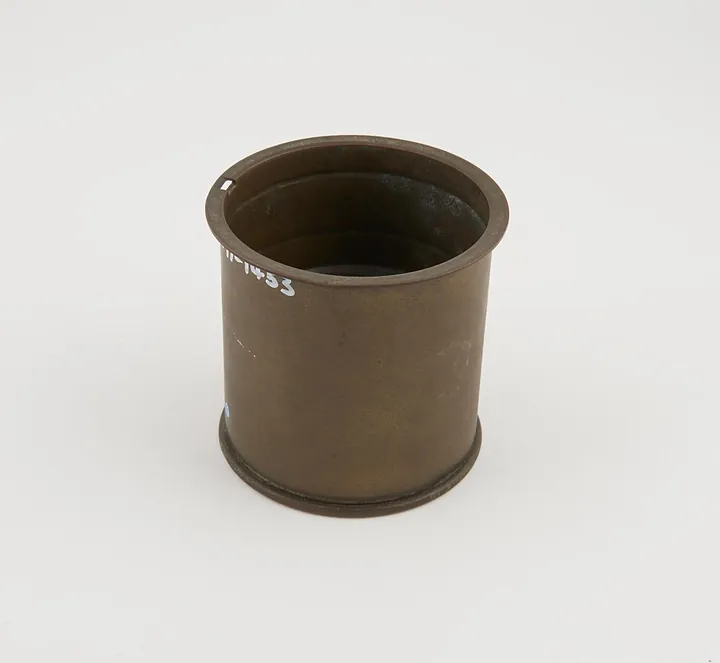
Clocks · 1940–1950
Drum and clock. by Smith's English Clocks Ltd., London, for Air Ministry.
Science Museum Group, London
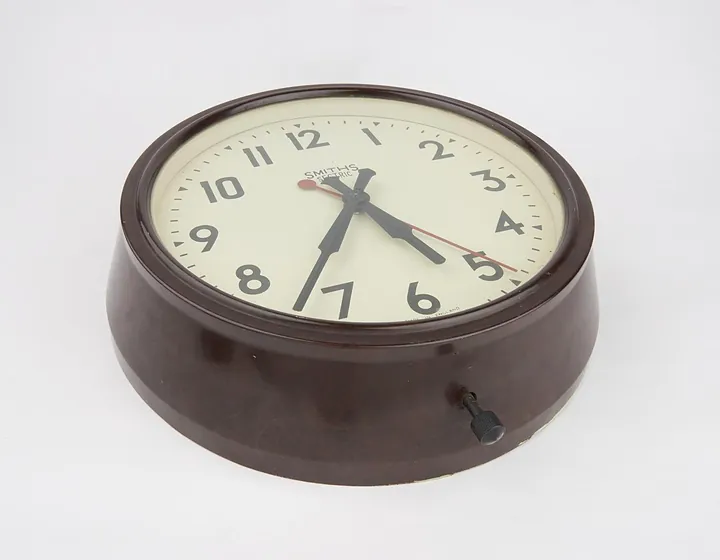
Clocks · c. 1946
Smiths Sectric synchronous motor electric wall clock with centre seconds hand, by Smiths English Clocks Ltd, England c. 1946
Science Museum Group, London
Clocks · c. 1947
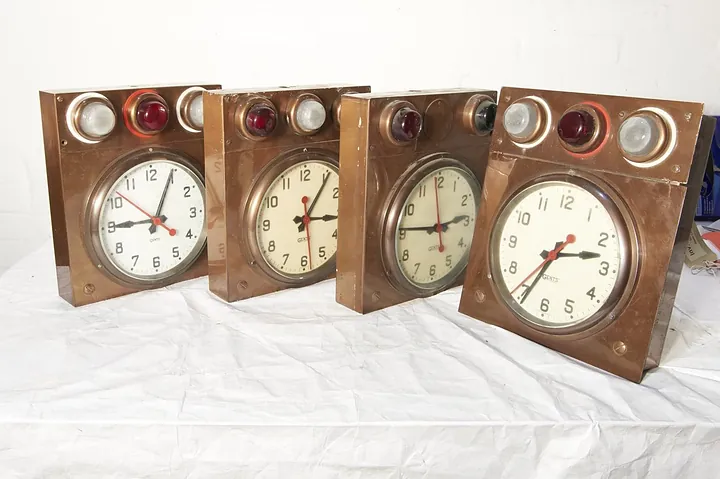
Four studio slave clocks installed at BBC Broadcasting House made by Gents of Leicester.
Science Museum Group, London