
Clocks · Wall clock
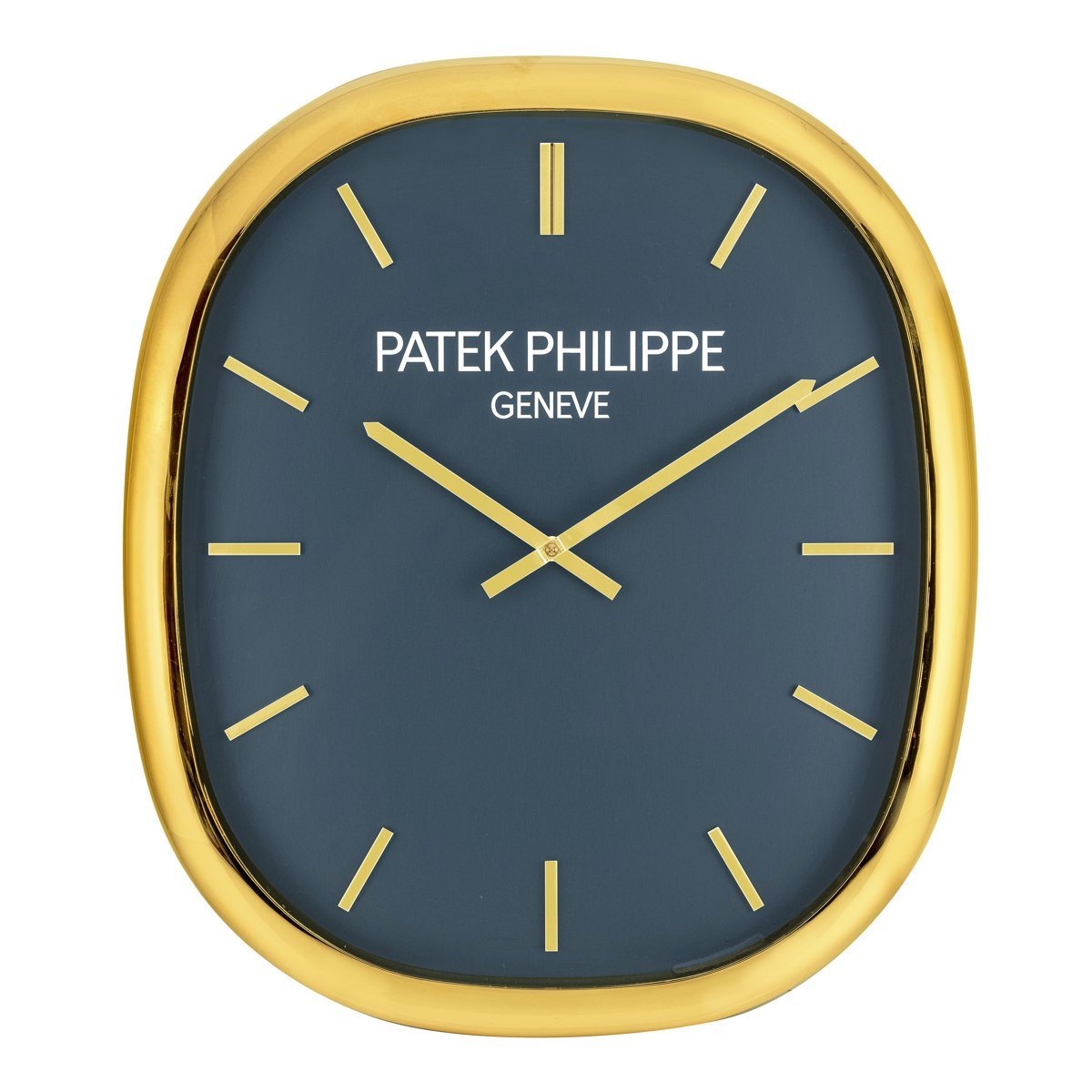
Patek Philippe by Inducta Ellipse Wall Clock
- Maker / attribution
- Patek Philippe by Inducta (source attribution)
- Date
- c. 1990
- Historical period
- Mechanical Renaissance (1990 – 2010)
- Country of origin
- Switzerland
- Object type
- Wall clock
- Materials / technique
- Steel
- Dimensions
- 43 x 49 cm.
- Auction house
- Christie's
- Lot
- 33
- Credit line
- Christie's
- Catalogue title (original)
- PATEK PHILIPPE BY INDUCTA, ELLIPSE WALL CLOCK, | Christie’s (English)
View the source record (auction lot) ↗ (opens another website in a new tab)Suggest a correction
Record summary
Catalogued by Christie's (lot 33), this is a wall clock attributed to Patek Philippe by Inducta, made in Switzerland, dated c. 1990. The Atlas places it in the Mechanical Renaissance period (1990 – 2010) of its Clocks collection. Materials and techniques recorded by the source: Steel. Recorded dimensions: 43 x 49 cm. The record is illustrated with 1 photograph.
Assembled from the source record's structured fields. Dates and attributions are given as the source states them; where a field is missing the Atlas leaves it blank rather than estimating.
Catalogue description
Original object description
Measuring 43 by 49 cm, this elliptical wall clock was manufactured by Inducta for Patek Philippe and is dated by Christie's auction cataloguers to circa 1990. Echoing the styling of the Golden Ellipse series, the polished steel case features a gold-toned finish enclosing a blue dial. This central face is appointed with applied gold-toned baton indices—doubled at 12 o'clock—alongside matching central baton hands and the white lettering 'PATEK PHILIPPE GENEVE'. Timekeeping is powered by a battery-operated quartz movement, which was observed ticking during inspection though mechanical maintenance is advised; hazardous goods regulations restrict the transport of the battery cell. Slight signs of age-related discolouration are visible on the dial near the 5 o'clock position, whereas the metallic casing exhibits negligible wear from handling.
Historical context
Mechanical Renaissance (1990 – 2010)
Mechanical watches return as cultural objects; independent watchmaking flourishes.
Mechanical clocks returned as luxury and craft objects, alongside radio-controlled and designer quartz clocks. Independent makers and restorers revived traditional techniques, and museums increasingly documented industrial and electric clocks as heritage.
Read the period in the timelineMore clocks from this periodEarlier: Quartz Revolution
Atlas type guide
Regulators, wall and Vienna clocks
A regulator is a precision pendulum clock used as a time standard in observatories, workshops and railway offices. Typical features are a deadbeat or Graham escapement, a temperature-compensated pendulum (mercury jar, gridiron or later invar), maintaining power and a regulator dial that separates hours, minutes and seconds. George Graham's deadbeat escapement (c. 1715) and his mercury pendulum, together with Harrison's gridiron, set the pattern for two centuries.
Wall clocks span a much wider range: the elegant Viennese Laterndluhr and Dachluhr of the Biedermeier period, the Dutch stoelklok and staartklok, English 'dial' clocks used in schools, offices and railway stations, and mass-produced spring and weight wall clocks from Germany (Gustav Becker, Junghans, Kienzle) and America.
What to look for
- Deadbeat escapement and compensated pendulum (gridiron rods, mercury jar or wood rod).
- A regulator dial with a large central minute hand and separate hour and seconds dials.
- Vienna regulators: glazed cases, slender pendulum, small weights, enamel two-piece dials.
- German factory trademarks stamped on the backplate (e.g. Gustav Becker anchor and crown, Junghans star).
Dating clues
- Graham-type deadbeat regulators: from c. 1720.
- Viennese Laterndluhr: c. 1800–1850.
- German factory 'Vienna-style' regulators: c. 1870–1930; Gustav Becker serial numbers allow close dating.
General guidance written by the Atlas editors about this kind of object. It is not a statement about this particular piece; for that, rely on the source record above and on physical examination.
Read next:Deadbeat escapementAnchor (recoil) escapementGrasshopper escapement
Related records

Clocks · c. 1990s
Audemars Piguet Royal Oak, c. 1990s
Antiquorum auction archive, Geneva
Clocks · c. 1990s
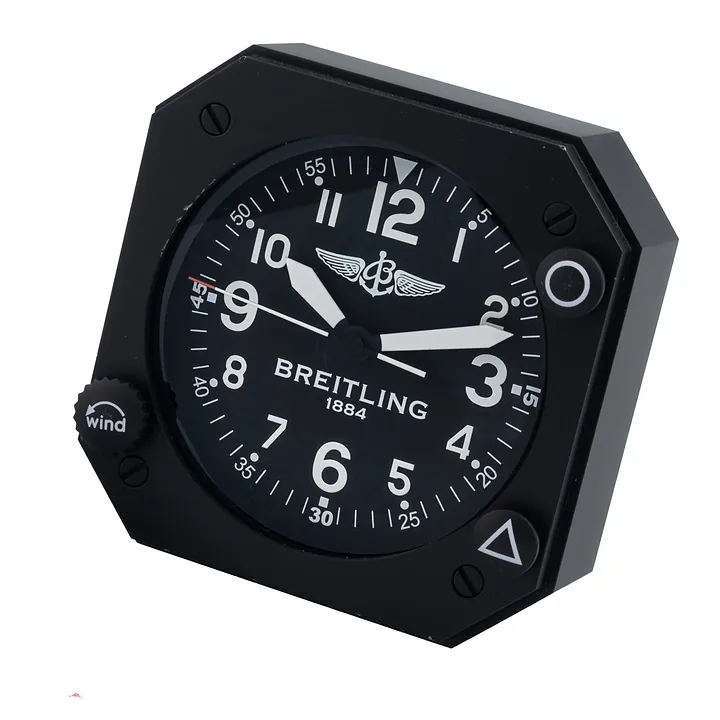
Breitling clock, c. 1990s (Antiquorum Lot 389-18)
Antiquorum auction archive, Geneva
Clocks · c. 1990s
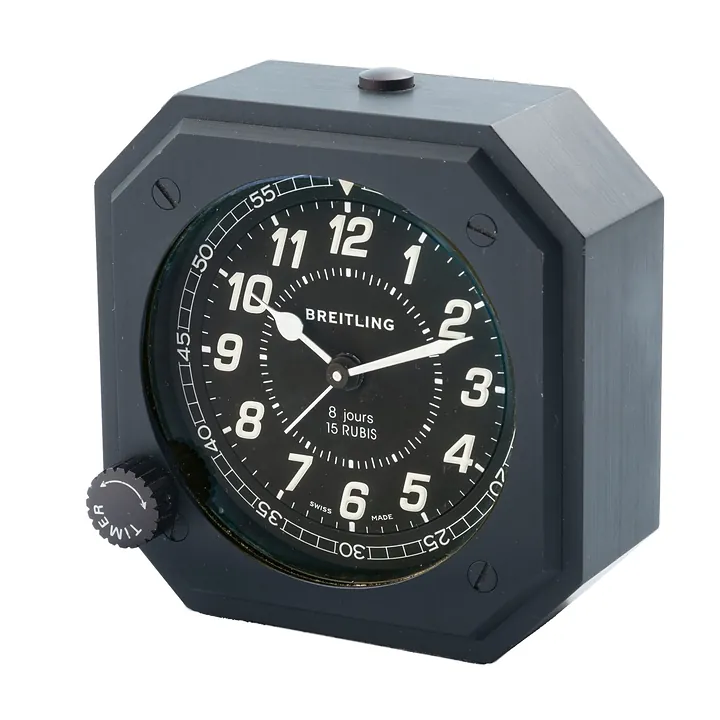
Breitling clock, c. 1990s (Antiquorum Lot 389-20)
Antiquorum auction archive, Geneva
Clocks · 2002
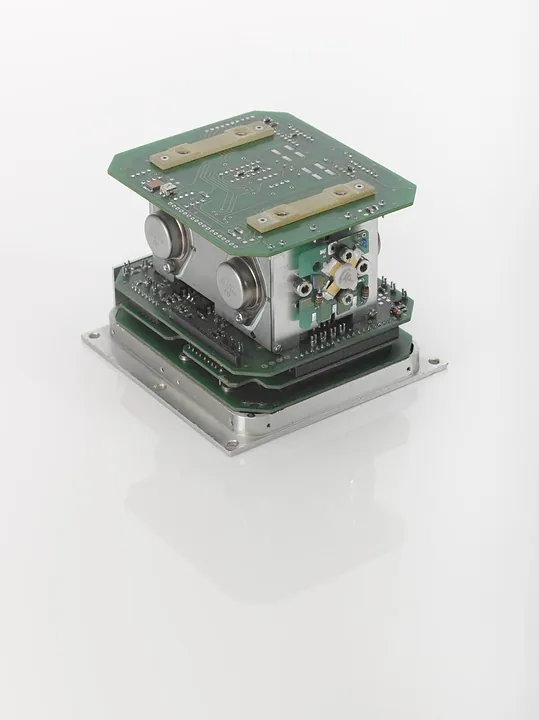
Prototype atomic clock for use with the Galileo communications satellite, manufactured by Temex Neuchâtel Time SA, Switzerland, 2002
Science Museum Group, London
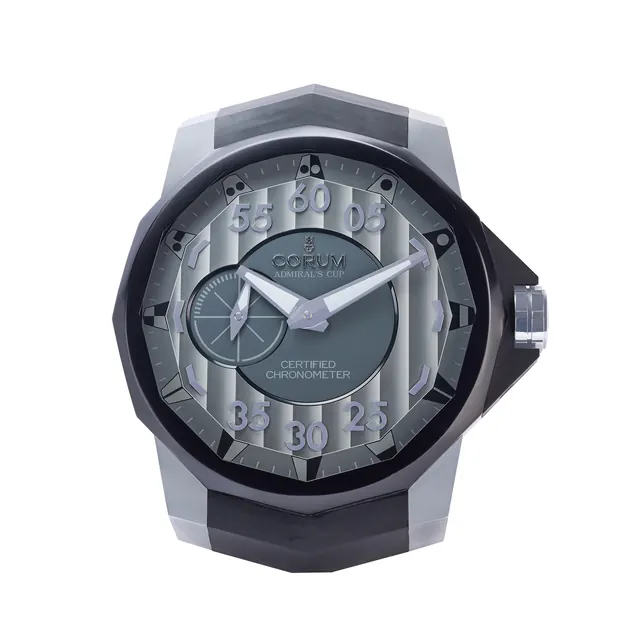
Clocks · c. 2000s
Corum wall clock, Admiral's Cup Electric Wall Clock, circa 2000s
Antiquorum auction archive, Geneva
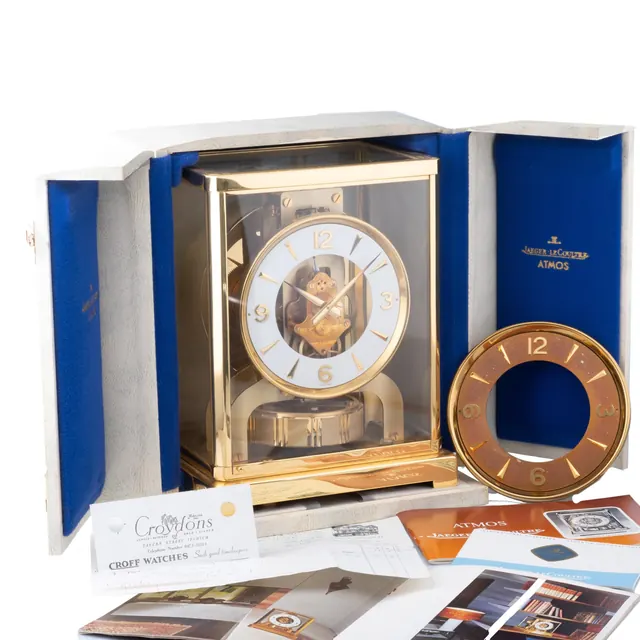
Clocks · c. 1990
Jaeger-LeCoultre table clock, ref. ATMOS, Atmos Brass, circa 1990
Antiquorum auction archive, Geneva
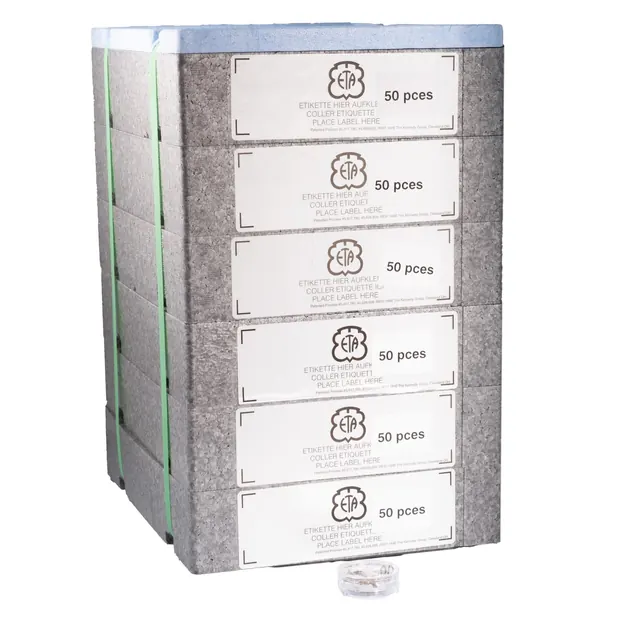
Clocks · Production start in 2005
Eta clock, Valgranges A07.211 Lot of 300 Movement, Production start in 2005
Antiquorum auction archive, Geneva
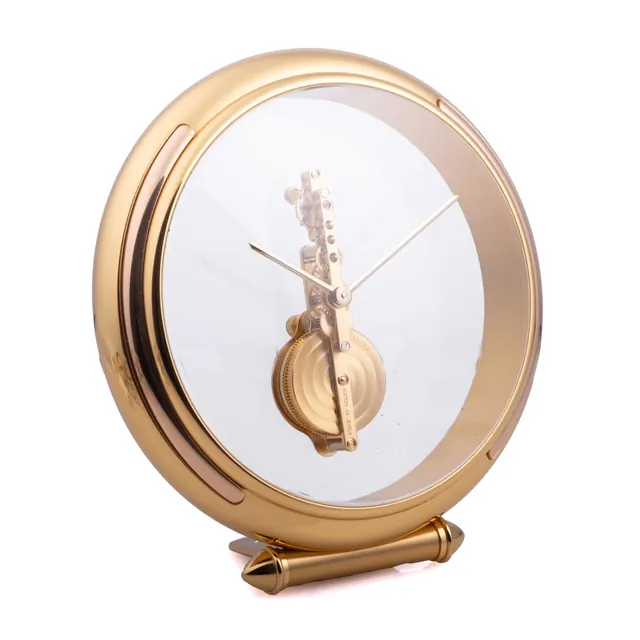
Clocks · c. 1990
Jaeger Lecoultre table clock, ref. 215.019, 8 Days Baguette Movement Gilt Brass, circa 1990
Antiquorum auction archive, Geneva