
Pocket Watches · Pocket watch
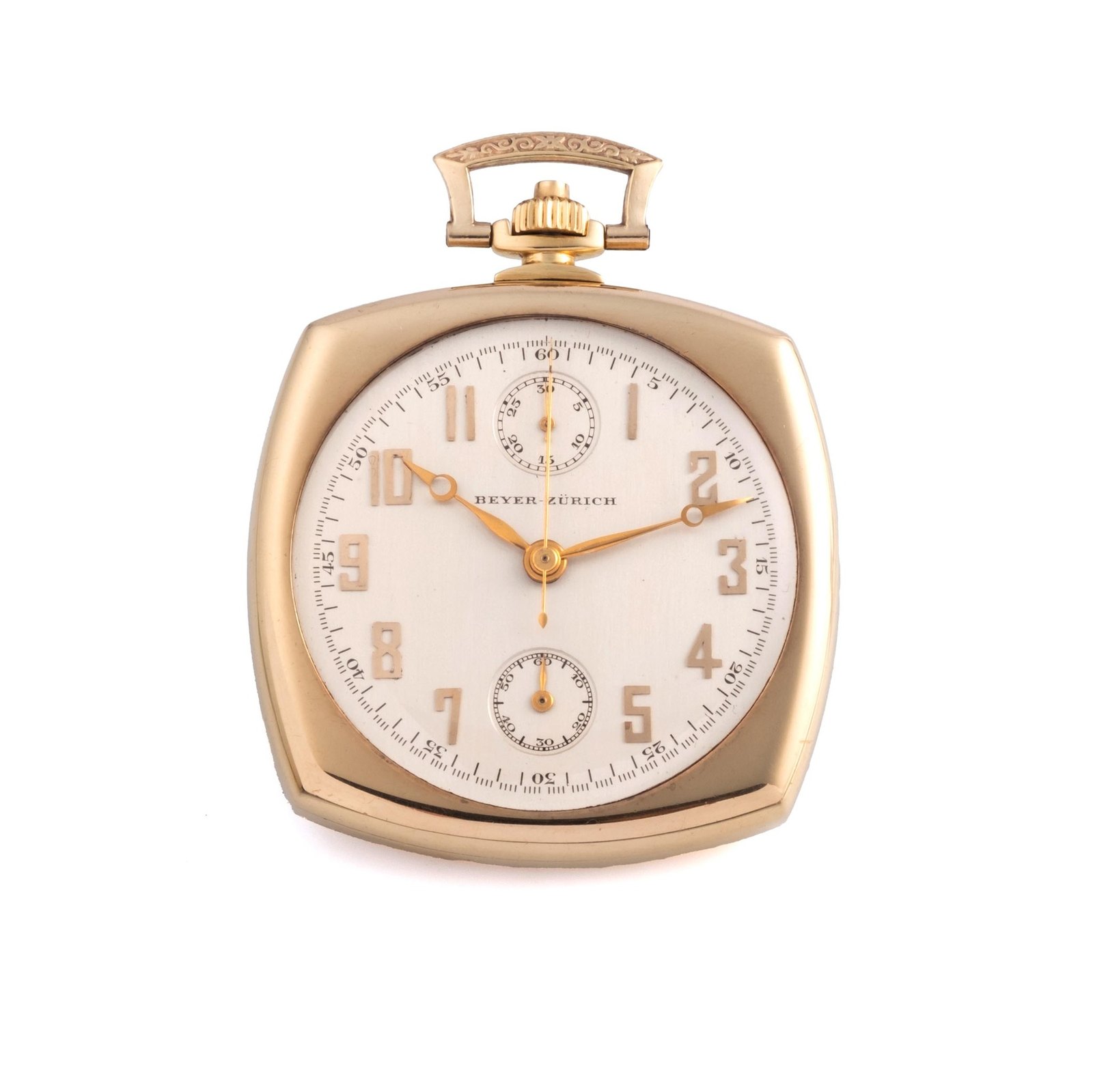
Beyer pocket watch, Art Deco Chronograph, circa 1930
- Maker / attribution
- Beyer (brand / maker)
- Date
- c. 1930
- Historical period
- Golden Age of Mechanical Watchmaking (1900 – 1945)
- Country of origin
- Unrecorded in source
- Object type
- Pocket watch
- Materials / technique
- 18k yellow gold
- Dimensions
- diameter 43 mm
- Auction house
- Antiquorum auction archive, Geneva
- Lot
- Lot 372-11
- Credit line
- Auction lot record: LOT 11, Geneva, November 9-10, 2024
- Catalogue title (original)
- BEYER, SWITZERLAND, ART DECO, CHRONOGRAPH, MINUTE COUNTER, 18K YELLOW GOLD (English)
View the source record (auction lot) ↗ (opens another website in a new tab)Suggest a correction
Record summary
Catalogued by Antiquorum auction archive, Geneva (lot Lot 372-11), this is a pocket watch by Beyer, dated c. 1930. The Atlas places it in the Golden Age of Mechanical Watchmaking period (1900 – 1945) of its Pocket Watches collection. Materials and techniques recorded by the source: 18k yellow gold. Recorded dimensions: diameter 43 mm. The record is illustrated with 1 photograph.
Assembled from the source record's structured fields. Dates and attributions are given as the source states them; where a field is missing the Atlas leaves it blank rather than estimating.
Catalogue description
Antiquorum catalogue description
A very fine and elegant, 18k yellow gold, manual wind open-face, cushion-shaped keyless-winding, Art Deco pocket watch, silver colour dial chronograph activated by the round push piece located on the winding crown, half intantaneous 30 minute counter at 12h with subsidiary seconds at 6, art deco gold numerals and gold Breguet hands.
Lot specifications (Antiquorum)
Case No.: 90096; Caliber: 16''', 19 jewels, straight-line lever escapement; Diameter: 43 mm.; Signature: Dial
Inscriptions & marks
Dial
Historical context
Golden Age of Mechanical Watchmaking (1900 – 1945)
The wristwatch displaces the pocket watch; waterproof cases, self-winding and grand complications.
The pocket watch reached technical maturity and then began to give way to the wristwatch after the First World War. Complicated watches for collectors such as Henry Graves Jr. and James Ward Packard, railroad watches, and slim Art Deco dress watches are characteristic.
Read the period in the timelineMore pocket watches from this periodEarlier: Industrial Revolution
Atlas type guide
Chronographs and split-seconds watches
A chronograph is a watch with an additional seconds hand that can be started, stopped and returned to zero independently of the timekeeping. Louis Moinet built an early example in 1816 and Nicolas Rieussec a recording 'chronographe' in 1821; Adolphe Nicole's heart-shaped reset cam (patented 1862) made the modern return-to-zero possible. Split-seconds (rattrapante) chronographs add a second hand that can be stopped for intermediate times; flyback chronographs restart instantly.
Chronographs were essential tools for doctors (pulsometer scales), artillery (telemeter), engineers and sport. In wristwatches, Valjoux, Venus, Lemania and later the automatic chronographs of 1969 (Zenith El Primero, the Chronomatic Calibre 11 group and Seiko 6139) are milestones.
What to look for
- Push-pieces on the case band or a single button in the crown (monopusher).
- Subsidiary registers for minutes and hours; tachymeter, telemeter or pulsometer scales.
- Column wheel versus cam control visible in the movement.
- Calibre markings of specialist makers (Valjoux, Lemania, Venus, Landeron).
Dating clues
- Pocket chronographs with heart cam reset: after 1862.
- Wrist chronographs: from c. 1910; two-button designs from the 1930s.
- Automatic chronographs: from 1969.
General guidance written by the Atlas editors about this kind of object. It is not a statement about this particular piece; for that, rely on the source record above and on physical examination.
Read next:Flyback chronographChronograph
Related records
Wristwatches · 1982
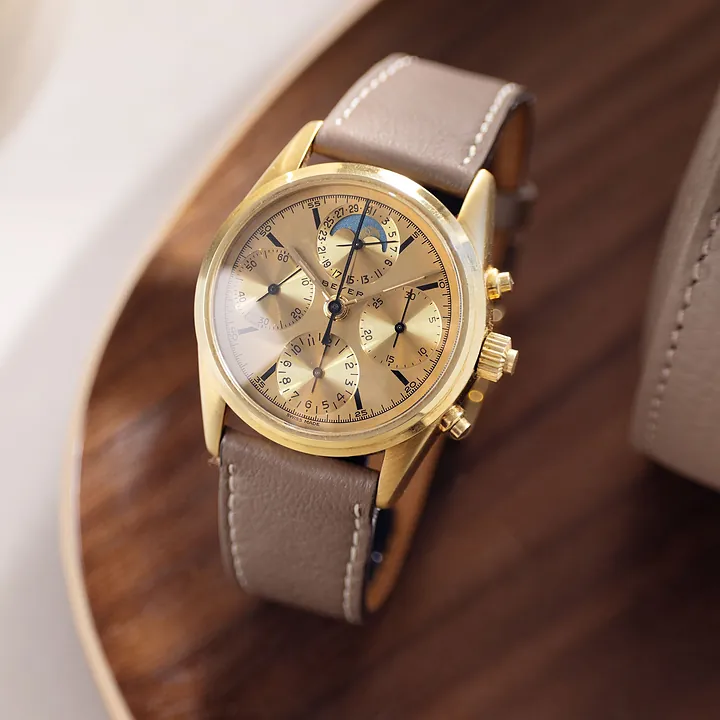
Beyer Split Seconds Moon Phase Chronograph in 18kt Yellow Gold, 1982
Bulang & Sons (dealer), Copenhagen
Pocket Watches · 1900–1999
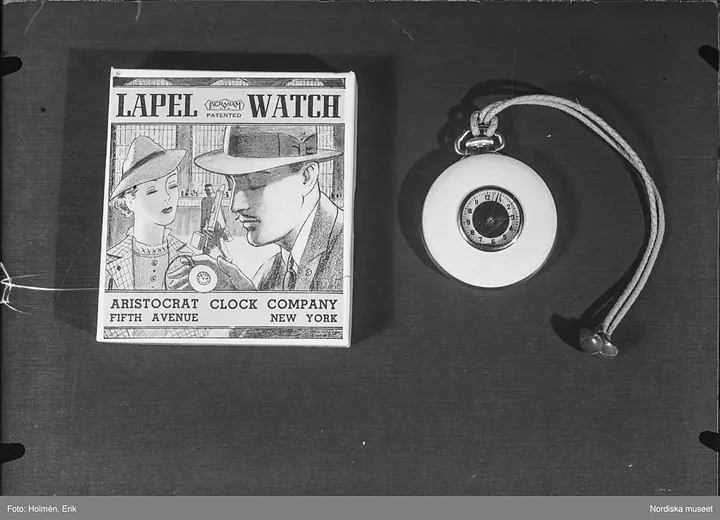
Lapel watch by Erik Holmén, 1900–1999
Nordic Museum Foundation
Pocket Watches · 1873–1930
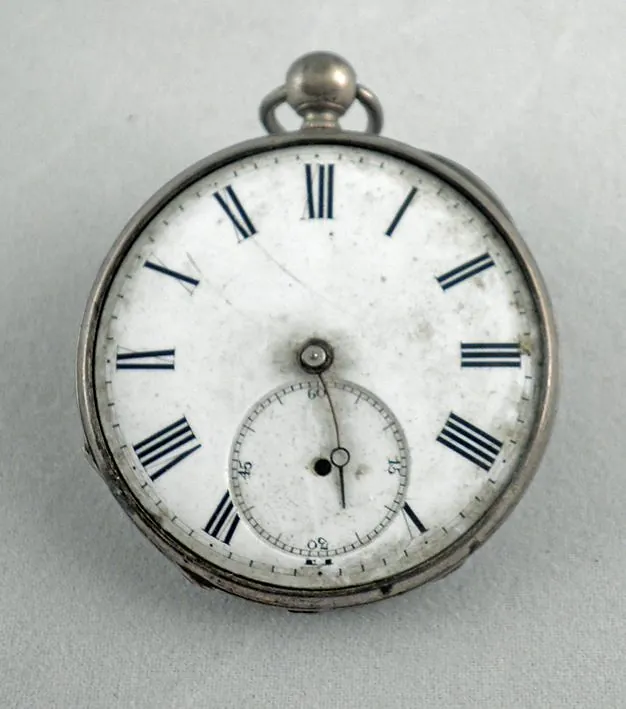
Pocket watch, Lilla Malma socken, 1873–1930
Sörmland Museum
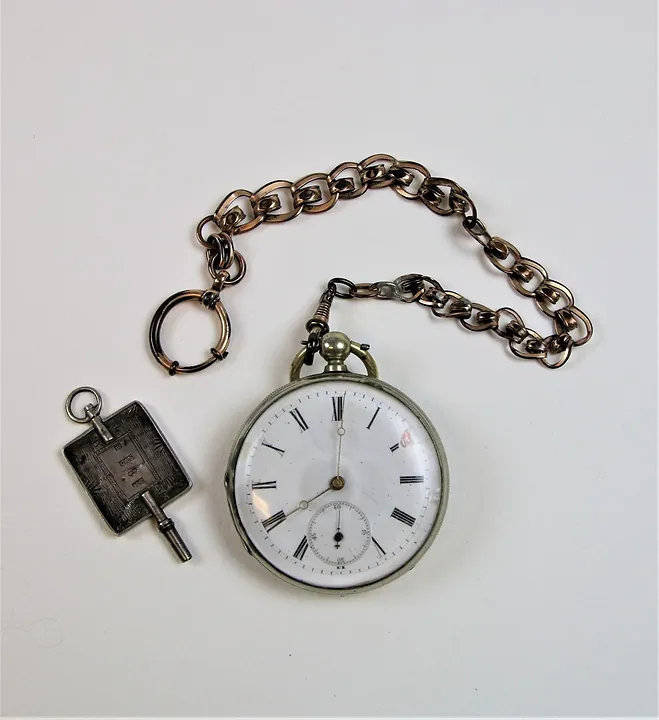
Pocket Watches · 1880–1920
Pocket watch, Sweden, 1880–1920
Sörmland Museum
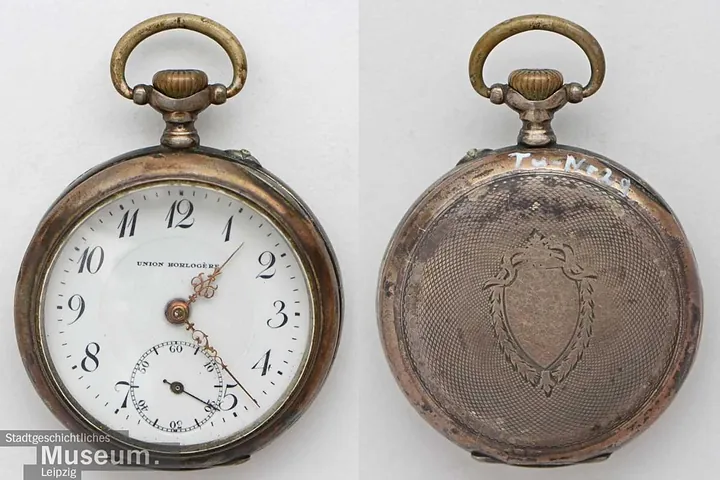
Pocket Watches · 1890–1910
Pocket watch by Union Horlogère, France, 1890–1910
Museum of City History Leipzig
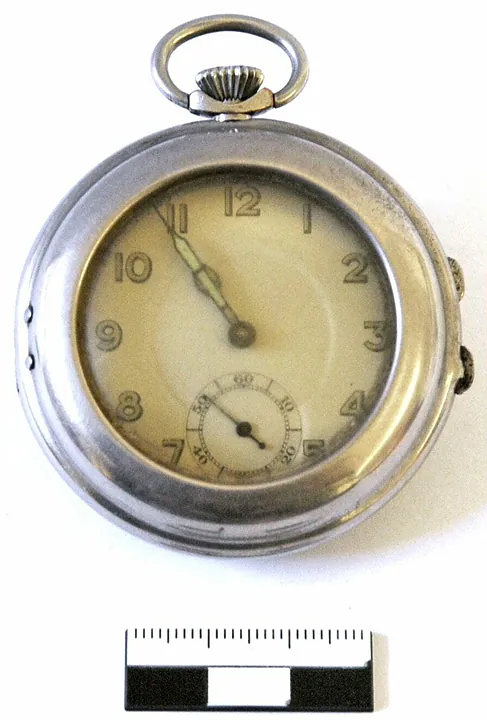
Pocket Watches · 1891–1945
Pocket watch, Germany, 1891–1945
Montanhistorisches Dokumentationszentrum
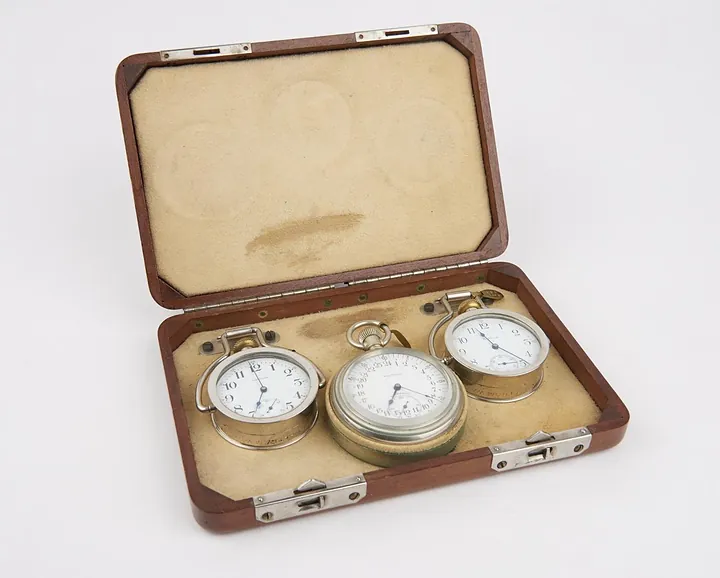
Pocket Watches · c. 1900
Pocket watch by American Waltham Watch Company, United States, c. 1900
Science Museum Group, London
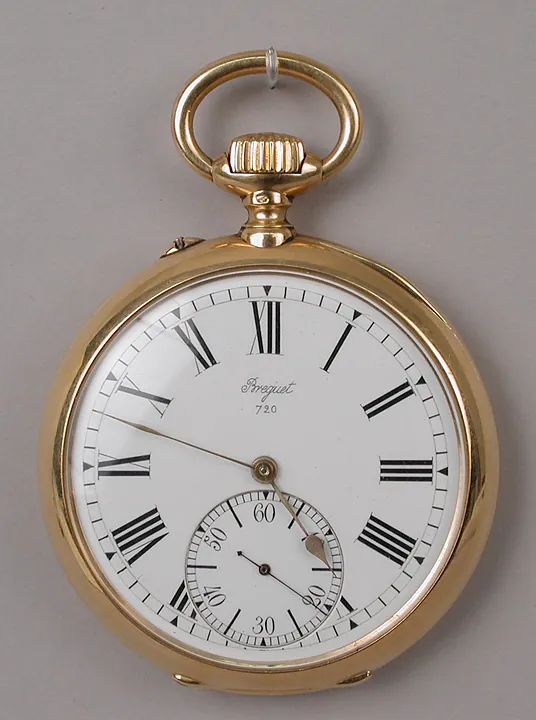
Pocket Watches · c. 1900
Pocket watch by Firm of Breguet et Fils, France, c. 1900
The Metropolitan Museum of Art, New York