Watchmaker
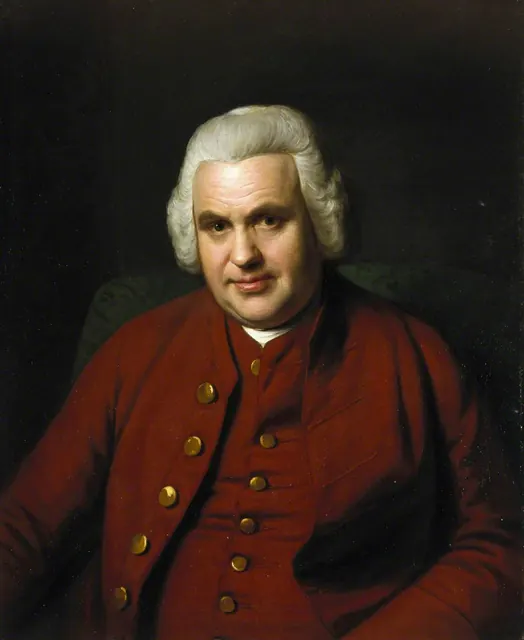
Josiah Emery
Also recorded as: Emery, Josiah · Josias Emery · J. Emery
Swiss-born London watchmaker who made the first series of lever watches after Thomas Mudge and fine precision watches.
Josiah Emery was born in the Pays de Vaud near Lausanne, probably in 1725, and had settled in London by 1762, when he married into a family of Huguenot goldsmiths. He worked at Cockspur Street, Charing Cross, and became one of the leading London watchmakers; the British Museum estimates that he produced about 1,400 watches. He was made free of the Clockmakers' Company in 1781.
In the 1770s Emery helped with the temperature compensation of Thomas Mudge's marine timekeepers, and from the 1780s he made the first series of watches with Mudge's detached lever escapement — about 35 according to the usual count — as well as pocket chronometers and precision clocks, including a bracket clock with an unusual frictionless dead-beat escapement in the British Museum. Sources disagree about his death: the British Museum gives 1797, other accounts 1794; his business was continued by his widow and then by Louis Recordon.
- Country
- England (born Switzerland)
- City / centre
- London (Cockspur Street, Charing Cross)
- Founded
- c. 1762
- Status
- Historical (d. 1790s)
- Key people
- Josiah Emery (c. 1725–1794/97); Susannah Emery (widow); Louis Recordon (successor)
Innovations & specialities
- First series of detached lever watches after Mudge (1780s)
- Precision pocket watches and chronometers
Works by Josiah Emery in the catalogue
Open in the catalogue →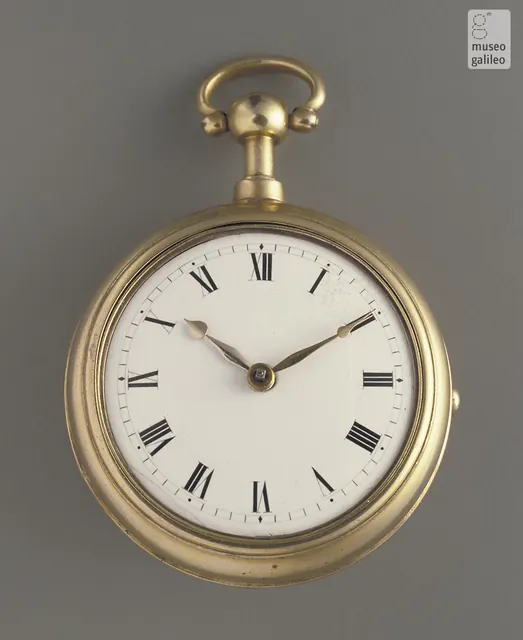
Pocket Watches · c. 1780
Double-case watch by Josiah Emery, England, c. 1780
Museo Galileo, Florence
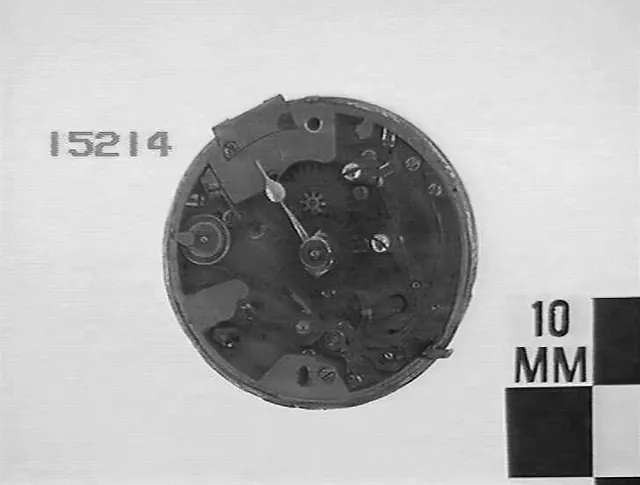
Movements & Components · c. 1780
Pocket Watch Movement - Josiah Emery, London, c. 1780
Museums Victoria, Melbourne
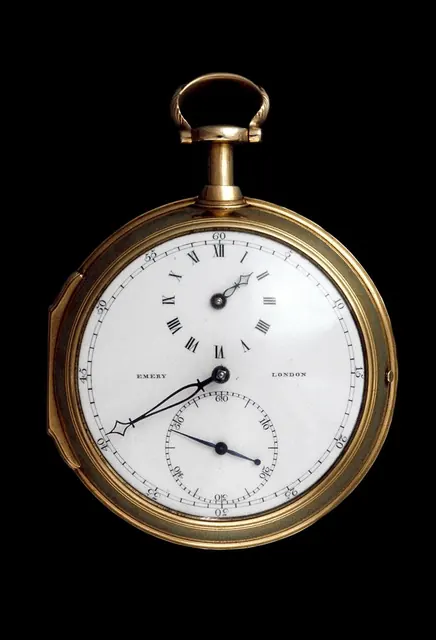
Pocket Watches · 1786 (case)
Watch by Josiah Emery
British Museum
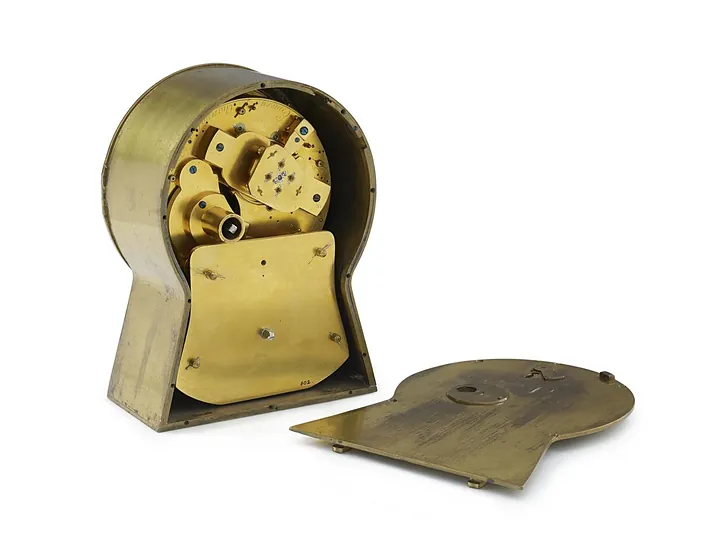
Movements & Components · 1792
Escapement model by Josiah Emery, England, 1792
Science Museum Group, London
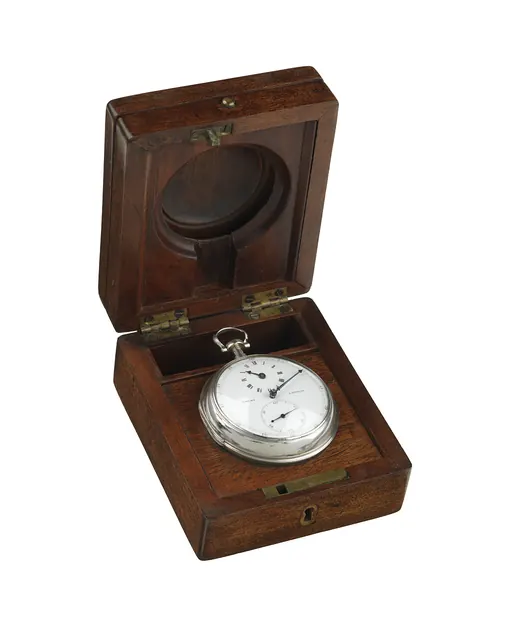
Pocket Watches · c. 1792
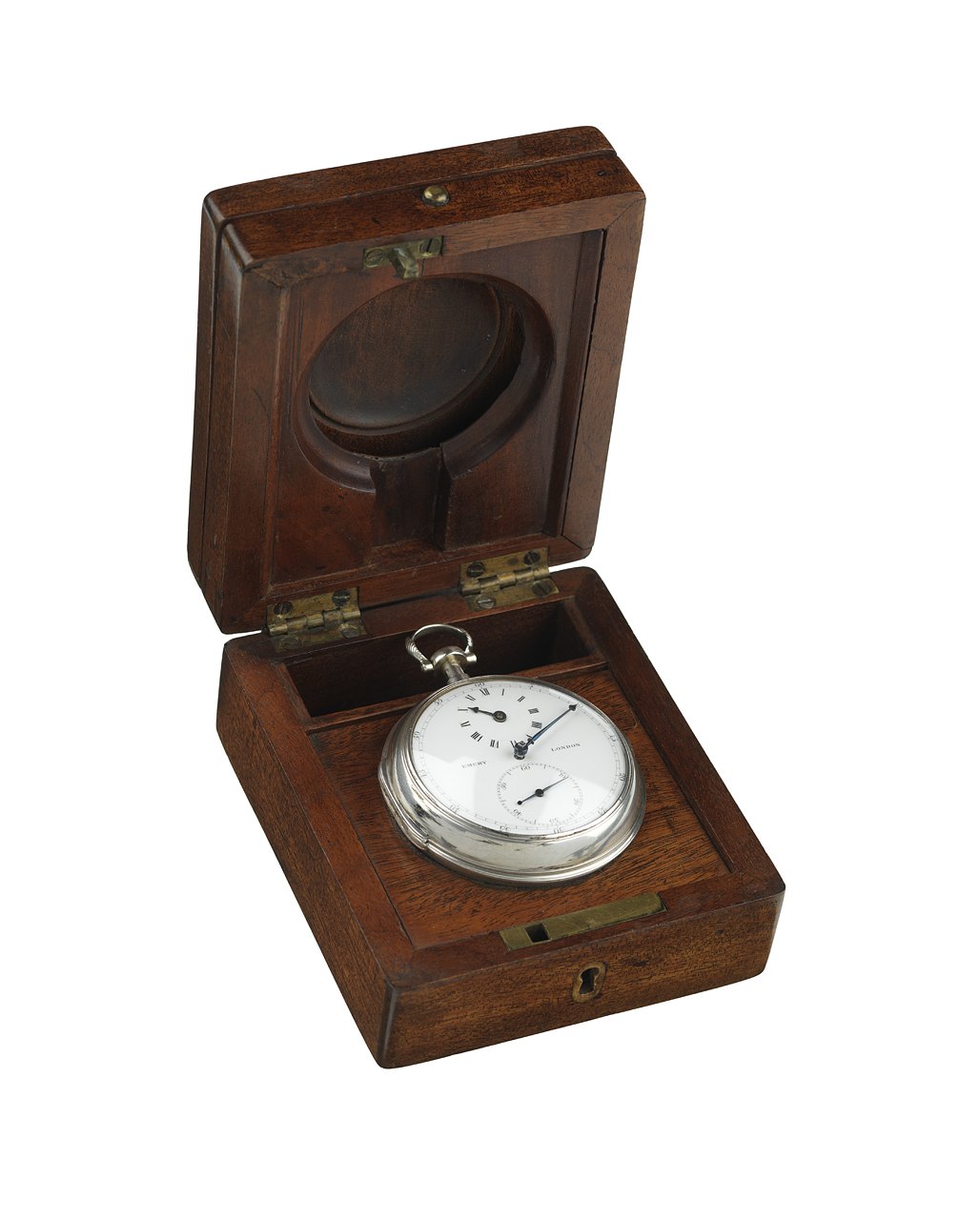
Pocket watch no. 1350 by Josiah Emery
Royal Museums Greenwich
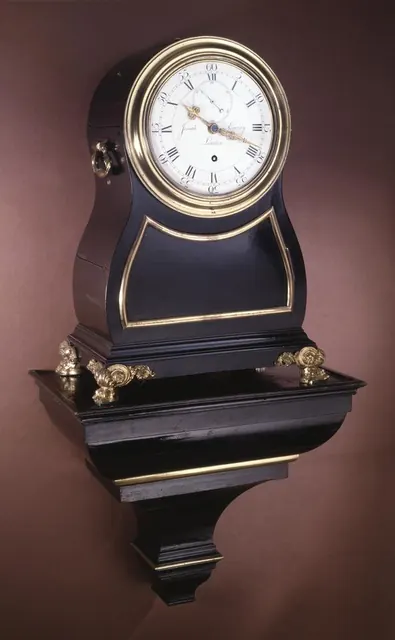
Clocks · 1805–1815
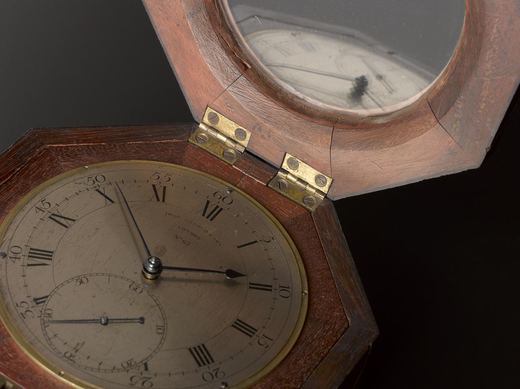
Bracket clock by Josiah Emery
British Museum
Linked through the Atlas maker authority list, which reconciles the spellings used by different institutions. Attributions are as stated by each holding institution or auction house.
Read and see more
Magazine features
- The English Bracket Clock, 1660–1880: Ebony, Basket Tops and the Clock That Moved From Room to Room
The spring-driven table clock was the portable companion of the longcase. How English makers turned the short pendulum into a household and export classic — repeating at night, chiming tunes for Ottoman buyers, and finally keeping observatory time on a desk — with examples from seven collections.
- The English Pocket Watch, 1650–1900: Pair Cases, Verge to Lever, and the Trade Behind the Name
For a century after the balance spring, London set the standard for the pocket watch. How the English watch changed — from single-hand verge watches in leather pair cases to fusee levers made for railway staff — and how to read the case, dial and movement of one, with examples from seven collections.