
Wristwatches · Wristwatch
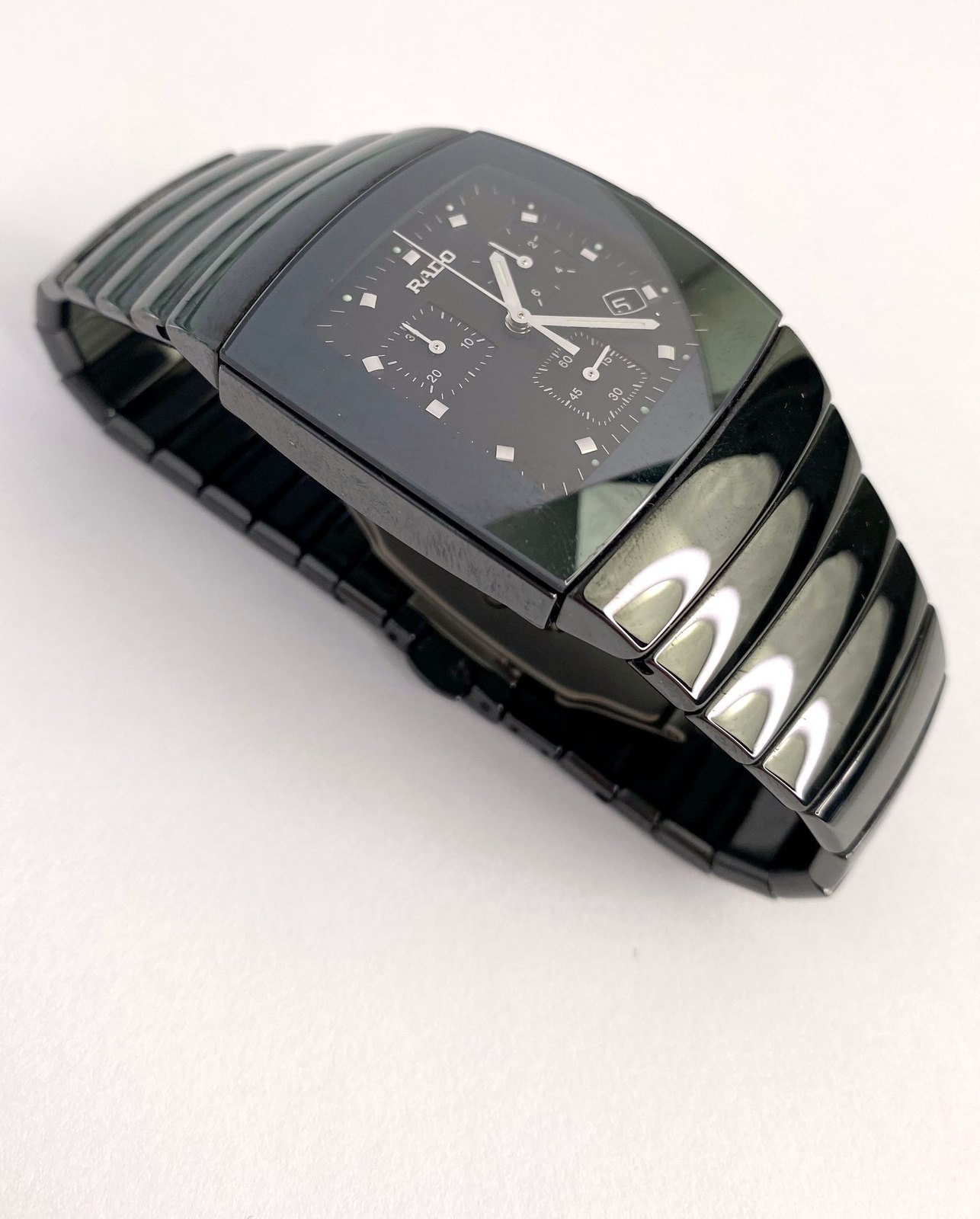
Rado Sintra Diastar Ceramic Chronograph Ceramic Quartz, 2009
- Maker / attribution
- Rado (maker)
- Date
- 2009
- Historical period
- Mechanical Renaissance (1990 – 2010)
- Country of origin
- Unrecorded in source
- Object type
- Wristwatch
- Dimensions
- Diameter 35 mm (without crown)
- Stock no.
- vp4285
- Credit line
- Dealer listing, Vintage Portfolio (vp4285)
- Catalogue title (original)
- Rado Sintra Diastar Ceramic Chronograph Ceramic Quarz (English)
View the source record (dealer listing) ↗ (opens another website in a new tab)Suggest a correction
Record summary
Catalogued by Vintage Portfolio (dealer), Vienna (stock number vp4285), this is a wristwatch by Rado, dated 2009. The Atlas places it in the Mechanical Renaissance period (1990 – 2010) of its Wristwatches collection. Recorded dimensions: Diameter 35 mm (without crown). The record is illustrated with 6 photographs.
Assembled from the source record's structured fields. Dates and attributions are given as the source states them; where a field is missing the Atlas leaves it blank rather than estimating.
Catalogue description
Dealer specification — Vintage Portfolio
Movement: quartz quarz; Dial: black; Crown: Genuine; Glass: Sapphire (factory original); Date display: Date; Diameter: 35 mm (without crown); Dial condition, as described by the dealer: The still factory original (non-refurbished) dial is in perfect condition.
Historical context
Mechanical Renaissance (1990 – 2010)
Mechanical watches return as cultural objects; independent watchmaking flourishes.
Mechanical watches returned as cultural and luxury objects. Complications, tourbillons and new materials proliferated; independent watchmakers such as George Daniels, F.P. Journe and Philippe Dufour revived artisanal watchmaking; collecting vintage watches became a major field.
Read the period in the timelineMore wristwatches from this periodEarlier: Quartz Revolution
Atlas type guide
Chronographs and split-seconds watches
A chronograph is a watch with an additional seconds hand that can be started, stopped and returned to zero independently of the timekeeping. Louis Moinet built an early example in 1816 and Nicolas Rieussec a recording 'chronographe' in 1821; Adolphe Nicole's heart-shaped reset cam (patented 1862) made the modern return-to-zero possible. Split-seconds (rattrapante) chronographs add a second hand that can be stopped for intermediate times; flyback chronographs restart instantly.
Chronographs were essential tools for doctors (pulsometer scales), artillery (telemeter), engineers and sport. In wristwatches, Valjoux, Venus, Lemania and later the automatic chronographs of 1969 (Zenith El Primero, the Chronomatic Calibre 11 group and Seiko 6139) are milestones.
What to look for
- Push-pieces on the case band or a single button in the crown (monopusher).
- Subsidiary registers for minutes and hours; tachymeter, telemeter or pulsometer scales.
- Column wheel versus cam control visible in the movement.
- Calibre markings of specialist makers (Valjoux, Lemania, Venus, Landeron).
Dating clues
- Pocket chronographs with heart cam reset: after 1862.
- Wrist chronographs: from c. 1910; two-button designs from the 1930s.
- Automatic chronographs: from 1969.
General guidance written by the Atlas editors about this kind of object. It is not a statement about this particular piece; for that, rely on the source record above and on physical examination.
Read next:Flyback chronographChronograph
Related records
Wristwatches · 1960
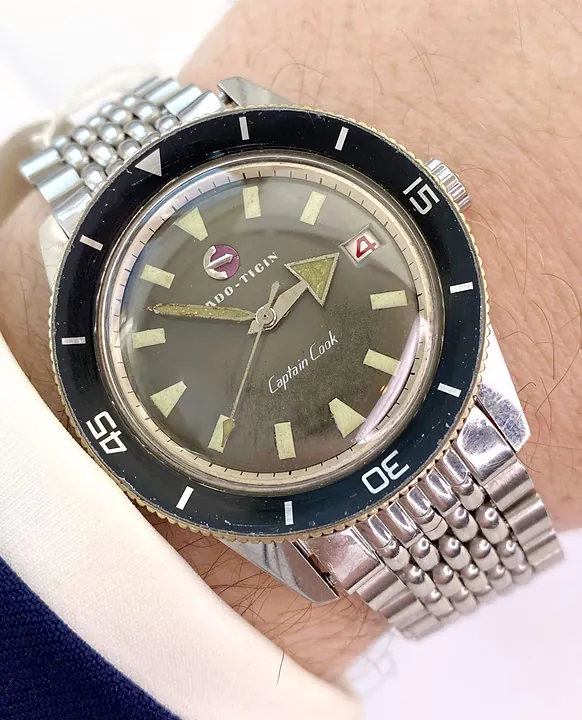
Rado Ticin Diver Captain Cook, 1960
Vintage Portfolio (dealer), Vienna
Wristwatches · 2020
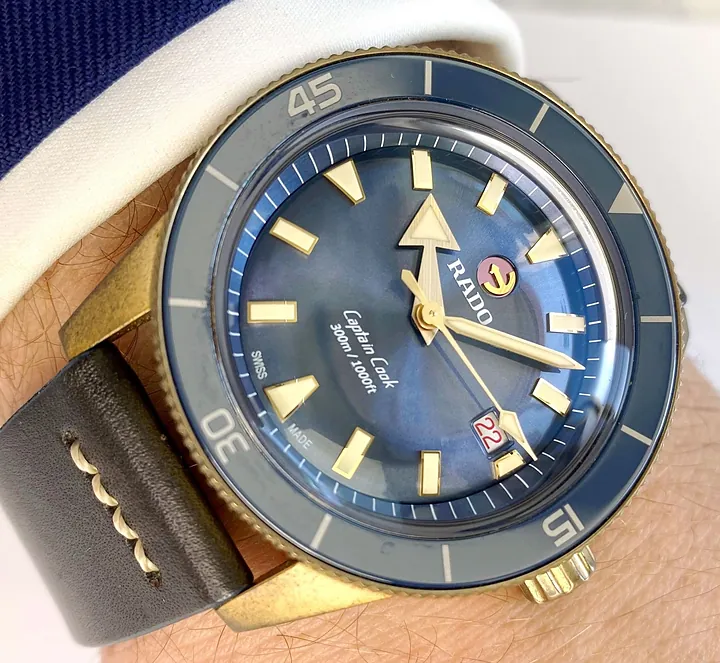
Rado HyperChrome Captain Cook Blue Dial Bronze 01.763., ref. 0504, 2020
Vintage Portfolio (dealer), Vienna
Wristwatches · 2020
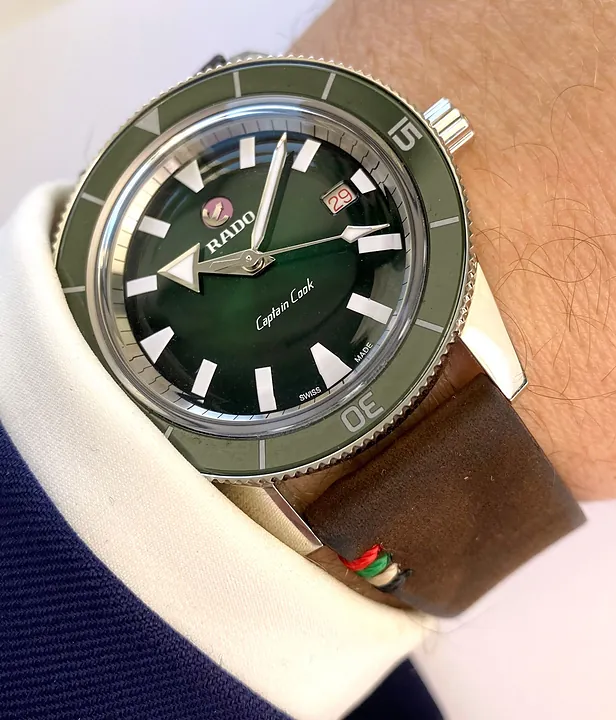
Rado HyperChrome Captain Cook Green, ref. R32105318, 2020
Vintage Portfolio (dealer), Vienna
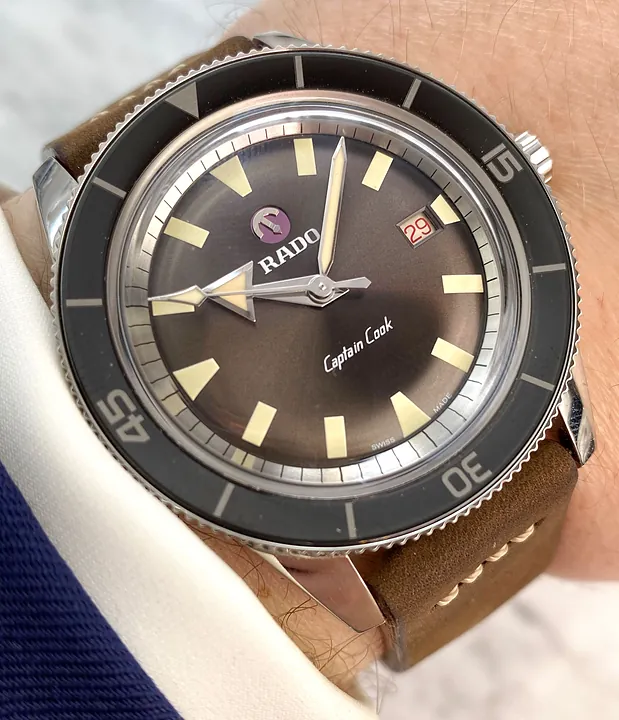
Wristwatches · 2021
Rado Hyper Chrome Captain Cook Automatic Diver, 2021
Vintage Portfolio (dealer), Vienna
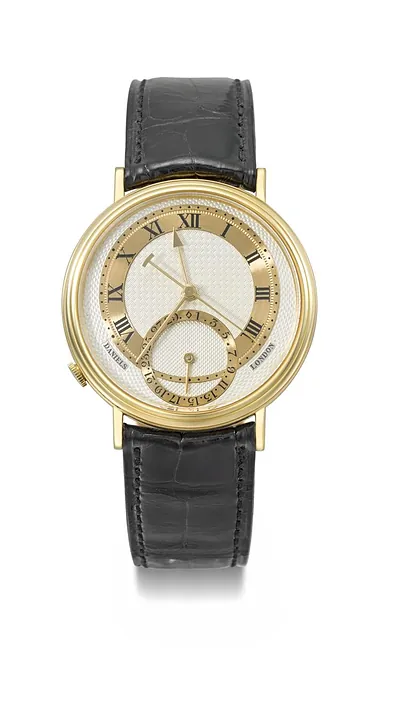
Wristwatches · 1999
'Millennium' co-axial wristwatch by George Daniels and Omega, England, 1999
Science Museum Group, London

Wristwatches · 2008
Wristwatch by Breitling?, 2008
Museum Rotterdam
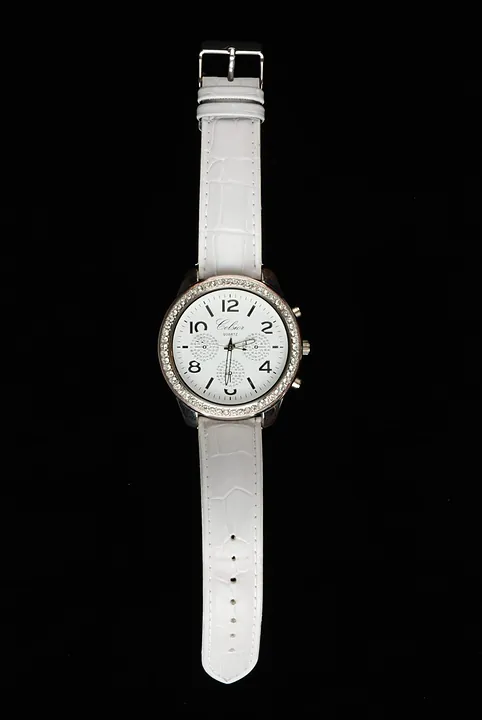
Wristwatches · 2008
Wristwatch by Celsior Quartz, 2008
Museum Rotterdam
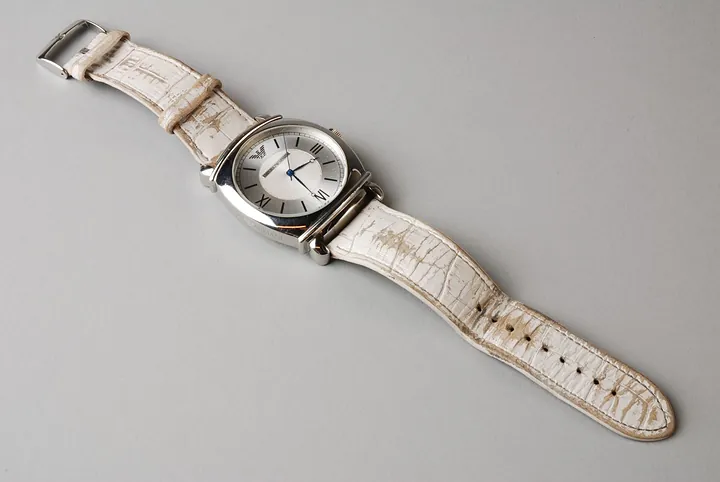
Wristwatches · 2008
Wristwatch possibly by Emporio Armani, 2008
Museum Rotterdam