
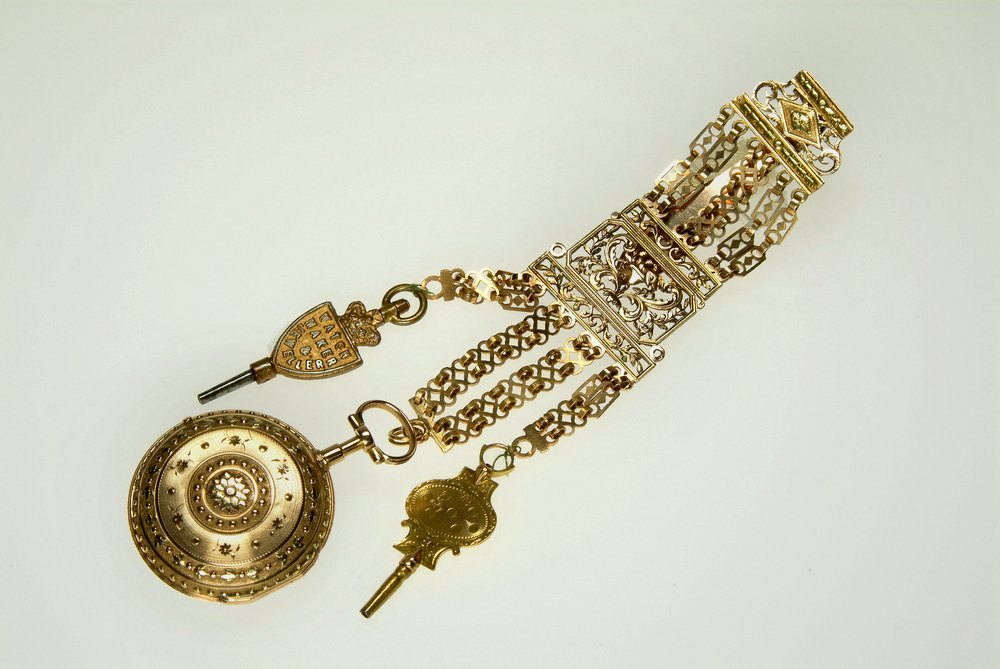
Movements & Components · Pocket watch
Pocket watch by Watchmaker & Jeweler H. J. Tooley, France, 1770–1780
- Maker / attribution
- Watchmaker & Jeweler H. J. Tooley (Created)
- Date
- 1770–1780
- Historical period
- Precision & Scientific Horology (1750 – 1850)
- Country of origin
- France
- Place
- France
- Object type
- Pocket watch
- Materials / technique
- Chatelaine: Gold; Schlüssel 1: Gold, graviert; Schlüssel 2: Gold; Taschenuhr: 18 Karat Gelbgold, graviert, granuliert; Emaille, Glas
- Dimensions
- Chatelaine: Länge: 10,5 cm; Taschenuhr: Durchmesser (mit Bügel): 5 cm; Gesamtgewicht: 45,63 g
- Holding institution
- Kulturstiftung Sachsen-Anhalt - Museum Schloss Neuenburg
- Accession / object no.
- MSN-V 11588 Ha-b
- Credit line
- Kulturstiftung Sachsen-Anhalt - Museum Schloss Neuenburg
- Catalogue title (original)
- Chatelaine mit Taschenuhr und Schlüsseln (German)
View the source record ↗ (opens another website in a new tab)Suggest a correction
Record summary
Held and catalogued by Kulturstiftung Sachsen-Anhalt - Museum Schloss Neuenburg (object number MSN-V 11588 Ha-b), this is a pocket watch by Watchmaker & Jeweler H. J. Tooley, made in France, dated 1770–1780. The Atlas places it in the Precision & Scientific Horology period (1750 – 1850) of its Movements & Components collection. Materials and techniques recorded by the source: Chatelaine: Gold; Schlüssel 1: Gold, graviert; Schlüssel 2: Gold; Taschenuhr: 18 Karat Gelbgold, graviert, granuliert; Emaille, Glas. Recorded dimensions: Chatelaine: Länge: 10,5 cm; Taschenuhr: Durchmesser (mit Bügel): 5 cm; Gesamtgewicht: 45,63 g. The record is illustrated with 3 photographs.
Assembled from the source record's structured fields. Dates and attributions are given as the source states them; where a field is missing the Atlas leaves it blank rather than estimating.
Catalogue description
Catalogue description from Kulturstiftung Sachsen-Anhalt - Museum Schloss Neuenburg (German)
Als Chatelaine wird ein dekorativer Anhänger bezeichnet, mit dessen Hilfe Taschenuhren und andere kleine Gegenstände, wie Schlüssel, Petschaften und gelegentlich auch Nähzeug an der Kleidung befestigt werden konnten. Die praktische Anhängung wurde von Frauen und Männern gleichermaßen getragen. Die Chatelaine aus der musealen Sammlung des Museums Schloss Neuenburg wurde um 1800 in England hergestellt. Die Tragekette hat oberhalb ein Verbindungsstück, das an einen Gürtel gesteckt wird. Der obere Teil der Chatelaine wird aus einem Bügel, an dem fünf nebeneinander angebrachte, kurze Ketten hängen sowie einer darunter befestigten Platte gebildet. Die Platte wirkt aufgrund ihrer floralen Ornamentik mit gegenständig eingerollten Akanthusblättern und zwei Blattfriesen klassizistisch. An ihr sind wiederrum vier Ketten befestigt, an denen mittig eine Goldtaschenuhr sowie seitlich zwei goldene Uhrenschlüssel hängen. Die eingehängte Goldtaschenuhr gehörte ursprünglich nicht zur Chatelaine. Sie wurde von den Vorbesitzern hinzugekauft und in Frankreich etwa zwischen 1170 und 1780 gefertigt. Eine Herstellersignatur weist das dekorative Zeitmessgerät nicht auf. Das Uhrengehäuse besteht aus 18 Karat Gelbgold. Die Ornamentik zeigt an den Rändern und auf der Rückseite der Uhr kranzförmig angeordnete Goldgranulatperlen sowie pflanzliche Applikationen und eine Feingravur. Das hochgewölbte Glas über dem Ziffernblatt ist nicht mehr original, sondern wurde später hinzugefügt. Das weiße Emailleziffernblatt hat schwarze arabische Zahlen für die Stunden. Die geraden Zeiger aus Gold sind unverziert, der Stundenzeiger ist an der Spitze abgebrochen. Das Uhrwerk besteht aus einem kleinen niedrigen, feuervergoldeten Spindelwerk mit Kette, Schnecke und gedrehten kleinen Pfeilern. Die Spindelbrücke ist fein ausgeschnitten. Der zu der Taschenuhr dazugehörende Schlüssel (rechts unten auf der Abbildung) wurde ebenfalls aus Gold gearbeitet. Die geschlossene, flache, querovale Reide mit konkaven Verbindungen zum Gesenk und die Chatelaineöse wurden ebenfalls graviert und mit einer ähnlichen Ornamentik wie bei der Uhr versehen. Ein zweiter, nicht zur Taschenuhr dazugehörender, englischer Schlüssel (links oben auf der Abbildung) hängt an der Chatelaine an. Er wurde auf der schildförmigen Reide vom Hersteller mit einer Aufschrift "WATCH MAKER & JEWELLER / H.J.TOOLEY AYLESBURY" versehen.
Shown in the original language of the source catalogue. An editor-reviewed English translation has not yet been published; we do not publish machine translations as authoritative text.
Historical context
Precision & Scientific Horology (1750 – 1850)
Harrison solves longitude; Mudge invents the lever; Breguet's Paris workshop defines the modern watch.
The age of escapement invention: cylinder, duplex, lever, detent and many experimental escapements; compensation balances and fine finishing.
Read the period in the timelineMore movements & components from this periodEarlier: Early Modern Horology
Atlas type guide
Cases, keys and accessories
Clock and watch cases protect the movement and express taste and status. Watch cases were made by separate specialist case-makers whose marks, along with assay hallmarks, help to date and place them. Clock cases were the work of cabinet-makers, bronze founders, ceramic factories and silversmiths, so they belong as much to the history of decorative arts as to horology.
Keys, chatelaines, watch stands, watch papers and winding tools are part of the material culture of timekeeping: they show how timepieces were worn, displayed, wound and maintained.
What to look for
- Case maker's sponsor's marks and assay hallmarks in gold and silver cases.
- Materials: shagreen, tortoiseshell, enamel, porcelain, jasperware, gilt bronze.
- Breguet-style ratchet keys, crank keys and watch-key fobs.
- Engraved names, presentations and dates.
Dating clues
- English hallmark date letters allow exact dating of the case assay.
- Porcelain cases from Meissen and Sèvres: mostly eighteenth century.
General guidance written by the Atlas editors about this kind of object. It is not a statement about this particular piece; for that, rely on the source record above and on physical examination.
Related records
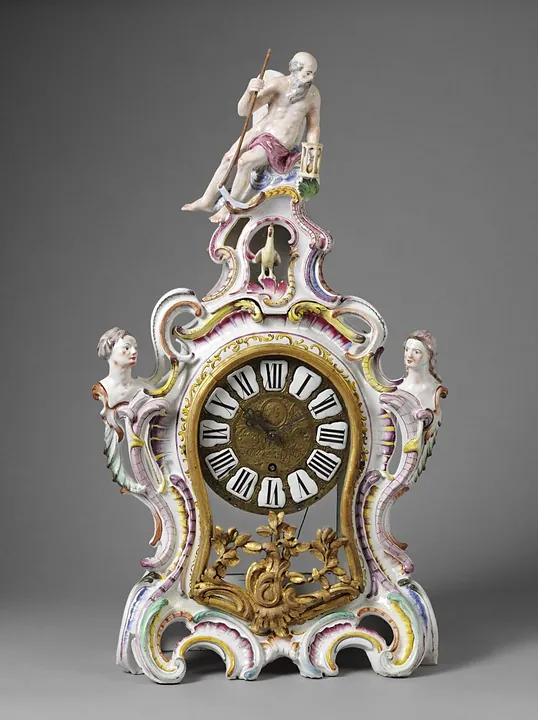
Movements & Components · 1756–1757
Clock case by Paul Hannong's pottery factory, France, 1756–1757
Victoria and Albert Museum, London
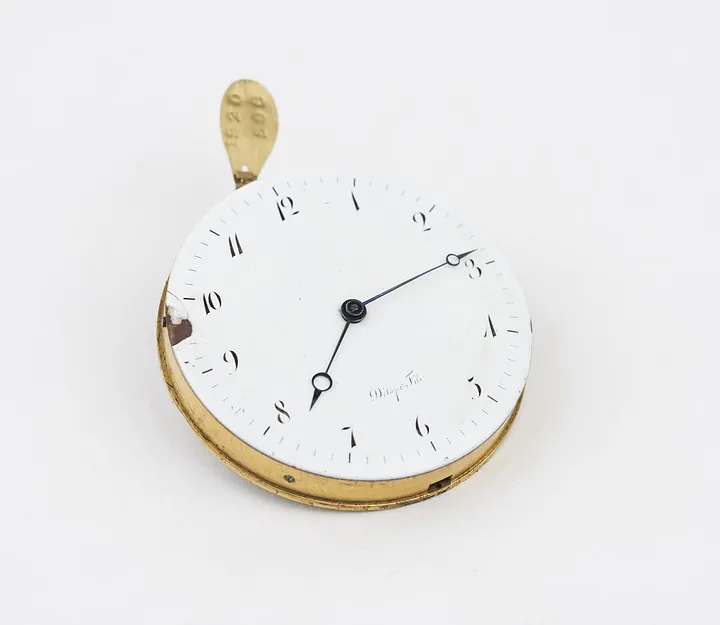
Movements & Components · 1770
Duplex repeater, about 1770, by Detape Fils, Paris, France
Science Museum Group, London
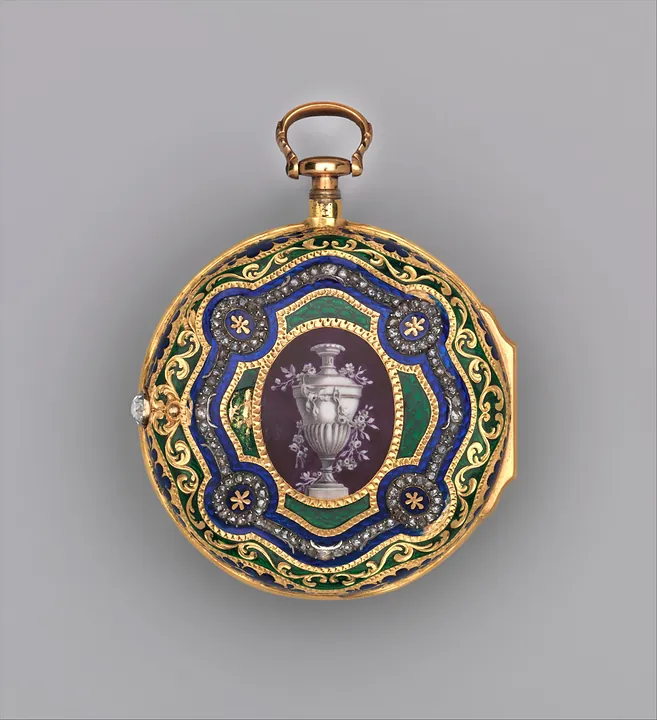
Movements & Components · probably c. 1770
Watch case possibly by George Harrison, France, probably c. 1770
The Metropolitan Museum of Art, New York
Movements & Components · 1770–1800
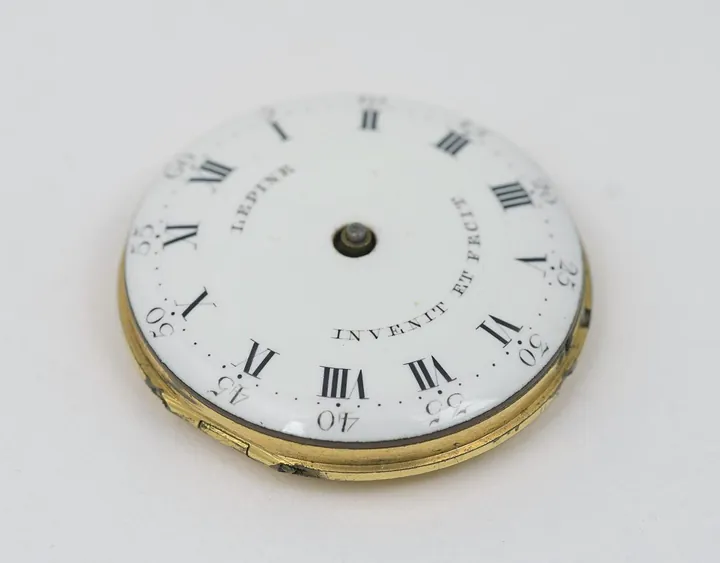
Watch movement made by Jean Antoine Lepine, Paris, France, c. 1770–1800.
Science Museum Group, London
Movements & Components · early 19th century
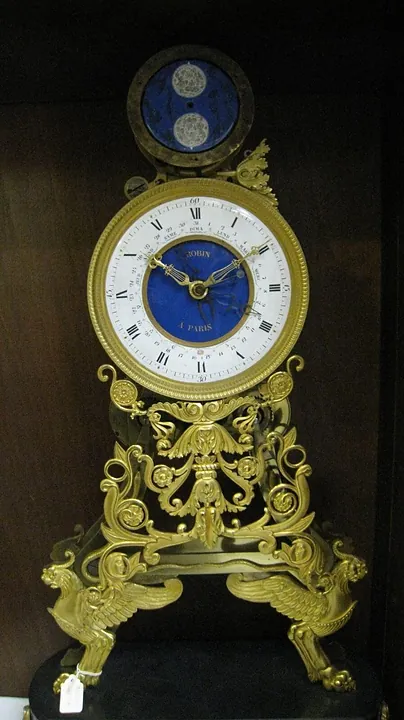
Skeleton clock with case, signed ROBIN A PARIS, early 19th century
Victoria and Albert Museum, London
Movements & Components · c. 1800
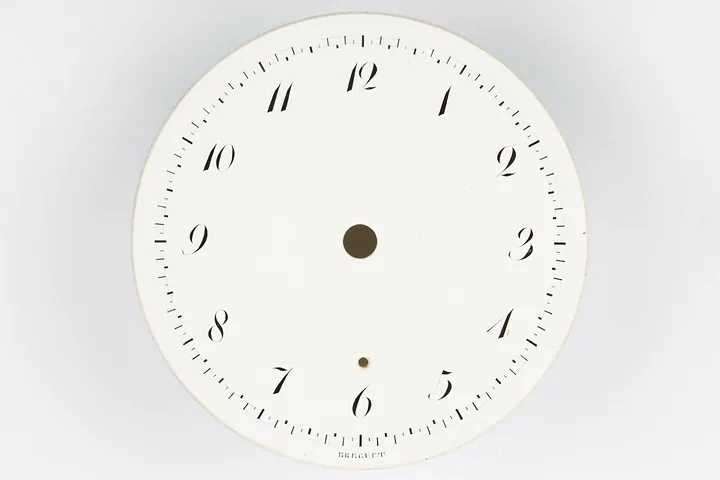
Watch movement by Abraham-Louis Breguet, France, c. 1800
German Clock Museum
Movements & Components · 1801–1830
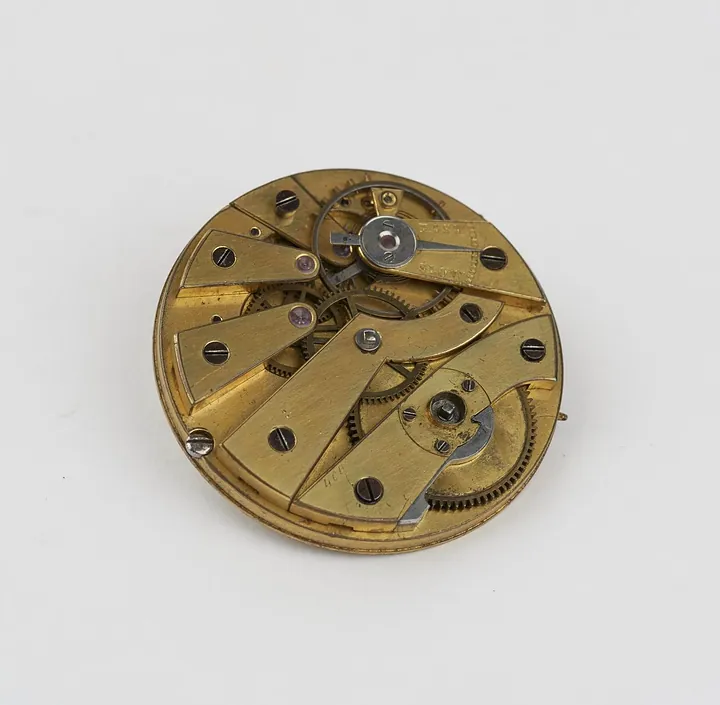
Duplex, French or Swiss, early 19th century
Science Museum Group, London
Movements & Components · c. 1820
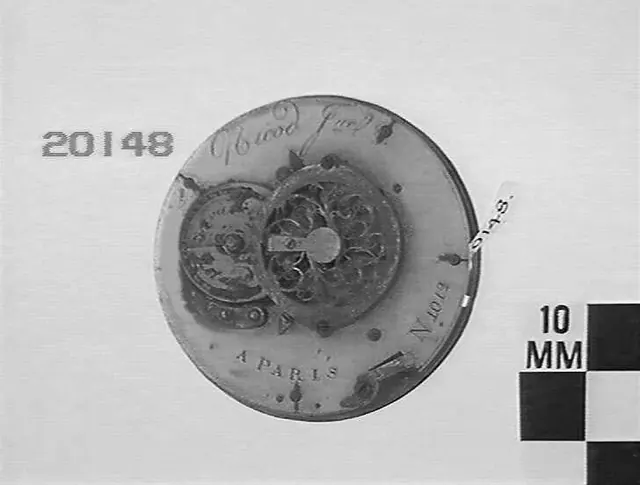
Pocket Watch Movement - Nicod Jeune, Paris, c. 1820
Museums Victoria, Melbourne