The Horology Museum
The Catalogue
Matching records
467 records · page 1 of 20
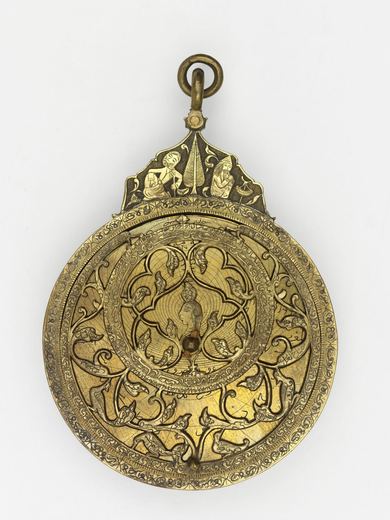
Instruments · 1700-1800
Astrolabe, Iran (Persia), 1700-1800
Victoria and Albert Museum, London
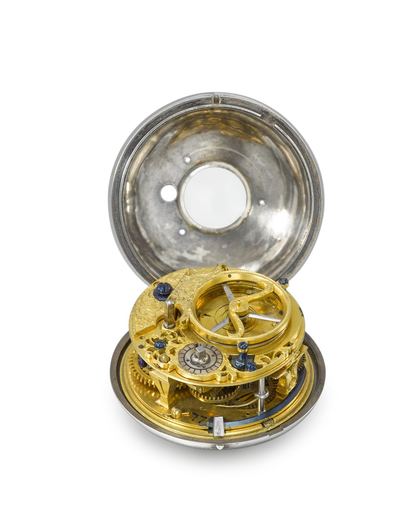
Pocket Watches · 1700-1815
Pocket watch by Debaufre, Peter, England, 1700-1815
Science Museum Group, London
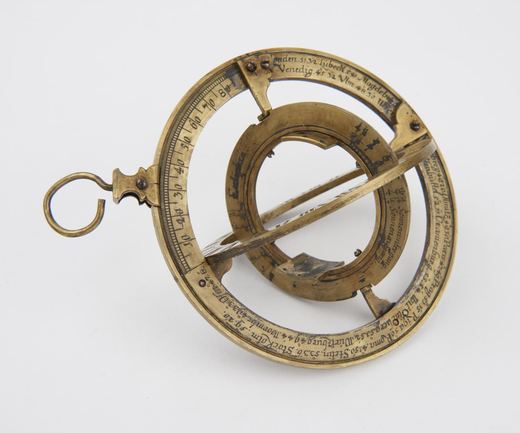
Instruments · 1701-1800
"Astronomical circles" brass part silvered 4in diameter, German, 1701-1800, or " armillary astrolabe"
Science Museum Group, London
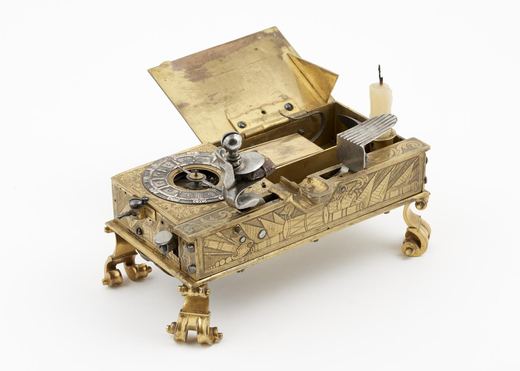
Clocks · 1701-1799
Alarm clock, Austria, 1701-1799
Science Museum Group, London
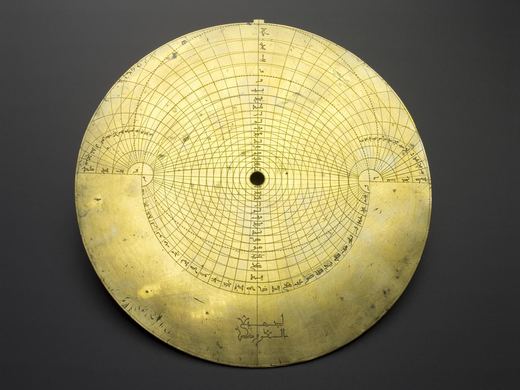
Instruments · 1701-1800
Astrolabe, Islamic world, 1701-1800
Science Museum Group, London
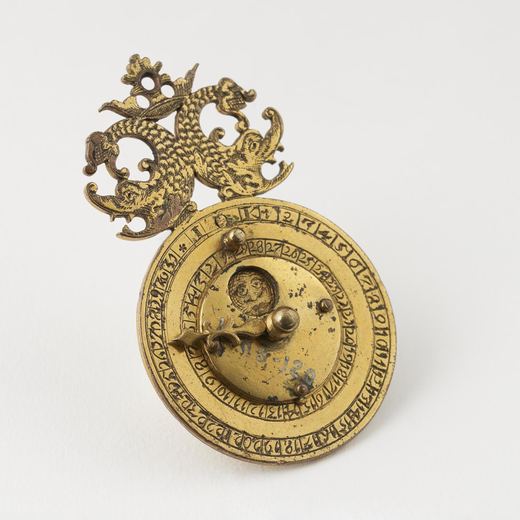
Instruments · 1701-1800
Perpetual calendar, gilt metal, 2½ x 9/16-inches, Germany, 1701-1800.
Science Museum Group, London
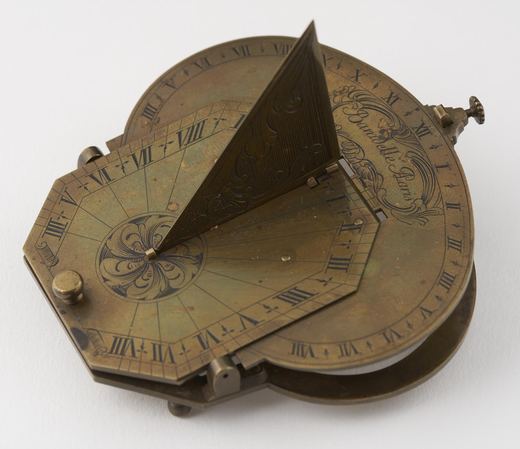
Instruments · 1701-1800
Small brass sun-dial, analemmatic, by Baradelle, Paris, France, 1701-1800 (see note).
Science Museum Group, London
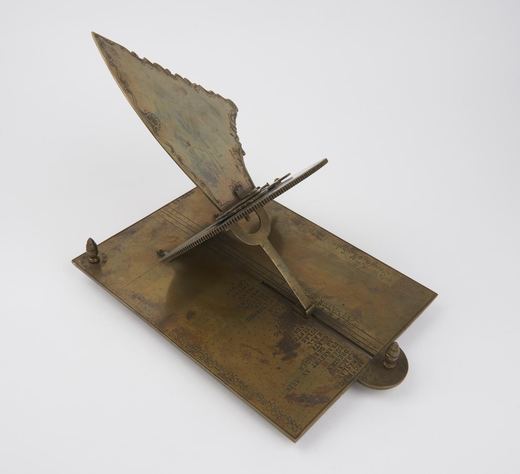
Instruments · 1701-1800
Sundial by Modestin, Joseph, Czech Republic, 1701-1800
Science Museum Group, London
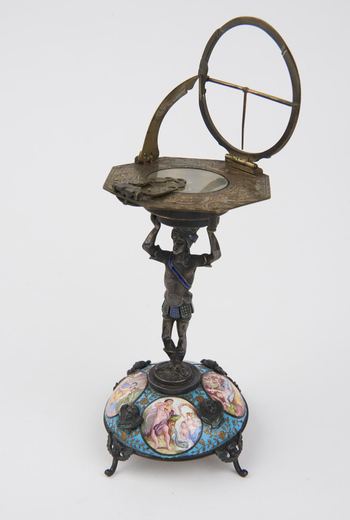
Instruments · 1701-1800
Sundial, Germany, 1701-1800
Science Museum Group, London
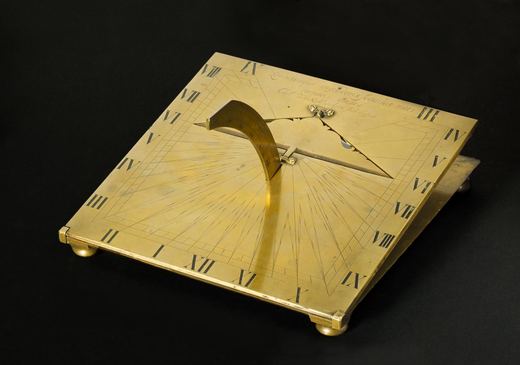
Instruments · 1701-1800
Universal equinoctial sundial signed "Carl Von Mandern fecit Hafnia" (Copenhagen), 18th century
Science Museum Group, London
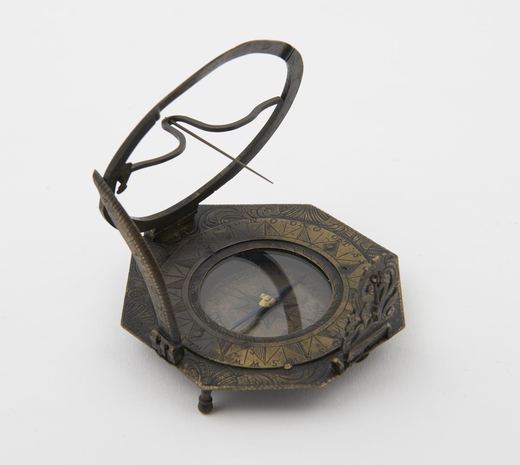
Instruments · 1701-1800
Universal pocket sundial, octagonal base, diameter of hour circle 2 7/8-inches, small plumbob, Germany, 1701-1800 (see note).
Science Museum Group, London
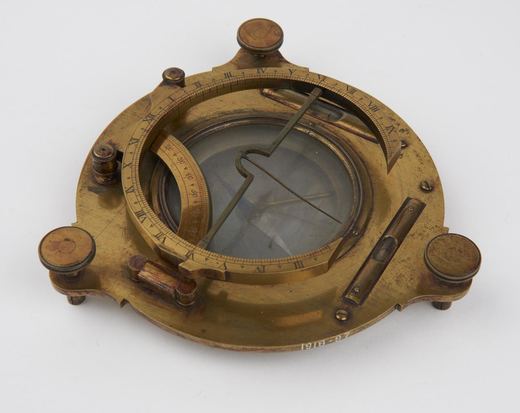
Instruments · 1701-1800
Universal sundial, by Sadtler of Vienna, 1701-1800
Science Museum Group, London
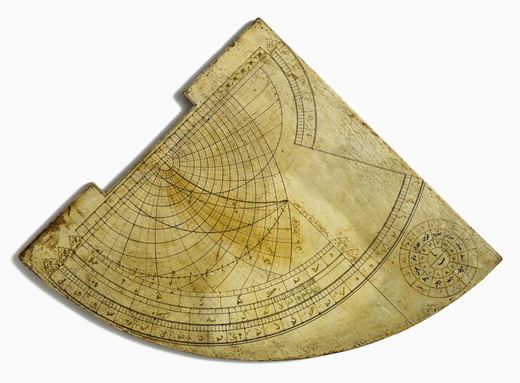
Instruments · 1701-1800
Wooden horary quadrant (25-cm radius) with painted scales and leather case, Islamic script, unsigned, Persia, 1701-1800.
Science Museum Group, London
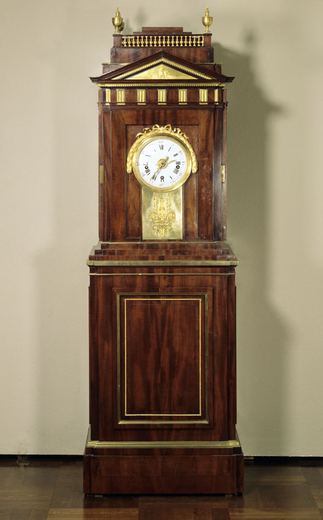
Clocks · 1711–1827
Longcase clock by David Roentgen ( - ), England, 1711–1827
Badisches Landesmuseum Karlsruhe
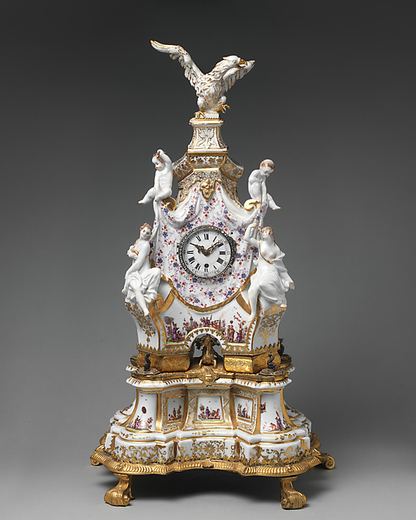
Movements & Components · case ca. 1728–30, movement ca. 1830–50
Clock case by Meissen Manufactory, Germany, case ca. 1728–30, movement ca. 1830–50
The Metropolitan Museum of Art, New York
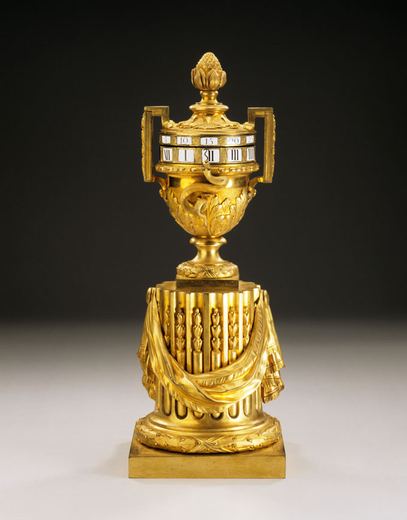
Clocks · 1723–1811
Table clock by Louis Montjoye, France, 1723–1811
Badisches Landesmuseum Karlsruhe
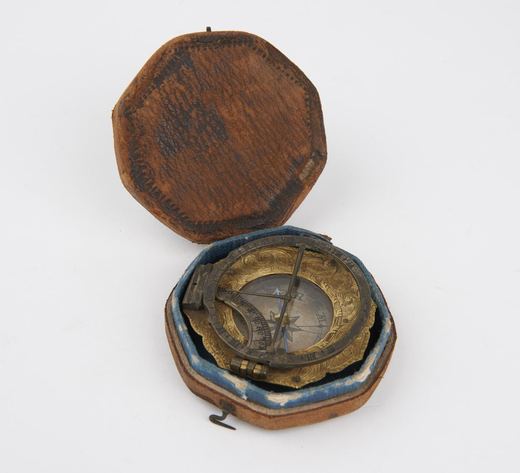
Instruments · 1726-1775
Universal equinoctial sundial of the Augsburg type, signed on the base "L T M" (Ludwig Theodatus Muller). In original case. German, mid 18th century. (B1670)
Science Museum Group, London
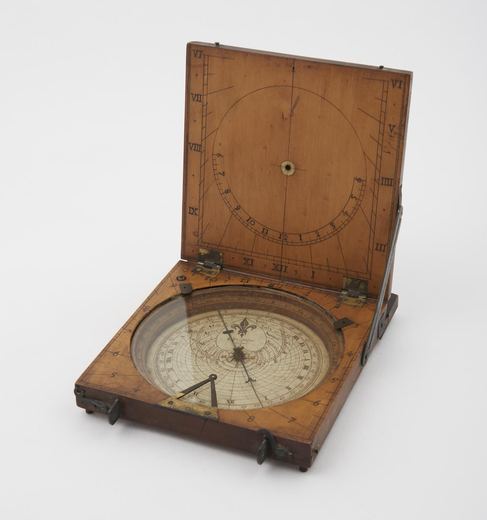
Instruments · 1731-1776
Azimuth compass sundial by James Ferguson, London, England, 1731-1776. Could also be used as a tablet sundial - string gnomon is missing (see note).
Science Museum Group, London
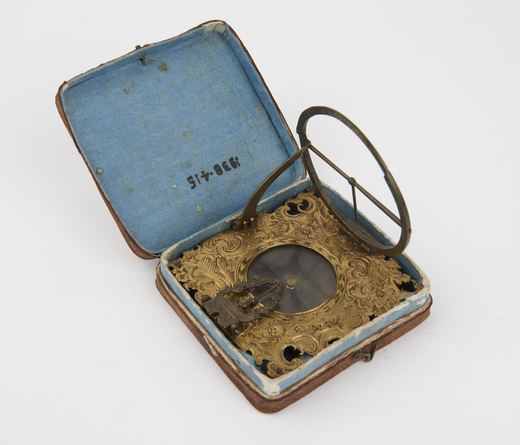
Instruments · 1734-1770
Sundial by Muller, Ludwig Theodatus, Germany, 1734-1770 (Science Museum Group 1938-415)
Science Museum Group, London
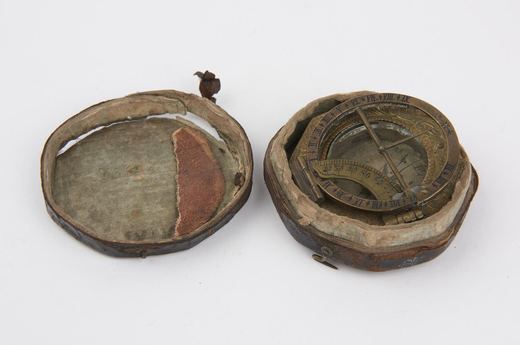
Instruments · 1734-1770
Sundial by Muller, Ludwig Theodatus, Germany, 1734-1770 (Science Museum Group 1991-138)
Science Museum Group, London
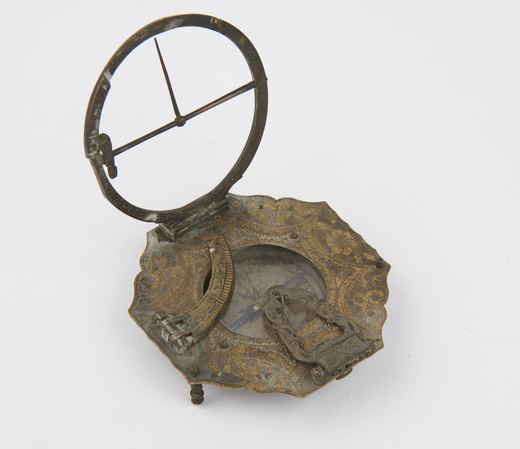
Instruments · 1734-1770
Sundial by Muller, Ludwig Theodatus, Germany, 1734-1770 (Science Museum Group 1991-192)
Science Museum Group, London
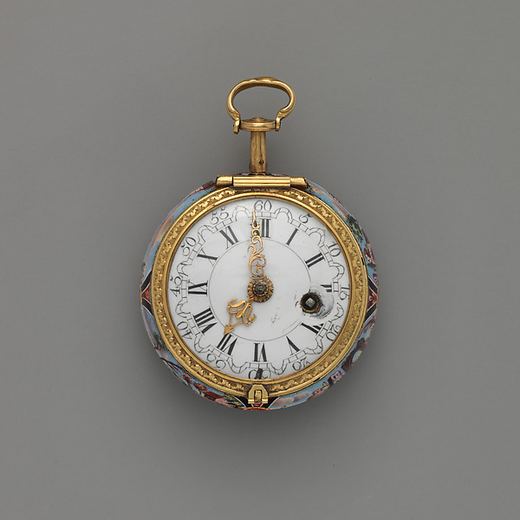
Pocket Watches · ca. 1740–60
Watch by Charles Cabrier II, United Kingdom, ca. 1740–60 (The Met 17.190.1458)
The Metropolitan Museum of Art, New York
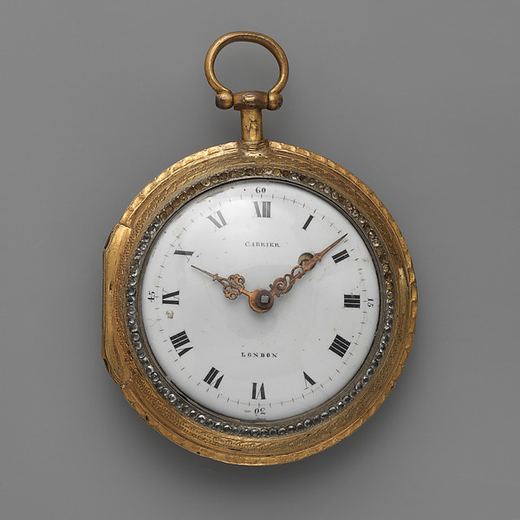
Pocket Watches · ca. 1740–60
Watch by Charles Cabrier II, United Kingdom, ca. 1740–60 (The Met 17.190.1461)
The Metropolitan Museum of Art, New York
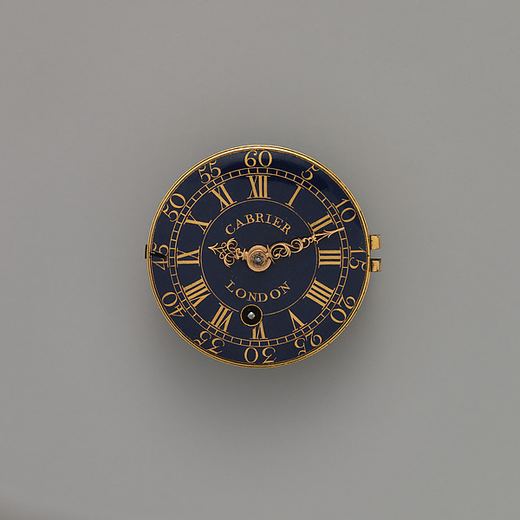
Movements & Components · ca. 1740–60
Watch movement by Charles Cabrier II, United Kingdom, ca. 1740–60
The Metropolitan Museum of Art, New York