
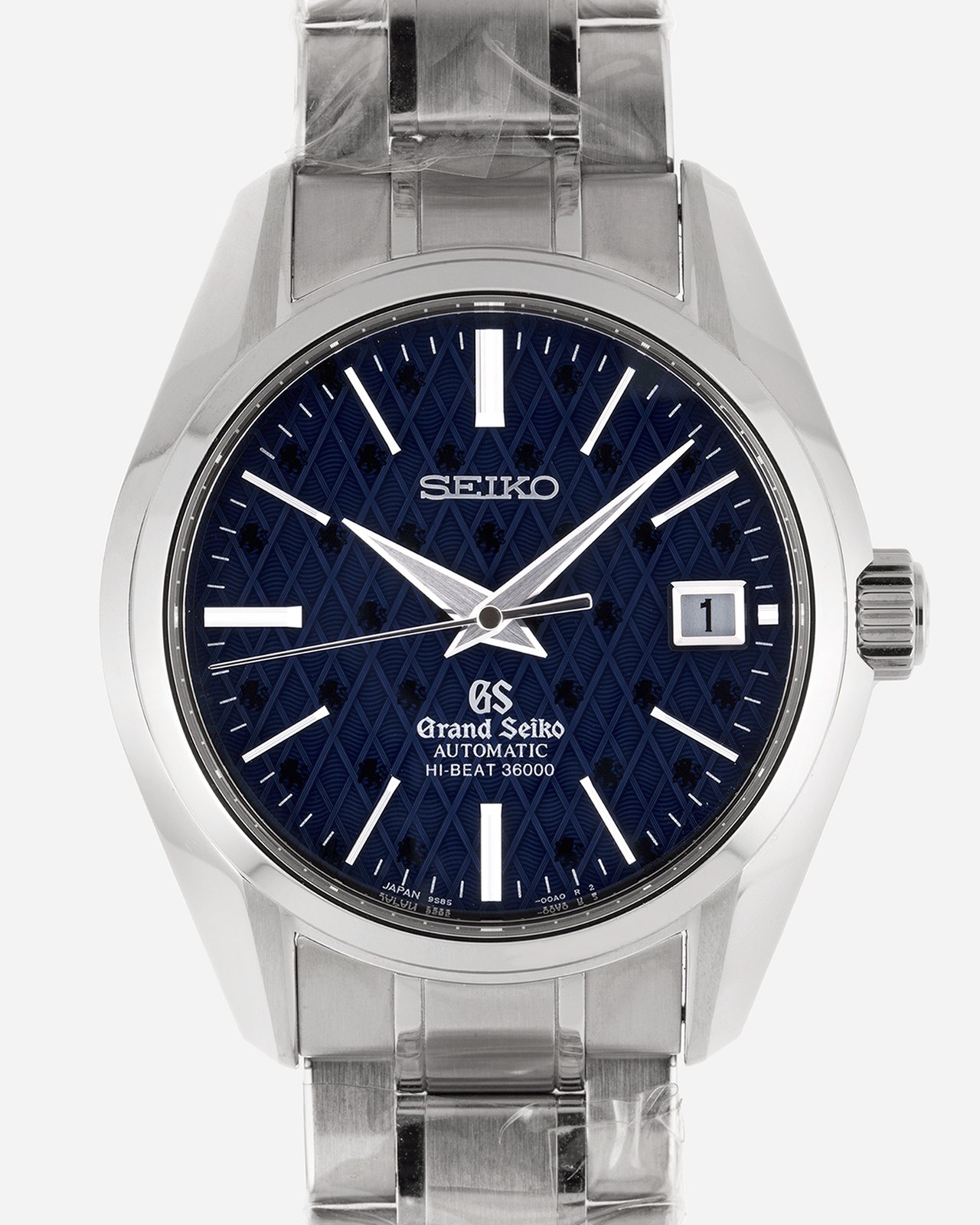
Wristwatches · Wristwatch
Grand Seiko Hi-Beat SBGH031 Limited, 2014
- Maker / attribution
- Grand Seiko (maker)
- Date
- 2014
- Historical period
- Contemporary Horology (2010 – Present)
- Country of origin
- Japan
- Object type
- Wristwatch
- Dimensions
- Case 40 mm
- Stock no.
- Product 4680827863127
- Credit line
- Dealer listing, S.Song Watches (product 4680827863127)
- Catalogue title (original)
- Grand Seiko Hi-Beat SBGH031 Limited (English)
View the source record (dealer listing) ↗ (opens another website in a new tab)Suggest a correction
Record summary
Catalogued by S.Song Watches (dealer), Seattle (stock number Product 4680827863127), this is a wristwatch by Grand Seiko, made in Japan, dated 2014. The Atlas places it in the Contemporary Horology period (2010 – Present) of its Wristwatches collection. Recorded dimensions: Case 40 mm. The record is illustrated with 6 photographs.
Assembled from the source record's structured fields. Dates and attributions are given as the source states them; where a field is missing the Atlas leaves it blank rather than estimating.
Catalogue description
Dealer description — S.Song Watches
The recurring narrative in the watch world is that Grand Seiko is highly, highly under-appreciated. Loved by those who truly understand mechanical watches and are unbiased geographically, the majority have historically turned their noses up at a brand that in their eyes, produces ‘cheap’ watches. Well, just like how Lexus in the automotive industry or Yamazaki and Hibiki in the whisky industry initially battled the same bias, Grand Seiko of late has become a real force to reckon with. The Japanese are famously known for their undying work ethic and dedication to quality and with Grand Seiko, it is certainly no different. Founded in 1960, Grand Seiko exists as the arm of Seiko that challenges the dominance of Swiss watchmakers like Rolex with their exquisitely created, gorgeously designed, and impeccably finished Japanese timepieces. With several watchmaking merits under their belt, Grand Seiko has grown since their inception to achieve that very goal and today stand as one of the most highly respected watchmakers in the world, not just Japan. Released in 2014 and limited to just 200 pieces in total, the Grand Seiko Asia Limited Edition is one of the more unique versions of the longstanding timepiece. Exclusive to the Asian markets, the SBGH031 features design cues that speak to the region’s geographical qualities and traditions. Famous for their incredible dials, it is no coincidence that Grand Seiko gave the Asia Limited Edition the dial it did. Decorated with a diamond pattern filled with wavy lines, the deep blue dial shimmers tantalizingly in the light. On top of that, the Grand Seiko Lion logo is found located all over the dial presenting another layer of depth, another shade of blue, and another source of texture – all tenets of Grand Seiko’s dials. Moving on from its dial, the SBGH031 is housed within a 40mm stainless steel case with a variety of finishes. Ranging from its polished steel bezel to a both, brushed and polished case, the SBGH031 employs sharp lines to delineate between its various finishes. Finally, the most important aspect of the SBGH 031 Hi-Beat 36000 is its movement. Whirring away at 36,000 vph, the Hi-Beat movement was a technical marvel in the late 1960s when it was debuted. As brands fought in an arms race of accuracy, they would seek to create higher frequency movements. The Asia Limited, as its base model suggests, is fitted with a movement beating at 36,000 vph – the Grand Seiko in-house automatic cal. 9S85. Accurate to +5/–3 seconds per day, and equipped with a 55-hour power reserve, the 9S85 is as durable and technically astute as one can expect from Grand Seiko, certainly fitting for this gorgeous and rare example of Japanese engineering excellence.
Historical context
Contemporary Horology (2010 – Present)
Silicon components, connected watches, optical-lattice research clocks and a thriving independent scene.
Smartwatches became the world's best-selling watches, while mechanical watchmaking focuses on craft, innovation (silicon components, new escapements) and independent makers.
Read the period in the timelineMore wristwatches from this periodEarlier: Mechanical Renaissance
Atlas type guide
Wristwatches
Bracelet watches were worn by women from the early nineteenth century — Breguet made one for Caroline Murat, Queen of Naples, in 1810–12 — but the wristwatch only became a man's instrument with military use and aviation in the early twentieth century. Between the World Wars it overtook the pocket watch; the 1920s and 1930s brought rectangular Art Deco cases, water-resistant cases and the first automatic winding systems.
After 1945 the wristwatch became a carrier of identity — dress watches, sports and dive watches, chronographs, calendars — produced by Swiss, American, Japanese, German, Soviet and Chinese industries. The quartz revolution after 1969 and the mechanical renaissance since the 1990s, including the rise of independent watchmakers, complete the story.
What to look for
- The reference number (between the lugs or inside the case back) and serial number, the starting point for dating.
- The calibre: its maker and number are often stamped under the dial or on the bridge.
- Originality of dial, hands and crown — refinished ('redial') dials are common.
- Case material marks: 18K/750, 14K/585, stainless steel, gold-filled, plated.
Dating clues
- Wire-lug cases: before c. 1925.
- Water-resistant screw-down cases: from 1926.
- Quartz movements: from 1969; sapphire crystals widespread after c. 1980.
General guidance written by the Atlas editors about this kind of object. It is not a statement about this particular piece; for that, rely on the source record above and on physical examination.
Related records
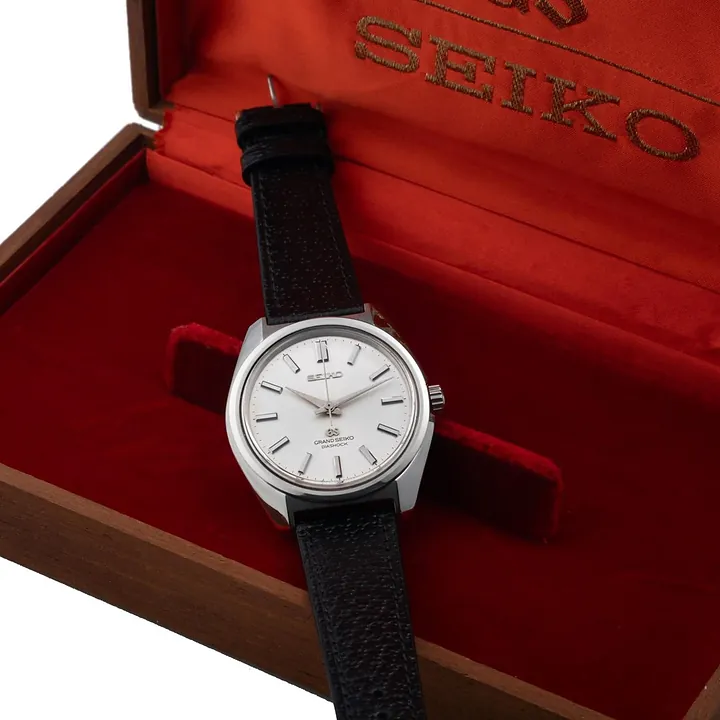
Wristwatches · 1967
Grand Seiko 44 GS, ref. 4420-9000, 1967
Antiquorum auction archive, Geneva
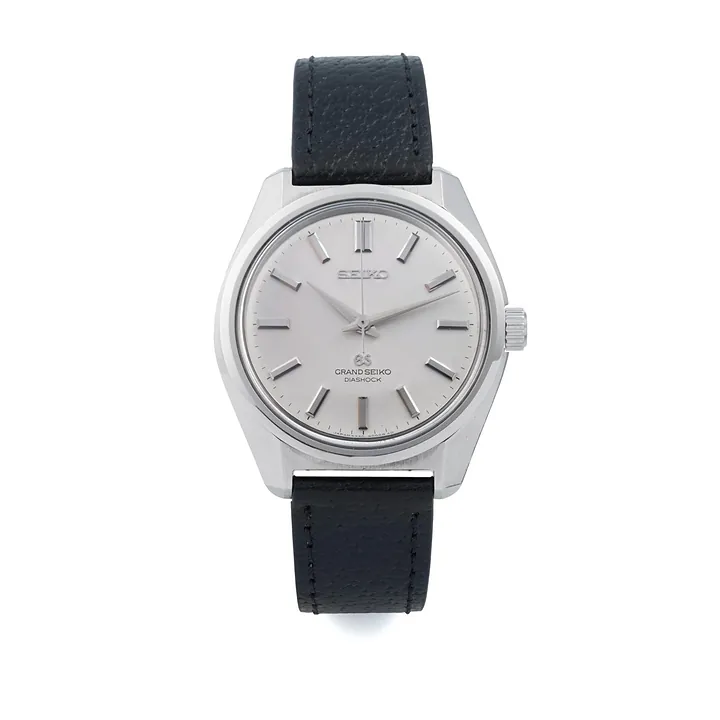
Wristwatches · c. 1967
Grand Seiko 44 GS, ref. 4420-9000, c. 1967
Antiquorum auction archive, Geneva
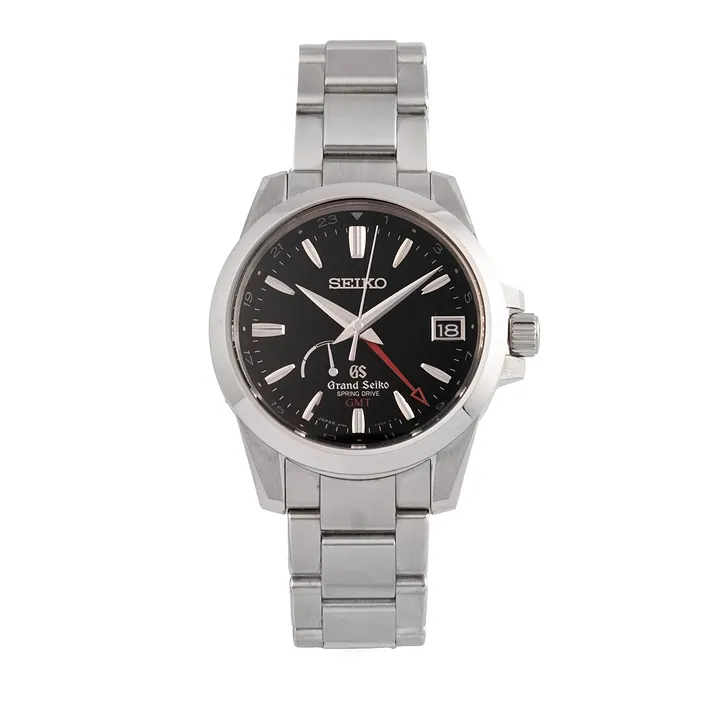
Wristwatches · c. 2020s
Grand Seiko Spring Drive GMT, ref. 9R66-0AE0, c. 2020s
Antiquorum auction archive, Geneva
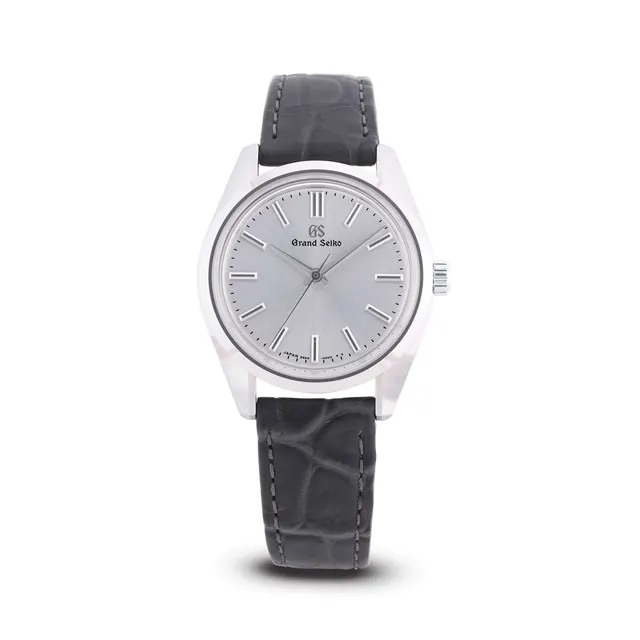
Wristwatches · originally sold in September 2022 (per the lot record)
Grand Seiko wristwatch, ref. SBGW291, Heritage Collection, originally sold in September 2022
Antiquorum auction archive, Geneva
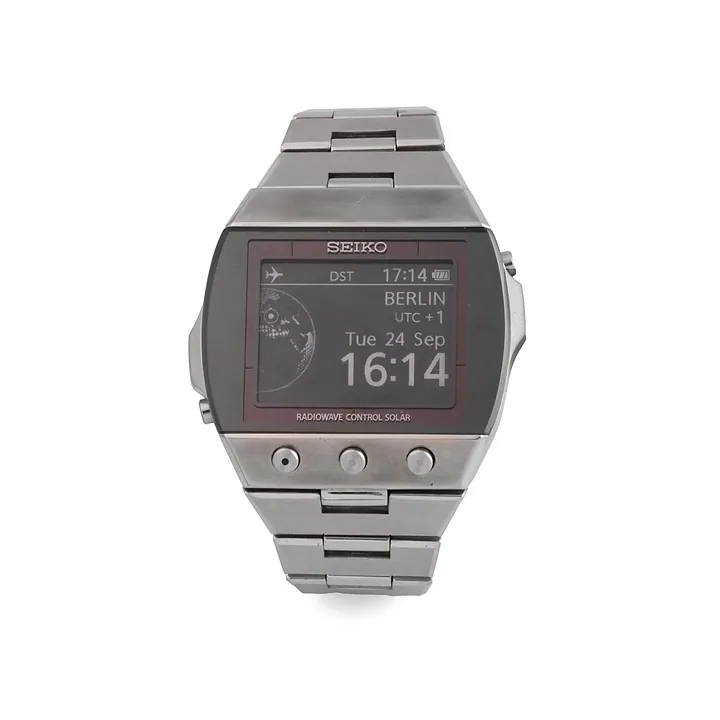
Wristwatches · Sold in 2011
Seiko Brights Spirit, ref. S770, Sold in 2011
Antiquorum auction archive, Geneva
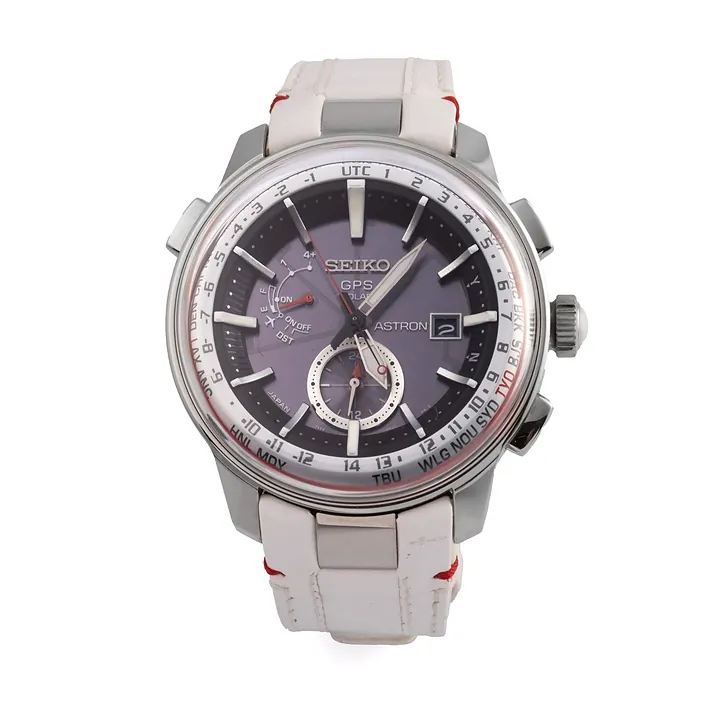
Wristwatches · originally sold in 2014 (per the lot record)
Seiko Astron GPS Solar, ref. SBXA045, originally sold in 2014
Antiquorum auction archive, Geneva
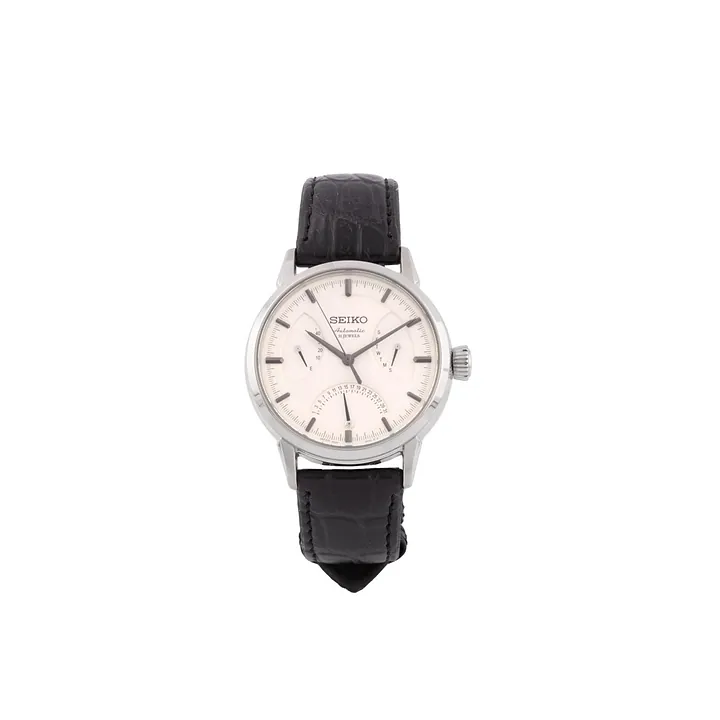
Wristwatches · c. 2015
Seiko Presage, c. 2015
Antiquorum auction archive, Geneva
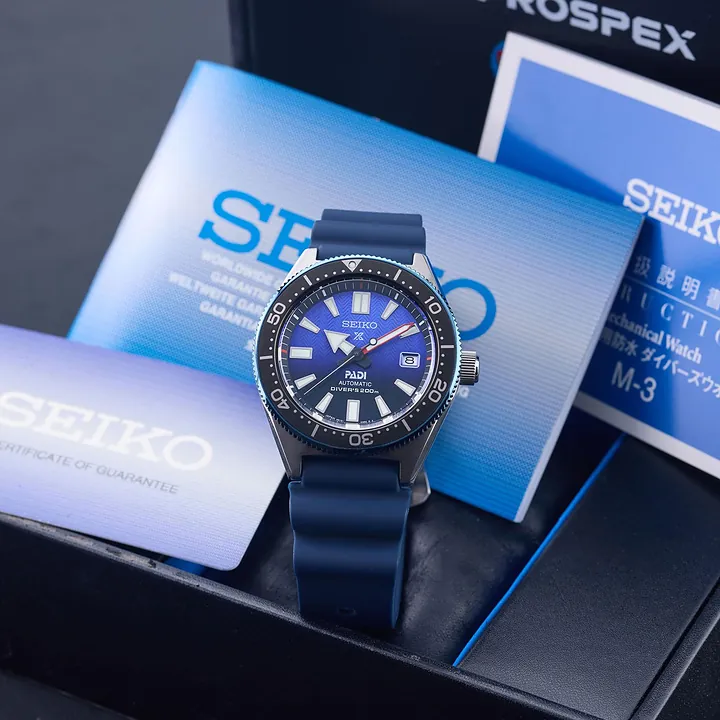
Wristwatches · originally sold in 2018 (per the lot record)
Seiko Prospex Padi Special Edition, ref. SBDC055, originally sold in 2018
Antiquorum auction archive, Geneva