
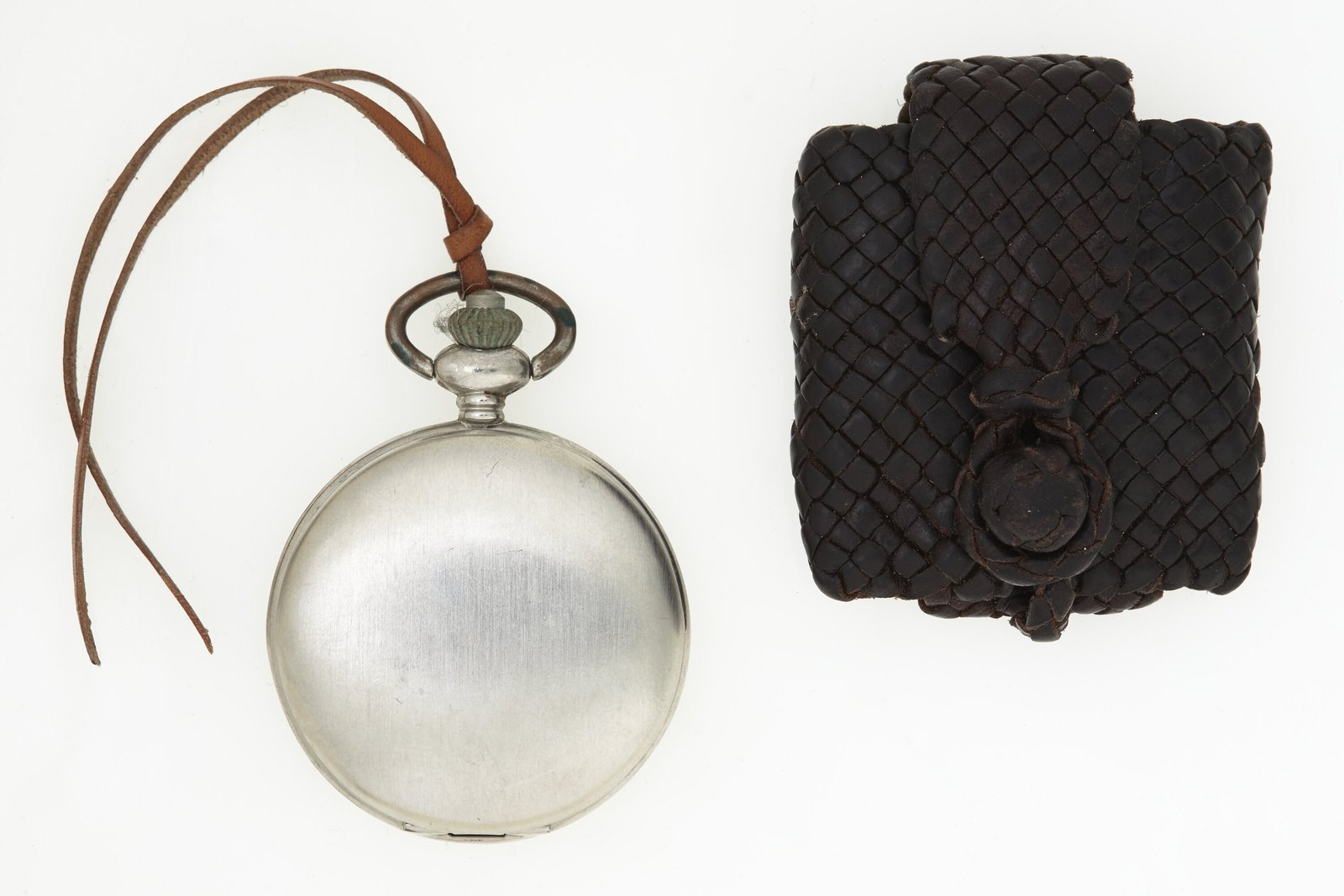
Pocket Watches · Fob Watch & Holder
Fob Watch & Holder - Leather Braided Belt Holder, Doug Kite, Ringwood, Victoria, 2013
- Maker / attribution
- Mr Doug Kite (Maker)
- Date
- 1984–2014
- Historical period
- Mechanical Renaissance (1990 – 2010)
- Country of origin
- Unrecorded in source
- Place
- Ringwood, Greater Melbourne, Victoria, Australia
- Object type
- Fob Watch & Holder
- Holding institution
- Museums Victoria, Melbourne
- Accession / object no.
- HT 48257
- Catalogue title (original)
- Fob Watch & Holder - Leather Braided Belt Holder, Doug Kite, Ringwood, Victoria, 2013 (English)
View the source record ↗ (opens another website in a new tab)Suggest a correction
Record summary
Held and catalogued by Museums Victoria, Melbourne (object number HT 48257), this is a fob watch & holder by Mr Doug Kite, made in Ringwood, Greater Melbourne, Victoria, Australia, dated 1984–2014. The Atlas places it in the Mechanical Renaissance period (1990 – 2010) of its Pocket Watches collection. The record is illustrated with 6 photographs.
Assembled from the source record's structured fields. Dates and attributions are given as the source states them; where a field is missing the Atlas leaves it blank rather than estimating.
Catalogue description
Summary — Museums Victoria
Fob watch holder made by Doug Kite using kangaroo hide, which is designed to fit onto a belt. The watch is an 'Alpine' Japanes movement, purchased in Ringwood. Doug never tried to sell this item. Part of the Doug Kite Leather Braiding Collection which consists of handmade leather braided products, hand tools and works in progress made by Doug Kite from 1984 to 2016. The Collection also includes oral histories, video and photographs. The Collection was featured on the ABC Landline program on 7 August 2016.
Provenance
Donation from Mr Doug Kite, 02 May 2016
Historical context
Mechanical Renaissance (1990 – 2010)
Mechanical watches return as cultural objects; independent watchmaking flourishes.
Collectors' interest in antique pocket watches grew, and a few houses made new pocket watches with grand complications as technical showpieces.
Read the period in the timelineMore pocket watches from this periodEarlier: Quartz Revolution
Atlas type guide
Pocket watches
The pocket watch was the dominant personal timekeeper from the late seventeenth century until the First World War. Its development tracks the history of the escapement: verge watches with fusees until the late eighteenth century; Thomas Mudge's lever escapement (c. 1755) and the cylinder escapement popularised by George Graham and later by Swiss makers; and the Swiss and English lever watches of the nineteenth century. Lépine's bar-bridge calibre and keyless winding made watches thinner and easier to use.
Industrialisation transformed the trade: American factories such as Waltham (from 1850) and Elgin produced interchangeable parts by machine, and Swiss makers responded with their own mechanisation after the 1876 Philadelphia Exhibition. By 1900 a reliable watch was affordable to millions; the finest makers continued to produce complications and precision watches.
What to look for
- The escapement: verge (crown wheel), cylinder, duplex, English or Swiss lever.
- Key winding (a square arbor in dial or back) or keyless crown winding.
- Signatures and serial numbers on the movement, dial and inside case back.
- Hallmarks, case maker's marks and gold or silver standards stamped in the case.
- Dial material: enamel, silver, gold, later printed metal.
Dating clues
- Verge watches dominate before c. 1800; cylinder watches c. 1770–1900; lever watches after c. 1820.
- Keyless winding: increasingly common after c. 1860.
- Manufacturer serial number lists exist for Waltham, Elgin, Longines, Omega, Patek Philippe and others.
General guidance written by the Atlas editors about this kind of object. It is not a statement about this particular piece; for that, rely on the source record above and on physical examination.
Read next:Verge escapementDetached lever escapementFuseeIdentification Centre
Related records
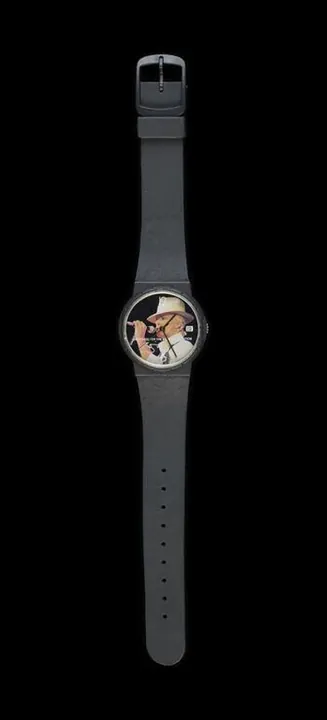
Pocket Watches · 1991
Limited edition watch designed by Eta relating to David Bowie's Serious Moonlight live tour, 1991
Victoria and Albert Museum, London
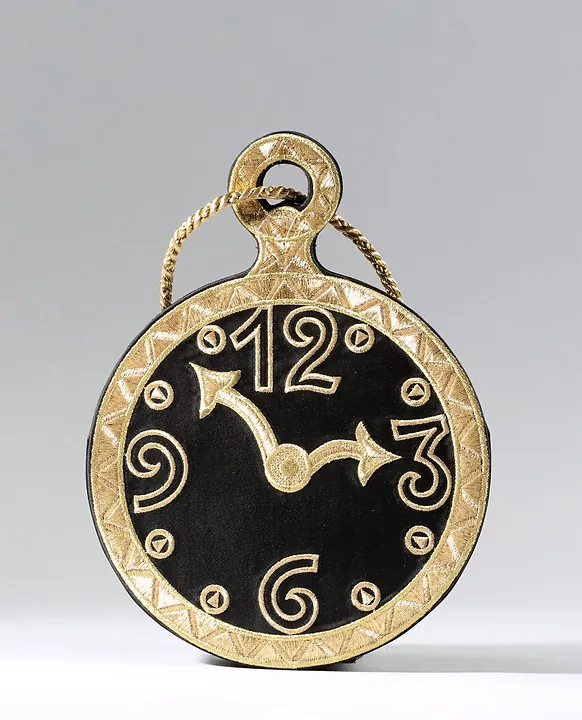
Pocket Watches · 1993
Pocket watch by Lesage, 1993
Palais Galliera - Musée de la Mode de la Ville de Paris
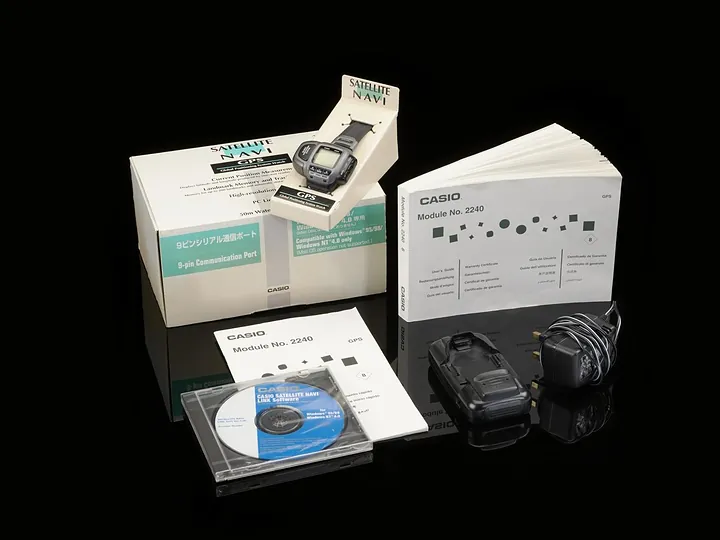
Pocket Watches · c. 1999
Pocket watch by Casio Computer Company Limited, Japan, c. 1999
Science Museum Group, London
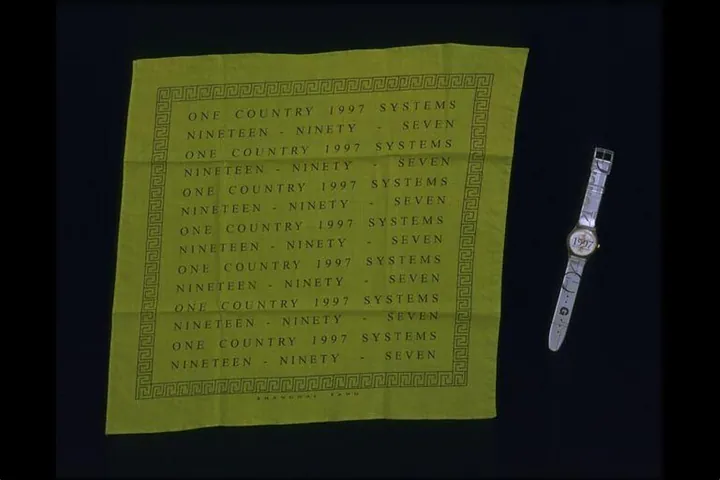
Pocket Watches · 1997
Watch, Hong Kong, 1997
Victoria and Albert Museum, London
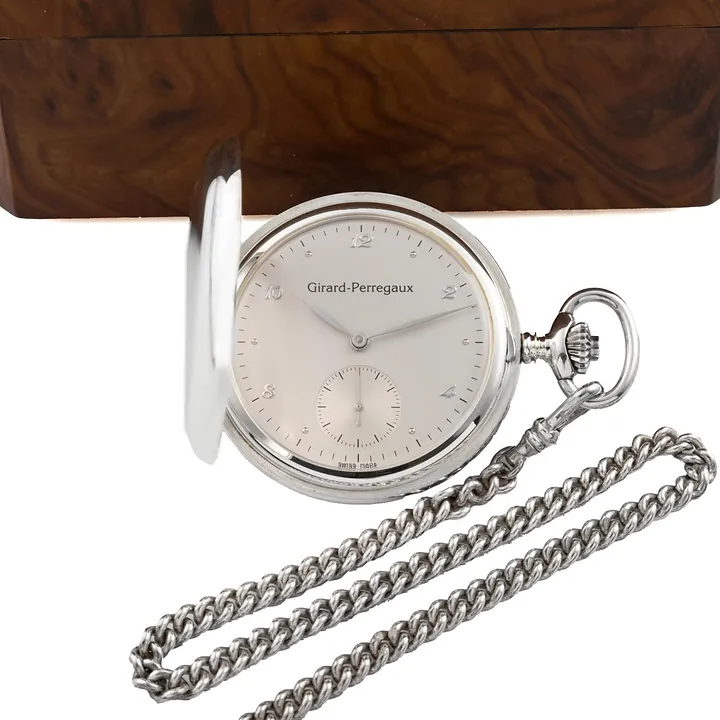
Pocket Watches · c. 1998
Girard Perregaux pocket watch, c. 1998
Antiquorum auction archive, Geneva
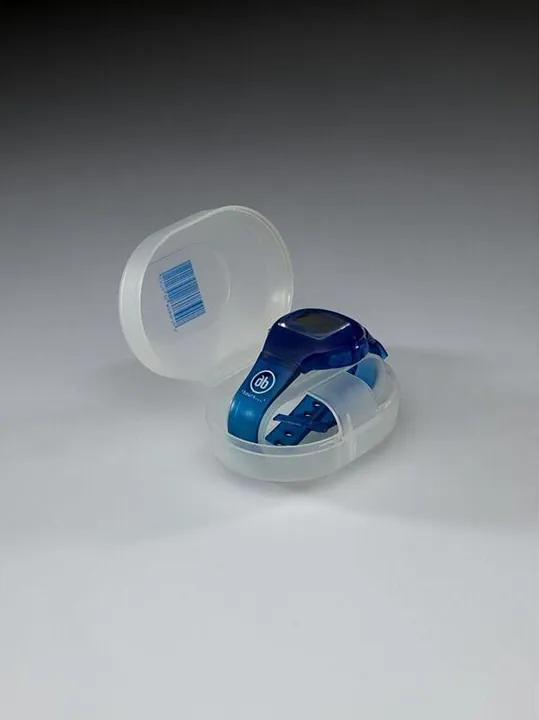
Pocket Watches · 1999
Blue digital talking watch in case, made by Virgin Records to promote the David Bowie album Hours , 1999
Victoria and Albert Museum, London
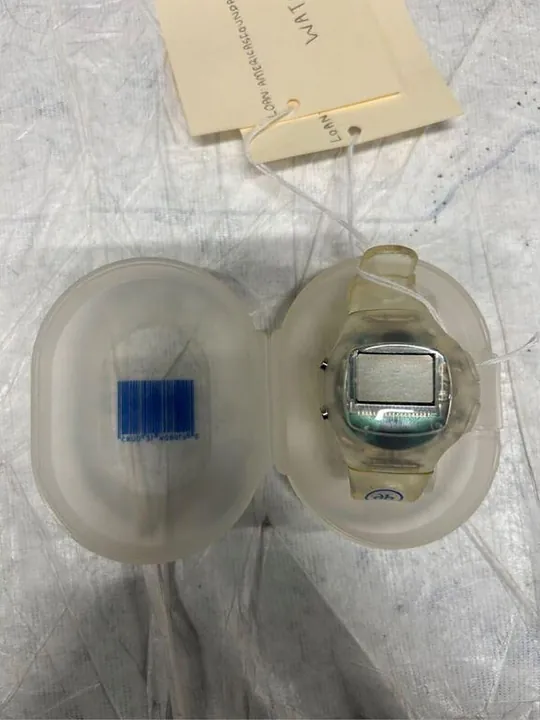
Pocket Watches · 1999
Transparent digital talking watch in case, made by Virgin Records to promote the David Bowie album Hours , 1999
Victoria and Albert Museum, London
Pocket Watches · 1999
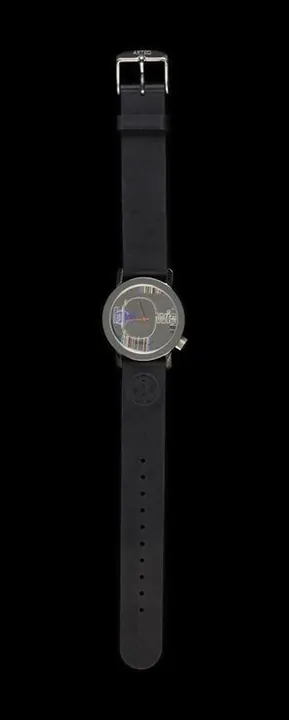
Watch made by Akteo/ Canal Productions, to promote David Bowie's show in Paris on the Hours Tour , 1999
Victoria and Albert Museum, London