
Clocks · Clock
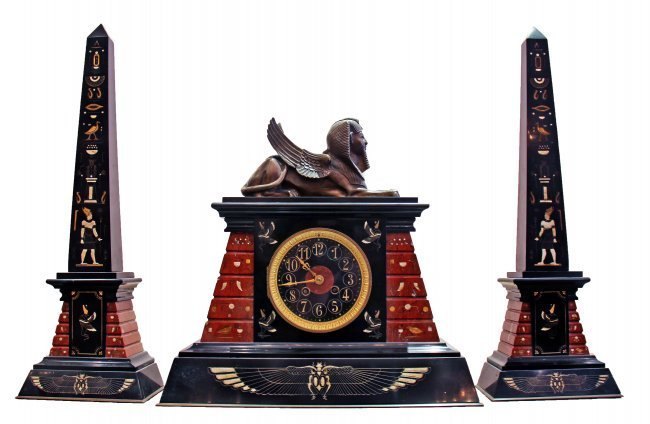
Fine French Three-Piece Clock Garniture circa 1900
- Maker / attribution
- Unrecorded in source
- Date
- c. 1900
- Historical period
- Golden Age of Mechanical Watchmaking (1900 – 1945)
- Country of origin
- France
- Object type
- Clock
- Auction house
- LiveAuctioneers auction archive
- Lot
- Item 31680384
- Credit line
- Auction lot record: lot 345, PALM BEACH ASIAN ART,SILVER, CARPETS,ANTIQUES, A.B. Levy's Palm Beach (2014), via LiveAuctioneers
- Catalogue title (original)
- FINE FRENCH THREE-PIECE CLOCK GARNITURE circa 1900 (English)
View the source record (auction lot) ↗ (opens another website in a new tab)Suggest a correction
Record summary
Catalogued by LiveAuctioneers auction archive (lot Item 31680384), this is a clock, made in France, dated c. 1900. The Atlas places it in the Golden Age of Mechanical Watchmaking period (1900 – 1945) of its Clocks collection. The record is illustrated with 4 photographs.
Assembled from the source record's structured fields. Dates and attributions are given as the source states them; where a field is missing the Atlas leaves it blank rather than estimating.
Catalogue description
Lot description — A.B. Levy's Palm Beach
FINE FRENCH EMPIRE STYLE MARBLE AND BRONZE THREE-PIECE CLOCK GARNITURE Circa 1900, the red marble and black slate pylon shaped central clock surmounted by a recumbent lion headed sphinx. The flanking elements in the form of obelisks, each with pseudo-Hieroglyphs in gilt. The clock movement impressed made in France, numbered 8870 48.Height of clock 15 1/2 in., the obelisks 20 in.
Historical context
Golden Age of Mechanical Watchmaking (1900 – 1945)
The wristwatch displaces the pocket watch; waterproof cases, self-winding and grand complications.
Between 1900 and 1945 clocks were electrified: master-clock systems ran factories and offices, synchronous mains clocks entered homes, and the Shortt free-pendulum clock set new standards of accuracy before the first quartz clocks (1927). Art Deco design reshaped mantel and table clocks.
Read the period in the timelineMore clocks from this periodEarlier: Industrial Revolution
Atlas type guide
Mantel and French pendule clocks
The mantel clock — the French pendule de cheminée — is as much decorative art as timekeeper. From the late seventeenth century Parisian clockmakers worked with cabinet-makers, bronze founders and gilders (ciseleurs-doreurs) to create cases in Boulle marquetry, gilt bronze and marble, while the movements were often supplied by specialist makers. Clocks of the Louis XIV, Louis XV and Louis XVI periods, and Empire clocks with allegorical figures, set fashions copied across Europe.
The nineteenth century industrialised the type. The 'Paris movement', a standardised round movement with silk-thread or Brocot suspension and count-wheel striking, was made in huge numbers by firms such as Japy and Vincenti, and fitted into cases of every style and material.
What to look for
- Round 'Paris' movements with makers' stamps (e.g. Japy Frères, Vincenti, S. Marti) and medal marks from exhibitions.
- Suspension type: silk thread (earlier) or Brocot adjustable suspension (after c. 1840).
- Visible Brocot escapement on the dial in later clocks.
- Fire-gilt (mercury) gilding on bronzes versus later electro-gilding.
- Signed dials naming a retailer rather than the movement maker.
Dating clues
- Silk-suspension Paris movements: c. 1800–1850.
- Brocot suspension and visible escapements: after c. 1840.
- Exhibition medal stamps on movements give dates after the medal year.
General guidance written by the Atlas editors about this kind of object. It is not a statement about this particular piece; for that, rely on the source record above and on physical examination.
Read next:Anchor (recoil) escapement
Related records
Clocks · 1902–1912
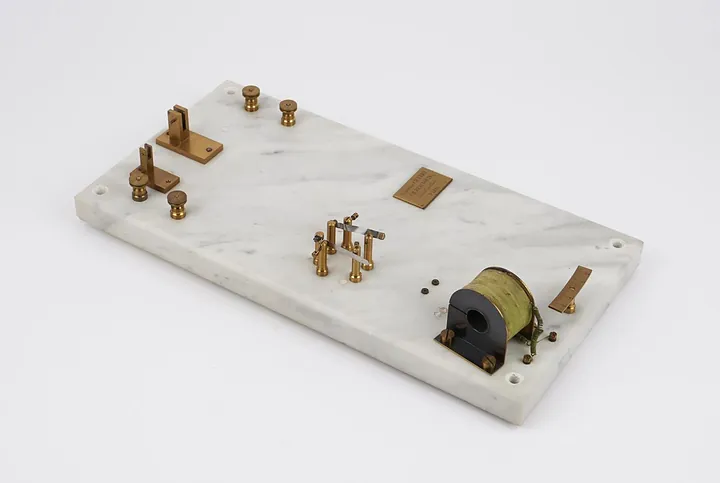
Fery's selfwound clock, with subsidiary pendulum for making contact, by Prof. Charles Fery and C. Beaudouin, Paris, France, 1902–1912.
Science Museum Group, London
Clocks · 1915–1925
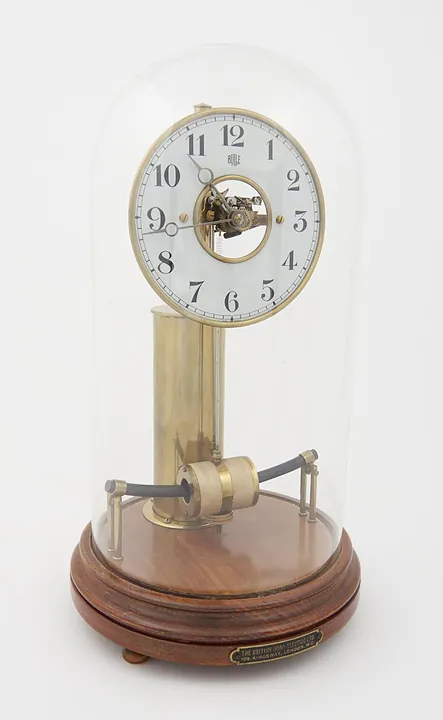
Type A 'Bulle' electric clock, no.6160, with glass shade, made in France but sold by British Horo-Electric Ltd., 109 Kingsway, London, WC, England, 1915–1925.
Science Museum Group, London
Clocks · c. 1921
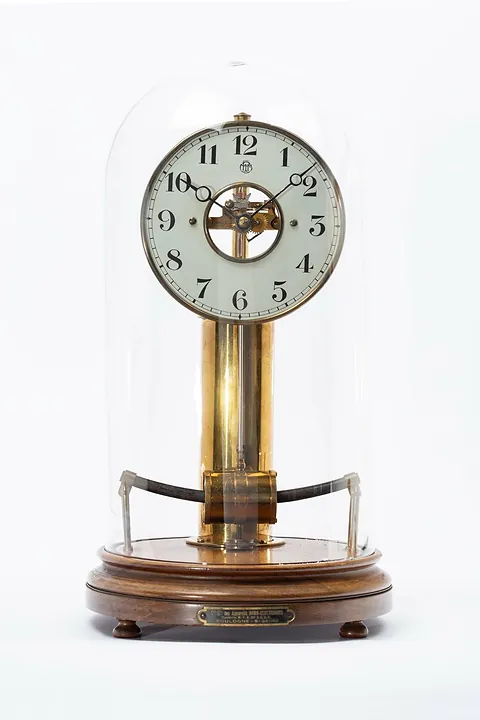
Table clock by Compagnie Générale des Appareils Horo-Electriques, France, c. 1921
German Clock Museum
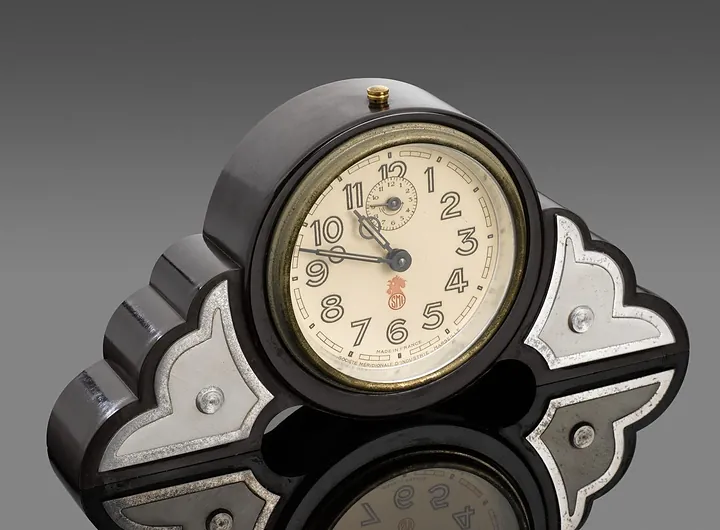
Clocks · 1930–1939
Clock by Societe Meridionale D'Industrie, France, 1930–1939
Science Museum Group, London
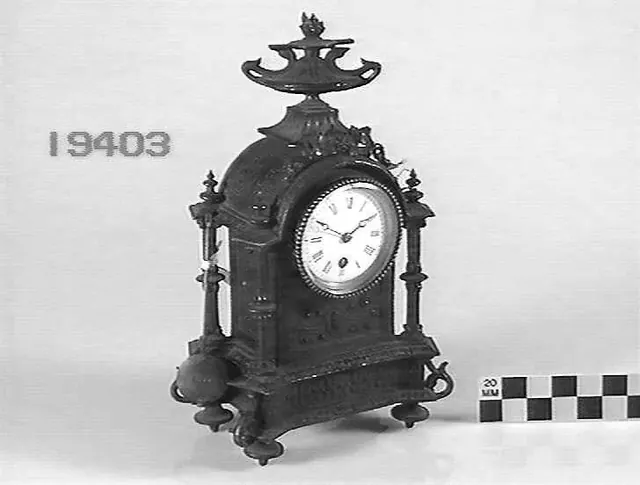
Clocks · c. 1900
Mantel Clock - France, c. 1900
Museums Victoria, Melbourne
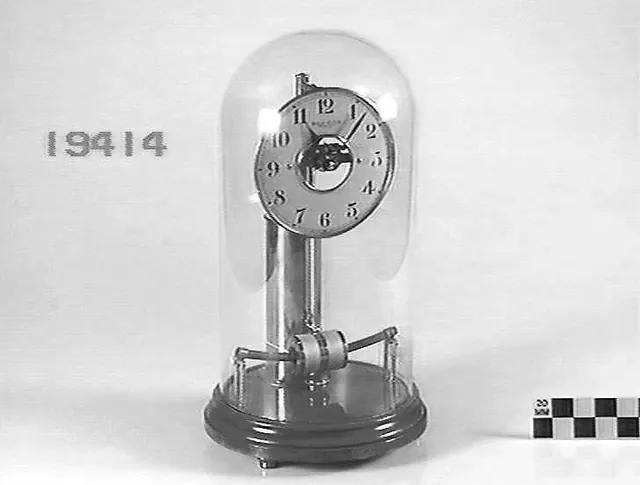
Clocks · c. 1925
Electric Clock - Bulle, France, c. 1925
Museums Victoria, Melbourne
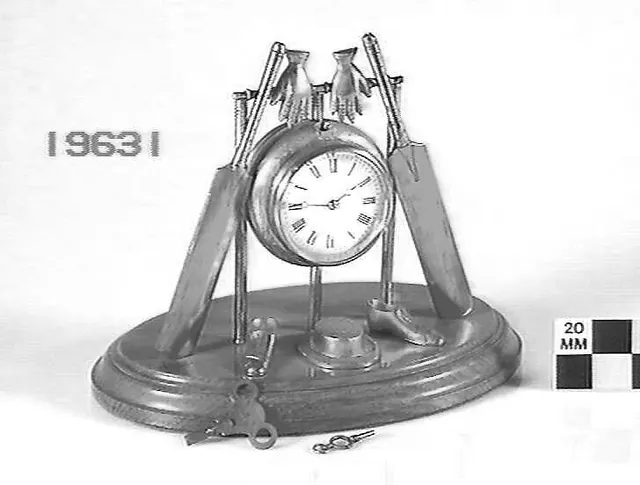
Clocks · c. 1900
Mantel Clock - France, c. 1900
Museums Victoria, Melbourne
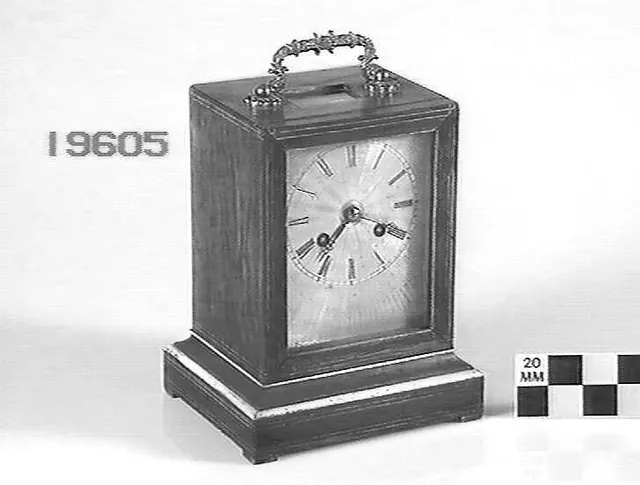
Clocks · c. 1900
Mantel Clock - Le Roi, Paris, c. 1900
Museums Victoria, Melbourne