
Clocks · Timer clock
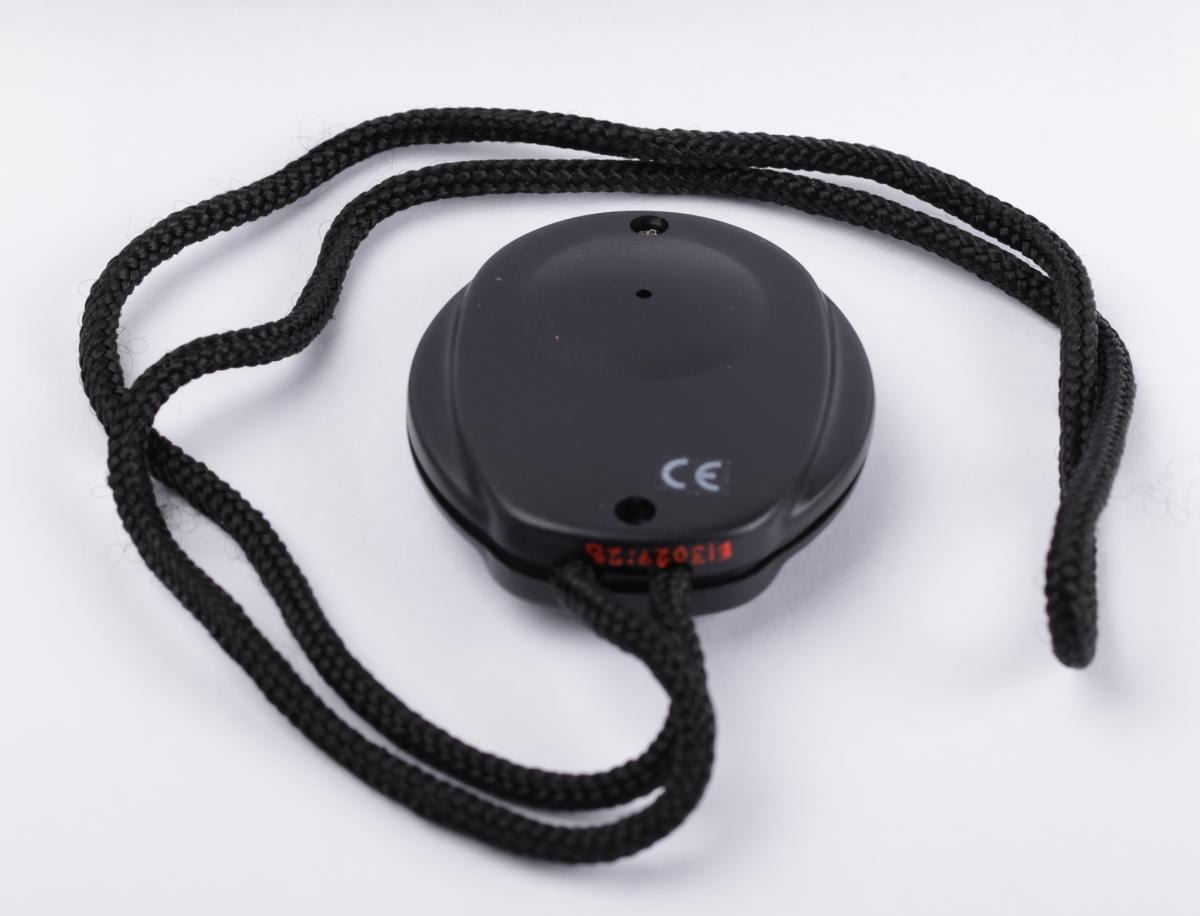
Timer clock commissioned by Stora Enso, Finland, 1990–2010
- Maker / attribution
- Unrecorded in source
- Date
- 1990–2010
- Historical period
- Mechanical Renaissance (1990 – 2010)
- Country of origin
- Finland
- Object type
- Timer clock
- Materials / technique
- metalli muovi teksiili (tekokuitunyöri)
- Dimensions
- Kellon leveys: 5,5 cm, Korkeus: 6,5 cm, Paksuus: 1,6 mm, Kaulanyörin pituus: 70 cm.
- Holding institution
- Lusto - The Finnish Forest Museum
- Accession / object no.
- E13023:28
- Credit line
- Lusto - The Finnish Forest Museum
- Catalogue title (original)
- Kello Stora Enso -ajastinkello (Finnish)
Editor's note
The source title 'Kello Stora Enso -ajastinkello' identifies a timer clock (ajastinkello). Stora Enso is recorded as 'valmistuttaja' — the company that commissioned it — not as its maker.View the source record ↗ (opens another website in a new tab)Suggest a correction
Record summary
Held and catalogued by Lusto - The Finnish Forest Museum (object number E13023:28), this is a timer clock, made in Finland, dated 1990–2010. The Atlas places it in the Mechanical Renaissance period (1990 – 2010) of its Clocks collection. Materials and techniques recorded by the source: metalli muovi teksiili (tekokuitunyöri). Recorded dimensions: Kellon leveys: 5,5 cm, Korkeus: 6,5 cm, Paksuus: 1,6 mm, Kaulanyörin pituus: 70 cm. The record is illustrated with 3 photographs.
Assembled from the source record's structured fields. Dates and attributions are given as the source states them; where a field is missing the Atlas leaves it blank rather than estimating.
Catalogue description
Catalogue description from Lusto - The Finnish Forest Museum
Musta, muovikuorinen ja muodoltaan soikea digitaalinen ajastinkello. Kellon keskeltä pituussuunnassa hieman koholle muotoillussa etusivussa on yläreunassa vaakasuuntaisen soikea, reunoilta tummanharmaa ja keskeltä vaaleanharmaa muovilevy, jonka keskellä on suorakaiteen mallinen nestekidenäyttö. Näytön alapuolella kellon etusivussa on kolme vaaleaa, pyöreää muovinappia, joiden ylä- tai alapuolella vaalealla painetut tekstit. Kellon alareunaan on upotettu mustasta tekokuituisesta pyörönyöristä tehty pitkä lenkki kellon kaulaan ripustamista varten. Kellon takasivu on näytön kohdalta muotoiltu pyöreästi ja loivasti ulospäin kohoavaksi. Kohouman keskellä on reikä. Kellon kuori on koottu kahdella ristipäisellä ruuvilla, jotka on kiinnitetty takasivun puolelta lähelle ylä- ja alareunaa. tehdasvalmisteinen
Shown in the original language of the source catalogue. An editor-reviewed English translation has not yet been published; we do not publish machine translations as authoritative text.
Historical context
Mechanical Renaissance (1990 – 2010)
Mechanical watches return as cultural objects; independent watchmaking flourishes.
Mechanical clocks returned as luxury and craft objects, alongside radio-controlled and designer quartz clocks. Independent makers and restorers revived traditional techniques, and museums increasingly documented industrial and electric clocks as heritage.
Read the period in the timelineMore clocks from this periodEarlier: Quartz Revolution
Atlas type guide
Timers, stopwatches, chronoscopes and time recorders
Instruments for measuring short intervals or recording when something happened form a large and practical branch of horology. Sports stopwatches and split-seconds timers, laboratory chronoscopes (such as Hipp's, which measured thousandths of a second for psychology and ballistics experiments), metronomes for music, watchmen's clocks that recorded patrol rounds, and the time recorders that clocked factory workers in and out all derive from clock and watch technology.
These objects matter historically because they show timekeeping leaving the observatory and the drawing room and entering industry, science and sport. Many were mass-produced, and their dials, scales and patents chart the rise of electrification and industrial management.
What to look for
- Scales graduated in fifths, tenths or hundredths of a second, or decimal minutes for industrial use.
- Start, stop and reset push-pieces; a second hand that can be stopped independently (split seconds).
- Recording devices: paper discs or tapes, printing mechanisms, keys or punches.
- Patent numbers and dates on the dial or case, which give a terminus post quem.
Dating clues
- Hipp chronoscopes were made from the 1840s into the twentieth century.
- Employee time recorders spread from the 1890s (Bundy, IBM, International Time Recording Co.).
- Quartz and electronic timers replaced mechanical stopwatches in sport from the 1970s.
General guidance written by the Atlas editors about this kind of object. It is not a statement about this particular piece; for that, rely on the source record above and on physical examination.
Read next:ChronographFlyback chronograph
Related records
Clocks · 1992
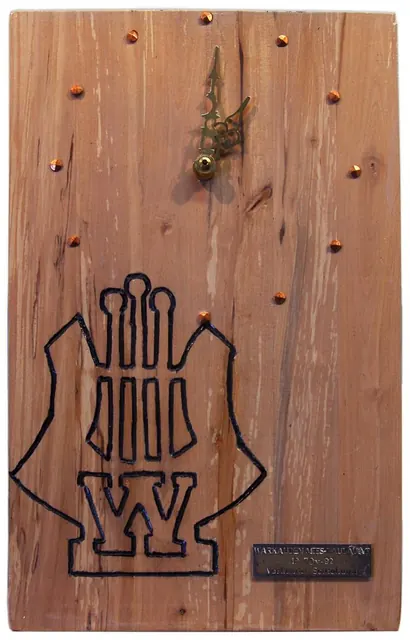
Wall clock, Finland, 1992
Varkauden museokeskus Konsti
Clocks · 1990s
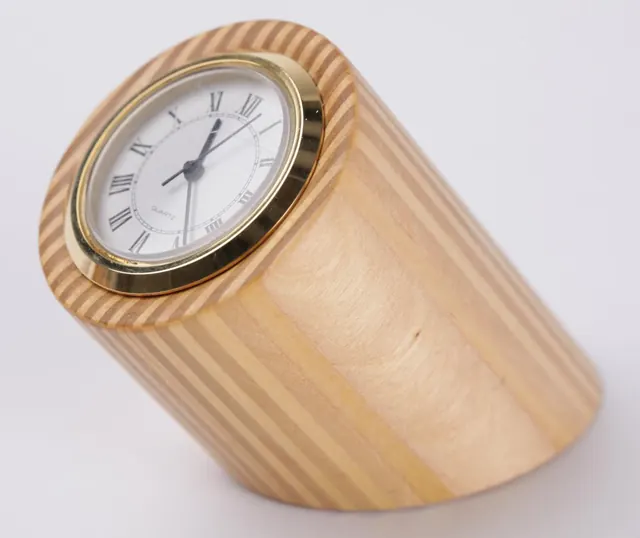
Table clock by Martti Hyppänen, Finland, 1990s
Lusto – Suomen Metsämuseo
Clocks · 1990s (estimated)
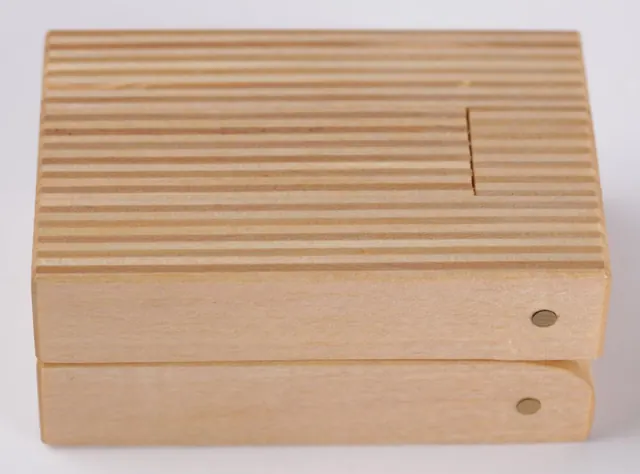
Travelling clock by Martti Hyppänen, Finland, 1990stimated
Lusto – Suomen Metsämuseo
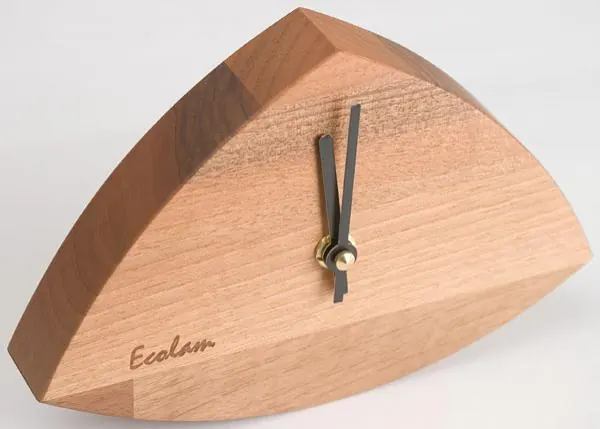
Clocks · 2005?
Table clock by Valmistaja / Suunnittelija: Martti Hyppänen, Finland, 2005?
Lusto – Suomen Metsämuseo
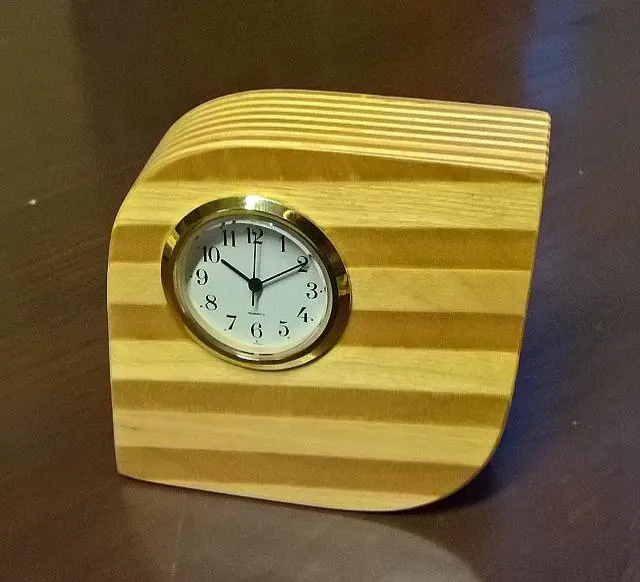
Clocks · 1990–2010
Table clock, Finland, 1990–2010
Heinolan museot
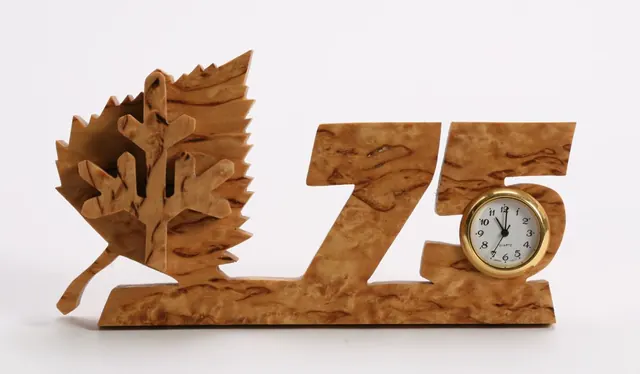
Clocks · 2002timated
Table clock by Finn-Lapponia Oy, Finland, 2002timated
Lusto – Suomen Metsämuseo
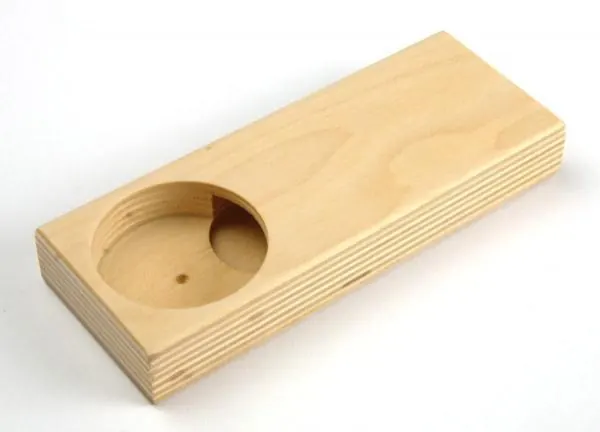
Clocks · (2000-l)
Clock by Valmistaja / Suunnittelija: Martti Hyppänen, Finland, (2000-l)
Lusto - The Finnish Forest Museum
Clocks · c. 1990
Alarm clock by Andreas GmbH und Co. Haller, Germany, c. 1990
German Clock Museum