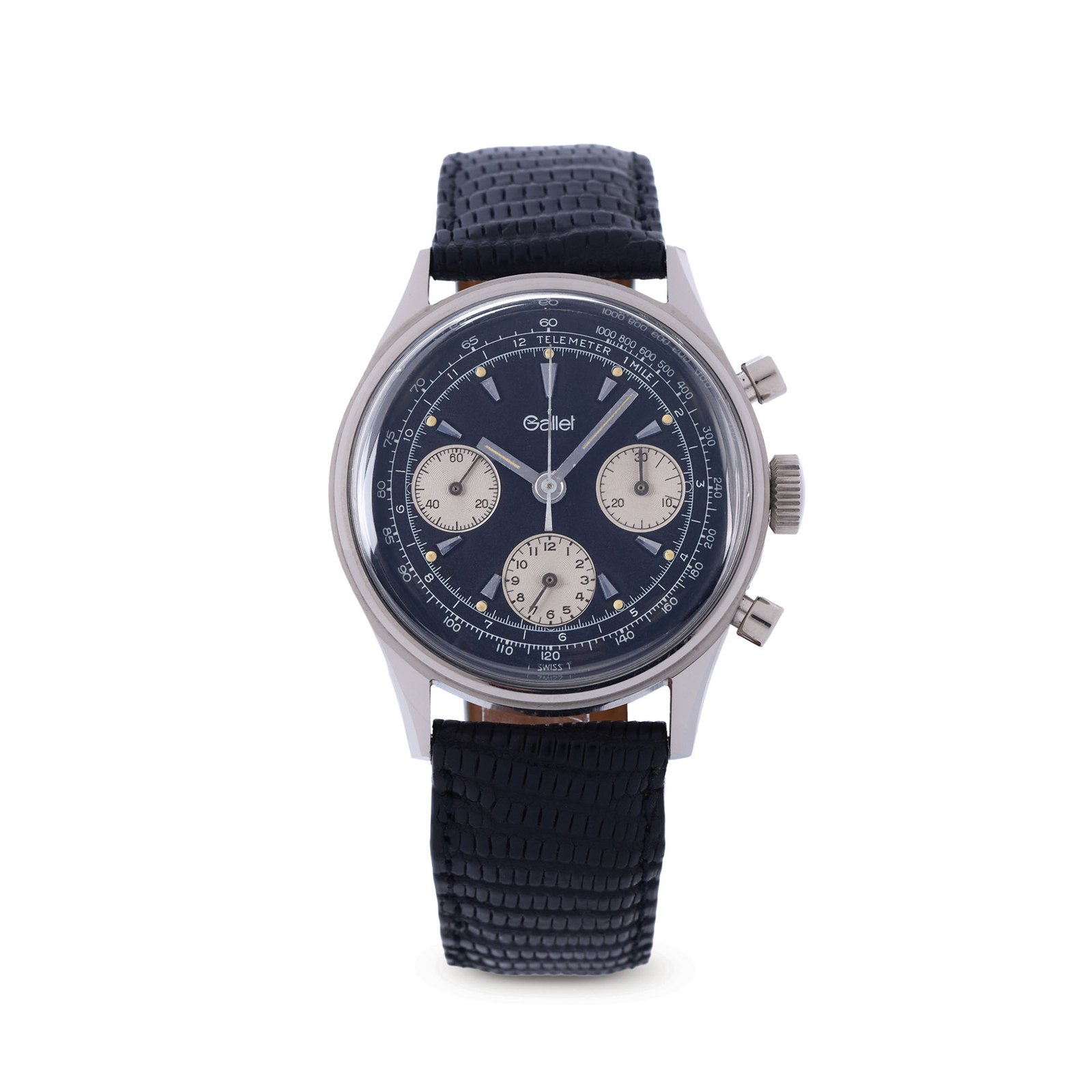
Manufacturer / trading house
Gallet
Also recorded as: Gallet & Co. · Gallet & Cie · Julien Gallet & Cie · Electa Gallet · Fabrique d'Horlogerie Electa, Gallet & Co.
La Chaux-de-Fonds watch house best known for chronographs and timers sold above all in the United States.
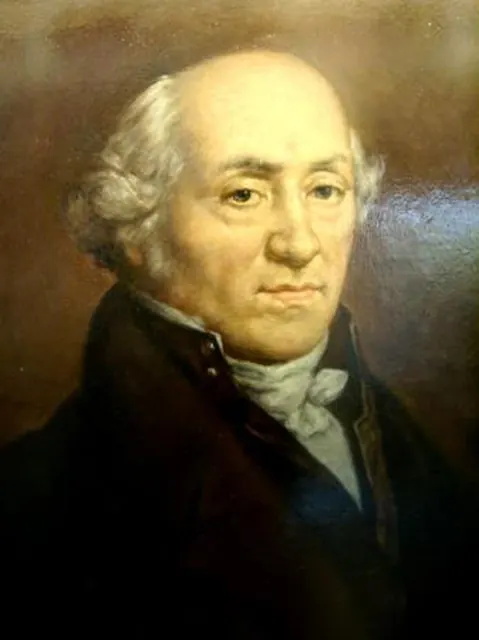
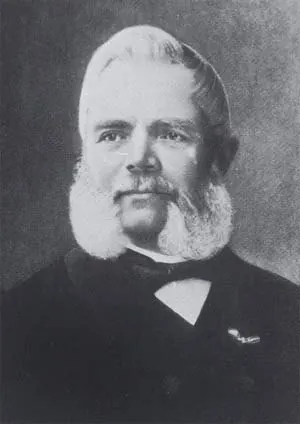
Julien Gallet, from a Geneva family of goldsmiths and watchmakers, settled in La Chaux-de-Fonds around 1826 and later took his sons into partnership as J. Gallet & Cie. The United States became the firm's main market in the second half of the nineteenth century; from 1883 Julien-Louis Gallet was in partnership with Jules Racine, who handled the American business from New York. Recent research describes Gallet in this period as essentially a trading and finishing house that bought movements from many suppliers, which explains why Gallet chronographs contain calibres by several different makers.
In 1907 Gallet combined with the Electa factory. Its chronographs and timers — including the Multichron range of the 1930s and the Flying Officer of 1939, with a rotating world-time bezel — were widely used by pilots, racing teams and the military. Like many smaller Swiss firms it declined in the quartz era. Breitling acquired the name in 2025 with the intention of reviving it. The company's claims that a Gallet stopwatch timed the Wright brothers' flights in 1903 and that the family's watchmaking goes back to 1466 come from Gallet's own history and are not confirmed by the records in this catalogue.
- Country
- Switzerland
- City / centre
- La Chaux-de-Fonds
- Founded
- c. 1826
- Status
- Revived (Breitling, 2025)
- Key people
- Julien Gallet (1806–?); Léon-Louis Gallet; Julien-Louis Gallet; Jules Racine (New York partner)
Innovations & specialities
- Chronographs and timers for the American market
- Multichron chronographs (1930s)
- Flying Officer world-time chronograph (1939)
Works by Gallet in the catalogue
All 51 records →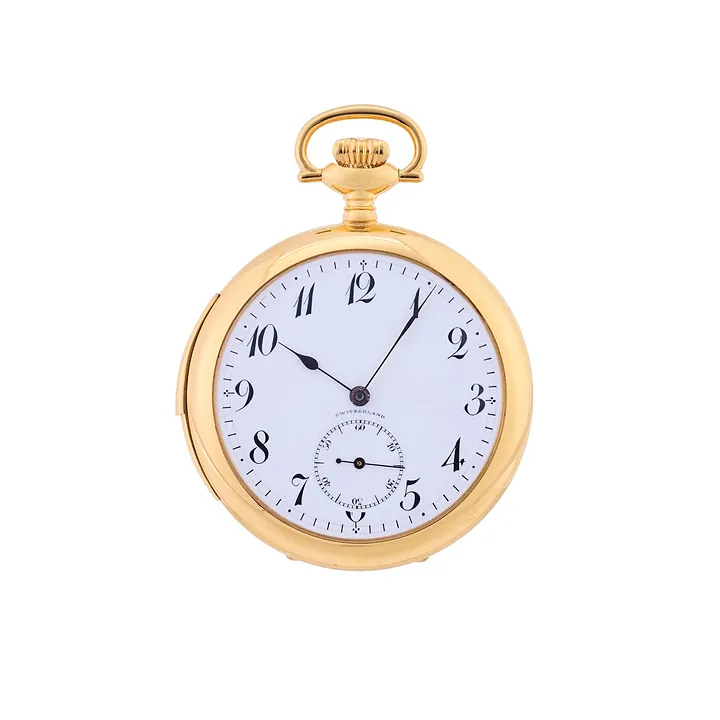
Pocket Watches · c. 1920s
Gallet & Co. pocket watch, c. 1920s
Antiquorum auction archive, Geneva
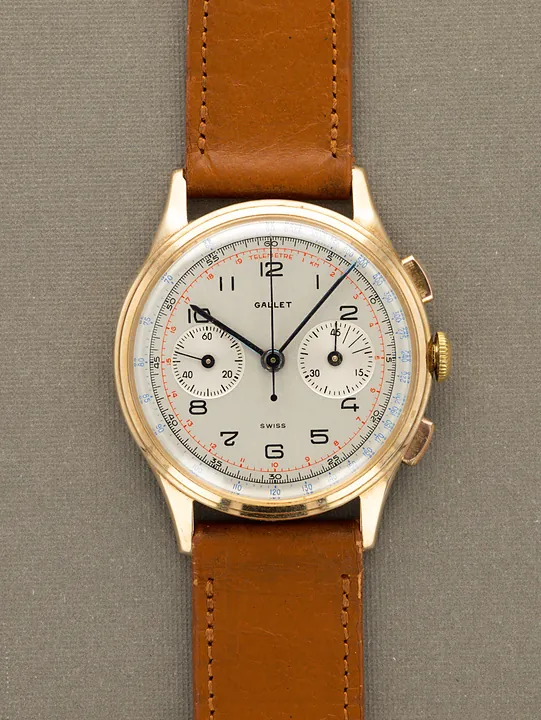
Wristwatches · c. 1940s
Gallet MultiChron Chronograph, 'Brushed' Silver Non-Luminous Dial
Oliver & Clarke (dealer), United Kingdom
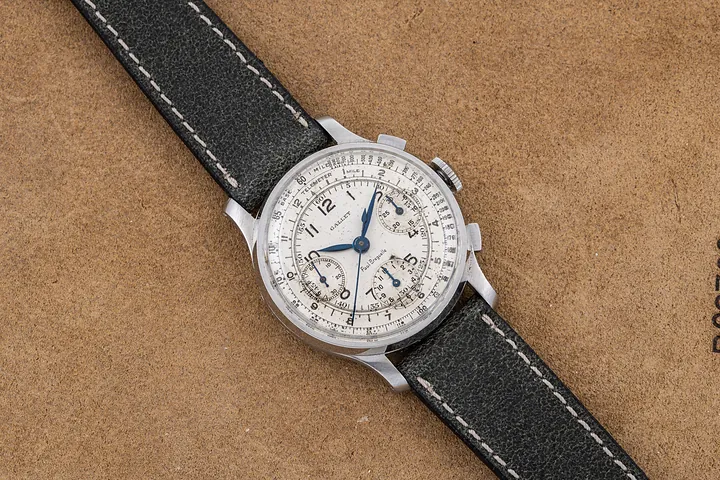
Wristwatches · c. 1940s
Gallet Multichron, c. 1940s
Analog/Shift (dealer), New York
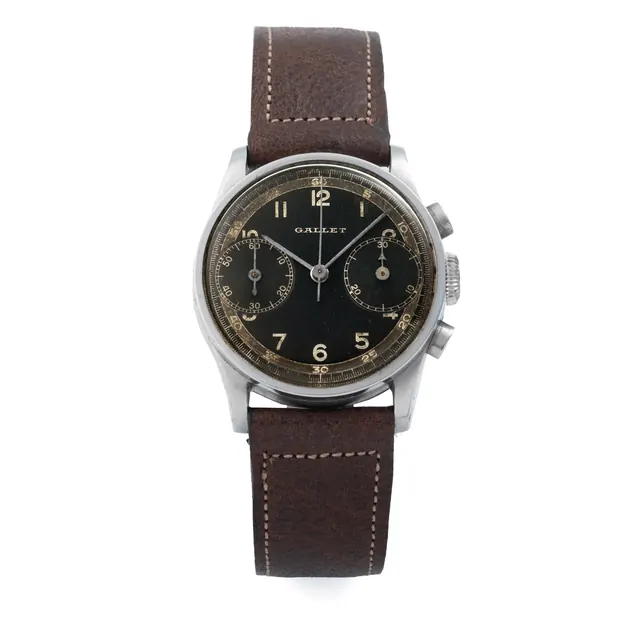
Wristwatches · c. 1940s
Gallet wristwatch, circa 1940's
Antiquorum auction archive, Geneva
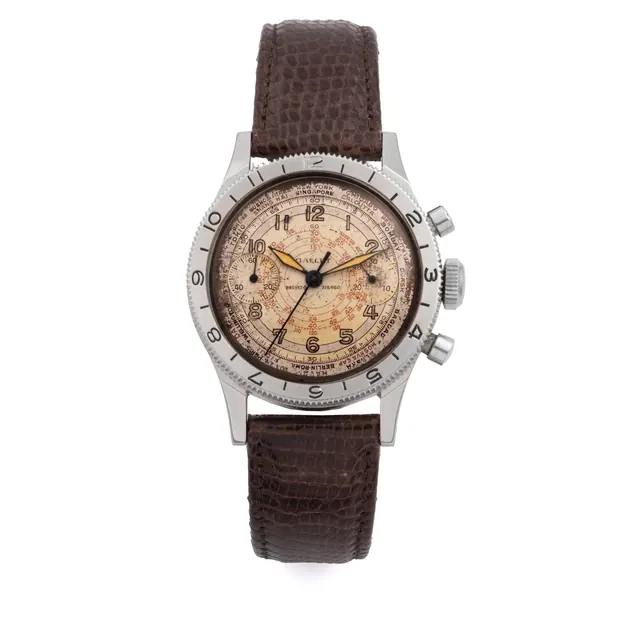
Wristwatches · c. 1940s
Gallet wristwatch, Flying Officer, circa 1940's
Antiquorum auction archive, Geneva
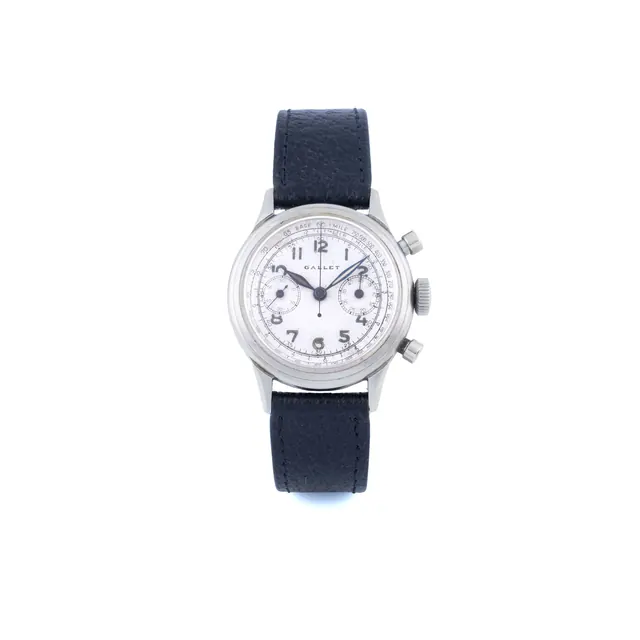
Wristwatches · c. 1950
Gallet wristwatch, circa 1950
Antiquorum auction archive, Geneva
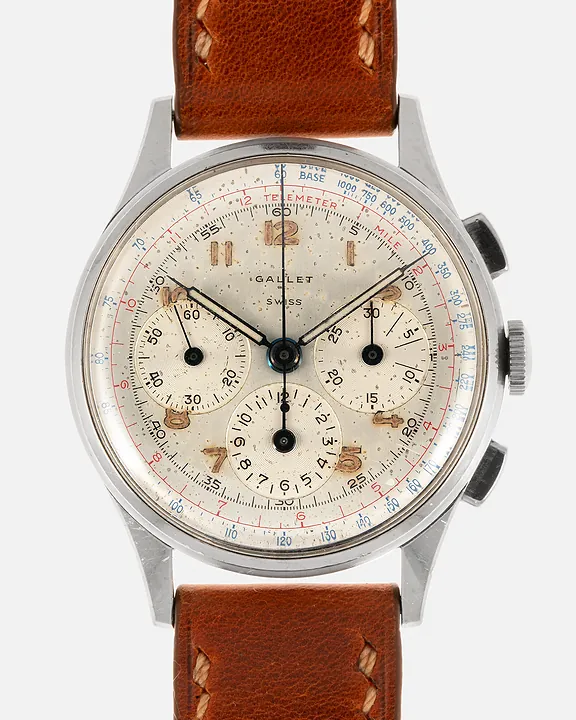
Wristwatches · 1960s
Gallet Multichron 12 EP40 Chronograph White, 1960s
S.Song Watches (dealer), Seattle
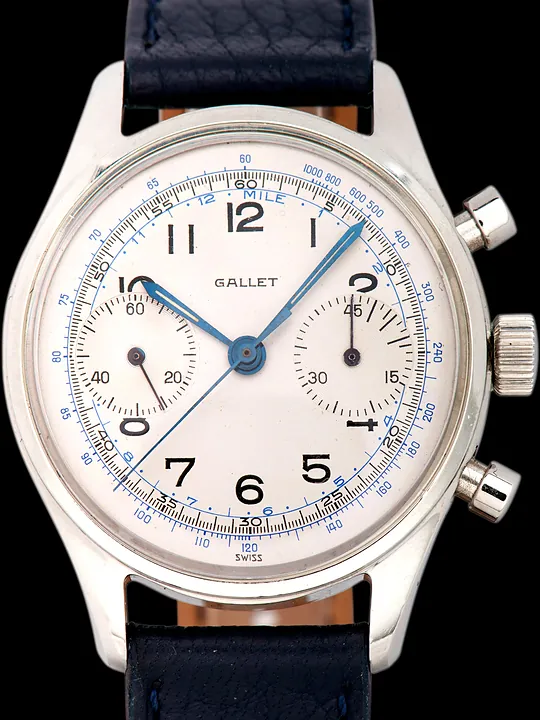
Wristwatches · 1960s
Gallet MultiChron 45 Chronograph, 1960s
Craft & Tailored (dealer), Los Angeles
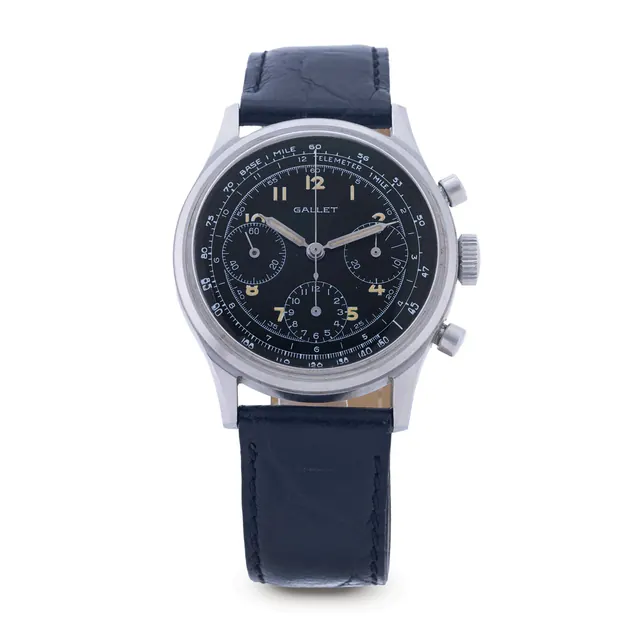
Wristwatches · c. 1960-1970s
Gallet wristwatch, Chronograph, circa 1960-1970s
Antiquorum auction archive, Geneva
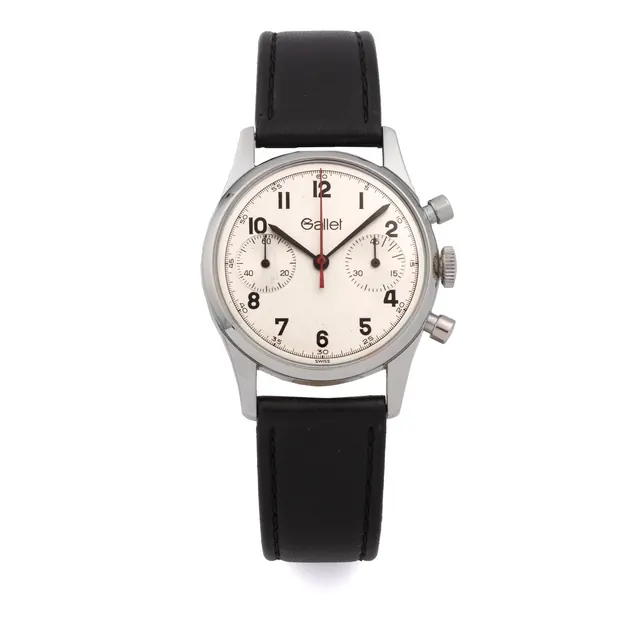
Wristwatches · c. 1970
Gallet wristwatch, circa 1970
Antiquorum auction archive, Geneva
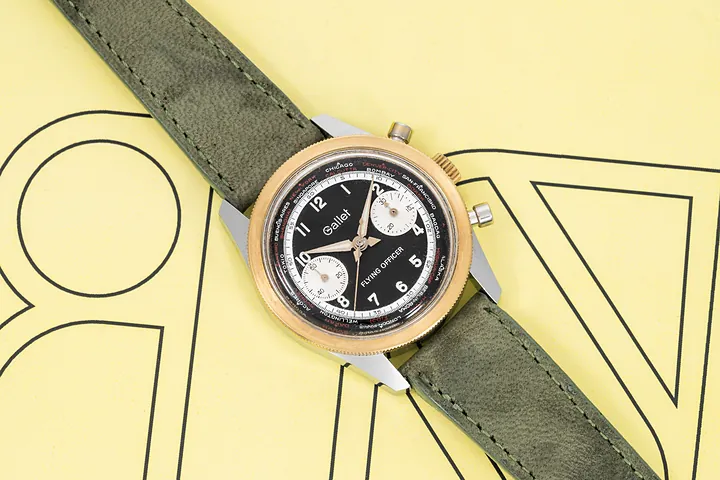
Wristwatches · c. 1980s
Gallet Flying Officer, c. 1980s
Analog/Shift (dealer), New York
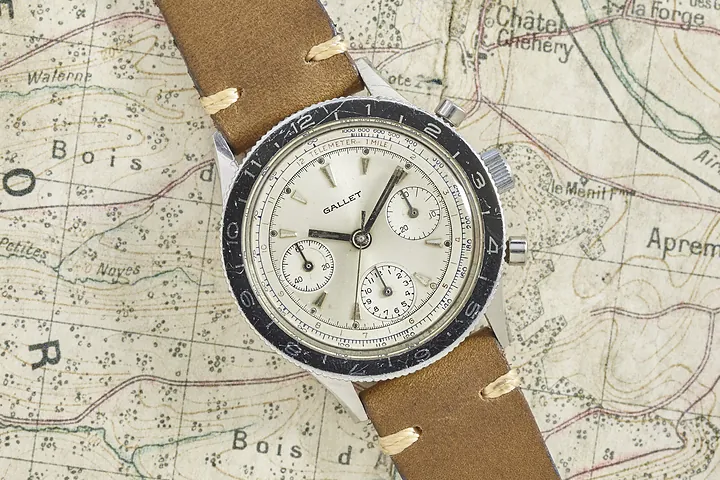
Wristwatches · mid 1980s
Gallet Multichron Pilot, mid 1980s
Analog/Shift (dealer), New York
Linked through the Atlas maker authority list, which reconciles the spellings used by different institutions. Attributions are as stated by each holding institution or auction house.
Read and see more
Magazine features
- The Wrist Chronograph, 1913–1975: Monopushers, Compax and the Race to the Automatic
How a stopwatch was moved to the wrist, given a second pusher, calendars and slide rules, and finally an automatic winding rotor in 1969 — told through nineteen chronographs in the catalogue, from an Omega sold in 1913 to a Lemania made for the British forces.