The Horology Museum
The Catalogue
Matching records
30 records · page 1 of 2
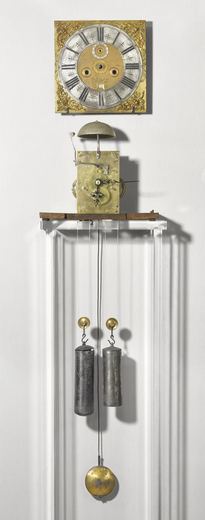
Movements & Components · 1690-1695
Clock movement by Bradford, Thomas, England, 1690-1695
Science Museum Group, London
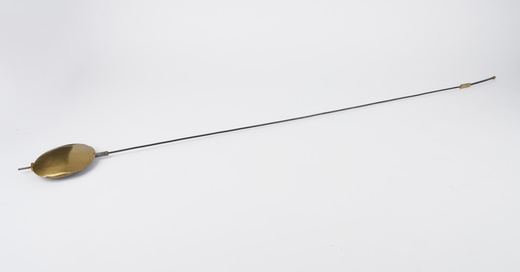
Movements & Components · 1690-1710
Pendulum from long-case clock, by Benjamin Nicholas, London, United Kingdom, 1690-1710
Science Museum Group, London
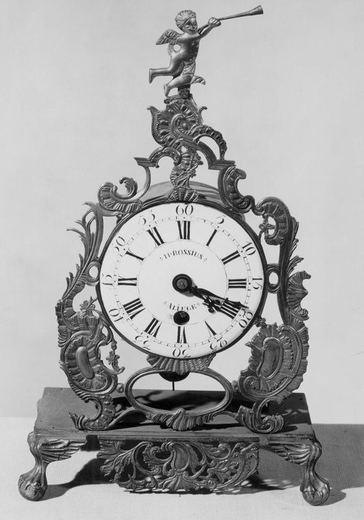
Movements & Components · 1700–1799
Pendulum / regulating part by Henri Rossius, Belgium, 1700–1799
Royal Institute for Cultural Heritage
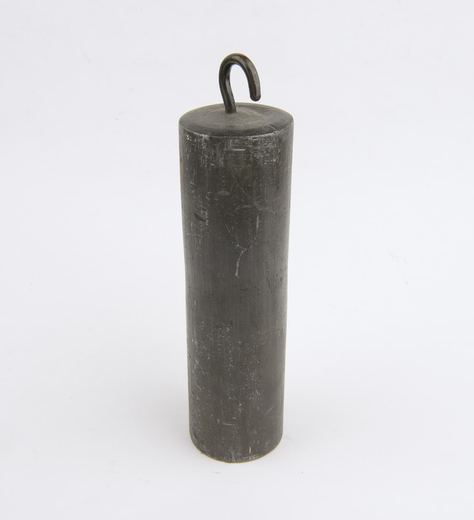
Movements & Components · 1715
Drive weights from the eight-day weight driven clock by John Harrison, Barrow-upon-Humber, North Lincolnshire, England, United Kingdom, 1715 (Science Museum Group 1884-80/5)
Science Museum Group, London
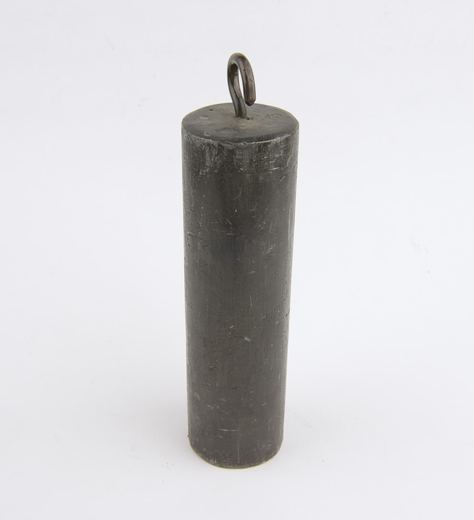
Movements & Components · 1715
Drive weights from the eight-day weight driven clock by John Harrison, Barrow-upon-Humber, North Lincolnshire, England, United Kingdom, 1715 (Science Museum Group 1884-80/6)
Science Museum Group, London
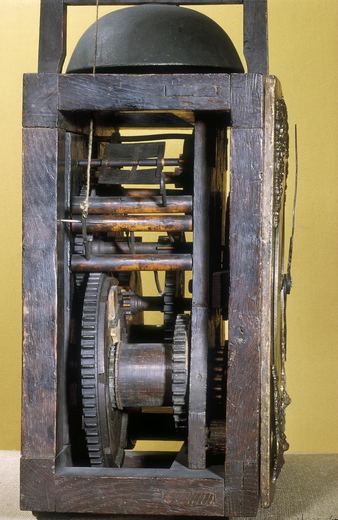
Movements & Components · 1715
Original eight day clock by Harrison, date 1715, wheel work mostly of wood. With correspondence concerning Harrison clocks
Science Museum Group, London
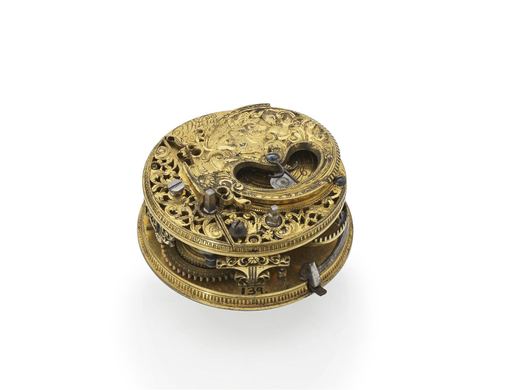
Movements & Components · 1725
Watch movement by Gib, William, Netherlands, 1725
Science Museum Group, London
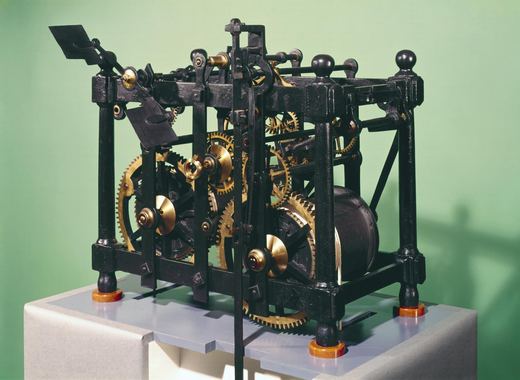
Movements & Components · 1795
Turret clock by Thwaites and Reed; Vulliamy, Benjamin, England, 1795
Science Museum Group, London
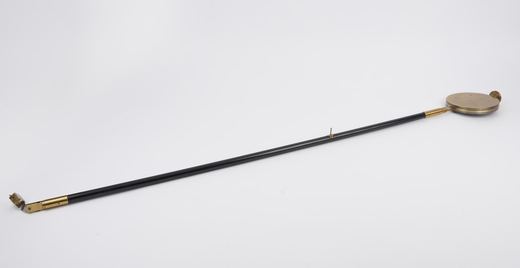
Movements & Components · 1841-1870
Pendulum from electric clock, unsigned, London, United Kingdom, 1841-1870
Science Museum Group, London
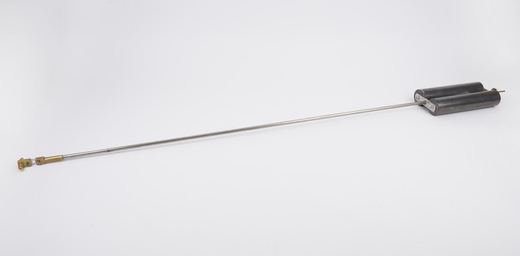
Movements & Components · 1844-1929
Pendulum from the electric master clock (no.663, seconds pendulum model), by Robert Mann Lowne, England, 1844-1929
Science Museum Group, London
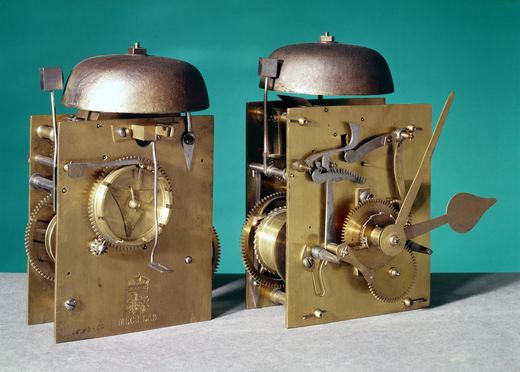
Movements & Components · 1881-1886
Movement of clock with a locking plate, striking mechanism, and pendulum, Normal School of Science, Mechanical Laboratory, London, England, 1881-1886.
Science Museum Group, London
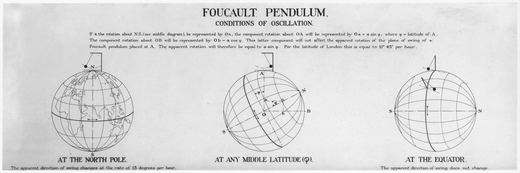
Movements & Components · 1883
Pendulum / regulating part by Royal College of Science, Great Britain; Science Museum, England, 1883
Science Museum Group, London
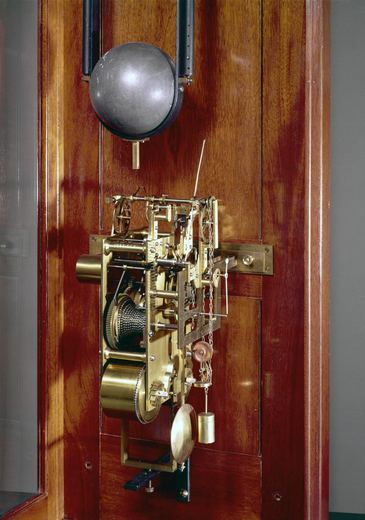
Movements & Components · 1899
Clock, United Kingdom, 1899
Science Museum Group, London
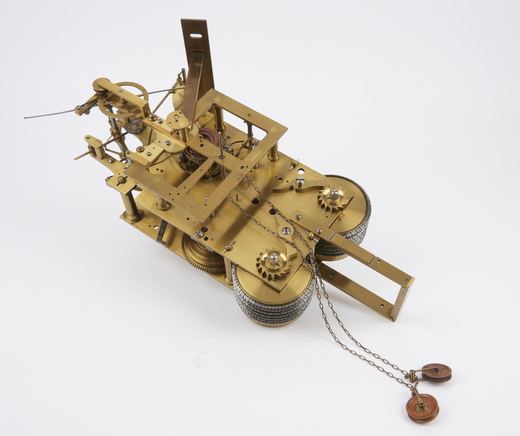
Movements & Components · 1899
Movement from free pendulum clock, by R. J. Judd, United Kingdom, 1899
Science Museum Group, London
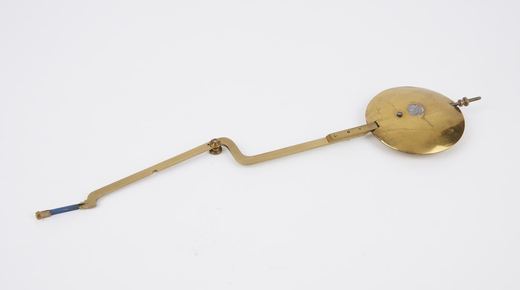
Movements & Components · 1899
Movement pendulum from the free pendulum clock, by R. J. Judd, Croydon, London, United Kingdom, 1899
Science Museum Group, London
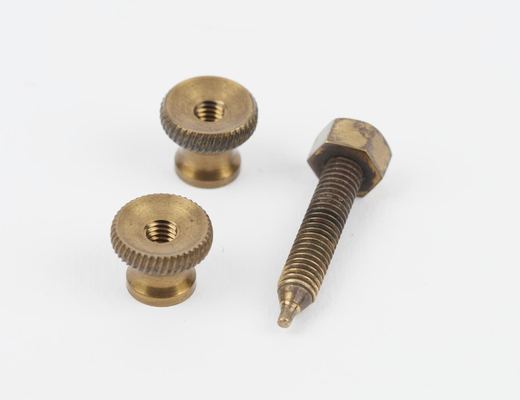
Movements & Components · 1899
Movement screw from free pendulum clock, by R. J. Judd, Croydon, London, United Kingdom, 1899
Science Museum Group, London
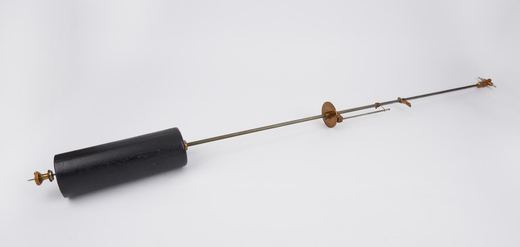
Movements & Components · 1900-1935
Pendulum from the synchronome clock, by The Synchronome Company Limited, London, England, United Kingdom, 1900-1935
Science Museum Group, London
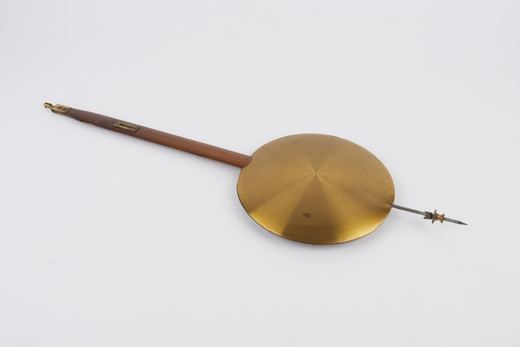
Movements & Components · 1905
Pendulum from Self-winding electric clock by Svenska Elektriska Urfabriken, Stockholm, 1905
Science Museum Group, London
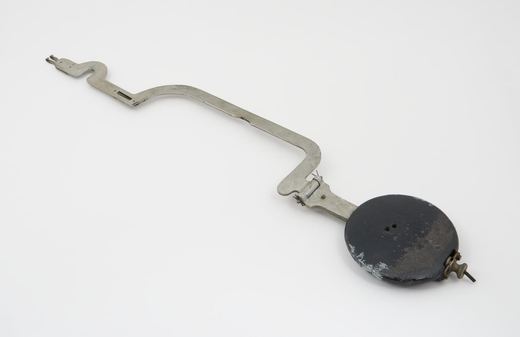
Movements & Components · 1905
Pendulum from the time recorder, by the British Time Recorder Co. Ltd, London, England, 1940-1970
Science Museum Group, London
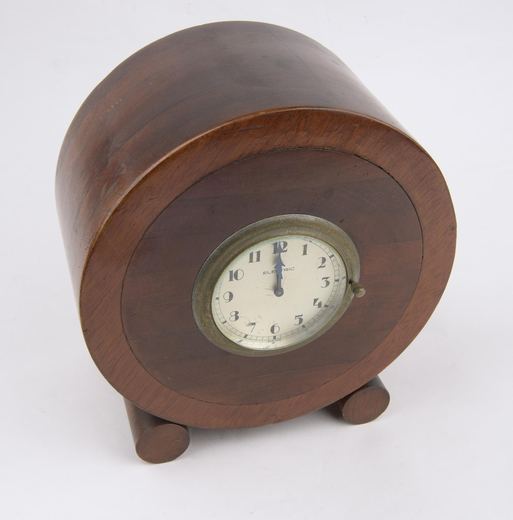
Movements & Components · 1919
Clock with compound pendulum and unusual dead-beat escapement by the Kee-Less Clock Company, patented in 1919
Science Museum Group, London
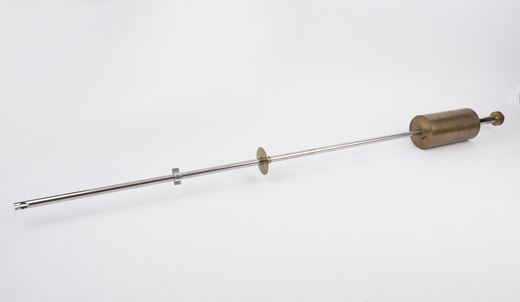
Movements & Components · 1923-1925
Pendulum from the English Reifler escapement astronomical clock designed by E. T. Cottingham, by Thomas Mercer & Co, St. Albans, England, 1923-1925
Science Museum Group, London
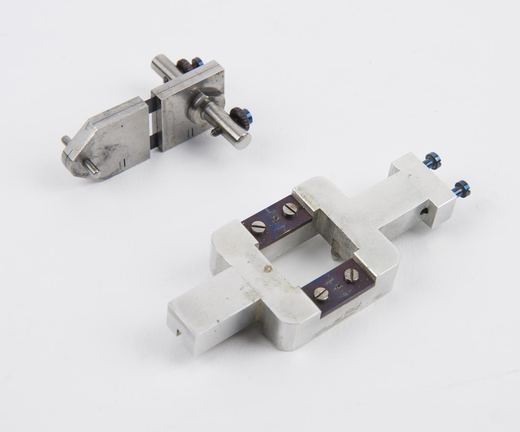
Movements & Components · 1923-1925
Pendulum suspension from the English Reifler escapement astronomical clock designed by E. T. Cottingham, by Thomas Mercer & Co, St. Albans, England, 1923-1925
Science Museum Group, London
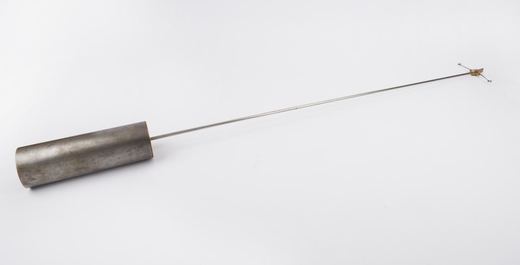
Movements & Components · 1930-1940
Pendulum from the example of the free pendulum clock, by Captain Edwin .E. Craig, Hindhead, Surrey, England, 1930-1940
Science Museum Group, London
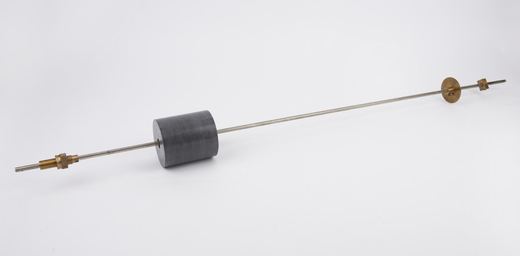
Movements & Components · before 1935
Pendulum from the Shortt free pendulum clock, by the Synchronome Company Limited, London, United Kingdom, 1920-1940
Science Museum Group, London