
Pocket Watches · Pocket watch
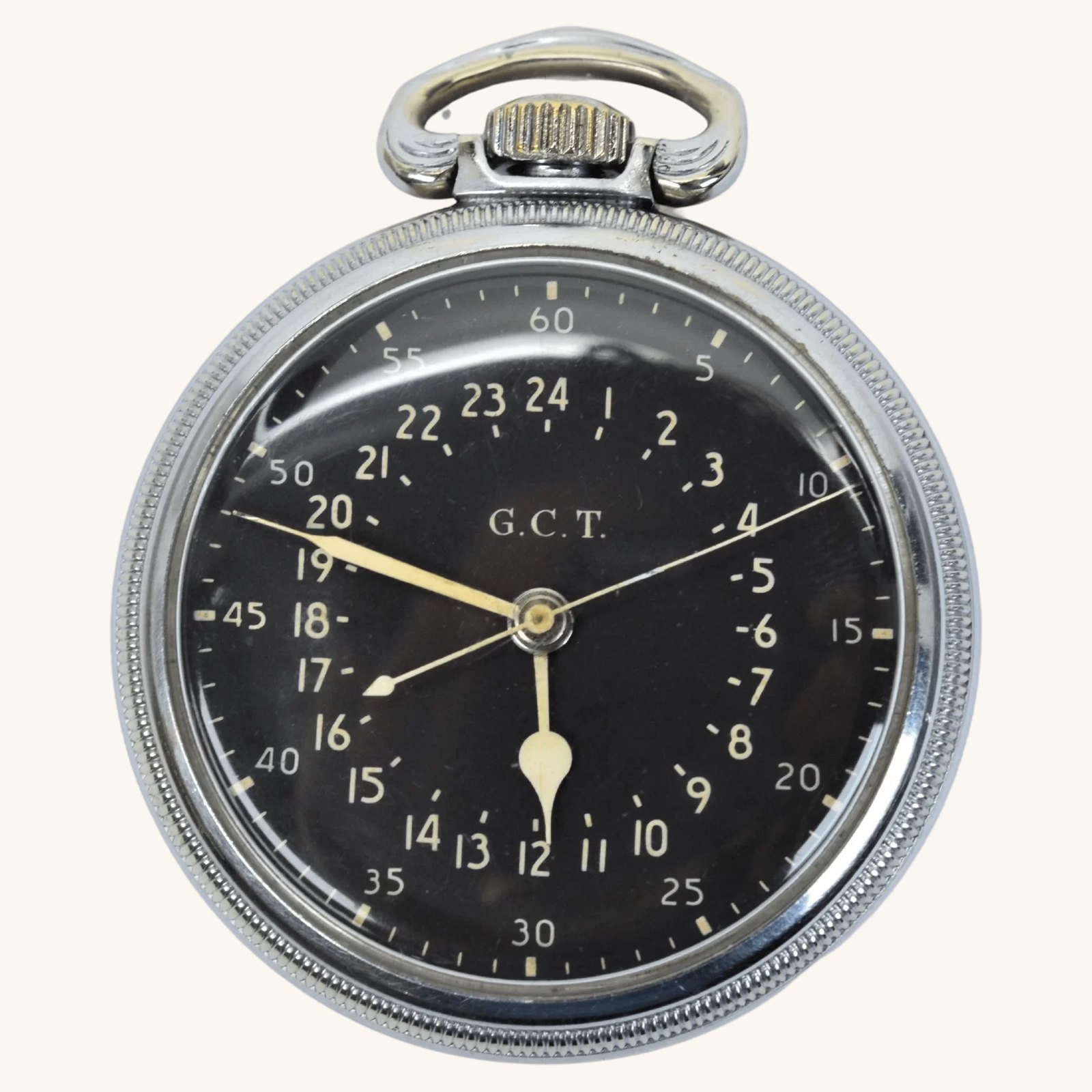
Wartime Era Hamilton Railway Grade US Military Steel Pocket Watch, 1942
- Maker / attribution
- Hamilton (maker)
- Date
- 1942
- Historical period
- Golden Age of Mechanical Watchmaking (1900 – 1945)
- Country of origin
- United States
- Object type
- Pocket watch
- Materials / technique
- steel
- Dealer
- WatchMuseum.org shop
- Stock no.
- Product 3010
- Credit line
- Dealer listing, WatchMuseum.org shop (product 3010)
- Catalogue title (original)
- Wartime Era Hamilton Railway Grade US Military Steel Pocket Watch (English)
View the source record (dealer listing) ↗ (opens another website in a new tab)Suggest a correction
Record summary
Catalogued by WatchMuseum.org shop (stock number Product 3010), this is a pocket watch by Hamilton, made in United States, dated 1942. The Atlas places it in the Golden Age of Mechanical Watchmaking period (1900 – 1945) of its Pocket Watches collection. Materials and techniques recorded by the source: steel. The record is illustrated with 6 photographs.
Assembled from the source record's structured fields. Dates and attributions are given as the source states them; where a field is missing the Atlas leaves it blank rather than estimating.
Catalogue description
Dealer description — WatchMuseum.org shop
Step back in time with the Wartime Era Hamilton Railway Grade US Military Steel Pocket Watch from 1942, a remarkable artifact that embodies the resilience and precision of WWII-era craftsmanship. This Hamilton Model 4992B GCT pocket watch, originally issued to military personnel, is a highly sought-after collectible that showcases a unique black dial with Arabic numerals designed for military timekeeping on a 24-hour clock. Encased in a robust 51mm steel case and powered by a 22-jewel movement meticulously adjusted in six positions, this timepiece stands as a testament to exceptional durability and reliability. One of its most captivating features is the added display back, offering a glimpse into the intricate inner workings of the movement, making it not only a reliable timekeeper but also a fascinating piece of engineering. Despite its age and storied military service, the Hamilton Model 4992B continues to be prized by watch enthusiasts and military history buffs alike, making it an excellent choice for those seeking a unique blend of functionality and historical significance. The Hamilton Model 4992B GCT US WWII Military Pocket Watch is a highly sought-after collectible. This timepiece, which was originally issued to military personnel in 1942, features a unique black dial and Arabic numerals that keep military time with a 24-hour clock. Its durable steel case measures 51mm, and the watch is powered by a robust 22-jewel movement that has been adjusted in six positions. One of the most interesting features of this watch is the added display back, which allows the wearer to view the intricate inner workings of the movement in motion. As a result, this watch is not only a practical and reliable timepiece but also a fascinating piece of engineering. Despite its age and military service, the Hamilton Model 4992B is known for its exceptional durability and reliability. This is why it remains a highly prized collectible for watch enthusiasts and military history buffs alike. If you’re looking for a unique timepiece that combines functionality and history, the Hamilton Model 4992B GCT US WWII Military Pocket Watch is an excellent choice. Creator: Hamilton Case Material: Steel Weight: 103.88 g Case Shape: Round Place of Origin: United States Period: 1940-1949 Date of Manufacture: circa 1942 Condition: Good
Historical context
Golden Age of Mechanical Watchmaking (1900 – 1945)
The wristwatch displaces the pocket watch; waterproof cases, self-winding and grand complications.
The pocket watch reached technical maturity and then began to give way to the wristwatch after the First World War. Complicated watches for collectors such as Henry Graves Jr. and James Ward Packard, railroad watches, and slim Art Deco dress watches are characteristic.
Read the period in the timelineMore pocket watches from this periodEarlier: Industrial Revolution
Atlas type guide
Railroad and railway watches
Timetables made accurate timekeeping a matter of safety. After a fatal collision at Kipton, Ohio, in 1891, American railroads adopted strict standards: open-face watches, lever setting, at least 17 jewels, adjustment to temperature and five positions, and a performance within 30 seconds a week, inspected regularly by approved watch inspectors. Waltham, Elgin, Hamilton, Illinois and Ball made railroad-grade watches in large numbers.
European railways issued service watches to guards, drivers and station staff, often engraved with the railway's initials and a staff number. Such watches link industrial timekeeping with the standardisation of time zones (Greenwich Mean Time adopted by British railways in 1847; North American standard time in 1883).
What to look for
- Open-face cases with the crown at 12 and lever setting under the bezel.
- Montgomery dials with every minute numbered, or bold Arabic numerals.
- 'Railroad grade', '21 Jewels', 'Adjusted 5 positions' on the movement.
- Railway initials and issue numbers engraved on the case back.
Dating clues
- American railroad standards: from 1891–93, revised c. 1908.
- Serial numbers of American makers allow dating to within a year.
General guidance written by the Atlas editors about this kind of object. It is not a statement about this particular piece; for that, rely on the source record above and on physical examination.
Read next:Detached lever escapement
Related records
Pocket Watches · c. 1943
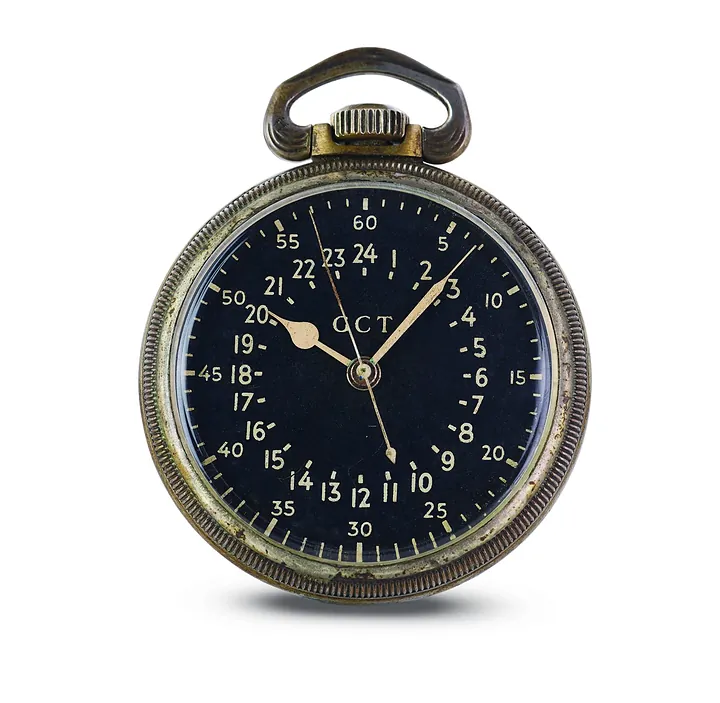
Hamilton 4992B, GCT Navigation U.S Air Force, c. 1943
Antiquorum auction archive, Geneva
Wristwatches · c. 1940s
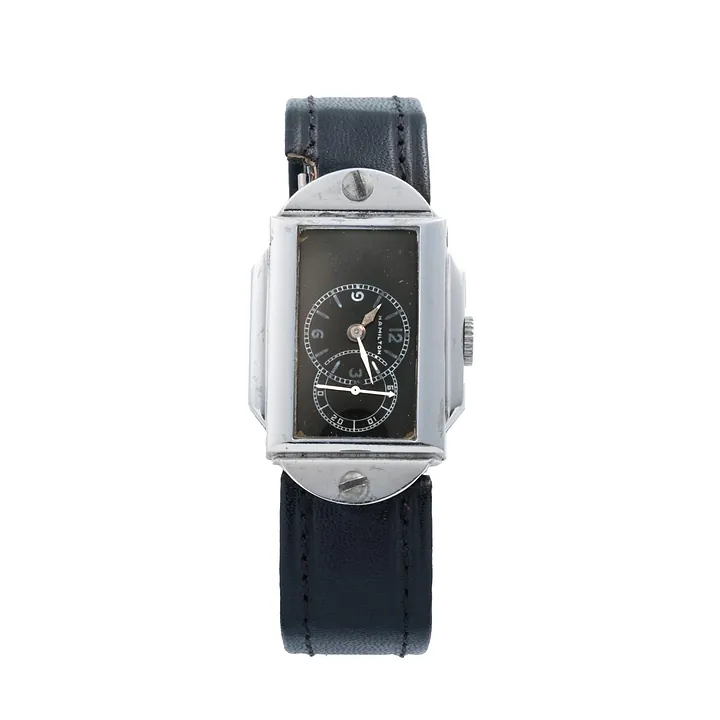
Hamilton Bomb Timer, c. 1940s
Antiquorum auction archive, Geneva

Wristwatches · originally sold in February 2025 (per the lot record)
Hamilton wristwatch, ref. H51606640, American Classic Chrono-Matic 50 Limited Edition, originally sold in February 2025 (per the lot record)
Antiquorum auction archive, Geneva
Wristwatches · c. 1940s
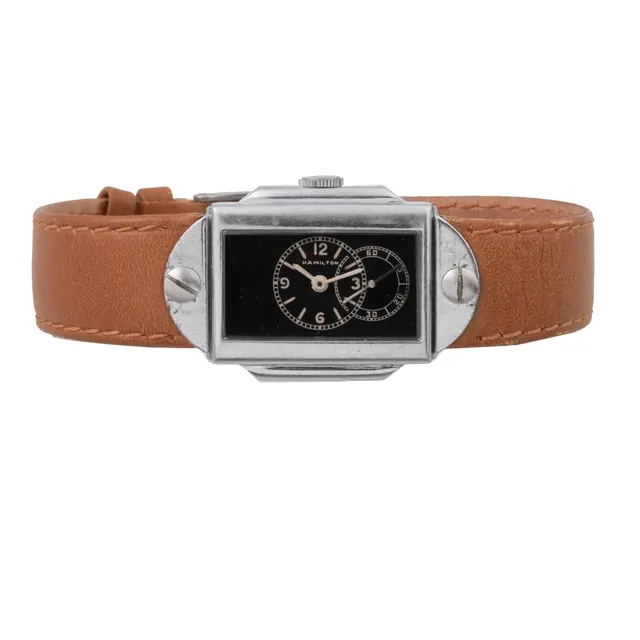
Hamilton wristwatch, Bomb Timer Watch, circa 1940's
Antiquorum auction archive, Geneva
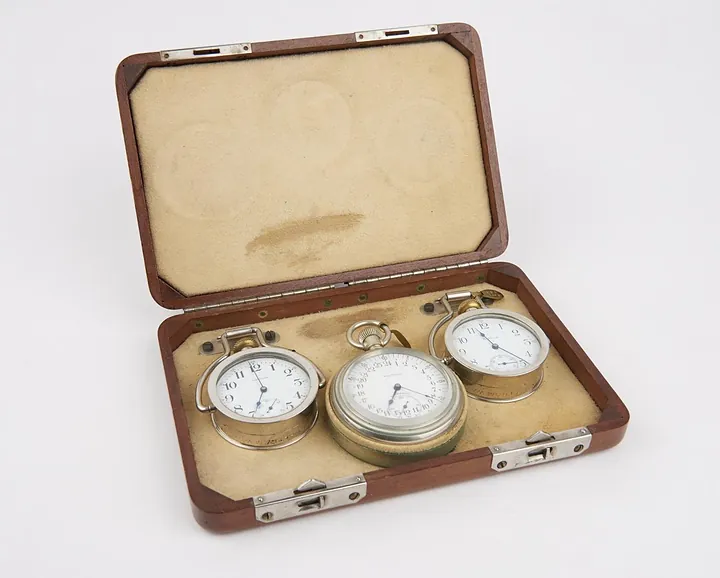
Pocket Watches · c. 1900
Pocket watch by American Waltham Watch Company, United States, c. 1900
Science Museum Group, London
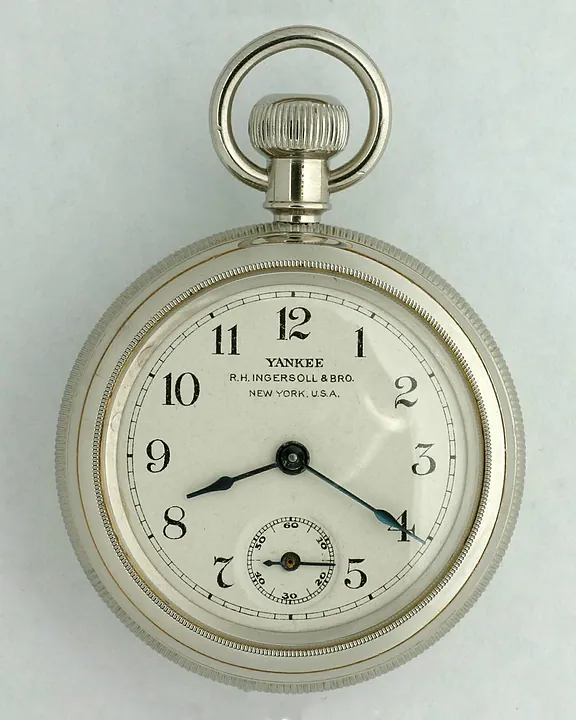
Pocket Watches · c. 1900
Pocket watch by Robt. H. und Bro. Ingersoll, United States, c. 1900
German Clock Museum
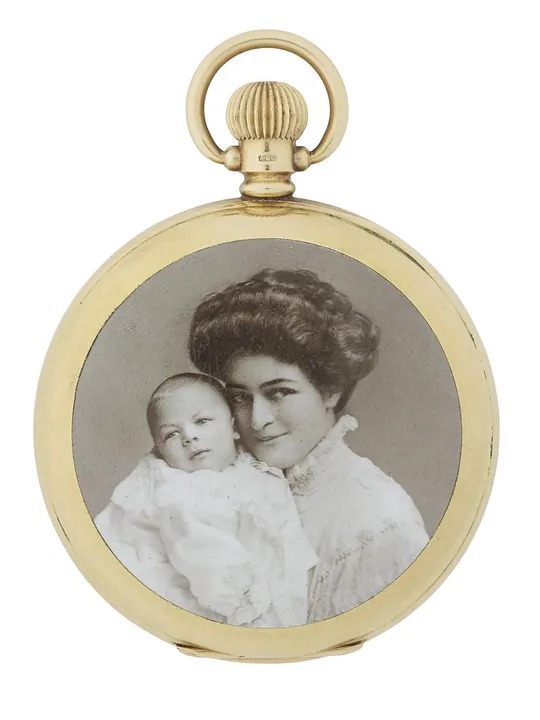
Pocket Watches · 1904
Pocket watch by American Waltham Watch Company and Dennison Watch Case Co, United States, 1904
Science Museum Group, London
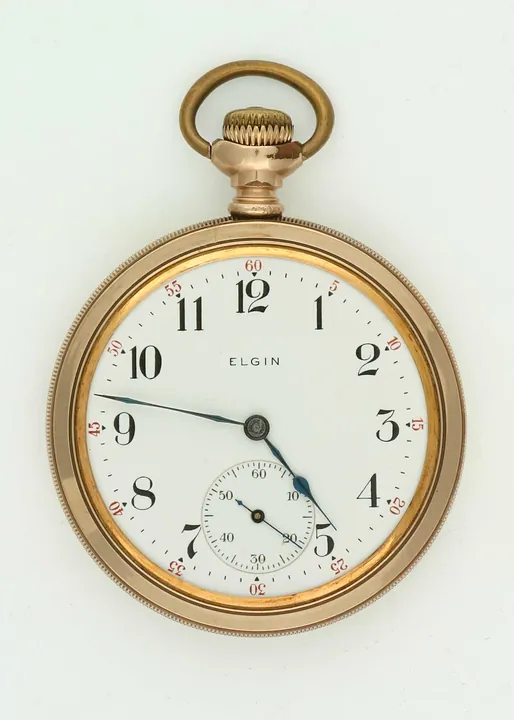
Pocket Watches · c. 1905
Pocket watch by Brooklyn Watch Case Co. B. W. C., United States, c. 1905
German Clock Museum