
Wristwatches · Wristwatch
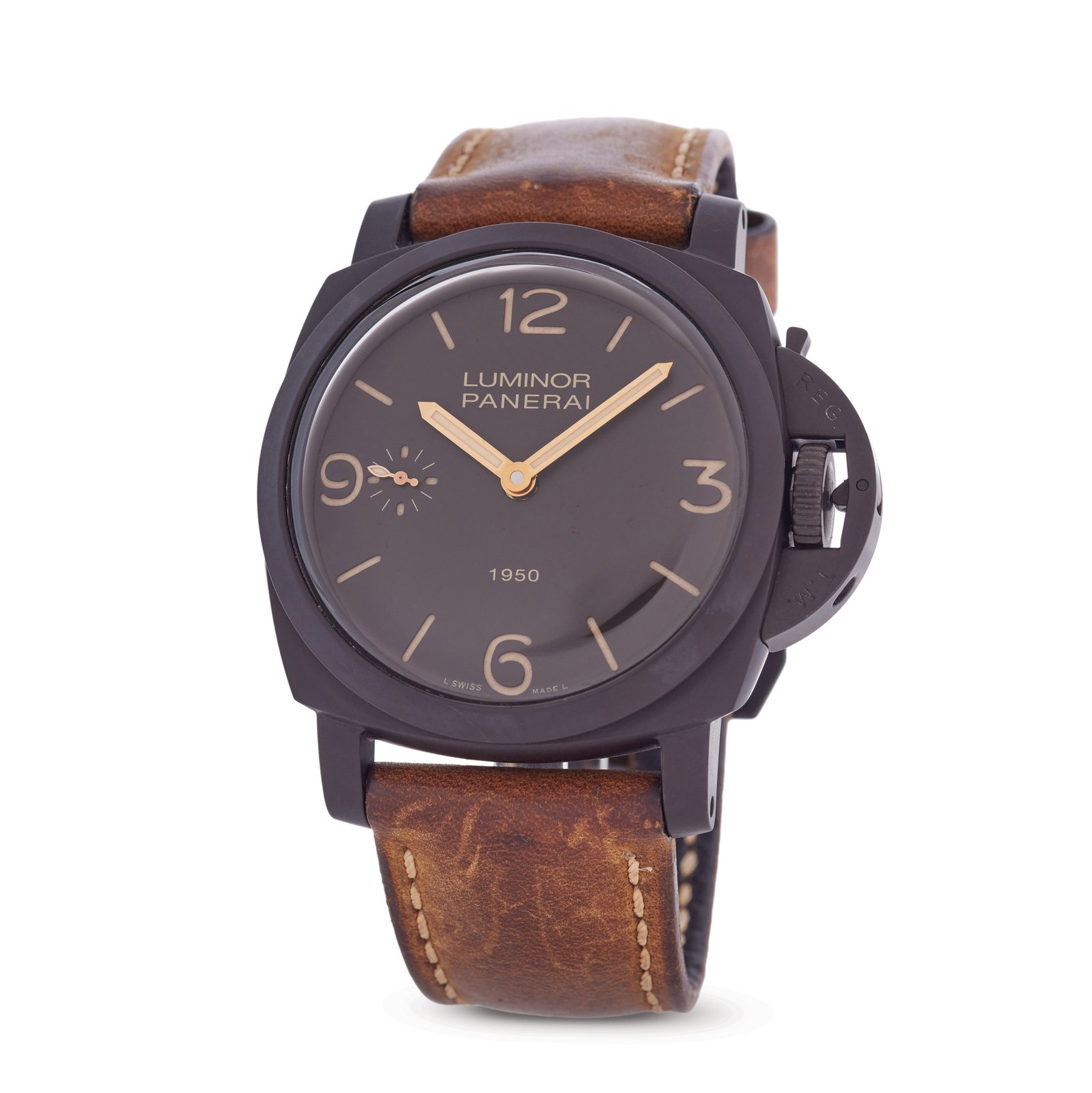
Panerai wristwatch, ref. PAM, Luminor Composite 1950 3 Days Limited 407/2000, Sold on 30 April 2016
- Maker / attribution
- Panerai (brand / maker)
- Date
- Sold on 30 April 2016
- Historical period
- Contemporary Horology (2010 – Present)
- Country of origin
- Italy
- Object type
- Wristwatch
- Dimensions
- diameter 47 x 47 mm
- Auction house
- Antiquorum auction archive, Geneva
- Lot
- Lot 373-8
- Credit line
- Auction lot record: LOT 8, Hong Kong,October 26th, 2024
- Catalogue title (original)
- PANERAI, REF. PAM 375, LUMINOR COMPOSITE 1950 3 DAYS, LIMITED 407/2000, COMPOSITE (English)
View the source record (auction lot) ↗ (opens another website in a new tab)Suggest a correction
Record summary
Catalogued by Antiquorum auction archive, Geneva (lot Lot 373-8), this is a wristwatch by Panerai, made in Italy, dated Sold on 30 April 2016. The Atlas places it in the Contemporary Horology period (2010 – Present) of its Wristwatches collection. Recorded dimensions: diameter 47 x 47 mm. The record is illustrated with 3 photographs.
Assembled from the source record's structured fields. Dates and attributions are given as the source states them; where a field is missing the Atlas leaves it blank rather than estimating.
Catalogue description
Antiquorum catalogue description
A fine and limited, manual wind 3 day-going, composite diver’s wristwatch with transparent screw-down case back. Brown dial feature with luminous Arabic numerals and baton indexes, subsidiary seconds dial at 9. Made in a limited edition of 2000 pieces in 2011.
Lot specifications (Antiquorum)
Model: Luminor Composite 1950 3 Days; Limited Edition: 407/2000; Reference: PAM 375; Movement No.: 033414; Case No.: OP6843/ DT1902619; Bracelet: Panerai leather strap with composite Panerai buckle; Caliber: P.3000; Diameter: 47 x 47mm.; Signature: dial, case and movement; Accessories: Panerai fitted box, guarantee booklet dated 2016, extra rubber strap, tools, instructions booklet, limited edition certificate, tag
Inscriptions & marks
dial, case and movement
Historical context
Contemporary Horology (2010 – Present)
Silicon components, connected watches, optical-lattice research clocks and a thriving independent scene.
Smartwatches became the world's best-selling watches, while mechanical watchmaking focuses on craft, innovation (silicon components, new escapements) and independent makers.
Read the period in the timelineMore wristwatches from this periodEarlier: Mechanical Renaissance
Atlas type guide
Wristwatches
Bracelet watches were worn by women from the early nineteenth century — Breguet made one for Caroline Murat, Queen of Naples, in 1810–12 — but the wristwatch only became a man's instrument with military use and aviation in the early twentieth century. Between the World Wars it overtook the pocket watch; the 1920s and 1930s brought rectangular Art Deco cases, water-resistant cases and the first automatic winding systems.
After 1945 the wristwatch became a carrier of identity — dress watches, sports and dive watches, chronographs, calendars — produced by Swiss, American, Japanese, German, Soviet and Chinese industries. The quartz revolution after 1969 and the mechanical renaissance since the 1990s, including the rise of independent watchmakers, complete the story.
What to look for
- The reference number (between the lugs or inside the case back) and serial number, the starting point for dating.
- The calibre: its maker and number are often stamped under the dial or on the bridge.
- Originality of dial, hands and crown — refinished ('redial') dials are common.
- Case material marks: 18K/750, 14K/585, stainless steel, gold-filled, plated.
Dating clues
- Wire-lug cases: before c. 1925.
- Water-resistant screw-down cases: from 1926.
- Quartz movements: from 1969; sapphire crystals widespread after c. 1980.
General guidance written by the Atlas editors about this kind of object. It is not a statement about this particular piece; for that, rely on the source record above and on physical examination.
Related records
Wristwatches · Sold in Nov 2006
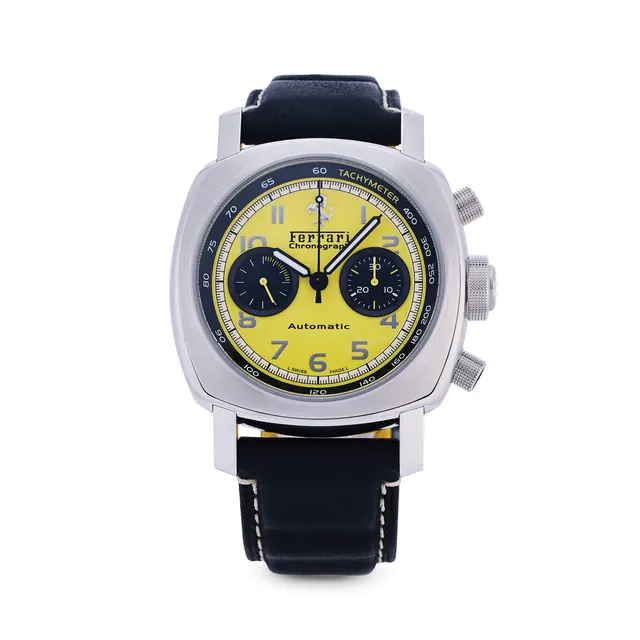
Panerai wristwatch, ref. FER00011, Ferrari Granturismo Chronograph Limited 169/700, Sold in Nov 2006
Antiquorum auction archive, Geneva
Wristwatches · originally sold in October 2007 (per the lot record)
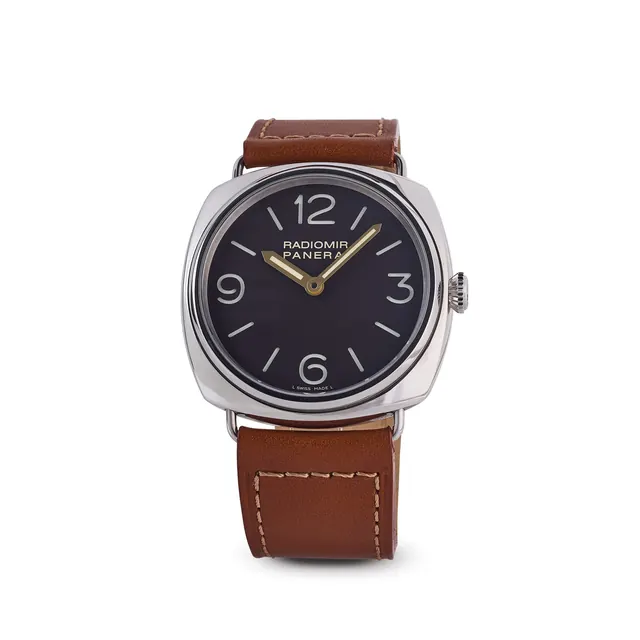
Panerai wristwatch, ref. PAM, Radiomir 1938 New Old Stock, originally sold in October 2007
Antiquorum auction archive, Geneva
Wristwatches · c. 2002-2006
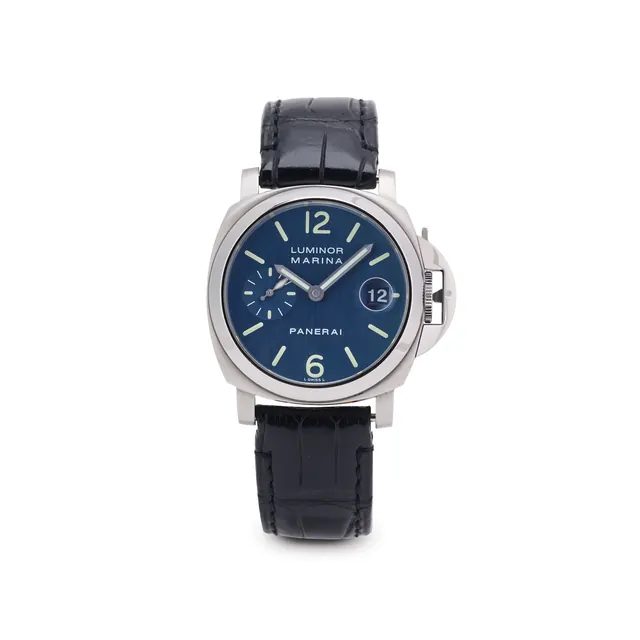
Panerai wristwatch, ref. PAM, Lumior Marina, circa 2002-2006
Antiquorum auction archive, Geneva
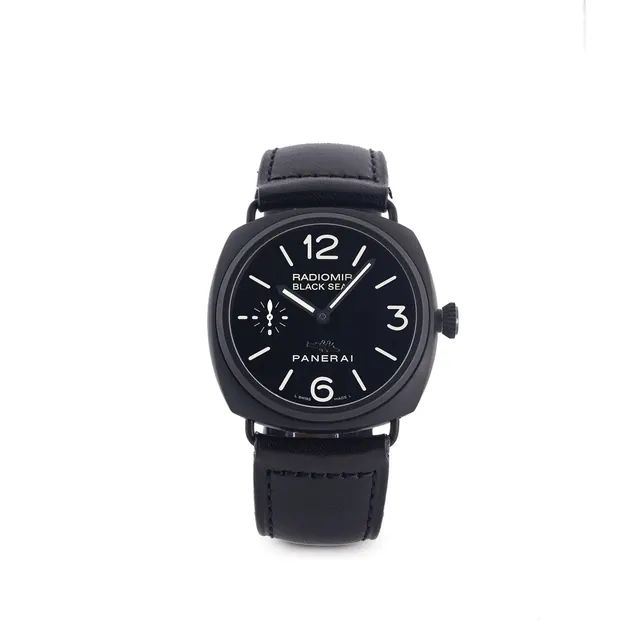
Wristwatches · c. 2009
Panerai wristwatch, ref. PAM00292, Radiomir Black Seal Limited Edition of 1000 Pieces, circa 2009
Antiquorum auction archive, Geneva
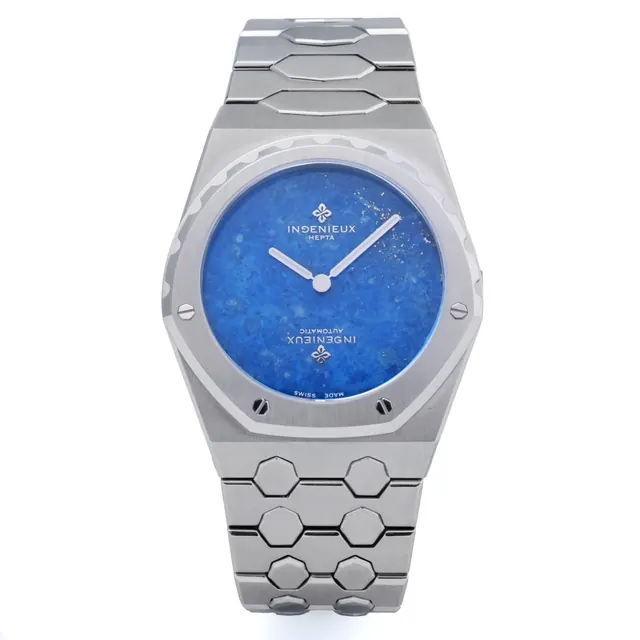
Wristwatches · 2025
Ingenieux wristwatch, Italia Hepta, 2025
Antiquorum auction archive, Geneva
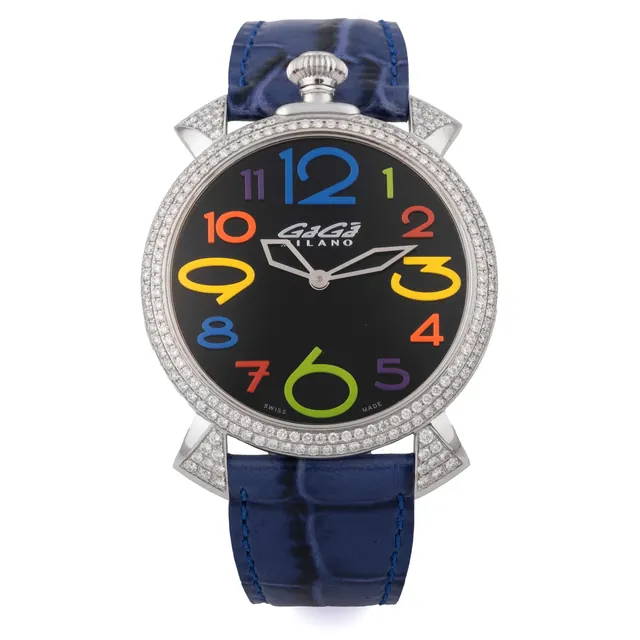
Wristwatches · c. 2015
Gaga Milano wristwatch, ref. 5096WG, Manuale Thin, circa 2015
Antiquorum auction archive, Geneva
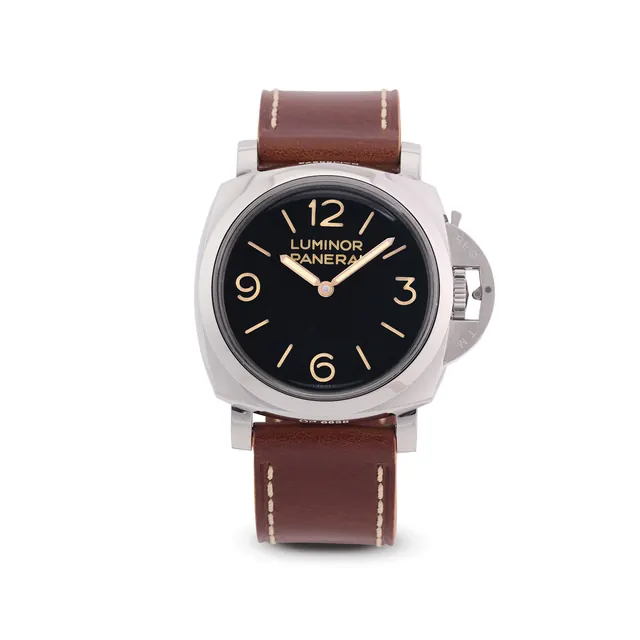
Wristwatches · c. 2011
Panerai wristwatch, ref. PAM, Luminor 1950 3 Days Limited Edition of 3500 Pieces, circa 2011
Antiquorum auction archive, Geneva
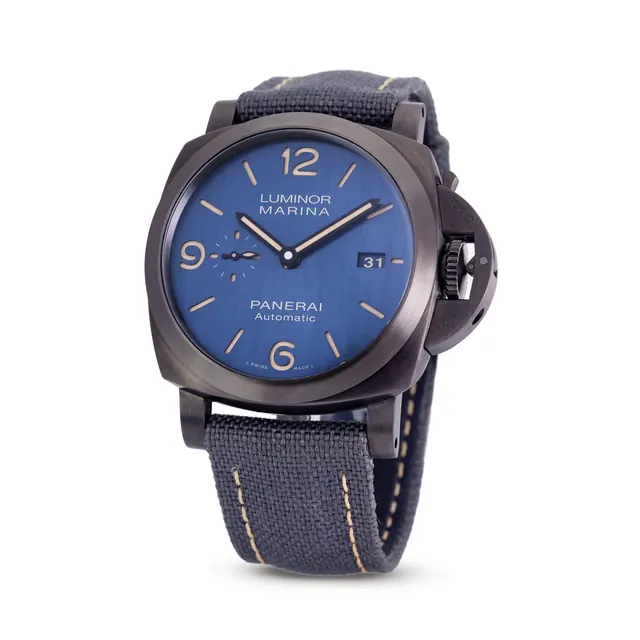
Wristwatches · Sold on 15th Sept, 2022
Panerai wristwatch, ref. PAM, Luminor Marina Totanio/DLC Bucherer Limited 157/188, Sold on 15th Sept, 2022
Antiquorum auction archive, Geneva