
Pocket Watches · Dress watch
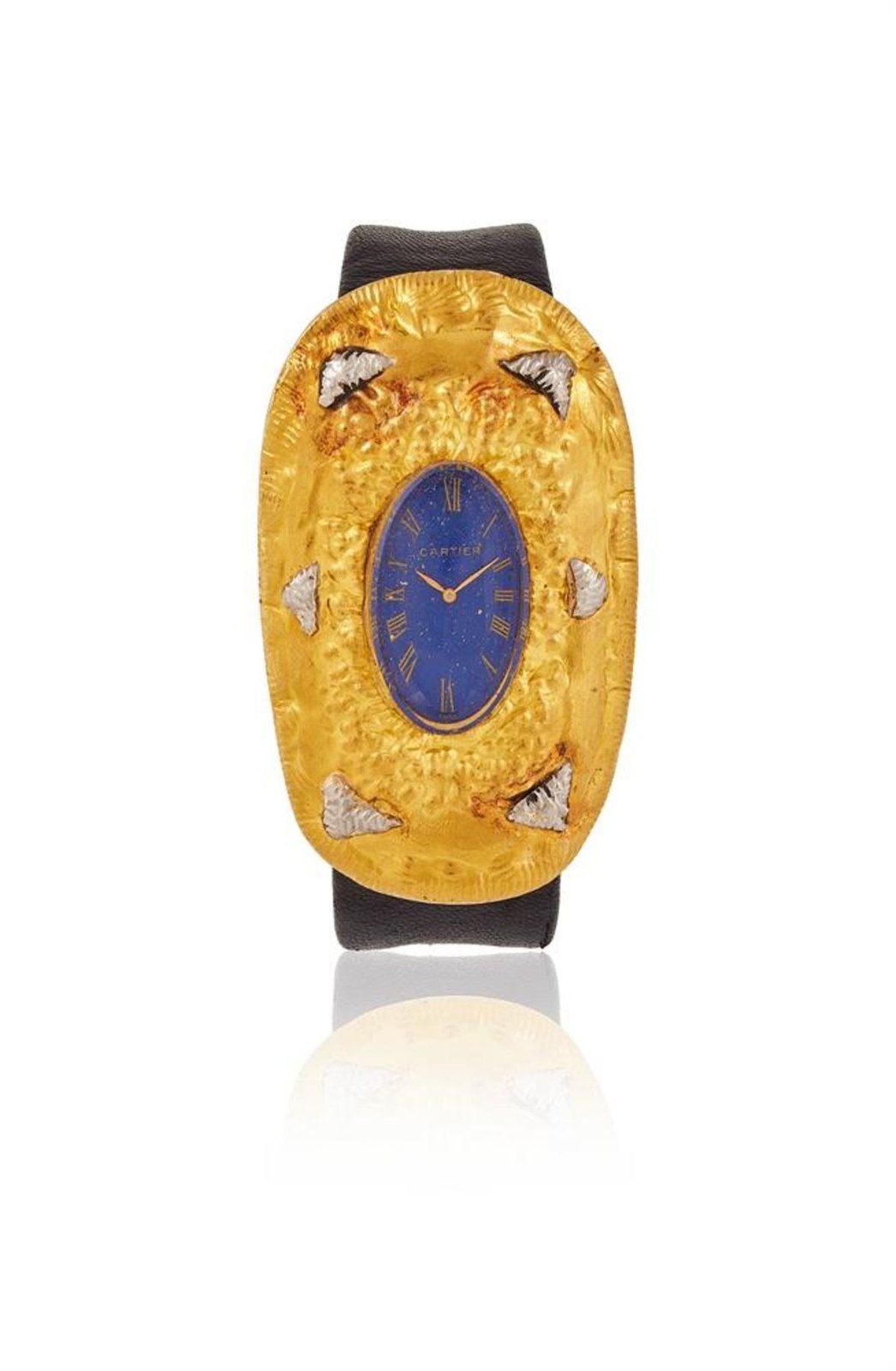
Cartier Lisa Sotilis 18K Dress Watch
- Maker / attribution
- Cartier (source attribution)
- Date
- c. 1970
- Historical period
- Quartz Revolution (1969 – 1990)
- Country of origin
- Switzerland
- Object type
- Dress watch
- Auction house
- Dreweatts
- Lot
- 36
- Credit line
- Dreweatts
- Catalogue title (original)
- LISA SOTILIS FOR CARTIER, A DRESS WATCH (English)
View the source record (auction lot) ↗ (opens another website in a new tab)Suggest a correction
Record summary
Catalogued by Dreweatts (lot 36), this is a dress watch attributed to Cartier, made in Switzerland, dated c. 1970. The Atlas places it in the Quartz Revolution period (1969 – 1990) of its Pocket Watches collection. The record is illustrated with 1 photograph.
Assembled from the source record's structured fields. Dates and attributions are given as the source states them; where a field is missing the Atlas leaves it blank rather than estimating.
Catalogue description
Original object description
Associated with an arrangement initiated in 1970 for artist Lisa Sotilis to design "micro-sculpture" watch elements for Cartier, this dress watch from circa 1970 is defined by a wide, elongated hammered two-tone bezel measuring 5.3 cm long and accented with three-dimensional triangular motifs. The oval dial presents an enameled lapis lazuli effect, bearing gilded hands and Roman numerals underneath a "Cartier" signature. Hallmarked for Swiss 18-carat gold and stamped 18K, the case includes a maker's mark and the reference numbers 21043 107, fitted to a tapering black leather strap with a textured buckle. The interior of the case is inscribed "Movado Factories Switzerland" alongside the numbers 58, 215 004, housing an unadjusted 17-jewel manual-wind Movado movement. While noted as winding and operating, its precision has not been measured; physical condition reveals scratches across the crystal, tarnishing and scratching on the gold exterior, and a worn, flaking strap.
Inscriptions & marks
21043 107
Historical context
Quartz Revolution (1969 – 1990)
Seiko's Astron begins mass quartz timekeeping; traditional industries contract sharply.
Quartz pocket watches and inexpensive novelty watches appeared, while traditional mechanical pocket watches survived mainly as collectibles and gifts.
Read the period in the timelineMore pocket watches from this periodEarlier: Modern Mechanical Horology
Atlas type guide
Pocket watches
The pocket watch was the dominant personal timekeeper from the late seventeenth century until the First World War. Its development tracks the history of the escapement: verge watches with fusees until the late eighteenth century; Thomas Mudge's lever escapement (c. 1755) and the cylinder escapement popularised by George Graham and later by Swiss makers; and the Swiss and English lever watches of the nineteenth century. Lépine's bar-bridge calibre and keyless winding made watches thinner and easier to use.
Industrialisation transformed the trade: American factories such as Waltham (from 1850) and Elgin produced interchangeable parts by machine, and Swiss makers responded with their own mechanisation after the 1876 Philadelphia Exhibition. By 1900 a reliable watch was affordable to millions; the finest makers continued to produce complications and precision watches.
What to look for
- The escapement: verge (crown wheel), cylinder, duplex, English or Swiss lever.
- Key winding (a square arbor in dial or back) or keyless crown winding.
- Signatures and serial numbers on the movement, dial and inside case back.
- Hallmarks, case maker's marks and gold or silver standards stamped in the case.
- Dial material: enamel, silver, gold, later printed metal.
Dating clues
- Verge watches dominate before c. 1800; cylinder watches c. 1770–1900; lever watches after c. 1820.
- Keyless winding: increasingly common after c. 1860.
- Manufacturer serial number lists exist for Waltham, Elgin, Longines, Omega, Patek Philippe and others.
General guidance written by the Atlas editors about this kind of object. It is not a statement about this particular piece; for that, rely on the source record above and on physical examination.
Read next:Verge escapementDetached lever escapementFuseeIdentification Centre
Related records
Clocks · 1863
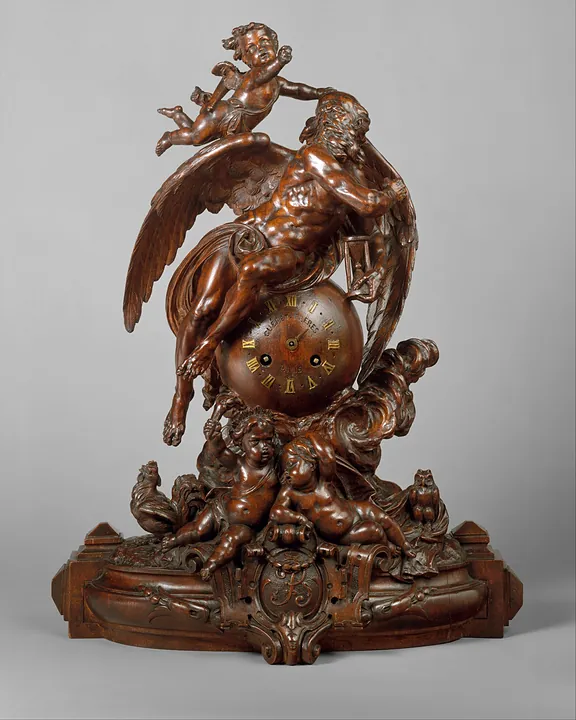
Clock by Albert-Ernest Carrier-Belleuse, France, 1863
The Metropolitan Museum of Art, New York
Clocks · c. 1980s
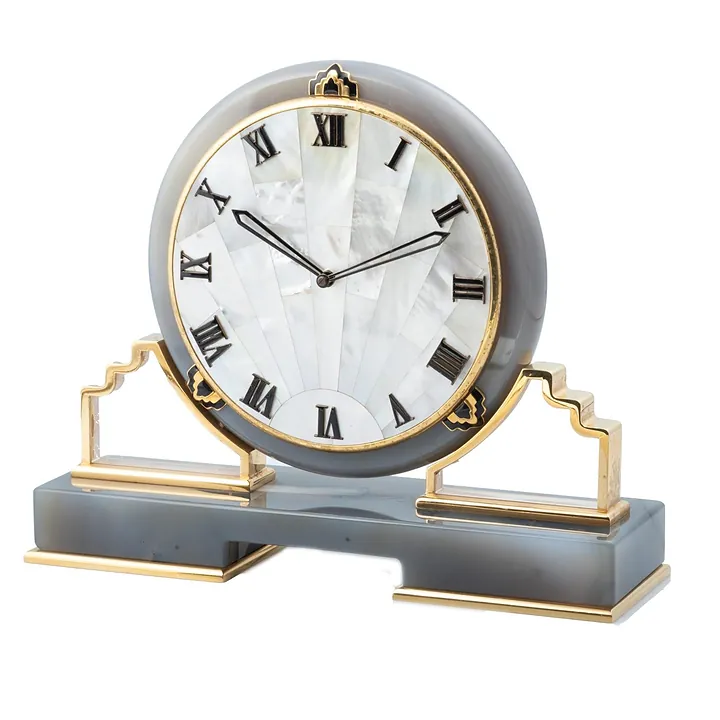
Cartier "art Deco", c. 1980s
Antiquorum auction archive, Geneva
Clocks · c. 2000s
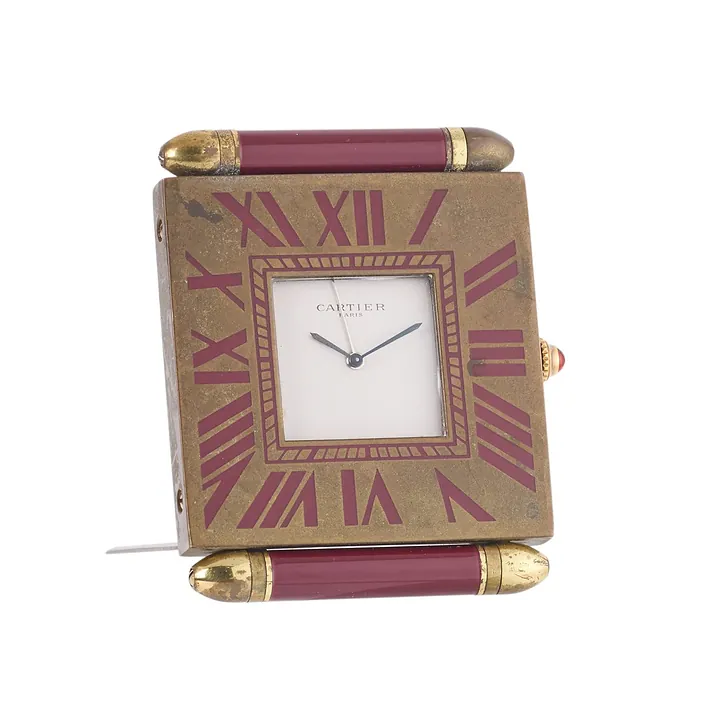
Cartier Desk Clock with Alarm, c. 2000s
Antiquorum auction archive, Geneva
Clocks · c. 2000s
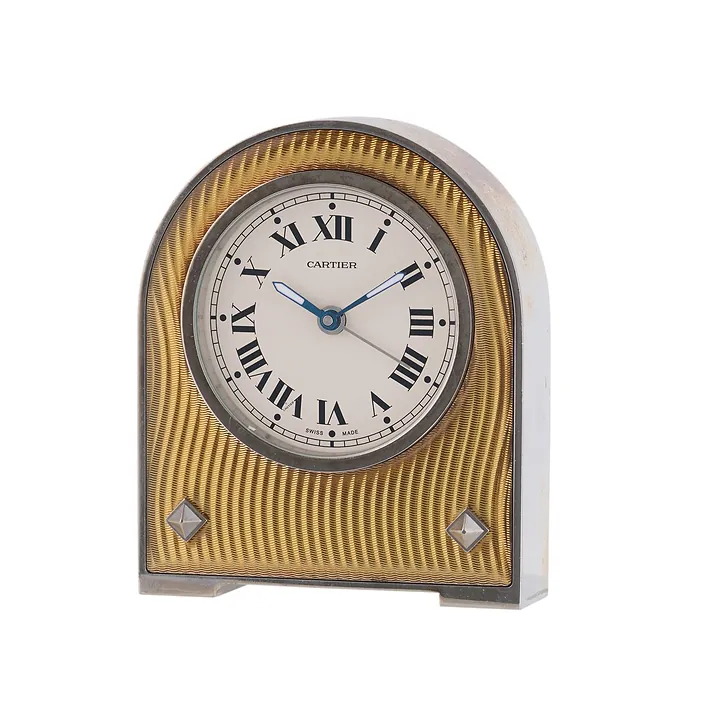
Cartier Lacquer Arched Desk Clock with Alarm, ref. W0100037, c. 2000s
Antiquorum auction archive, Geneva
Pocket Watches · c. 1970s
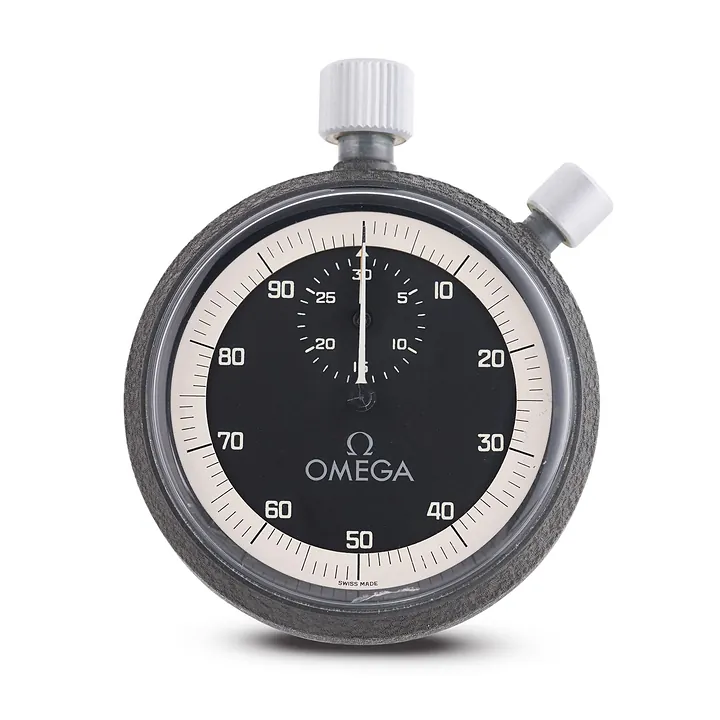
Omega Stop Watch, c. 1970s
Antiquorum auction archive, Geneva
Pocket Watches · 1971–2001
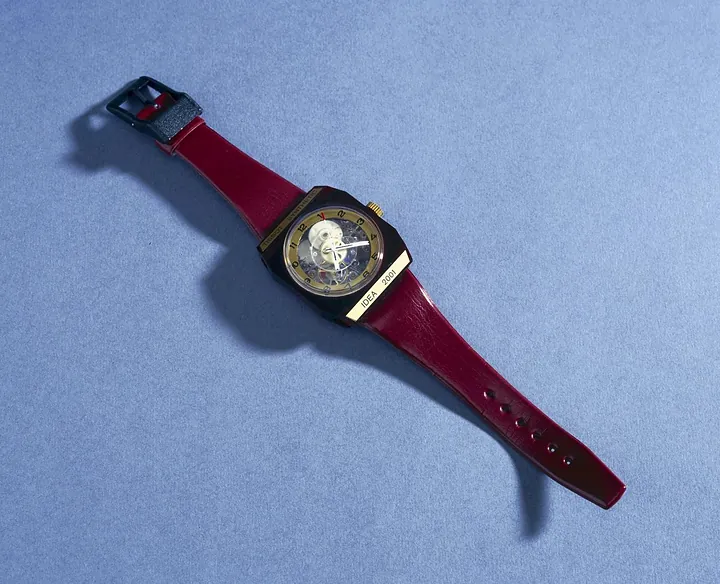
"Tissot synthetic idea 2001" the first plastic watch, introduced in 1971
Science Museum Group, London
Pocket Watches · c. 1980
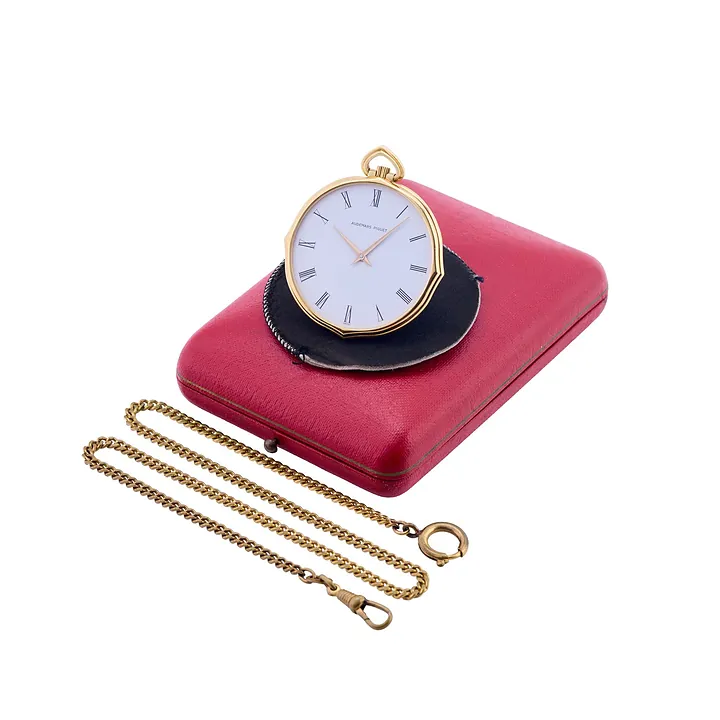
Audemars Piguet pocket watch, c. 1980
Antiquorum auction archive, Geneva
Pocket Watches · 1980s
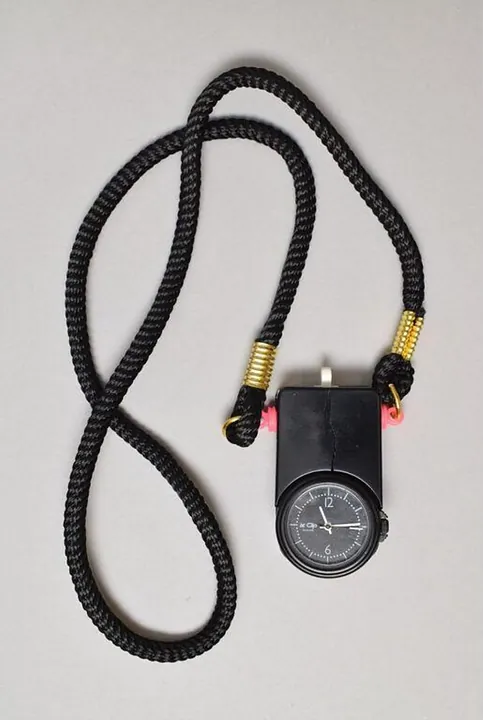
Clip-on plastic watch with cord, made in Switzerland, 1980s
Victoria and Albert Museum, London