
Complication
Karrusel
Also known as: Carrousel · Karussell
How it works
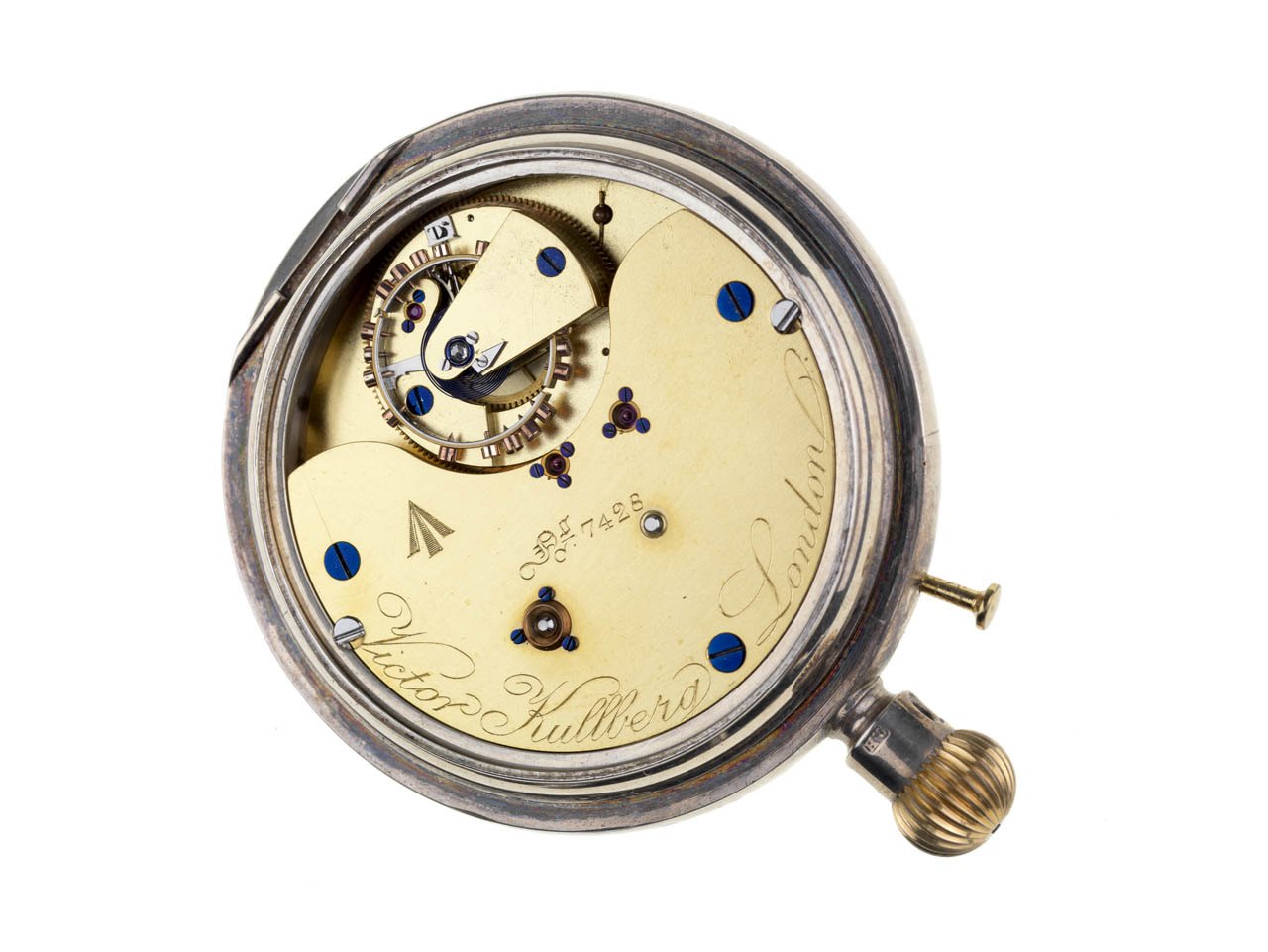
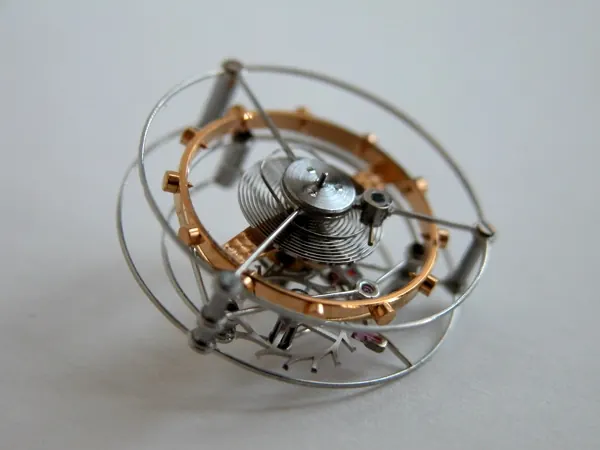
Like a tourbillon, the escapement rotates in a carriage to average positional errors, but the carriage is driven by the third wheel, while the escapement is driven separately by the fourth; the classic Bonniksen karrusel turns once in 52½ minutes.
Why it was invented
A cheaper, more robust alternative to the tourbillon for high-grade English watches.
- Invented
- 1892 (patent)
- Credited to
- Bahne Bonniksen
- Historical period
- Industrial Revolution
History and development
Bahne Bonniksen, a Danish-born watchmaker in Coventry, patented the karrusel in 1892. Karrusel watches performed well in the Kew Observatory trials, and Coventry makers produced them until the First World War.
Bonniksen's aim was the same as Breguet's in the tourbillon — to average out the rate differences of a watch held in different vertical positions — but with a simpler drive. Because the carriage turns slowly and is driven by its own wheel, it was cheaper to make and less delicate, and Coventry firms such as Alfred Rotherham and Sons used it in some of the best English watches of the period.
Karrusel watches did very well in the Kew Observatory trials, which rated watches for weeks in different positions and temperatures; some of the highest marks of the period went to karrusel watches. The type disappeared with the decline of English watchmaking after the First World War, although some modern makers have revived the name for rotating-carriage designs.
How to recognise it
- A large rotating carriage under a broad bridge, in an English three-quarter-plate pocket watch of c. 1893–1914, often signed by Bonniksen or retailed by a Coventry maker.
- The carriage turns slowly — about once in 52½ minutes in Bonniksen's standard design — whereas most tourbillons turn once a minute.
Related mechanisms
In the catalogue
Open in the catalogue →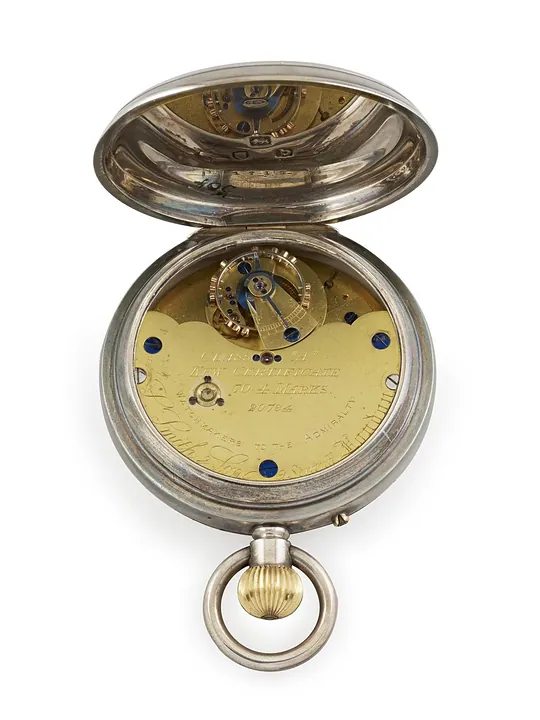
Pocket Watches · 1897
Pocket watch by Samuel Smith and Sons Limited, England, 1897
Science Museum Group, London
Instruments · 1902–1903
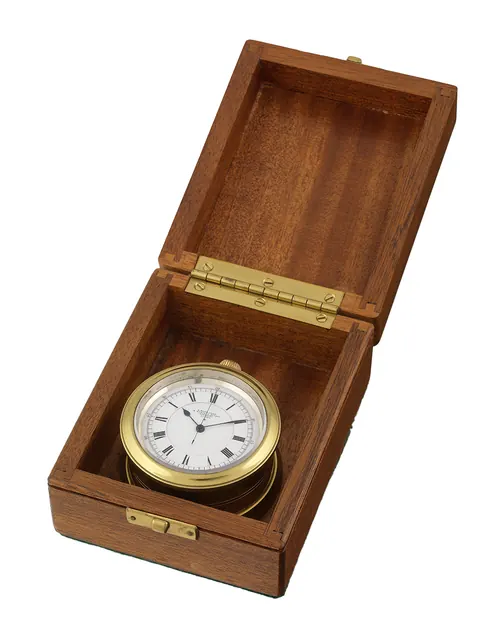
Karrusel deck watch no. 57006 by Bahne Bonniksen, 1902–1903
Royal Museums Greenwich
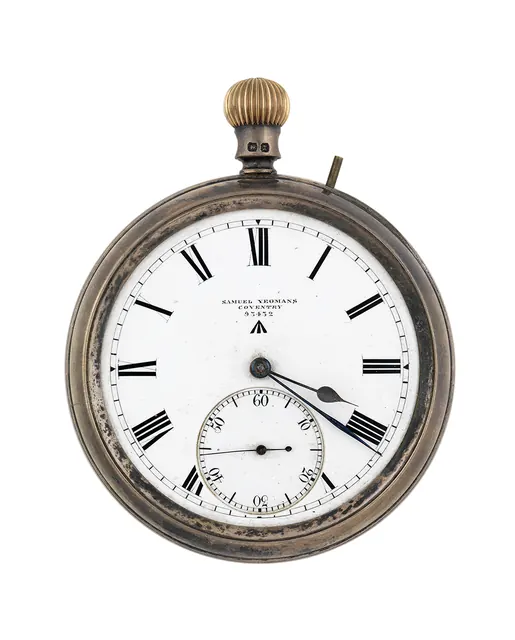
Instruments · c. 1903
Deck watch no. 93432 by Samuel Yeomans
Royal Museums Greenwich
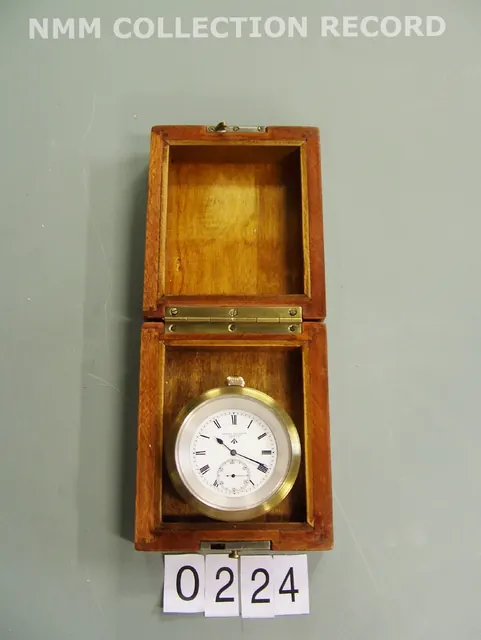
Instruments · c. 1912
Deck watch no. 96545 by Samuel Yeomans
Royal Museums Greenwich
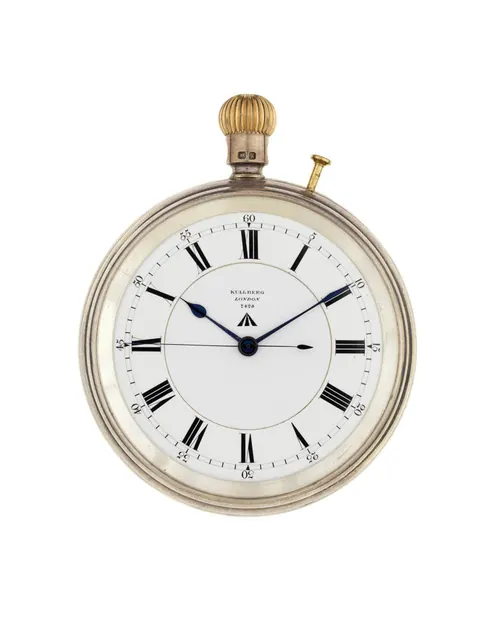
Instruments · c. 1913
Karrusel deck watch no. 7428 by Victor Kullberg, London, delivered 1913
Royal Museums Greenwich
Records are linked when the holding institution's description names this mechanism; check each source record for confirmation.
Further reading
In the Academy
- The tourbillon: what it does, and what it doesn't
15 min · The tourbillon is the most famous complication in watchmaking. Invented by Abraham-Louis Breguet to cancel errors of position, it became a showpiece. This lesson explains the problem it solves, how it works, its variants and how to judge the claims made for it.