Museum
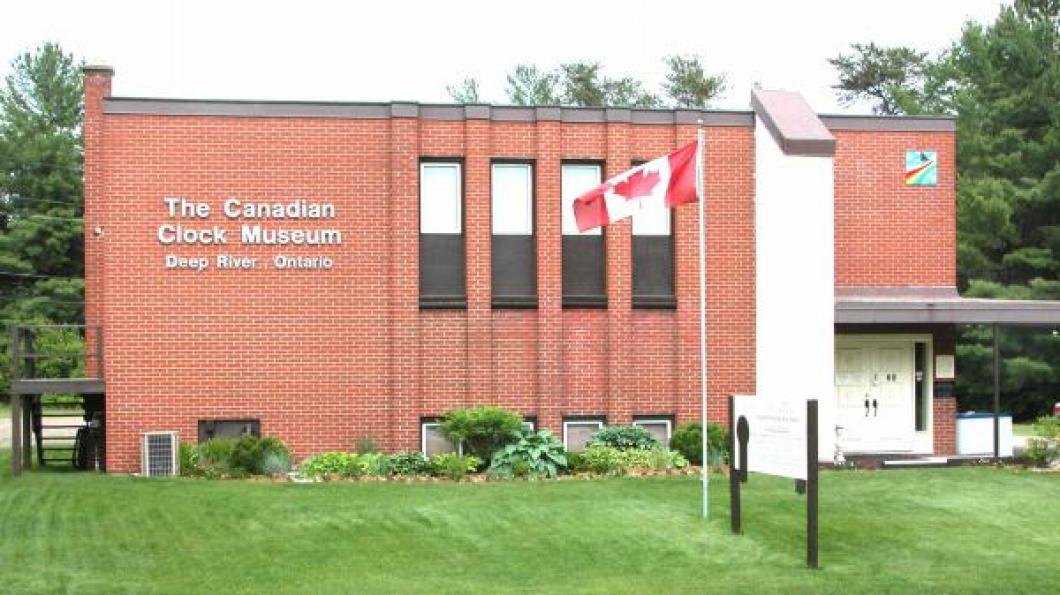
The Canadian Clock Museum
Deep River, Ontario, Canada
Canadian clock manufacturers and sellers from the early 19th century onward, shown alongside working period sound-reproduction equipment.
Opened in May 2000 at 60 James Street in Deep River, this specialist museum preserves the history of clocks made or sold in Canada. Its research pages document Canadian makers and retailers, while guided visits place domestic timepieces in the wider material culture of Canadian homes.
- Type
- Museum
- Location
- Deep River, Ontario, Canada
- Founded
- 2000
- Specialities
- Canadian clock manufacturing · Retailers and trade history · Domestic timekeeping
- Official website
- www.canclockmuseum.ca/ (opens another website in a new tab)
Opening hours, admission and accessibility change; please check the official website before visiting.
Why it matters for horology
Canada's clock history includes makers, importers and retailers, and this museum explicitly follows all three kinds of evidence. A clock sold in Canada may contain a movement manufactured elsewhere, while a locally made case or a Canadian retailer's label records another part of its commercial life. The museum's research pages are therefore valuable when identifying the names on a dial, label or movement plate. Its displays concentrate on the period from the early 1800s onward, rather than claiming a survey of all ancient timekeeping. Period record players and other household artefacts place clocks in the rooms and routines for which they were bought. Guided visits also make sound part of the experience, connecting the tick, strike and alarm with other technologies once used in Canadian homes.
Specialities
- Canadian clock manufacturing
- Retailers and trade history
- Domestic timekeeping
What to look for
- Canadian makers and sellers
- Compare the maker's name on a movement with the seller named on a case label or dial. Different names can reflect a legitimate supply chain, not necessarily a later marriage of parts.
- Two centuries of clocks
- Look at changes in power source, case construction and dial design across domestic timekeepers. Published trade histories can help narrow a date without substituting a guessed year.
- Sound in the home
- Working Edison and Victor equipment provides context for the audible world of older households. Clock striking and recorded sound are distinct mechanisms that shared the same domestic space.