
Instruments · Slave clock
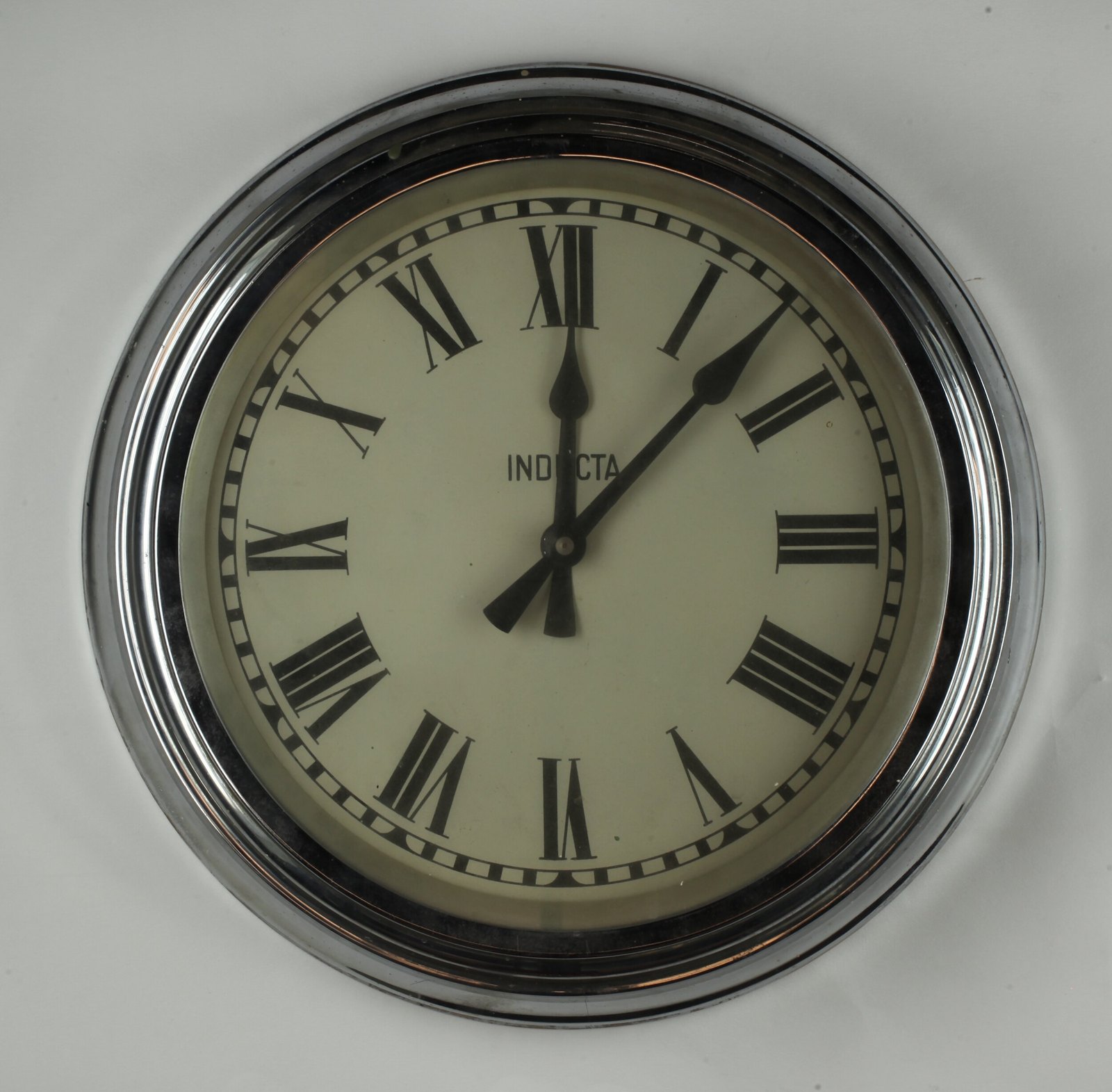
Slave Clock - 'Inducta', Landis & Gyr, 1950s
- Maker / attribution
- Unrecorded in source
- Date
- 1950s
- Historical period
- Modern Mechanical Horology (1945 – 1969)
- Country of origin
- Unrecorded in source
- Object type
- Slave clock
- Holding institution
- Museums Victoria, Melbourne
- Accession / object no.
- ST 32909
- Catalogue title (original)
- Slave Clock - 'Inducta', Landis & Gyr, 1950s (English)
View the source record ↗ (opens another website in a new tab)Suggest a correction
Record summary
Held and catalogued by Museums Victoria, Melbourne (object number ST 32909), this is a slave clock, dated 1950s. The Atlas places it in the Modern Mechanical Horology period (1945 – 1969) of its Instruments collection. The record is illustrated with 2 photographs.
Assembled from the source record's structured fields. Dates and attributions are given as the source states them; where a field is missing the Atlas leaves it blank rather than estimating.
Catalogue description
Summary — Museums Victoria
Electric slave clock, 'Inducta', made by Landis & Gyr Zug, Switzerland, 1950s.
Physical description — Museums Victoria
Round metal case, chrome plated. Electric movement controlled by a minute pulse from master clock.
Inscriptions & marks
Dial marked 'Inducta'.
Provenance
Unknown Acquisition Method from Unknown Source - Likely Donation
Historical context
Modern Mechanical Horology (1945 – 1969)
Tool watches for divers, pilots and astronauts; electric watches anticipate the electronic age.
Electronic instruments, quartz frequency standards and the first atomic clocks transformed precision timing in laboratories and broadcasting.
Read the period in the timelineMore instruments from this periodEarlier: Golden Age of Mechanical Watchmaking
Atlas type guide
Scientific and navigational instruments
Timekeeping has always been tied to astronomy, navigation and measurement. Observatories used transit instruments to determine the exact moment a star crossed the meridian, and set their regulators by it; navigators combined sextant observations with chronometers to find longitude; surveyors, engineers and physicians used counters, pedometers and timers derived from watch and clock technology.
Instruments in this collection show how time measurement supported science and everyday technical life. Their makers were often the same workshops that produced clocks and watches, and their scales and dials document changing units and standards.
What to look for
- Engraved scales and verniers; the units used (degrees, hours, decimal divisions).
- Makers' signatures and town names, often on the main plate or limb.
- Accessories and fitted cases that indicate the intended use.
- Inventory or institutional marks from observatories, navies or schools.
Dating clues
- Vernier scales spread after the seventeenth century; dividing engines after Ramsden (1770s) made fine scales common.
- Mass-produced instruments with patent numbers belong mostly to the nineteenth and twentieth centuries.
General guidance written by the Atlas editors about this kind of object. It is not a statement about this particular piece; for that, rely on the source record above and on physical examination.
Related records
Instruments · 1930–1960
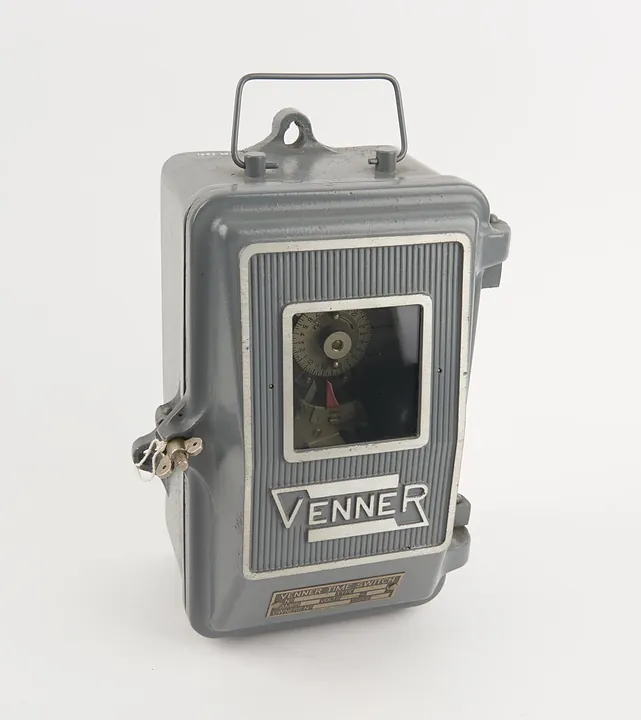
Electronically wound triple-pole changeover time-switch, type MWDGPS, by Venner Limited, New Malden, Kingston-upon-Thames, London, England, 1930–1960.
Science Museum Group, London
Instruments · 1940–1976
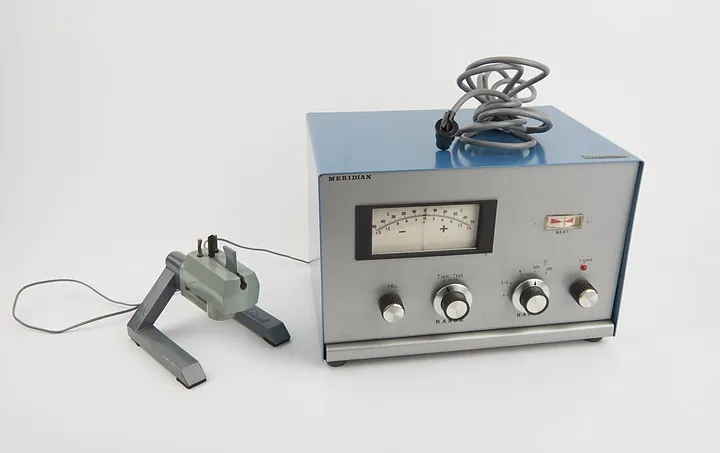
'Meridian' watch timer, by Walker Electronics, Newark-on-Trent, Nottinghamshire, England, 1940–1976.
Science Museum Group, London
Instruments · 1940–1980
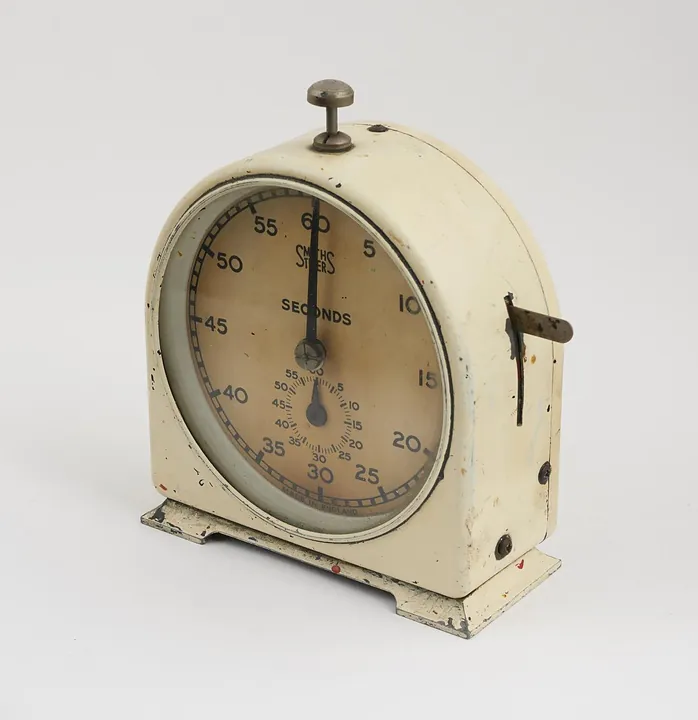
Clockwork timer used by renal dialysis patients to time blood clotting reaction when adding heparin to blood for dialysis
Science Museum Group, London
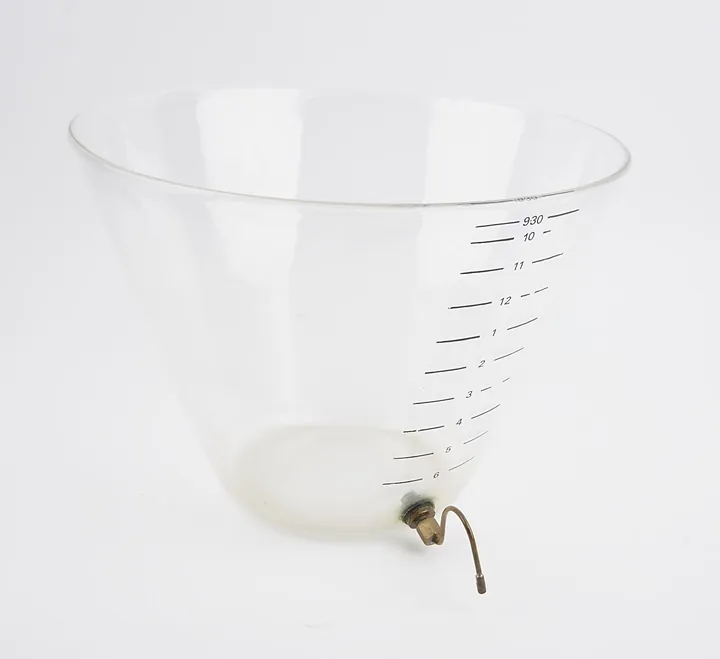
Instruments · 1940–1965
Glass bowl in the shape of an ancient Egyptian water-clock, 1940–1965
Science Museum Group, London
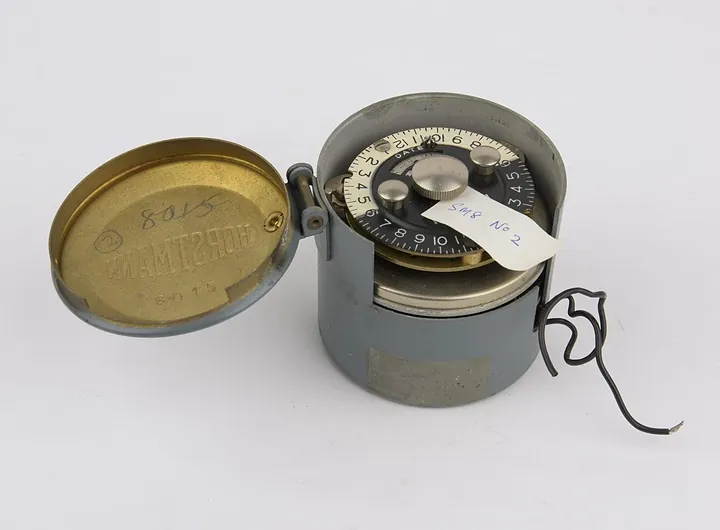
Instruments · 1940–1974
Stopwatch / timer by Horstmann Gear Co. Ltd., England, 1940–1974
Science Museum Group, London
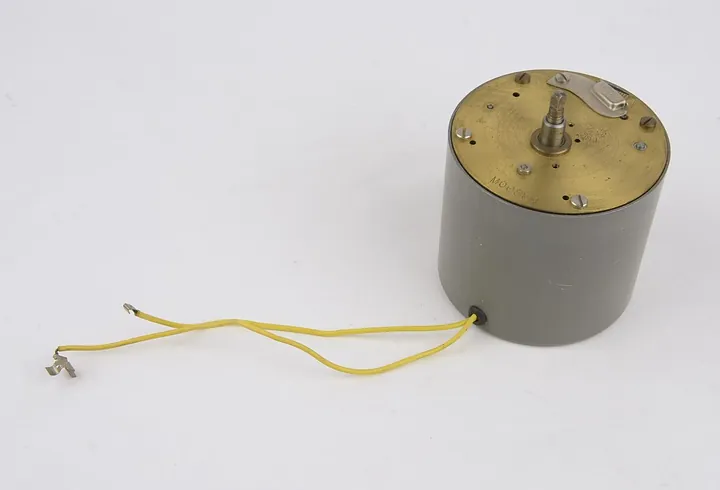
Instruments · 1940–1974
Stopwatch / timer by Horstmann Gear Co. Ltd., England, 1940–1974
Science Museum Group, London
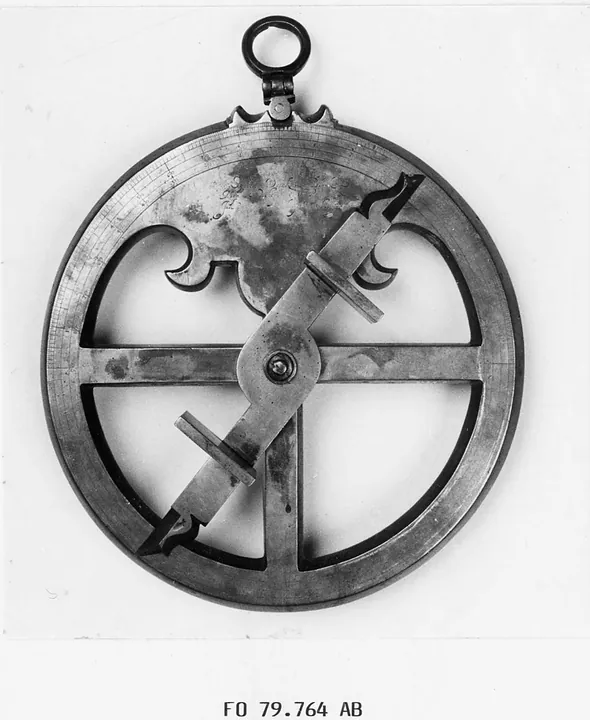
Instruments · 1945
Astrolabe by Olsson, Gillis, SHM, Sweden, 1945
National Maritime Museum
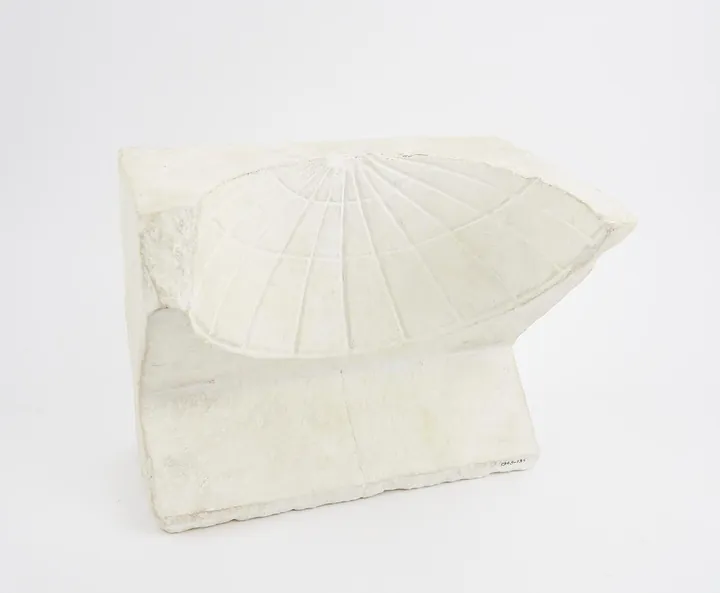
Instruments · 1945–1955 (reproduction of an original of 350–250 BCE)
Reproduction sundial by the British Museum, England, 1945–1955, after an original of 350–250 BCE
Science Museum Group, London