
Wristwatches · Wristwatch
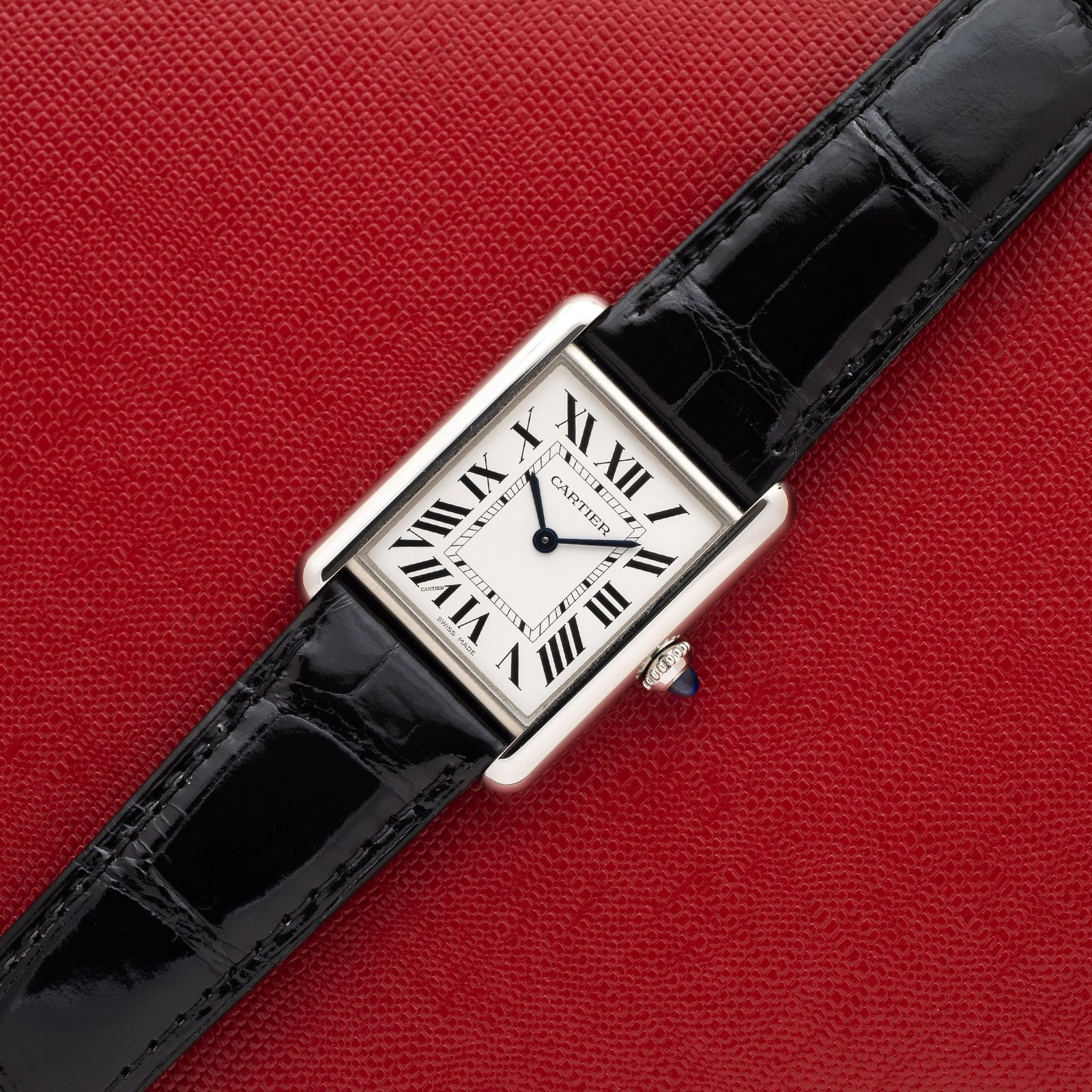
Cartier Tank Must (Large) with Photovoltaic SolarBeat Movement
- Maker / attribution
- Cartier (maker)
- Date
- 2023
- Historical period
- Contemporary Horology (2010 – Present)
- Country of origin
- France
- Object type
- Wristwatch
- Stock no.
- Product 8910557446420
- Credit line
- Dealer listing, Collectors Corner NY (product 8910557446420)
- Catalogue title (original)
- Cartier Tank Must (Large) w/Photovoltaic SolarBeat Movement - Full Set (English)
View the source record (dealer listing) ↗ (opens another website in a new tab)Suggest a correction
Record summary
Catalogued by Collectors Corner NY (dealer), New York (stock number Product 8910557446420), this is a wristwatch by Cartier, made in France, dated 2023. The Atlas places it in the Contemporary Horology period (2010 – Present) of its Wristwatches collection. The record is illustrated with 6 photographs.
Assembled from the source record's structured fields. Dates and attributions are given as the source states them; where a field is missing the Atlas leaves it blank rather than estimating.
Catalogue description
Dealer description — Collectors Corner NY
The Cartier Tank has achieved iconic status in the world of watch design and, with the exception of a few distinctive variations, has kept a consistent aesthetic throughout its long production history. The first commercially available Tank Normale was introduced in 1919, inspired by the treads of the French Renault FT-17 tank used in World War I. Over the decades, Tank watches have been documented on the wrists of notable figures from Jackie Kennedy to Andy Warhol. Today, Cartier feels more relevant in fashion, music and popular culture than ever before. This Tank is the first of its kind not to be made in precious metal. Cased in steel, it is a perfect option for daily wear and pairs easily with a wide range of strap colors. Cartier's SolarBeat photovoltaic movement is a fantastic technology, letting light pass through the dial's Roman numerals (invisible to the naked eye) and extending battery life to over 16 years. Offered complete with its box and papers, this 2023 example has been very lightly used and is ready to enjoy for decades to come. Explore more of our vintage Cartier watches .
Historical context
Contemporary Horology (2010 – Present)
Silicon components, connected watches, optical-lattice research clocks and a thriving independent scene.
Smartwatches became the world's best-selling watches, while mechanical watchmaking focuses on craft, innovation (silicon components, new escapements) and independent makers.
Read the period in the timelineMore wristwatches from this periodEarlier: Mechanical Renaissance
Atlas type guide
Quartz, digital and electronic watches
Electronic watches arrived in three steps. The Hamilton Electric 500 (1957) was the first battery-powered wristwatch, still with a balance; Bulova's Accutron (1960) used a tuning fork. On 25 December 1969 Seiko released the Astron 35SQ, the first quartz wristwatch, closely followed by the Swiss Beta 21 group. In 1972 Hamilton's Pulsar introduced the LED digital watch, and LCD displays soon made digital watches cheap.
The 'Quartz Crisis' that followed devastated the Swiss mechanical industry, which lost two-thirds of its workforce between 1970 and 1984 before recovering with the Swatch (1983) and the luxury mechanical revival. Solar, radio-controlled, kinetic and connected smartwatches continue the electronic line.
What to look for
- Battery hatch in the case back and calibre markings with 'Quartz' or a crystal frequency.
- Display technology: LED (red, push-button) versus LCD (always-on).
- Tuning-fork hum and a smoothly sweeping seconds hand on Accutrons.
- Model and reference numbers, often printed on the back.
Dating clues
- Electric balance watches: from 1957.
- Tuning-fork watches: 1960–c. 1977.
- Quartz analogue: from December 1969; LED digital: 1972–c. 1978; LCD from 1973.
General guidance written by the Atlas editors about this kind of object. It is not a statement about this particular piece; for that, rely on the source record above and on physical examination.
Read next:Seiko calibre 35A (Astron)
Related records
Clocks · 1863
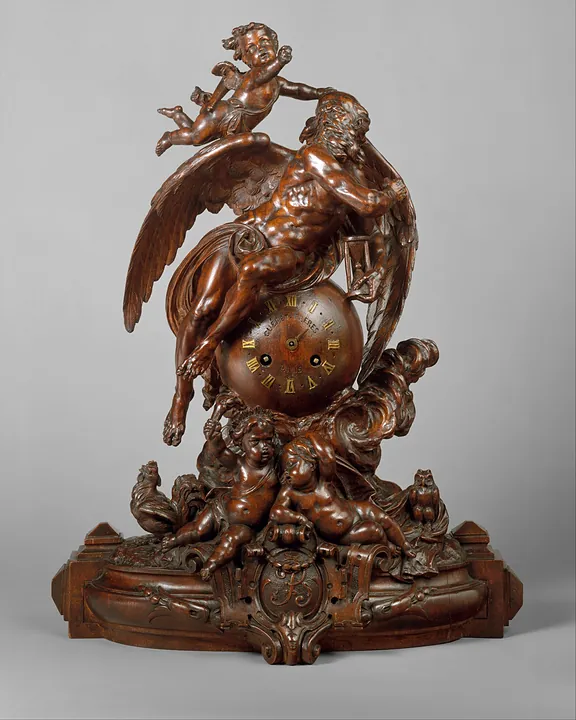
Clock by Albert-Ernest Carrier-Belleuse, France, 1863
The Metropolitan Museum of Art, New York
Clocks · c. 1980s
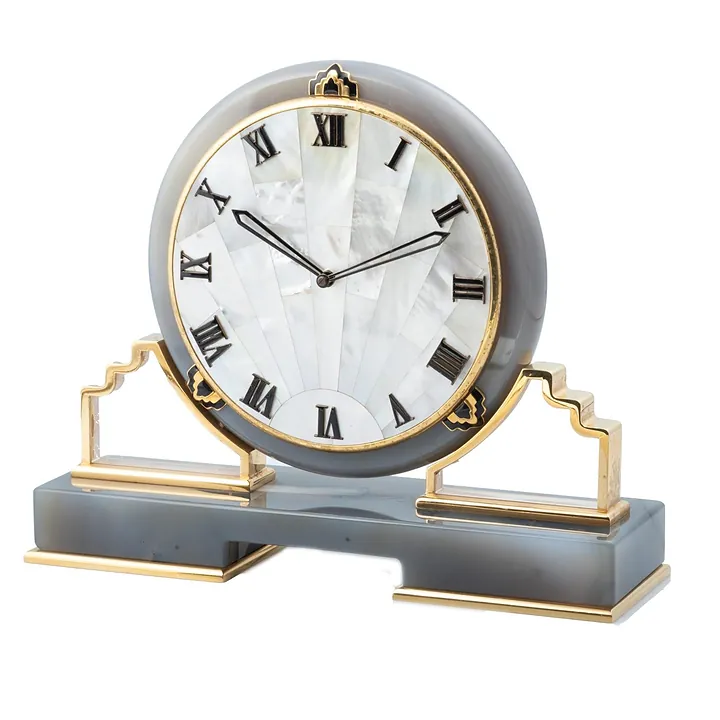
Cartier "art Deco", c. 1980s
Antiquorum auction archive, Geneva
Clocks · c. 2000s
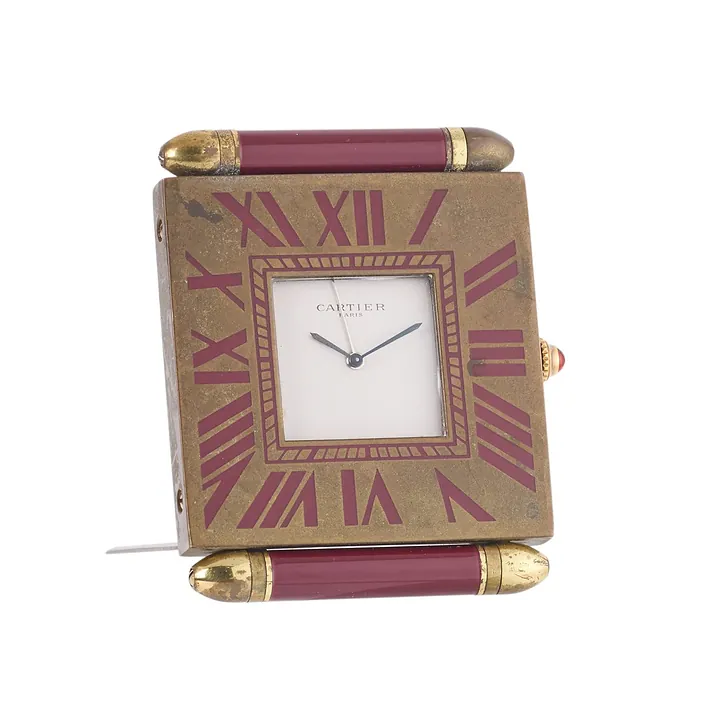
Cartier Desk Clock with Alarm, c. 2000s
Antiquorum auction archive, Geneva
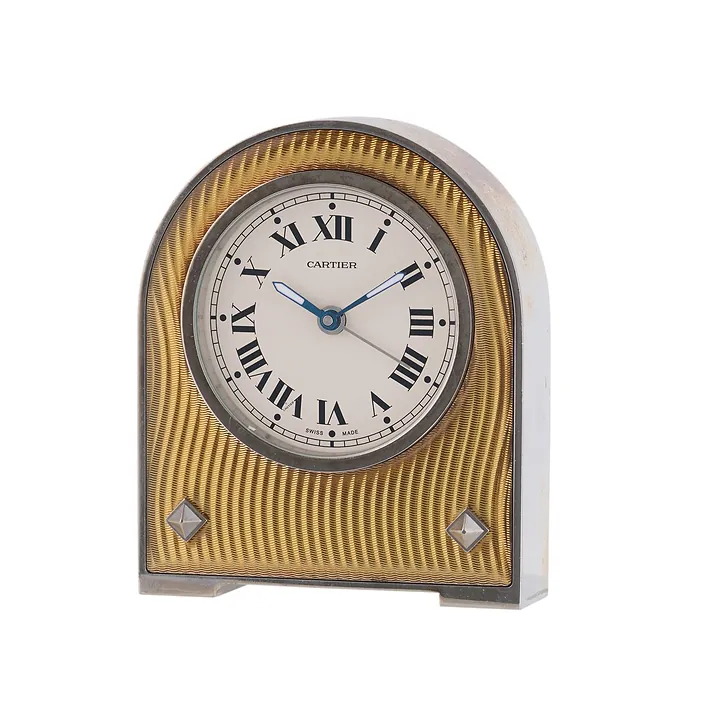
Clocks · c. 2000s
Cartier Lacquer Arched Desk Clock with Alarm, ref. W0100037, c. 2000s
Antiquorum auction archive, Geneva
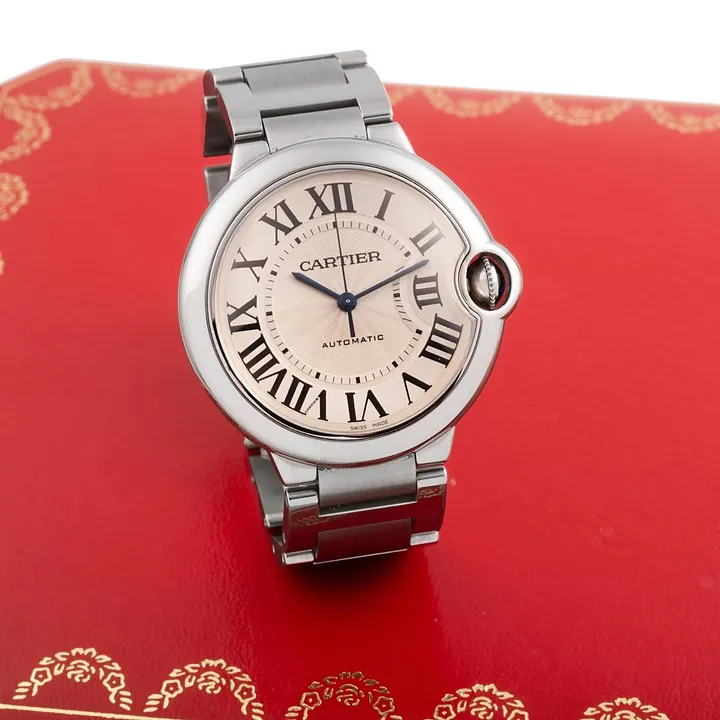
Wristwatches · c. 2010s
Cartier Ballon Bleu, ref. 3284, c. 2010s
Antiquorum auction archive, Geneva
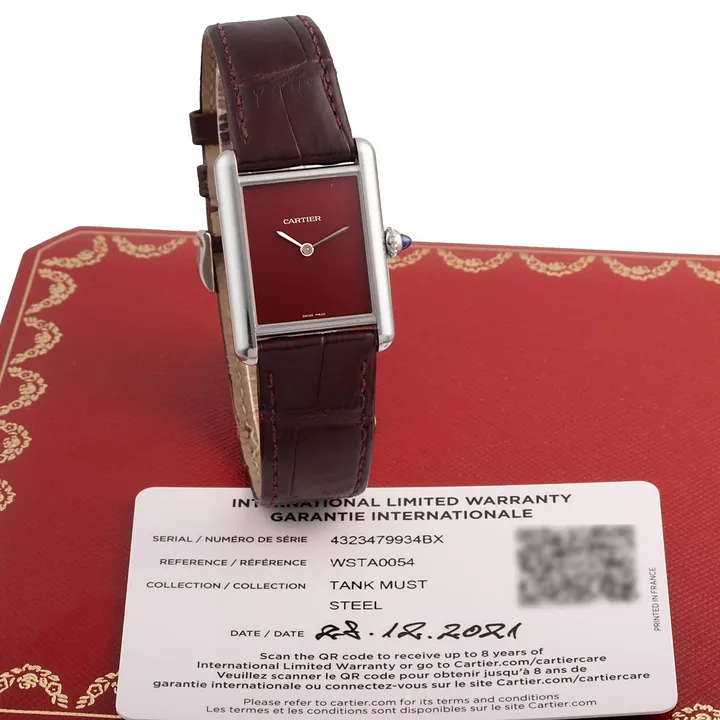
Wristwatches · originally sold in December 2021 (per the lot record)
Cartier Tank Must, ref. CRWSTA0054, originally sold in December 2021
Antiquorum auction archive, Geneva
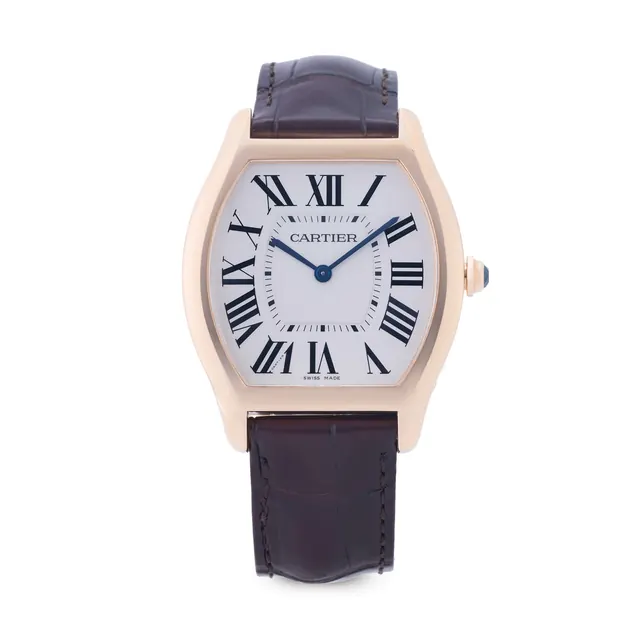
Wristwatches · originally sold in 2023 (per the lot record)
Cartier wristwatch, ref. WGTO0002, Tortue, originally sold in 2023
Antiquorum auction archive, Geneva
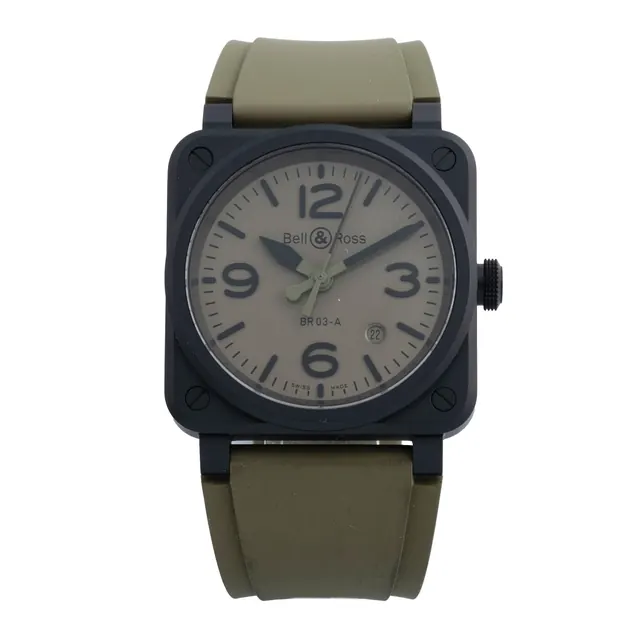
Wristwatches · c. 2020
Bell & Ross wristwatch, ref. BR, Aviation Type, circa 2020
Antiquorum auction archive, Geneva