
Pocket Watches · Pocket watch
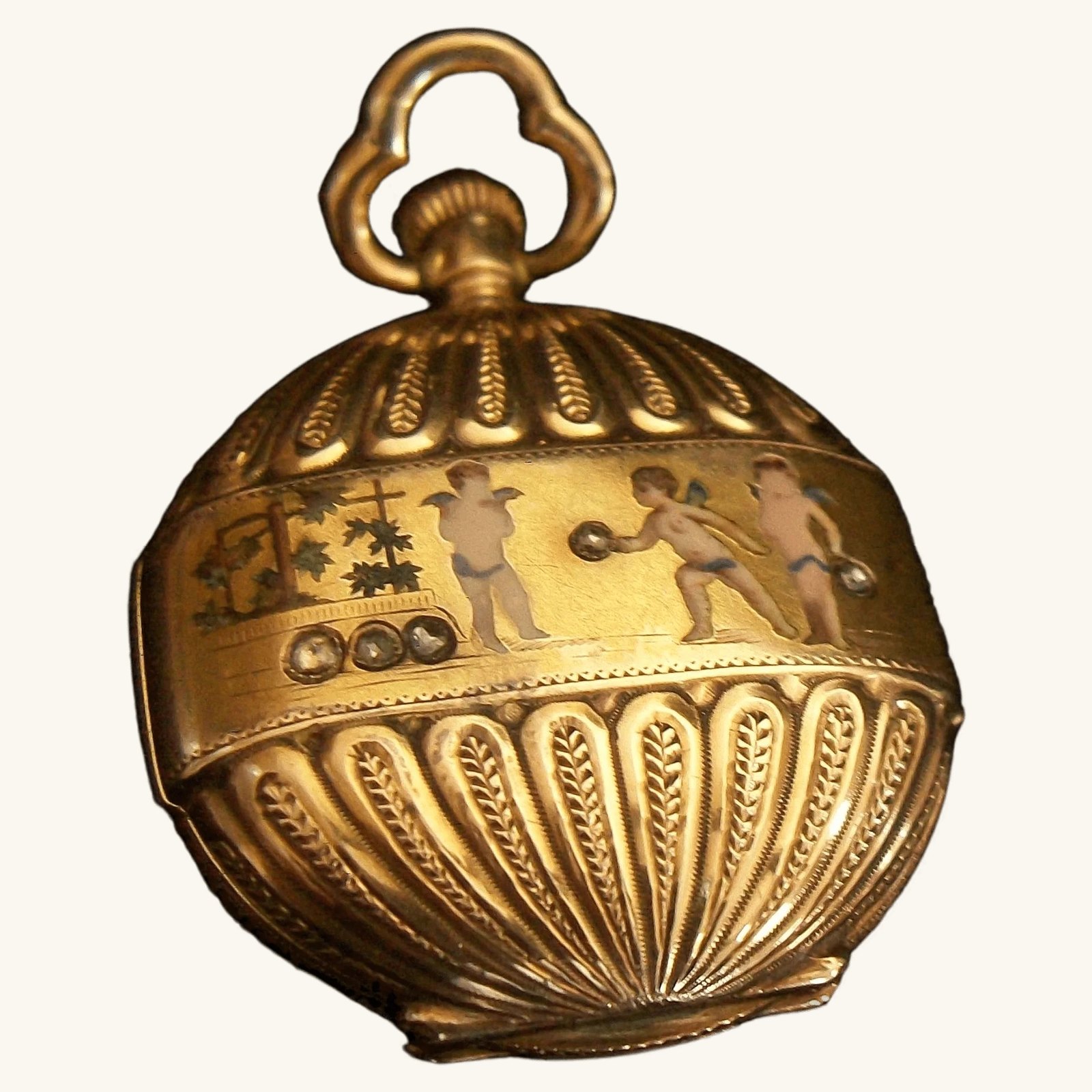
14k Gold Pendant Watch, Enamel Putti & Diamonds, Switzerland, 1870
- Maker / attribution
- Unrecorded in source
- Date
- 1870
- Historical period
- Industrial Revolution (1850 – 1900)
- Country of origin
- Switzerland
- Object type
- Pocket watch
- Materials / technique
- gold, enamel, diamond
- Dealer
- WatchMuseum.org shop
- Stock no.
- Product 3052
- Credit line
- Dealer listing, WatchMuseum.org shop (product 3052)
- Catalogue title (original)
- 14k Gold Pendant Watch, Enamel Putti & Diamonds, Switzerland (English)
View the source record (dealer listing) ↗ (opens another website in a new tab)Suggest a correction
Record summary
Catalogued by WatchMuseum.org shop (stock number Product 3052), this is a pocket watch, made in Switzerland, dated 1870. The Atlas places it in the Industrial Revolution period (1850 – 1900) of its Pocket Watches collection. Materials and techniques recorded by the source: gold, enamel, diamond. The record is illustrated with 6 photographs.
Assembled from the source record's structured fields. Dates and attributions are given as the source states them; where a field is missing the Atlas leaves it blank rather than estimating.
Catalogue description
Dealer description — WatchMuseum.org shop
This exquisite 14k Gold Pendant Watch is a remarkable testament to the artistry and craftsmanship of late 19th-century Switzerland, offering a glimpse into a bygone era of elegance and sophistication. Crafted from luxurious 14K yellow gold, this antique timepiece features an elaborate double hunter case adorned with hand-tooled designs, showcasing the meticulous attention to detail that defines its neoclassical style. The watch’s front and back are graced with intricate hand-painted enamel scenes depicting putti engaging in the playful game of ‘Boules,’ adding a whimsical charm to its refined aesthetic. Accentuating its opulence, the case is set with eight old European cut diamonds, which glisten with timeless allure. Bearing the serial number 1457 27 and the Swiss Squirrel hallmark, this entirely hand-made watch is a rare find from the period of 1870-1880. Despite its age, the watch remains in excellent antique condition, with its movement in working order and keeping fair time. While the enamels have been carefully restored and one diamond replaced, the original dial and hands remain intact, preserving its historical integrity. Measuring a petite 1.25 inches wide by 2 inches long and 1/2 inch deep, and weighing 29.43 grammes, this pendant watch is not only a functional timepiece but also a wearable piece of art that embodies the elegance and craftsmanship of its era. With its charming signs of age and use, this Swiss-made treasure is ready to be worn and cherished by those who appreciate the beauty and history it represents. This antique Swiss pendant watch is crafted from 14K yellow gold and features an elaborate double hunter case with hand-tooled designs on the front and back. The intricate hand-painted enamels depict putti playing ‘Boules’ and the watch is set with eight old European cut diamonds on the front and back of the case. It is entirely hand-made and bears the serial number 1457 27, Swiss Squirrel hallmark, and is stamped 14K. The timepiece dates back to around 1870 and is in excellent antique condition, with the movement in working order and keeping fair time. The enamels have been restored, and the original dial and hands are intact, although one diamond has been replaced. There are signs of age and use, as expected, but the watch is ready to be worn. The watch is small, measuring 1.25 inches (3.2 cm) wide by 2 inches (5 cm) long and 1/2 inch (1.3 cm) deep. The timepiece weighs a total of 29.43 Grammes. Case Material: 14k Gold,Yellow Gold,Enamel Stone: Diamond Stone Cut: Round Cut Weight: 29.43 g Case Dimensions: Height: 50.8 mm (2 in)Width: 31.75 mm (1.25 in) Style: Neoclassical Place of Origin: Switzerland Period: Late 19th Century Date of Manufacture: 1870-1880 Condition: Good
Historical context
Industrial Revolution (1850 – 1900)
American interchangeable-parts manufacture; railroad time standards; Swiss and German factory systems.
Machine production with interchangeable parts, pioneered by Waltham (1850s) and adopted by Elgin, Longines, Omega and others, made reliable lever watches widely affordable. Keyless winding became standard, railroad watch standards were introduced (1890s), and Swiss and American industries competed globally.
Read the period in the timelineMore pocket watches from this periodEarlier: Precision & Scientific Horology
Atlas type guide
Early spring-driven watches
Portable spring-driven timepieces appeared in southern Germany, France and Italy in the early sixteenth century; Peter Henlein of Nuremberg is traditionally credited, although the historical record is complex. These early watches were worn as pendants or carried, had iron or brass movements with a verge escapement and a foliot or small balance, and used a stackfreed or fusee to equalise spring force. They indicated hours only and were notoriously inaccurate.
From the later sixteenth century watches were made in Blois, Paris, Geneva, London and Augsburg in oval, octagonal, cruciform, skull and other 'form' cases of rock crystal, gilt brass, silver and enamel. They were jewellery and status objects as much as timekeepers.
What to look for
- A single hour hand and often a touch-pin hour ring for feeling the time.
- Stackfreed (a cam and spring) instead of a fusee on German watches.
- Pierced and engraved cocks over the balance, fine gut fusee lines.
- Rock-crystal, enamelled or engraved form cases.
Dating clues
- Drum-shaped German watches: c. 1530–1580.
- Oval and form watches: c. 1580–1650.
- Before c. 1675 there is no balance spring; watches can vary by many minutes a day.
General guidance written by the Atlas editors about this kind of object. It is not a statement about this particular piece; for that, rely on the source record above and on physical examination.
Related records
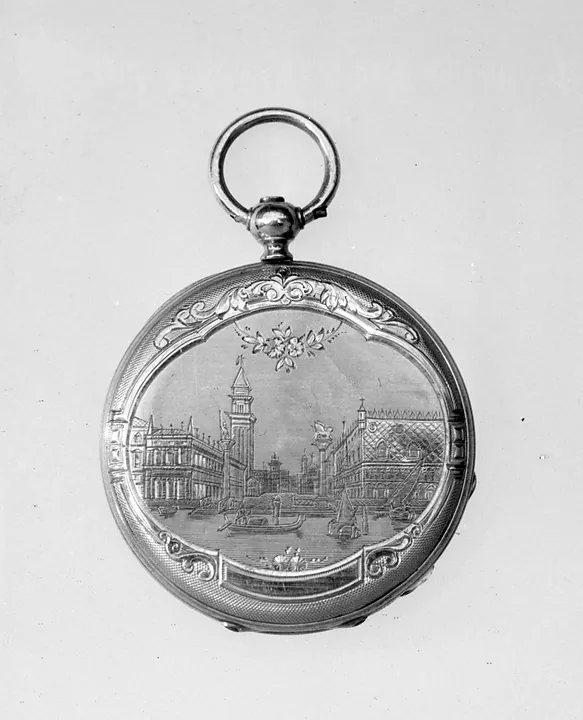
Pocket Watches · c. 1850
Watch by Eugène Bornand, Switzerland, c. 1850
The Metropolitan Museum of Art, New York
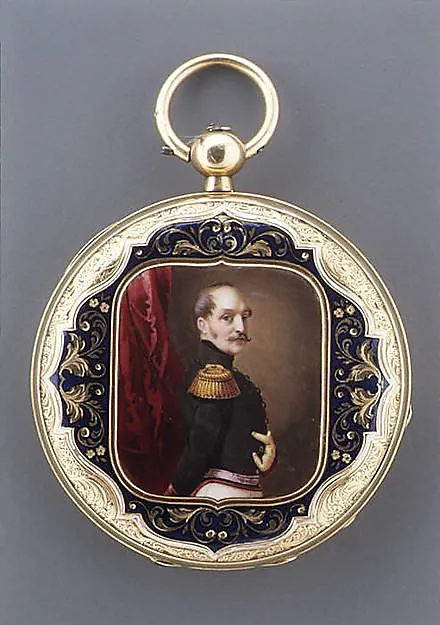
Pocket Watches · probably c. 1850–55
Watch by Firm of Perret & Cie, Switzerland, probably c. 1850–55
The Metropolitan Museum of Art, New York
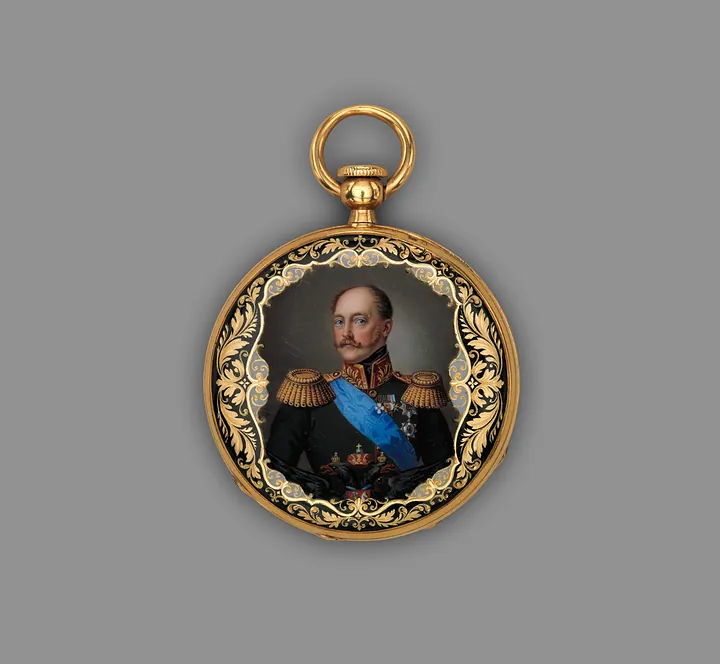
Pocket Watches · c. 1850–55
Watch by François Czapek, c. 1850–55
The Metropolitan Museum of Art, New York
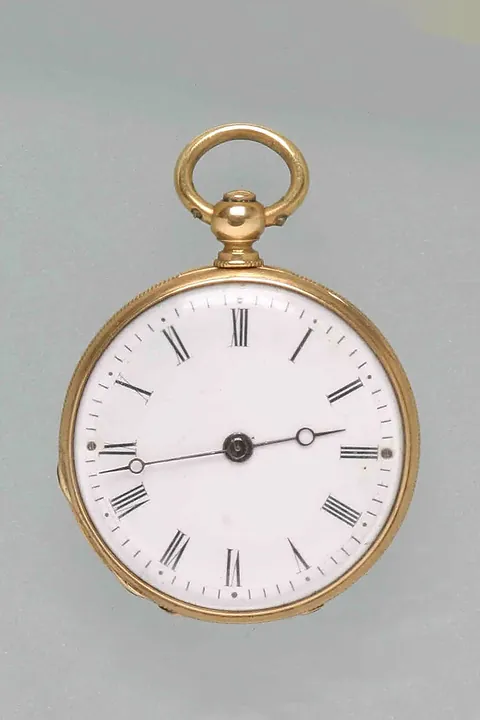
Pocket Watches · c. 1850
Pocket watch by D Bachelard et Fils, Switzerland, c. 1850
German Clock Museum
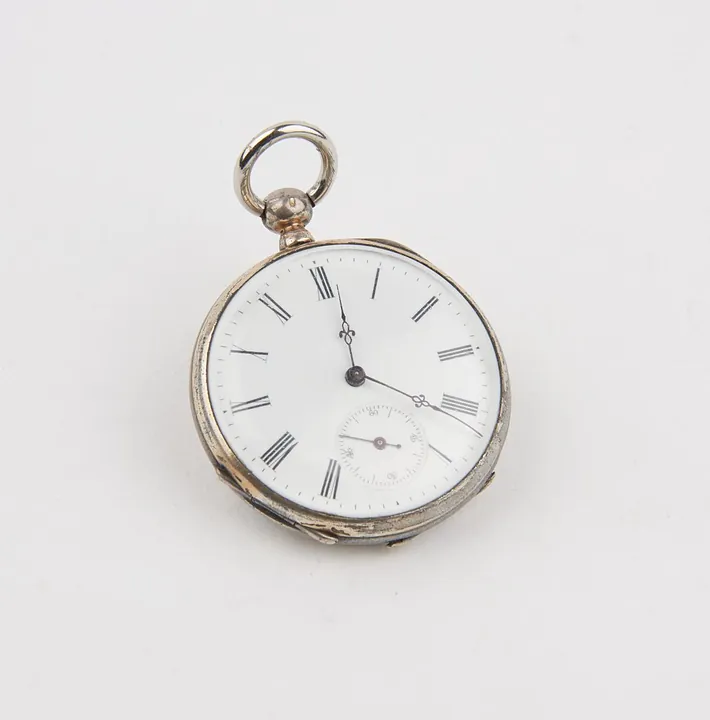
Pocket Watches · 1850–1899
Pocket watch by GT, Switzerland, 1850–1899
Science Museum Group, London
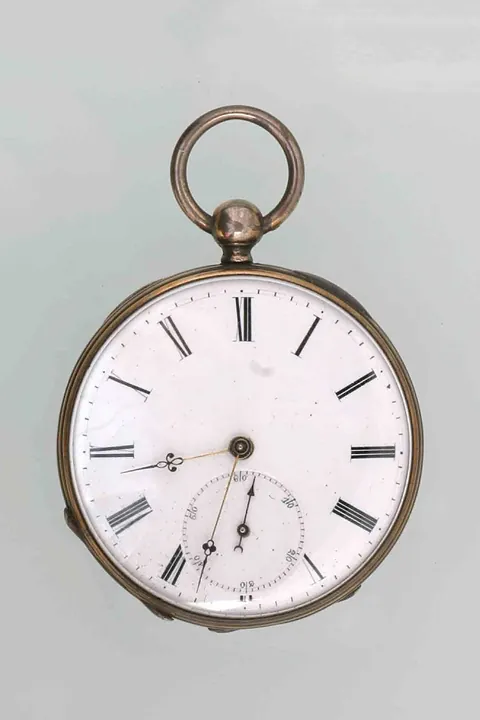
Pocket Watches · c. 1850
Pocket watch by Perret et Cie., Switzerland, c. 1850
German Clock Museum
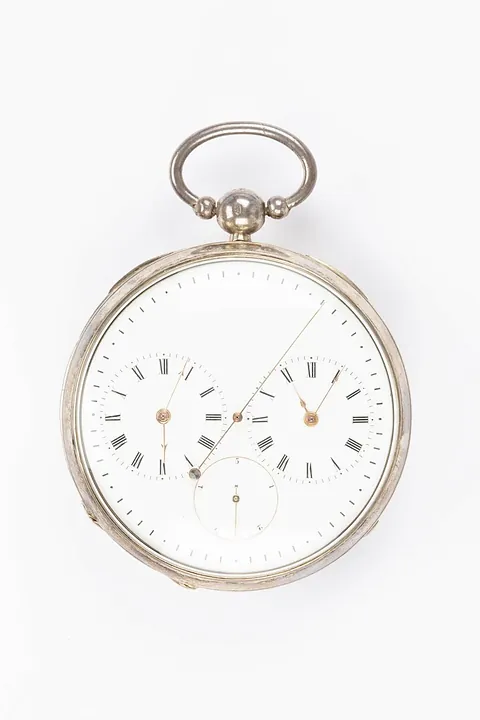
Pocket Watches · c. 1850
Pocket watch, probably Switzerland, c. 1850 (no. 58079)
German Clock Museum
Pocket Watches · c. 1850
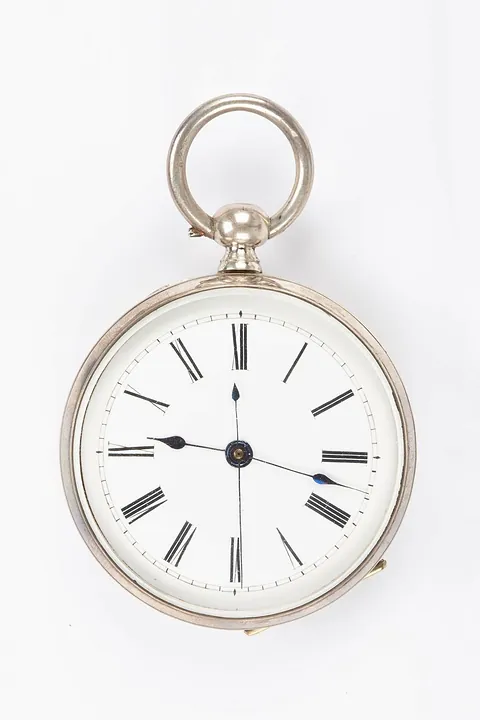
Pocket watch, Switzerland, c. 1850 (no. 58081)
German Clock Museum