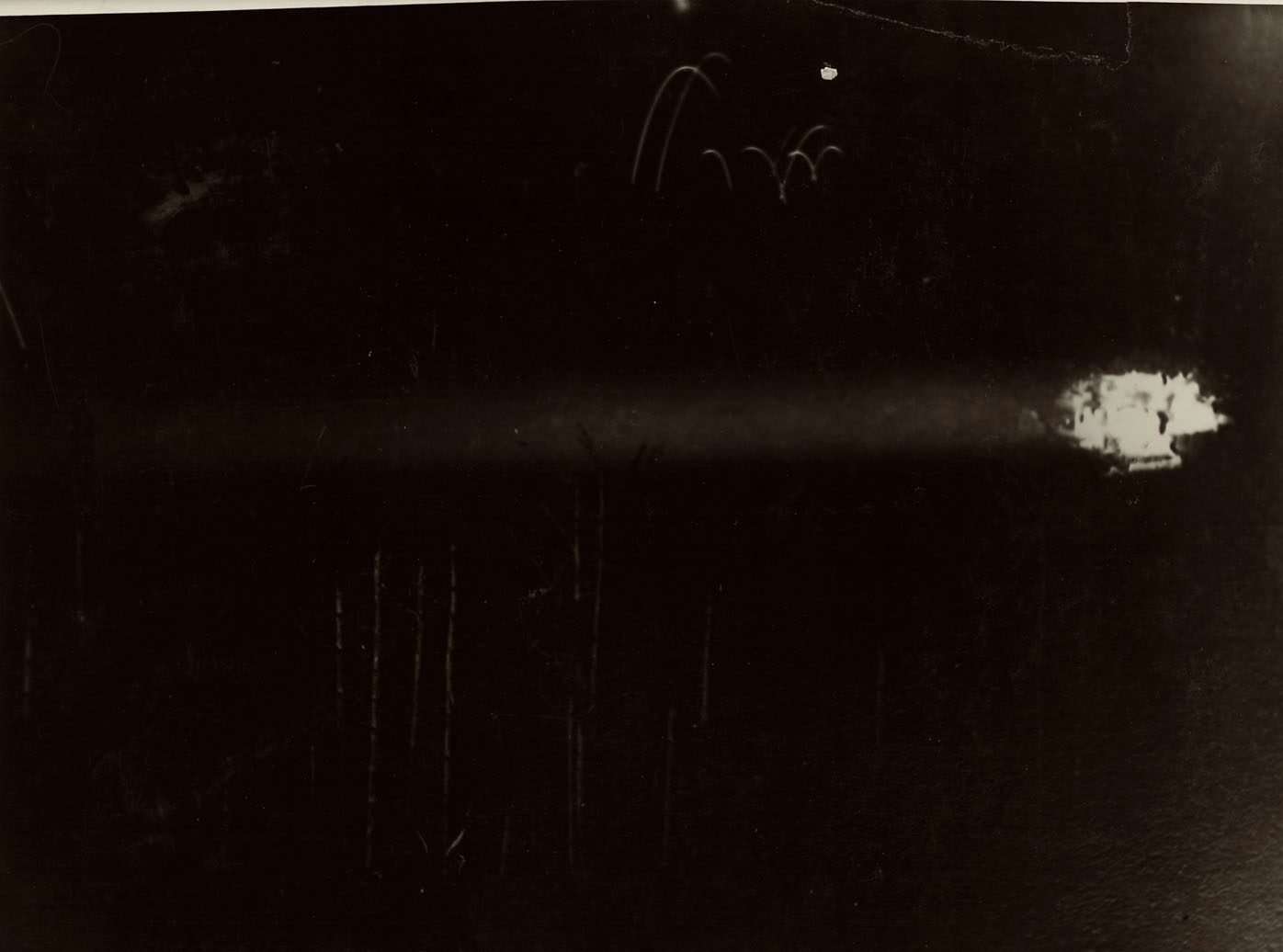
Instruments · Nocturnal
Nocturnal, 1918
- Maker / attribution
- Unrecorded in source
- Date
- 1918
- Historical period
- Golden Age of Mechanical Watchmaking (1900 – 1945)
- Country of origin
- Unrecorded in source
- Object type
- Nocturnal
- Holding institution
- Central Museum of the Risorgimento in Rome
- Accession / object no.
- RM0255_DIG_4001
- Catalogue title (original)
- [Nocturnal rockets and headlights] (English)
Record summary
Held and catalogued by Central Museum of the Risorgimento in Rome (object number RM0255_DIG_4001), this is a nocturnal, dated 1918. The Atlas places it in the Golden Age of Mechanical Watchmaking period (1900 – 1945) of its Instruments collection. The record is illustrated with 1 photograph.
Assembled from the source record's structured fields. Dates and attributions are given as the source states them; where a field is missing the Atlas leaves it blank rather than estimating.
Catalogue description
Catalogue description from Central Museum of the Risorgimento in Rome (English)
Restored by Studio Berselli s.a.s. in Via del Borgo di San Pietro 12, Bologna. Lighting of destroyed houses
Historical context
Golden Age of Mechanical Watchmaking (1900 – 1945)
The wristwatch displaces the pocket watch; waterproof cases, self-winding and grand complications.
Timing instruments became electrical and specialised: industrial time recorders, sports timers and aviation instruments.
Read the period in the timelineMore instruments from this periodEarlier: Industrial Revolution
Atlas type guide
Nocturnals
A nocturnal tells the time at night from the rotation of the stars around the celestial pole. The user sights Polaris through the central hole and turns a long pointer to align with the 'guard' stars of the Little Bear or the 'pointers' of the Great Bear. A calendar scale set to the date converts that angle to the hour.
Nocturnals were used from the sixteenth to the eighteenth century by navigators and travellers. Many are made of boxwood or brass, with tactile teeth on the hour disc so that the time can be counted in the dark.
What to look for
- A central sighting hole and a long index arm.
- Engraved letters such as 'B' (Bear) or 'BB' indicating which constellation to use.
- Teeth on the hour disc with a longer tooth for midnight.
Dating clues
- Most surviving nocturnals date from about 1550 to 1750.
General guidance written by the Atlas editors about this kind of object. It is not a statement about this particular piece; for that, rely on the source record above and on physical examination.
Related records
Instruments · 1880-1920
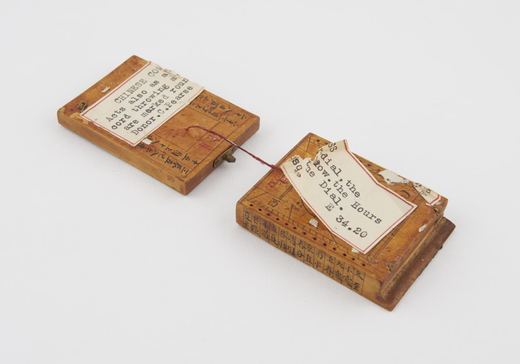
Compass and sundial, two hinged wooden blocks, compass needle set into one, covered with glass windows, painted with Chinese characters, Chinese, 1880-1920
Science Museum Group, London
Instruments · 1890-1930
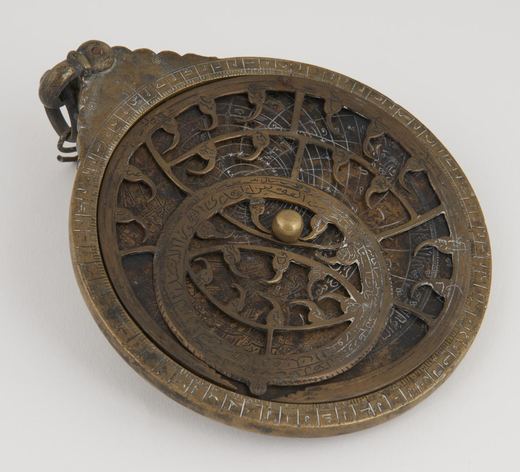
Decorative fake Islamic astrolabe with four plates and sightless alidade, pin missing.
Science Museum Group, London
Instruments · 1890-1930
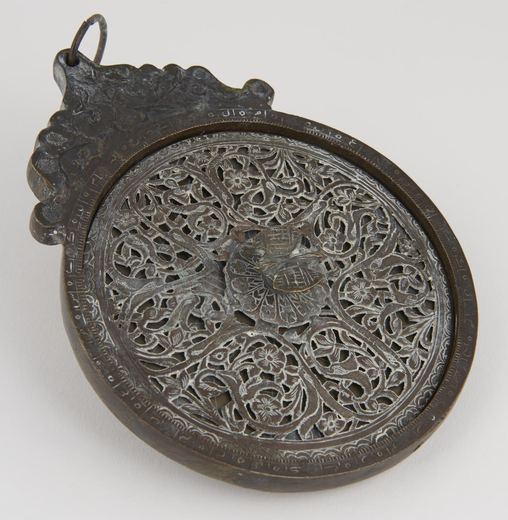
Decorative fake Islamic astrolabe, Arabic origin, brass, with four plates and foliate cover.
Science Museum Group, London
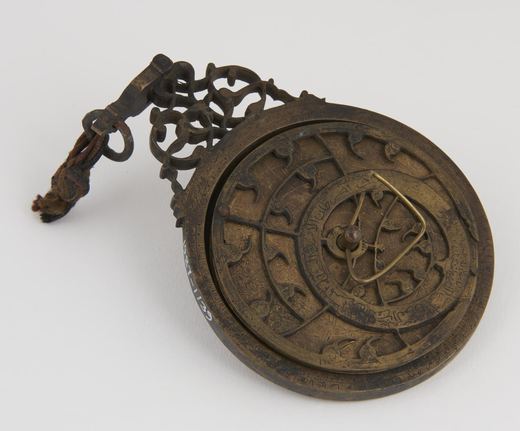
Instruments · 1890-1930
Decorative fake Islamic astrolabe, brass, with four plates, cursive kursi, and sightless alidade, pin missing.
Science Museum Group, London
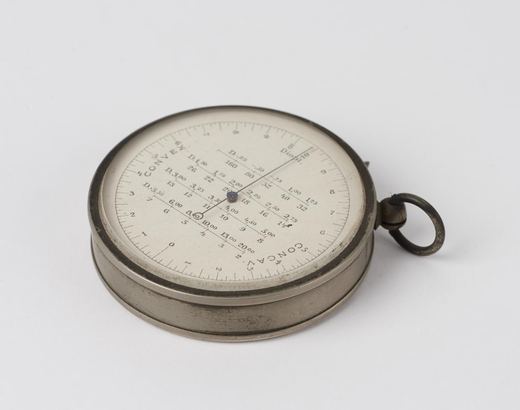
Instruments · 1890-1945
Optometer(?), stop-watch form, scaled circular face to measure concanity,[.........] of lenses, English, 1890-1945
Science Museum Group, London
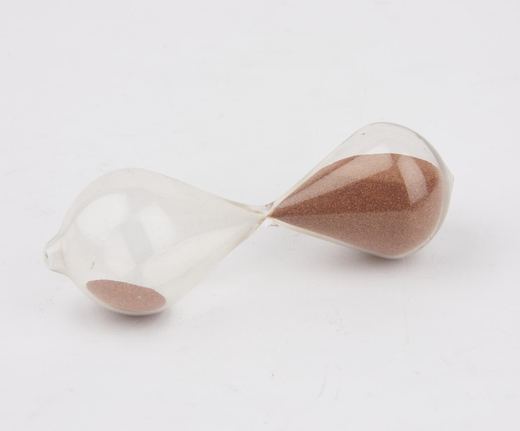
Instruments · 1890-1950
Single sand-glass unmounted, showing complete seal. 15 mins. Abbot Horne. No. Type C., 1890-1950
Science Museum Group, London
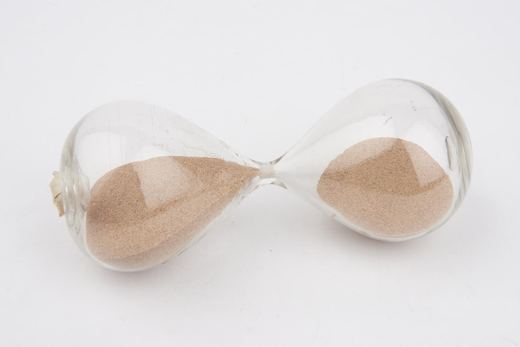
Instruments · 1890-1950
Single sand-glass unmounted, showing corked entry hole. 2 1/2 mins. Abbot Horne. Type B, 1890-1950
Science Museum Group, London
Instruments · 1900–1950
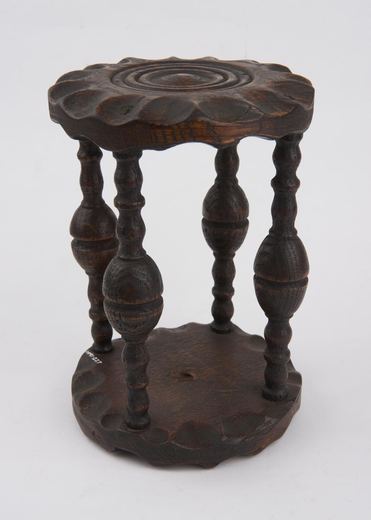
Reproduction of a "Jacobean" sand-glass mount in oak, possibly by Pearson-Page. English, early 20th century
Science Museum Group, London