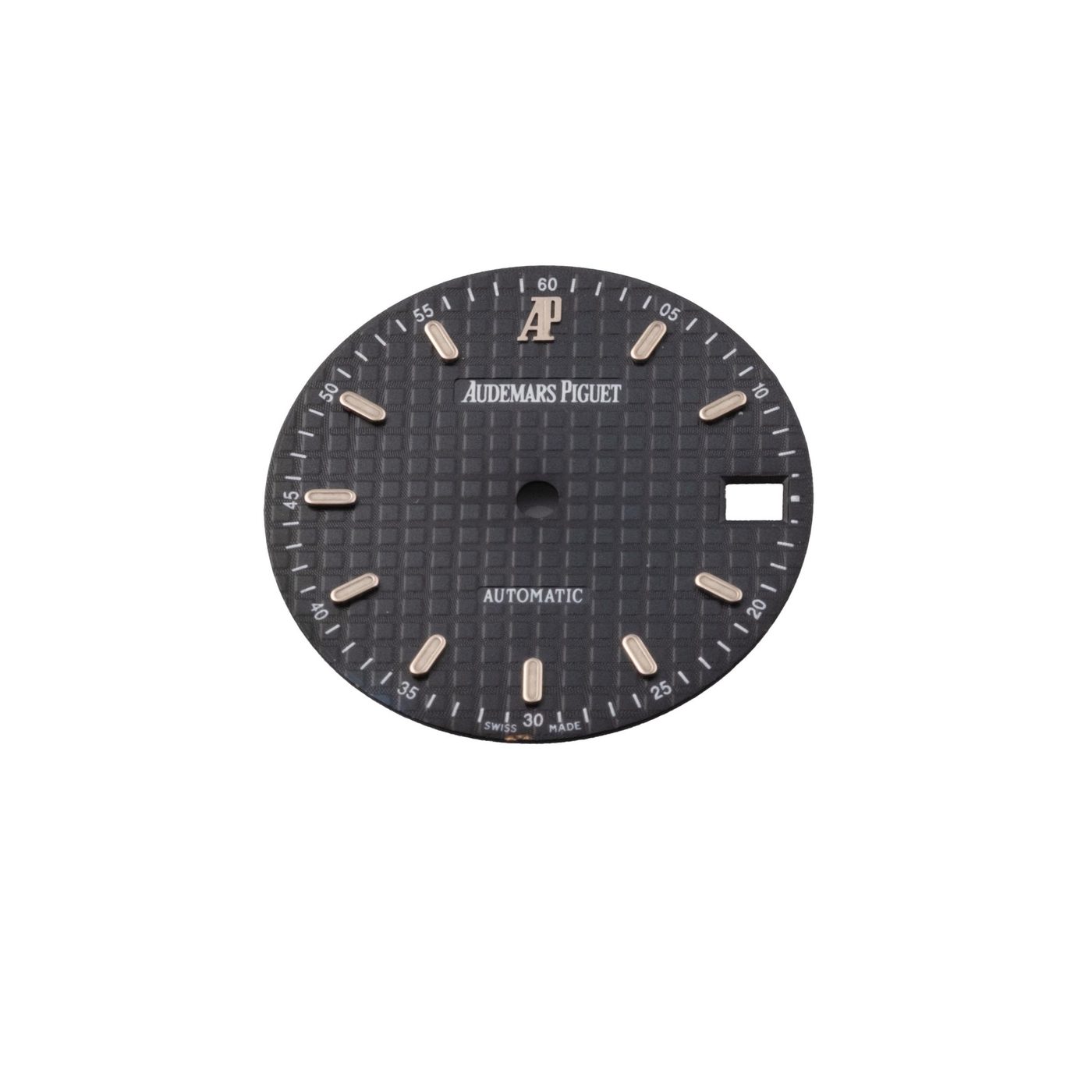
Movements & Components · Watch dial
Audemars Piguet Royal Oak, ref. 14790, circa 2000
- Maker / attribution
- Audemars Piguet (brand / maker)
- Date
- circa 2000
- Historical period
- Mechanical Renaissance (1990 – 2010)
- Country of origin
- Switzerland
- Object type
- Watch dial
- Dimensions
- 26,5mm.
- Auction house
- Antiquorum auction archive, Geneva
- Lot
- Lot 371-13
- Credit line
- Auction lot record: LOT 13
- Catalogue title (original)
- AUDEMARS PIGUET, SWITZERLAND, REF. 14790, ROYAL OAK, ONE DIAL
Record summary
Catalogued by Antiquorum auction archive, Geneva (lot Lot 371-13), this is a watch dial by Audemars Piguet, made in Switzerland, dated circa 2000. The Atlas places it in the Mechanical Renaissance period (1990 – 2010) of its Movements & Components collection. Recorded dimensions: 26,5mm. The record is illustrated with 1 photograph.
Assembled from the source record's structured fields. Dates and attributions are given as the source states them; where a field is missing the Atlas leaves it blank rather than estimating.
Catalogue description
Antiquorum catalogue description
A fine and rare, dial for the Royal Oak reference 14790
Lot specifications (Antiquorum)
Signature: Dial
Historical context
Mechanical Renaissance (1990 – 2010)
Mechanical watches return as cultural objects; independent watchmaking flourishes.
New mechanical calibres, co-axial and other escapements, and silicon components renewed mechanical movement design.
Read the period in the timelineMore movements & components from this periodEarlier: Quartz Revolution
Atlas type guide
Dials and hands
Dials record both fashion and technology. Early watches had engraved metal dials; champlevé dials with raised numerals dominated around 1680–1730, followed by white vitreous enamel, guilloché gold and silver dials, and printed metal dials in the twentieth century. Luminous paints — radium from c. 1910, tritium from c. 1960 and non-radioactive pigments from the late 1990s — answered the need for legibility in the dark.
Because dials are visible and easily damaged, they were often restored or replaced. Distinguishing original dials from 'redials', and original hands from later replacements, is one of the main tasks of identification and authentication.
What to look for
- Enamel hairlines, chips and the quality of painted numerals.
- Signatures and Swiss-made markings ('Swiss', 'Swiss Made', 'T Swiss T') at the bottom edge.
- Lume colour and condition, which should match between hands and dial.
- Dial feet and their positions on the reverse, which must match the movement.
Dating clues
- Champlevé metal dials: c. 1680–1730.
- 'Swiss Made' dial markings became usual after the 1950s; 'T Swiss T' indicates tritium (c. 1960–1998).
General guidance written by the Atlas editors about this kind of object. It is not a statement about this particular piece; for that, rely on the source record above and on physical examination.
Related records
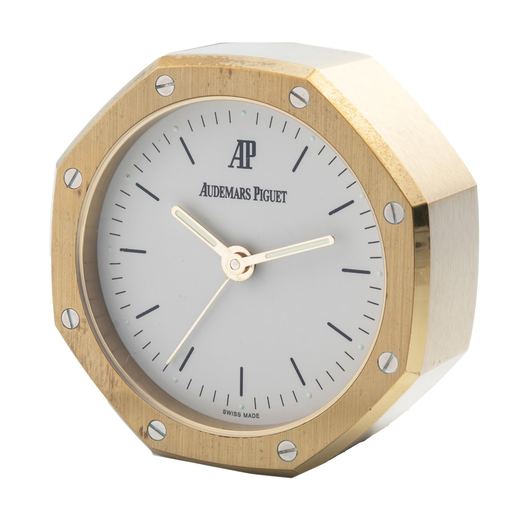
Clocks · circa 1990's
Audemars Piguet Royal Oak, circa 1990's
Antiquorum auction archive, Geneva
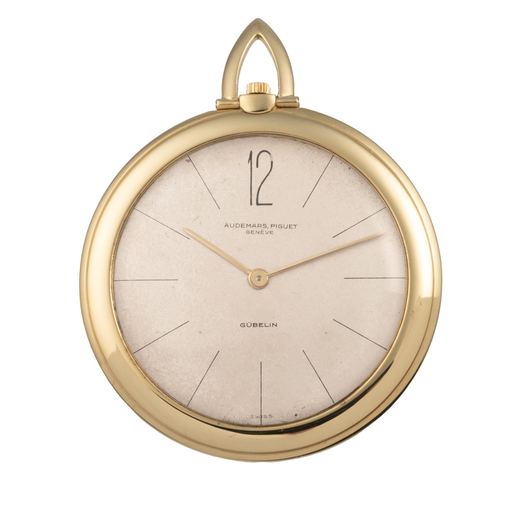
Pocket Watches · circa 1960
Audemars Piguet ''couteau'', circa 1960
Antiquorum auction archive, Geneva
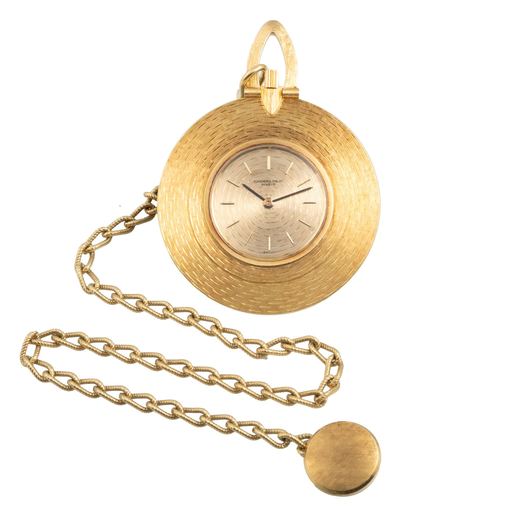
Pocket Watches · sold in November 1961
Audemars Piguet "extra Plate", ref. 5633 BA, sold in November 1961
Antiquorum auction archive, Geneva
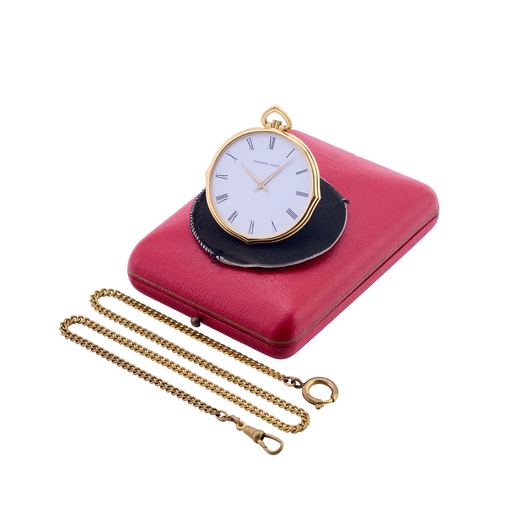
Pocket Watches · circa 1980
Audemars Piguet pocket watch, circa 1980
Antiquorum auction archive, Geneva
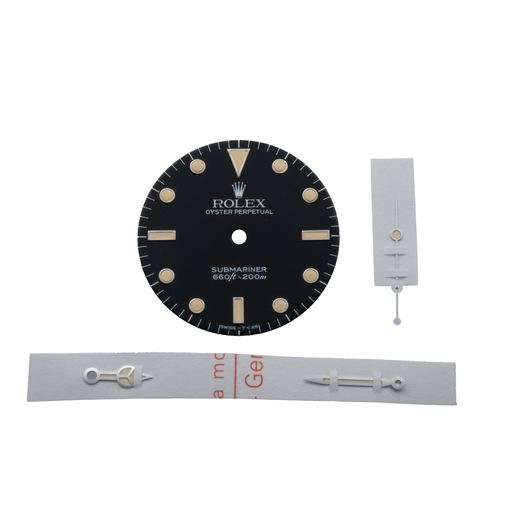
Movements & Components · circa 1990
Rolex watch dial, ref. 5513, circa 1990
Antiquorum auction archive, Geneva
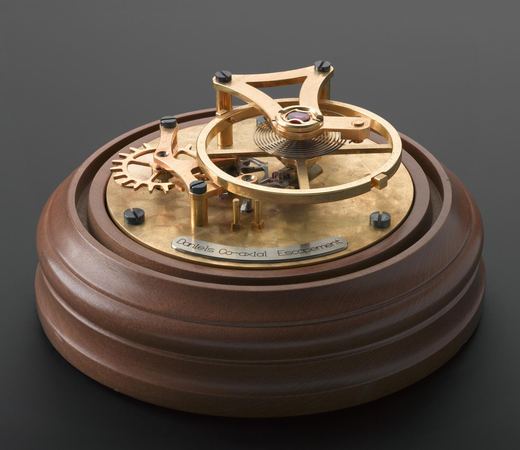
Movements & Components · 1999
Model of coaxial escapement invented by George Daniels CBE (1926-2011), made for him by Omega, Switzerland in 1999.
Science Museum Group, London
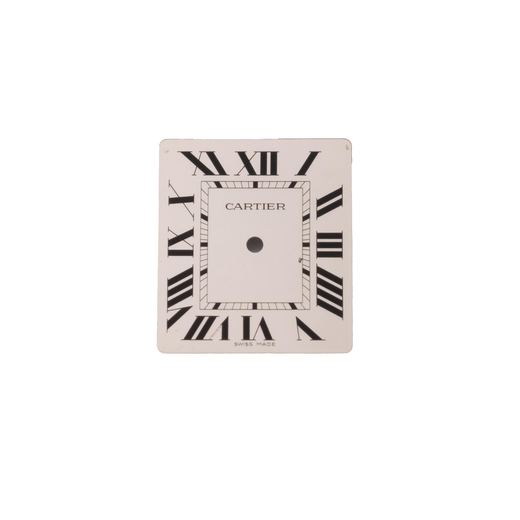
Movements & Components · circa 2000
Cartier watch dial, circa 2000
Antiquorum auction archive, Geneva
Movements & Components · 1993
Clock case, Jasperware with applied reliefs, Josiah Wedgwood and Sons, Barlaston, 1993 (V&A WE.18534-2014)
Victoria and Albert Museum, London