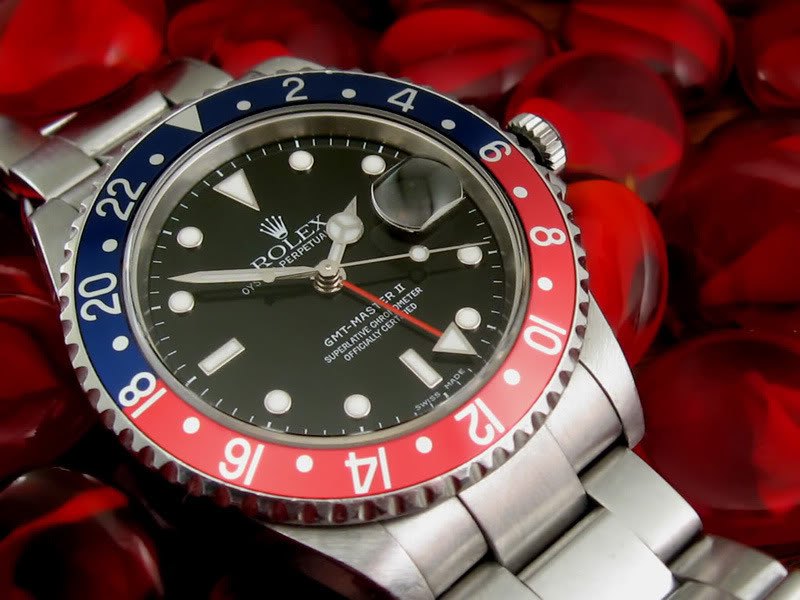
Complication
GMT / dual time
Also known as: Second time zone · Zweite Zeitzone
How it works
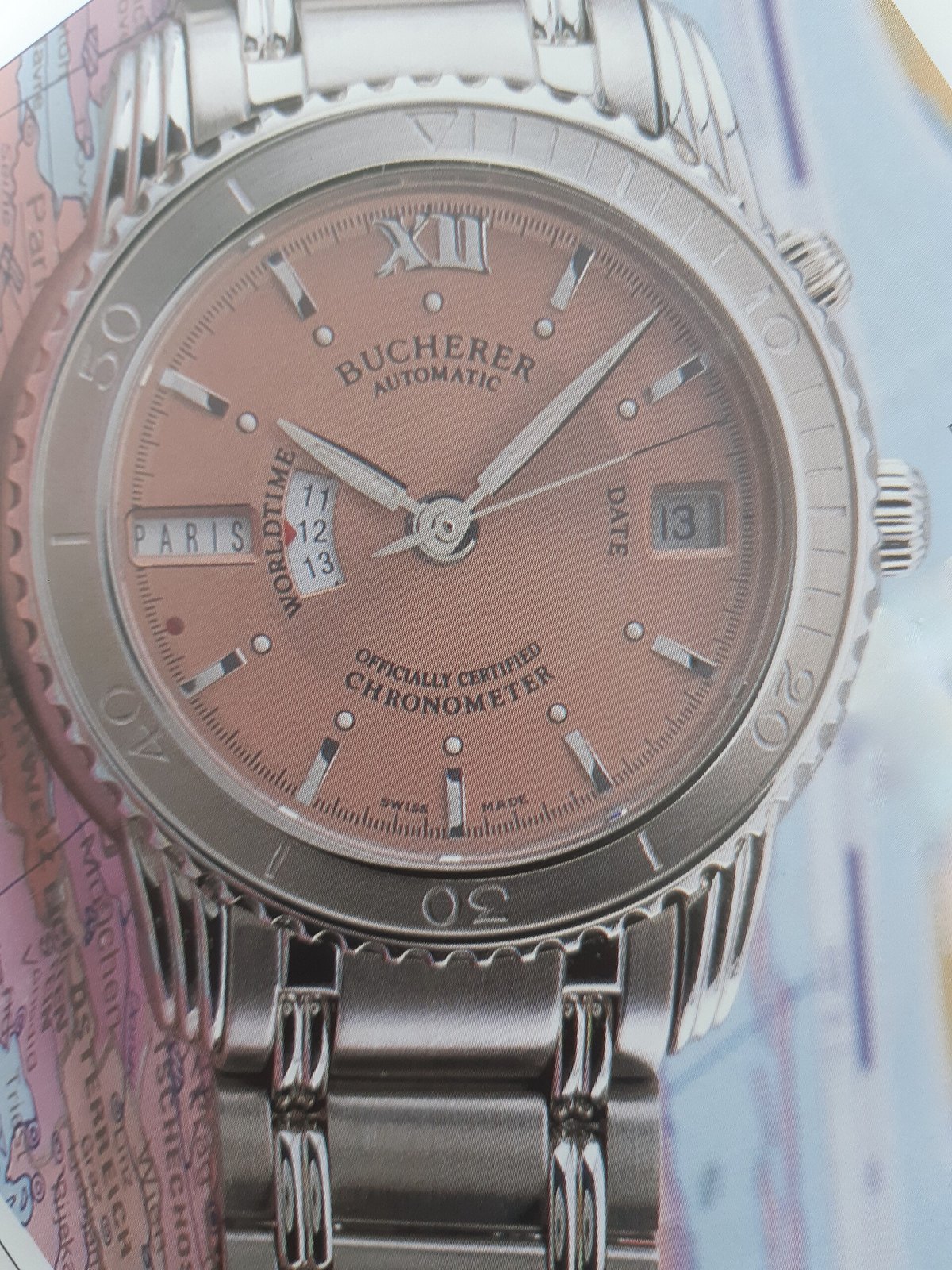
An extra hand rotating once in 24 hours reads against a 24-hour scale (often a rotating bezel), showing a second time zone. In 'true GMT' movements the local hour hand can be jumped in one-hour steps independently.
Why it was invented
Intercontinental jet travel created a need to read home and local time together.
- Invented
- 1950s (wristwatch GMT)
- Credited to
- No single inventor documented
- Historical period
- Modern Mechanical Horology
History and development
Rolex introduced the GMT-Master (reference 6542) in the mid-1950s, associated with Pan American World Airways crews. Dual-time displays were also made in pocket watches for travellers.
Related mechanisms
In the catalogue
All 13 records →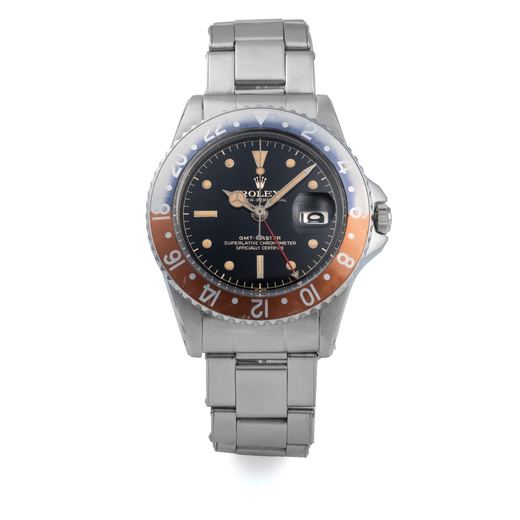
Wristwatches · 1960
Rolex Gmt-Master, ref. 1675, 1960
Antiquorum auction archive, Geneva
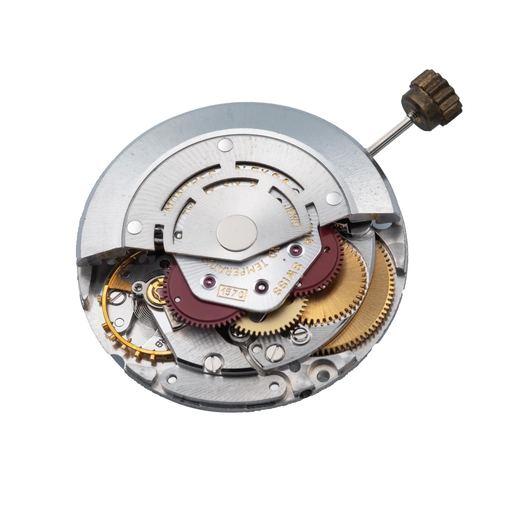
Movements & Components · circa 1970's
Rolex watch movement, circa 1970's
Antiquorum auction archive, Geneva
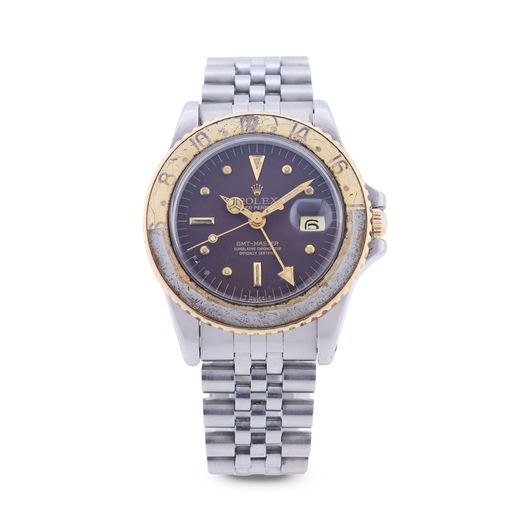
Wristwatches · circa 1972
Rolex GMT Master, ref. 1675, circa 1972
Antiquorum auction archive, Geneva
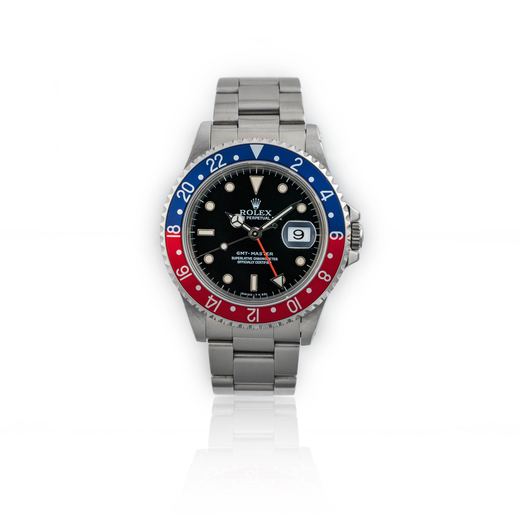
Wristwatches · circa 1996
Rolex GMT Master, ref. 16700, circa 1996
Antiquorum auction archive, Geneva
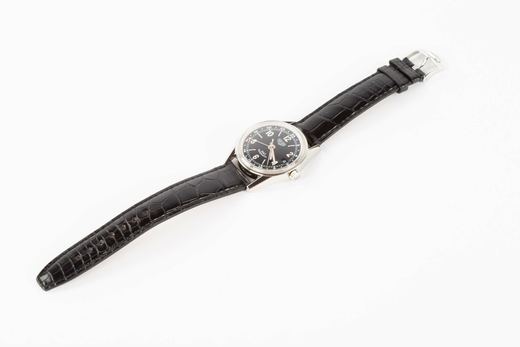
Wristwatches · 2000
Wristwatch by Eduard Heuer, Switzerland, 2000
German Clock Museum
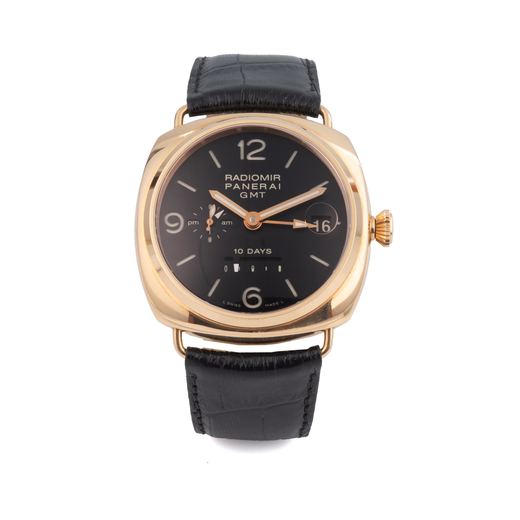
Wristwatches · circa 2007
Officine Panerai Radiomir Gmt, ref. 06706, circa 2007
Antiquorum auction archive, Geneva
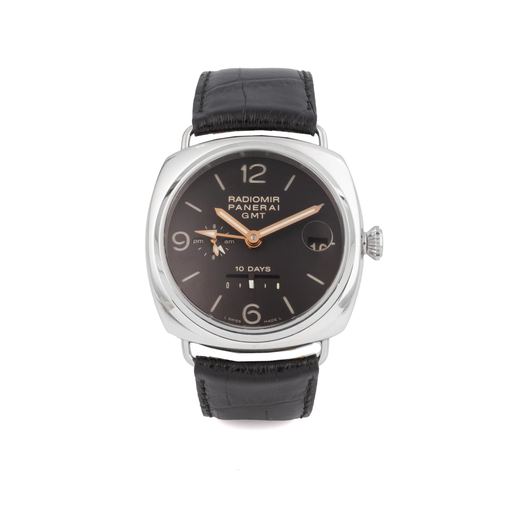
Wristwatches · circa 2007
Officine Panerai Radiomir Gmt, ref. PAAM00274, circa 2007
Antiquorum auction archive, Geneva
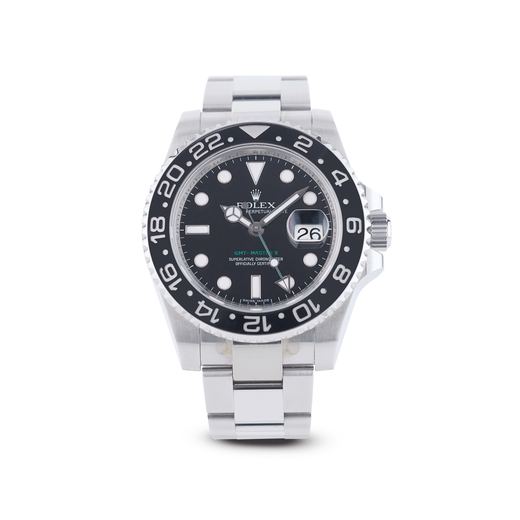
Wristwatches · Sold in July 2nd, 2007
Rolex Gmt-Master II, ref. 116710LN, Sold in July 2nd, 2007
Antiquorum auction archive, Geneva
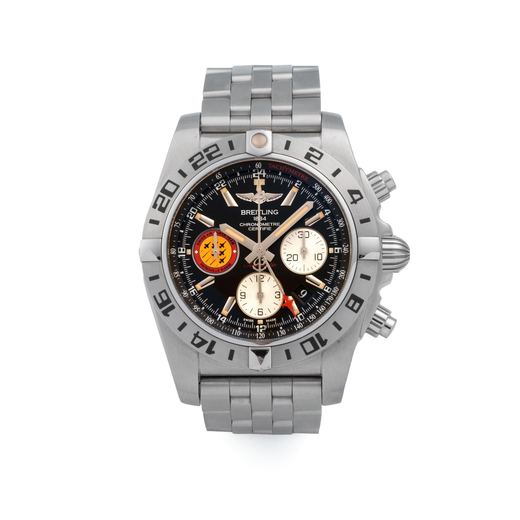
Wristwatches · circa 2014
Breitling Chronomat 44 GMT, ref. AB 0420, circa 2014
Antiquorum auction archive, Geneva
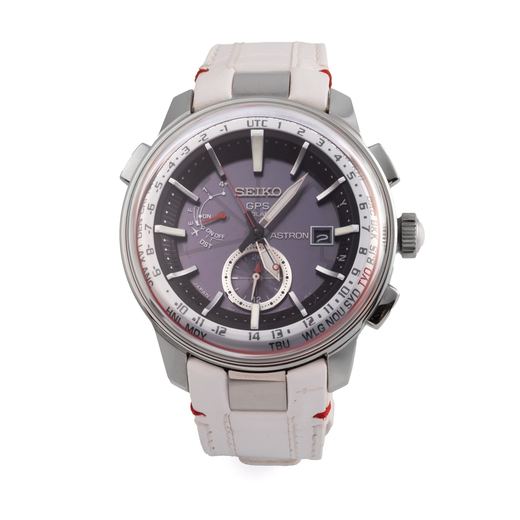
Wristwatches · sold in 2014
Seiko Astron GPS Solar, ref. SBXA045, sold in 2014
Antiquorum auction archive, Geneva
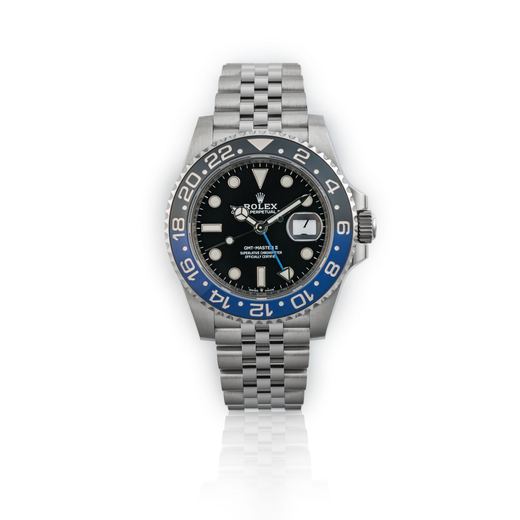
Wristwatches · circa 2015
Rolex GMT Master Batgirl, ref. 126710BLNR, circa 2015
Antiquorum auction archive, Geneva
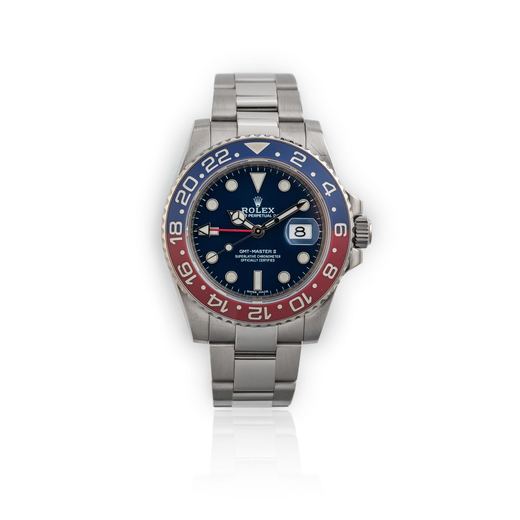
Wristwatches · circa 2018
Rolex GMT Master White Gold, ref. 116719 BLRO, circa 2018
Antiquorum auction archive, Geneva
Records are linked when the holding institution's description names this mechanism; check each source record for confirmation.