The Horology Museum
The Catalogue
Matching records
15 records · page 1 of 1
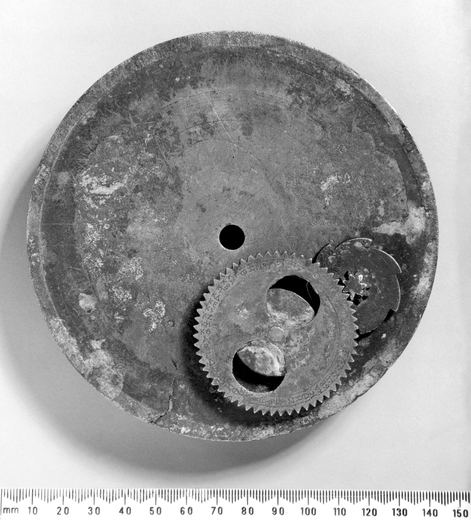
Instruments · 400-600
Sundial, Greece, 400-600
Science Museum Group, London
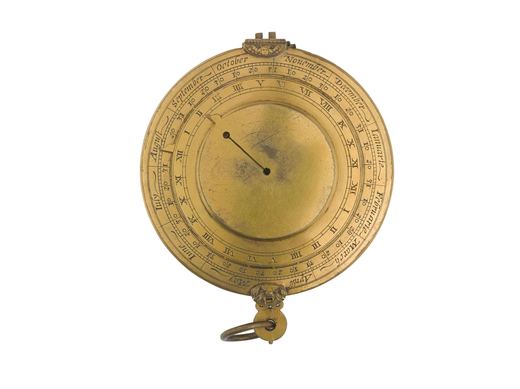
Instruments · 1630-1653
Sundial by Allen, Elias, England, 1630-1653
Science Museum Group, London
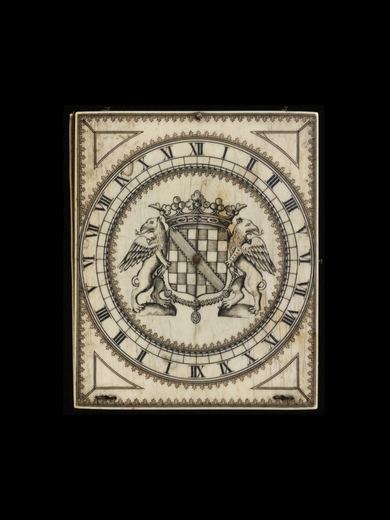
Instruments · ca. 1641 - ca. 1674
Sundial by Robert Henri, Marseilles, ca. 1641 - ca. 1674
Victoria and Albert Museum, London
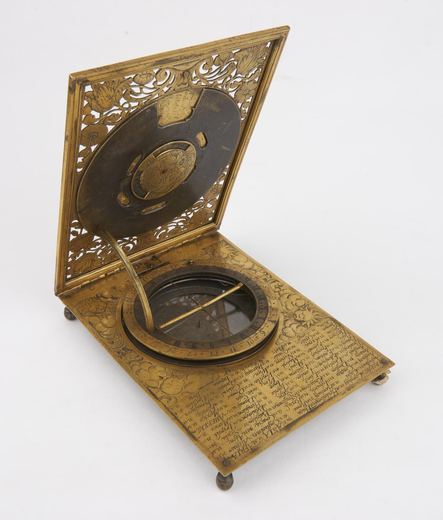
Instruments · 1677
Sundial by Köhler, Christopher, Germany, 1677
Science Museum Group, London
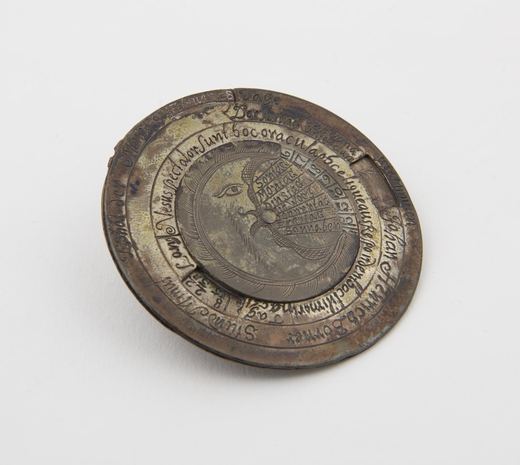
Instruments · 1693
Portable sundial and perpetual calendar, by Johann Henrich Börner, Germany, 1693.
Science Museum Group, London
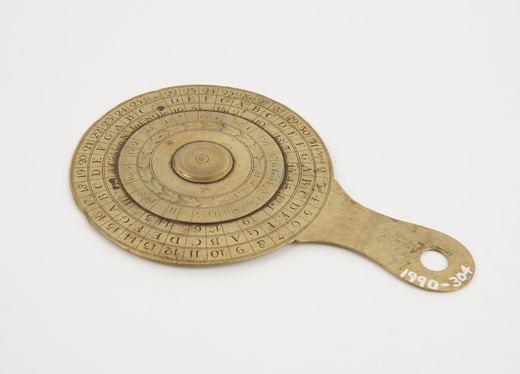
Instruments · 1700–1799
A perpetual calendar in brass for determining the dates of Easter in the Julian and the Gregorian calendar. Signed "Hartston Fecit", English, 18th century
Science Museum Group, London
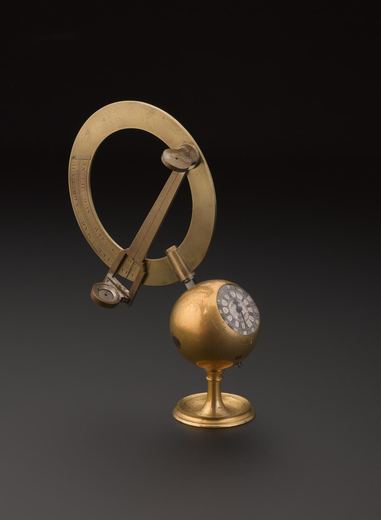
Instruments · 1701-1752
Mechanical equinoctial sundial
Science Museum Group, London
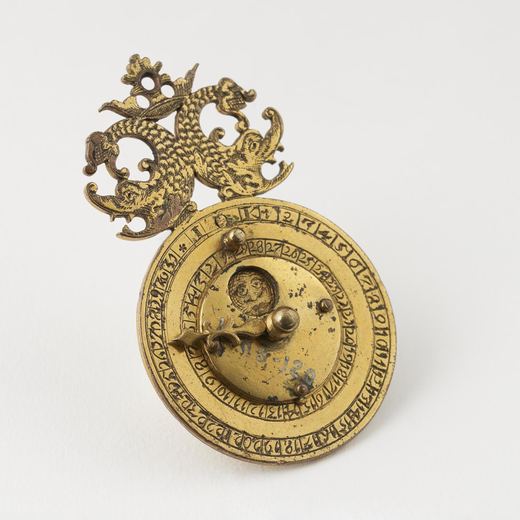
Instruments · 1701-1800
Perpetual calendar, gilt metal, 2½ x 9/16-inches, Germany, 1701-1800.
Science Museum Group, London
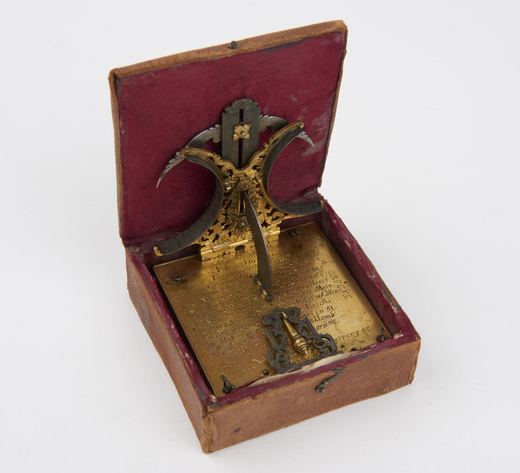
Instruments · 1703-1726
Universal equatorial sundial, crescent-shaped with perpetual calendar, gilt and silvered metal, inscribed "Johannes Willebrand Augsburg 48", in case
Science Museum Group, London
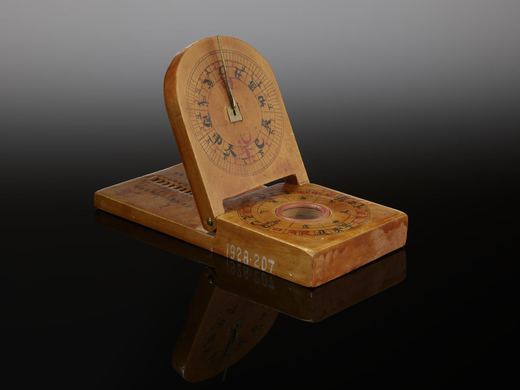
Instruments · 1770-1880
Sundial, China, 1770-1880
Science Museum Group, London
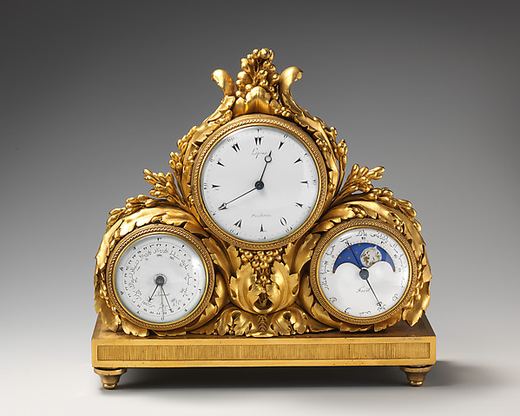
Instruments · last quarter 18th century
Clock by Jean Antoine Lépine, France, last quarter 18th century
The Metropolitan Museum of Art, New York
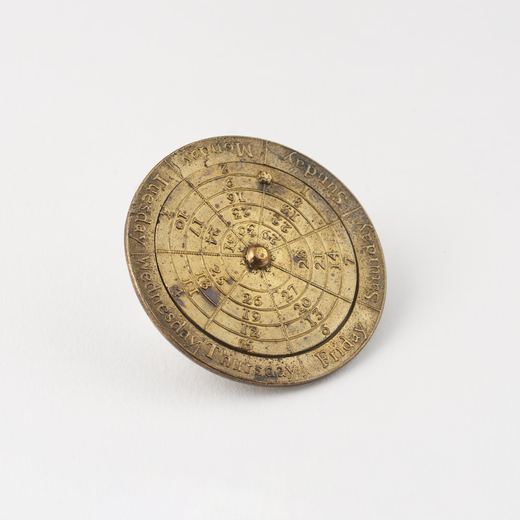
Instruments · 1790-1860
Perpetual calendar, brass, unsigned, England, 1790-1860.
Science Museum Group, London
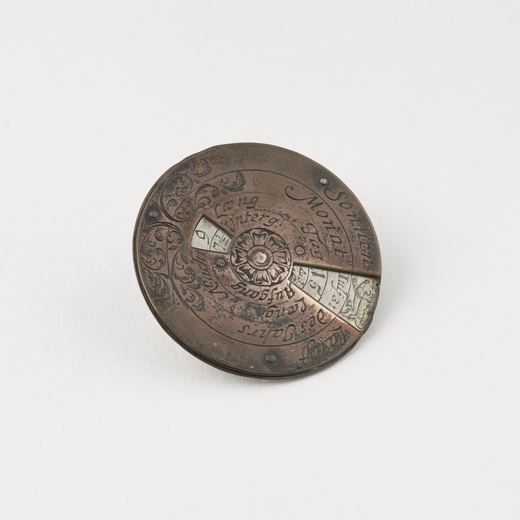
Instruments · 1790-1860
Perpetual calendar, silver, 1 3/8-inch diameter, Germany, 1790-1860.
Science Museum Group, London
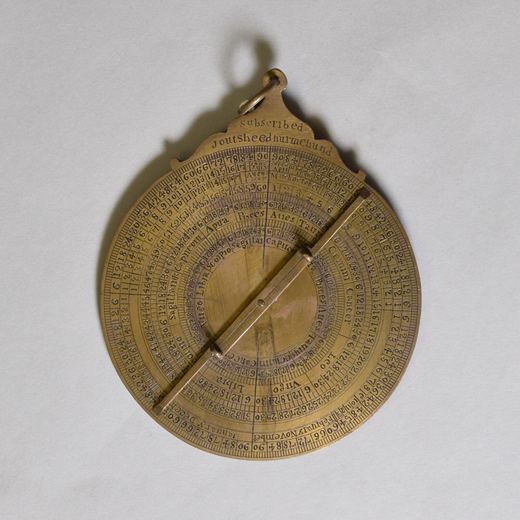
Instruments · early 19th century
With astrological signs; Astronomy, brass, incised, W India, early C19
Victoria and Albert Museum, London
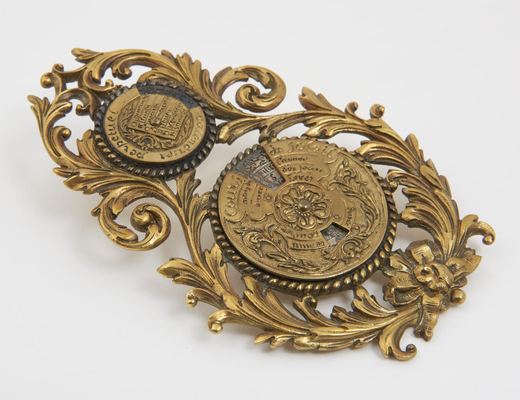
Instruments · 1801-1830
Perpetual Calendar, brass scroll-work chased. Revolving plates silvered. Length 5 3/8-inches. Made in France, 1801-1830.
Science Museum Group, London