The Horology Museum
The Catalogue
Matching records
107 records · page 1 of 5
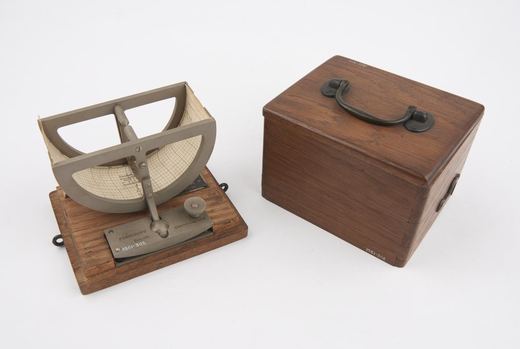
Instruments · 183
Ferguson solar chronometer, Serial Number: 183 Registered No. 576942
Science Museum Group, London
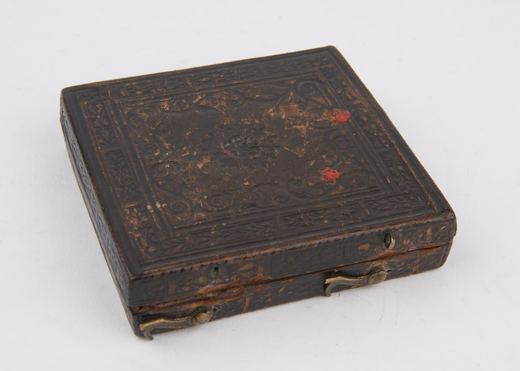
Instruments · 1568-1590
Original leather case for silver altitude sundial, made by Humfrey Cole, London, 1568-1590.
Science Museum Group, London
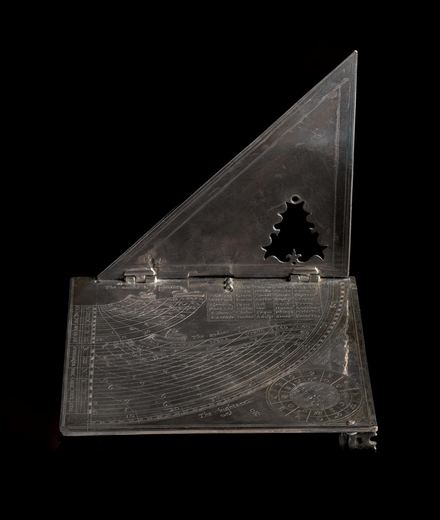
Instruments · 1568-1590
Silver altitude sundial made and signed by Humfray Cole, London, 1568-1590. It was made for use in latitude 51°30 secs, in which London is located
Science Museum Group, London
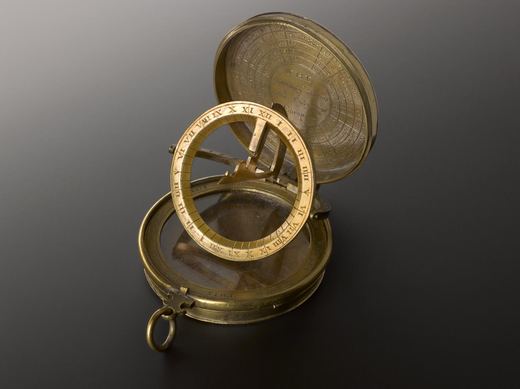
Instruments · 1588
Sundial by Ryther, A. (maker), England, 1588
Science Museum Group, London
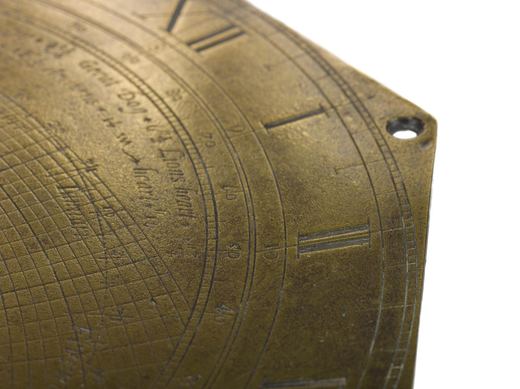
Instruments · 1607-1653
Sundial by Allen, Elias, England, 1607-1653
Science Museum Group, London
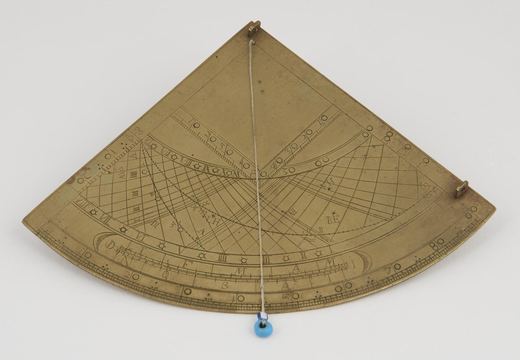
Instruments · 1623-1700
Armillary / astronomical instrument, England, 1623-1700
Science Museum Group, London
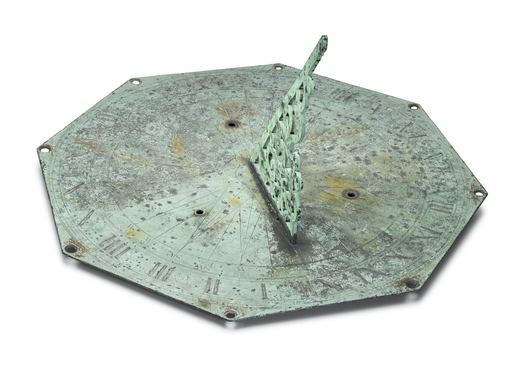
Instruments · 1625-1635
A very high quality horizontal sundial, set out to show individual minutes and signed ‘Elias Allen fecit’. London, c.1630
Science Museum Group, London
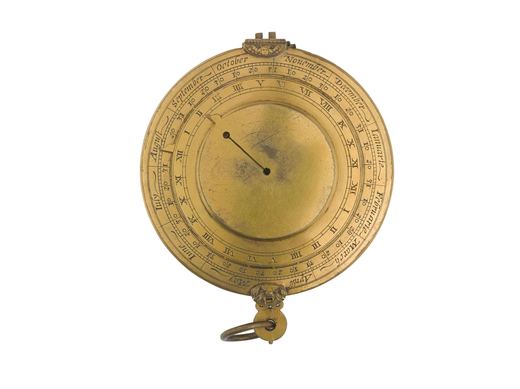
Instruments · 1630-1653
Sundial by Allen, Elias, England, 1630-1653
Science Museum Group, London
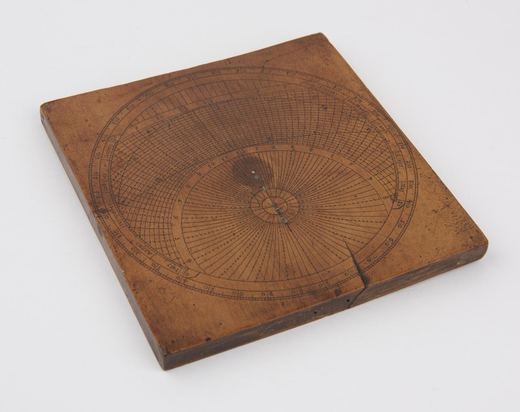
Instruments · 1636-1700
Sundial incomplete: gnomon missing: wood, 5" square, 1636-1700
Science Museum Group, London
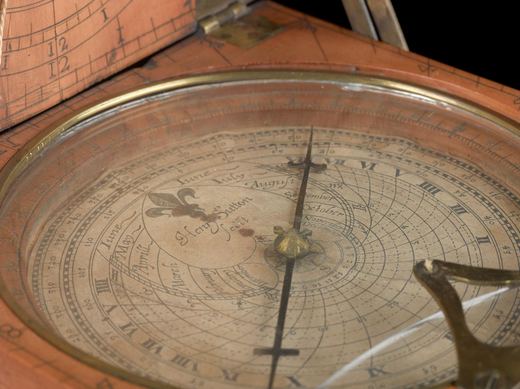
Instruments · 1650-1665
Folding pocket compass and sundial in boxwood case made by Henry Sutton, Threadneedle Street, London, 1650-1665.
Science Museum Group, London
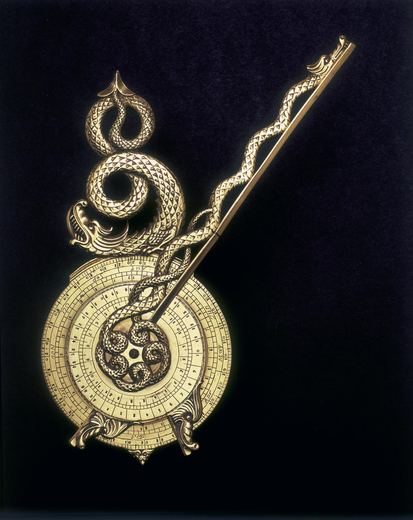
Instruments · 1650-1749
Nocturnal, brass, gilt, diameter of flanged plate 4 in. Handle and pointer in form of serpents, English, late 17th or 18th century with later case
Science Museum Group, London
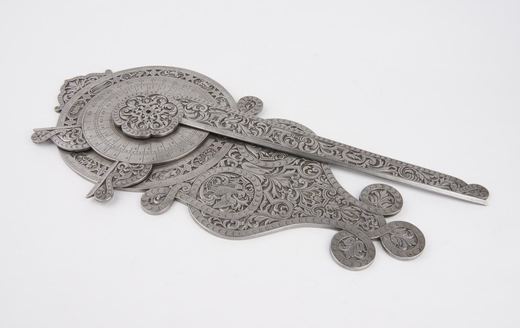
Instruments · 1650–1699
Nocturnal, iron, English late 17th century. (18-79) V & A M. register.
Science Museum Group, London
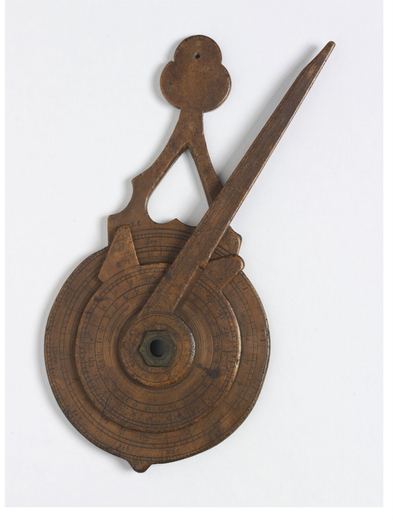
Instruments · 1680-1720
Engraved applewood nocturnal, a maritime device for telling the time at night from the stars. English, 1680-1720.
Victoria and Albert Museum, London
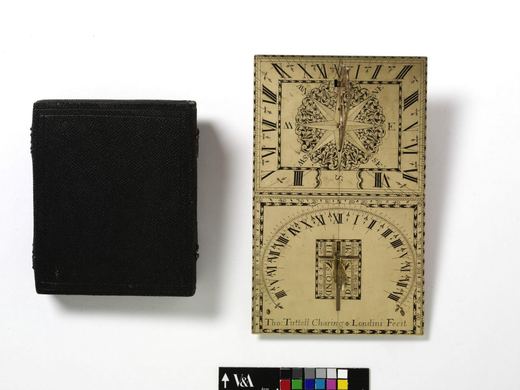
Instruments · 1695-1702
Brass sundial and shagreen case, England, 1695-1702, Thomas Tuttell.
Victoria and Albert Museum, London
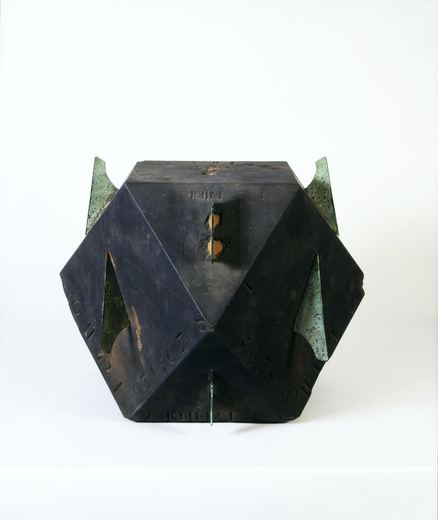
Instruments · ca. 1700
Sundial, stone, from the village of Ryhope, Sunderland, North England, ca. 1700
Victoria and Albert Museum, London
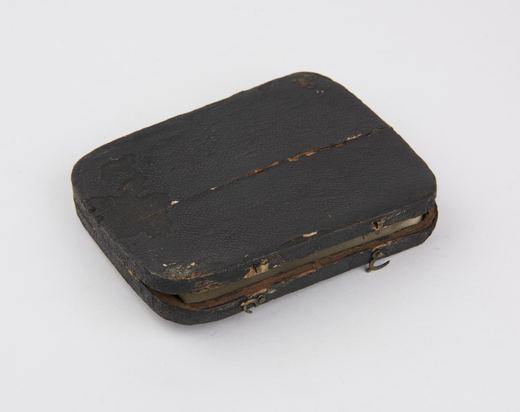
Instruments · 1698-1702
Analemmatic sundial, brass, by Tuttell, London, England, 1698-1702 (gnomons imperfect) with case.
Science Museum Group, London
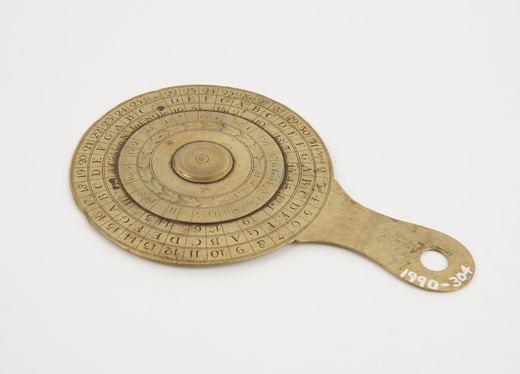
Instruments · 1700–1799
A perpetual calendar in brass for determining the dates of Easter in the Julian and the Gregorian calendar. Signed "Hartston Fecit", English, 18th century
Science Museum Group, London
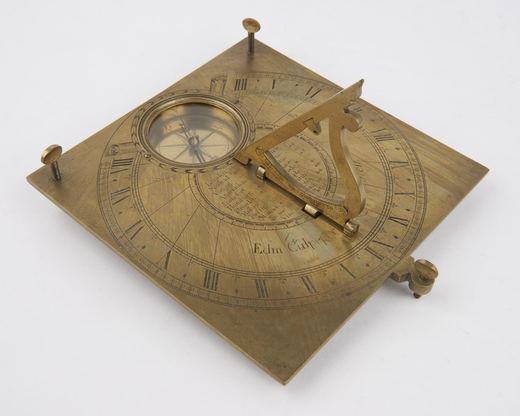
Instruments · 1700-1737
Sundial by Edmund Culpeper, 6-inch azimuth dial signed: "edm, Culpeper, London, fecit" square plate on 3 levelling screws
Science Museum Group, London
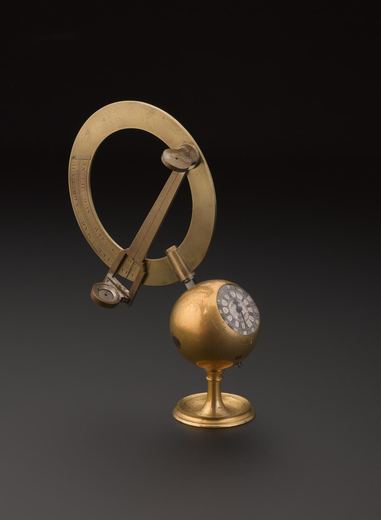
Instruments · 1701-1752
Mechanical equinoctial sundial
Science Museum Group, London
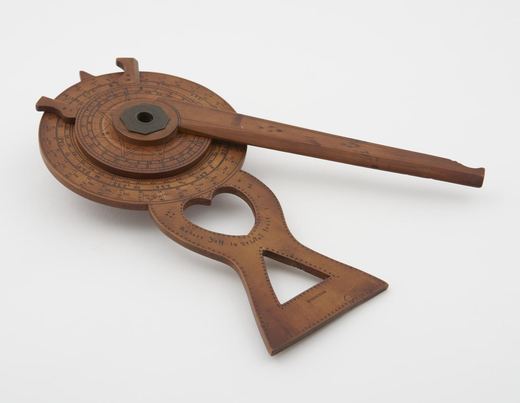
Instruments · 1702
Nocturnal boxwood and brass, by Robert Yeff, Bristol, England, dated 1702. Owner and user thought to be E. Dartnell
Science Museum Group, London
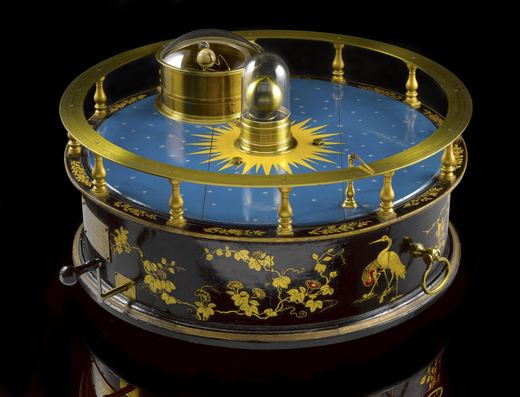
Instruments · 1712-1713
Orrery, tellurium or planetary model, c. 1712, made for Charles Boyle, the fourth Earl of Orrery by John Rowley, Fleet Street, London.
Science Museum Group, London
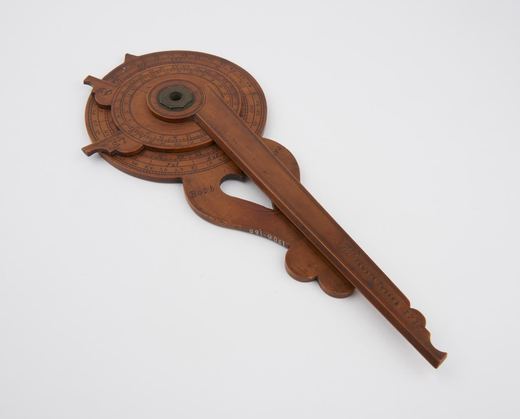
Instruments · 1713
Nocturnal, wood, stamped "Mr Edward Tyzack 1713", Bristol, England
Science Museum Group, London
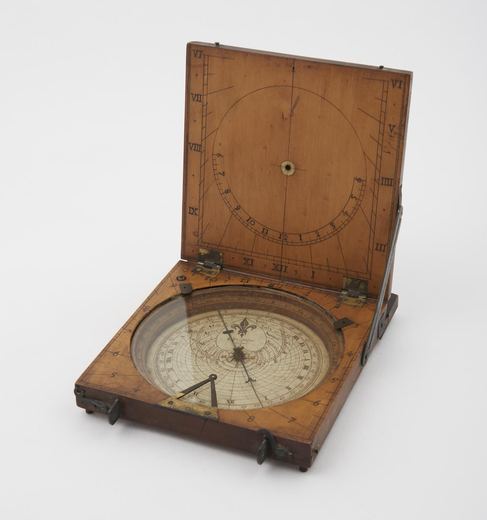
Instruments · 1731-1776
Azimuth compass sundial by James Ferguson, London, England, 1731-1776. Could also be used as a tablet sundial - string gnomon is missing (see note).
Science Museum Group, London
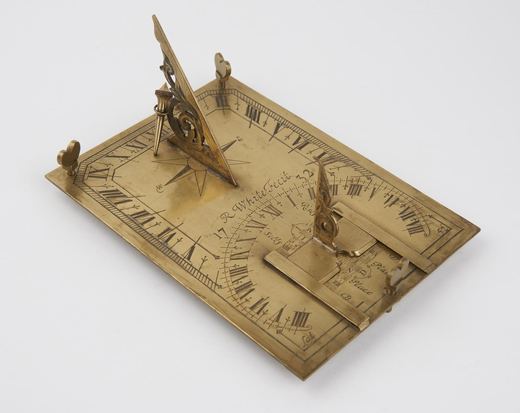
Instruments · 1732
Brass analemmatic sundial, made by R.White, in 1732 constructed for latitude 52[o], England, United Kingdom
Science Museum Group, London