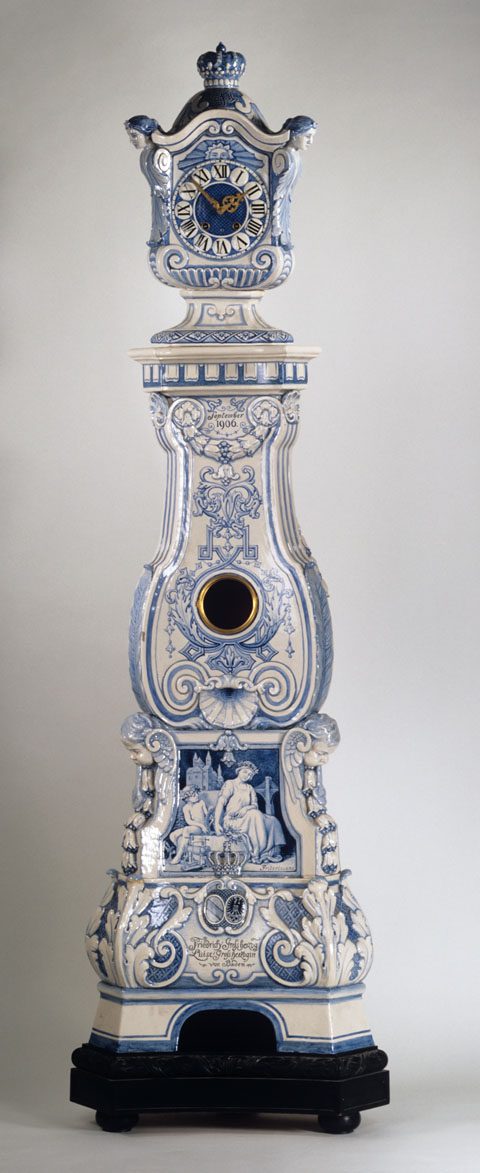
Clocks · Longcase clock
Longcase clock by Staatliche Majolika-Manufaktur Karlsruhe, Germany, 1900–1999
- Maker / attribution
- Staatliche Majolika-Manufaktur Karlsruhe (creator); Wilhelm Süs ( - ) (creator)
- Date
- 1900–1999
- Historical period
- Modern Mechanical Horology (1945 – 1969)
- Country of origin
- Germany
- Place
- Germany
- Object type
- Longcase clock
- Holding institution
- Badisches Landesmuseum Karlsruhe
- Accession / object no.
- item_JKIOBCOPBWPPVTLDTC7OB7AGCXMUXBC7
- Catalogue title (original)
- Standuhr (95/1198) (German)
Record summary
Held and catalogued by Badisches Landesmuseum Karlsruhe (object number item_JKIOBCOPBWPPVTLDTC7OB7AGCXMUXBC7), this is a longcase clock by Staatliche Majolika-Manufaktur Karlsruhe, made in Germany, dated 1900–1999. The Atlas places it in the Modern Mechanical Horology period (1945 – 1969) of its Clocks collection. The record is illustrated with 1 photograph.
Assembled from the source record's structured fields. Dates and attributions are given as the source states them; where a field is missing the Atlas leaves it blank rather than estimating.
Catalogue description
Catalogue description from Badisches Landesmuseum Karlsruhe (German)
Die Fayence-Standuhr besteht aus einem hohen, geschwungenen, mehrfach abgesetzten Gehäuse im Barockstil, das sich über einem schwarzen Holzsockel erhebt. Sie ist reich mit plastischen Puttenköpfen, Blütengirlanden, Akanthusblättern, Muscheln und Spiralen dekoriert. Das Zifferblatt mit römischen Ziffern wird flankiert von zwei weiblichen Hermen als Allegorien von Tag und Nacht. Im unteren Teil der Uhr zeigt ein Bildfeld allegorische Figuren der Technik (bekränzter nackter Knabe mit Zahnrad, Mikroskop und Apparaturen) und Wissenschaft oder der Kunst (Jungfrau mit Lorbeerkranz). Im Hintergrund sind der Speyrer Dom mit dem von Heinrich Hübsch wiedererrichteten Westwerk und eine Eisenbrücke zu sehen. Unter dem Bildfeld steht das Allianzwappen Baden und Preußen und die Inschrift: "Friedrich Großherzog Luise Großherzogin von Baden". Das Werk: Rechteckiges Achttage-Federzugwerk von Lenzkirch; Grahamhemmung, federaufgehängtes Pendel. Halbstundenschlag auf Glocke, Rechenschlagwerk. Die Uhr ist ein Geschenk der Technischen Hochschule Karlsruhe zum 80. Geburtstag des Großherzogs Friedrich I. von Baden (1826-1907) und zur Goldenen Hochzeit von Friedrich und Großherzogin Luise (1838-1923). Sie wurde anlässlich eines Empfangs am 21. September 1906 überreicht. Neben Kandern im südlichen Baden gab es in Karlsruhe ab 1901 eine für die Jugendstilkunst wichtige Keramikwerkstätte. Auf Betreiben des damaligen Leiters der Karlsruher Kunsthalle, des Malers Hans Thoma, gründete Großherzog Friedrich I. die Großherzogliche Majolika-Manufaktur in seiner Residenzstadt. Er berief den Maler, Graphiker und Keramiker Wilhelm Süs, der schon vorher in Kronberg im Taunus eine Kunsttöpferei geleitet hatte, als künstlerischen und technischen Leiter der Manufaktur. Im Gegensatz zu Max Laeuger in Kandern und seinen mehr volkskundlichen Arbeiten orientierte sich Wilhelm Süs an der italienischen Majolika der Renaissance, sowohl hinsichtlich der Technik als auch der Farborientierung und der Themenwahl. Literatur:Monika Bachmayer: Karlsruher Majolika. Die Großherzogliche Majolika-Manufaktur 1901-1927. Die Staatliche Majolika-Manufaktur 1927-1978, Ausstellungskatalog Badisches Landesmuseum Karlsruhe, Karlsruhe 1979Monika Bachmayer, Peter Schmitt: Karlsruher Majolika 1901-2001, 100 Jahre Keramik des 20. Jahrhunderts, Karlsruhe 2001Joanna Flawia Figiel, Peter Schmitt: Karlsruher Majolika, Führer durch das Museum in der Majolika, Zweigmuseum des Badischen Landesmuseums, Karlsruhe 2004
Shown in the original language of the source catalogue. An editor-reviewed English translation has not yet been published; we do not publish machine translations as authoritative text.
Historical context
Modern Mechanical Horology (1945 – 1969)
Tool watches for divers, pilots and astronauts; electric watches anticipate the electronic age.
Post-war clocks combined new materials and industrial design: plastic and metal cases, battery-powered transistor movements from the late 1950s, and design classics by George Nelson, Max Bill and others. The first caesium atomic clock (1955) moved the definition of time from astronomy to physics.
Read the period in the timelineMore clocks from this periodEarlier: Golden Age of Mechanical Watchmaking
Atlas type guide
Longcase (tall-case or grandfather) clocks
The longcase clock was born from two seventeenth-century innovations: Christiaan Huygens's pendulum (1656–57) and the anchor escapement (c. 1670). A long seconds pendulum, nearly a metre long, swings with a small arc, and enclosing it together with the driving weights in a tall wooden case protected the mechanism and created a new piece of furniture. London makers such as Ahasuerus Fromanteel, Thomas Tompion and Joseph Knibb set the pattern.
By the eighteenth century longcase clocks were made throughout Britain, the Netherlands, Scandinavia (the Swedish Mora clock), France (the Comtoise from the Franche-Comté), Germany and colonial America. Eight-day movements with two weights became standard in better clocks; thirty-hour clocks with one weight and a rope or chain were cheaper alternatives.
What to look for
- Winding holes in the dial: two (eight-day, going and striking) or none (thirty-hour, pulled up by a chain).
- Brass dials with applied chapter rings (earlier) versus painted iron 'white' dials (after c. 1770 in Britain).
- Moon-phase arches, date apertures, seconds dials and maker's name on the dial.
- Case woods and style: ebonised, walnut marquetry, lacquer, oak or mahogany; regional styles from London, Lancashire, Scotland or America.
- Whether the movement and dial match the case — 'marriages' are common.
Dating clues
- Square brass dials suggest c. 1670–1720; arched brass dials c. 1715–1790.
- Painted (white) dials were made by Birmingham dial-makers from about 1772.
- Comtoise clocks with repoussé pendulums are mostly nineteenth century.
General guidance written by the Atlas editors about this kind of object. It is not a statement about this particular piece; for that, rely on the source record above and on physical examination.
Related records
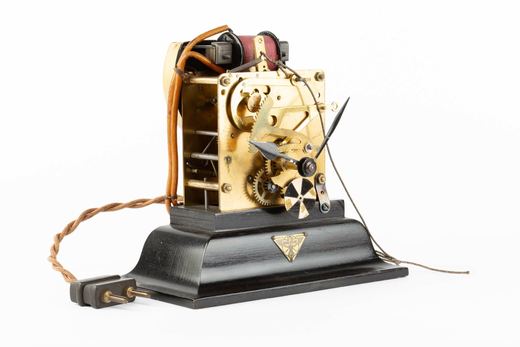
Clocks · 1900–1999
Clock by Friedrich Mauthe, Germany, 1900–1999 (German Clock Museum Museu_ProvidedCHO_museum_digital_59468__technical_number_)
German Clock Museum
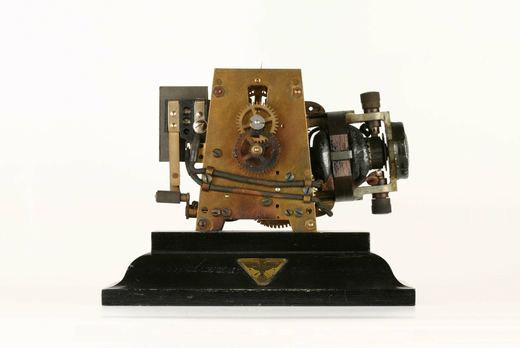
Clocks · 1900–1999
Clock by Friedrich Mauthe, Germany, 1900–1999 (German Clock Museum Museu_ProvidedCHO_museum_digital_59469__technical_number_)
German Clock Museum
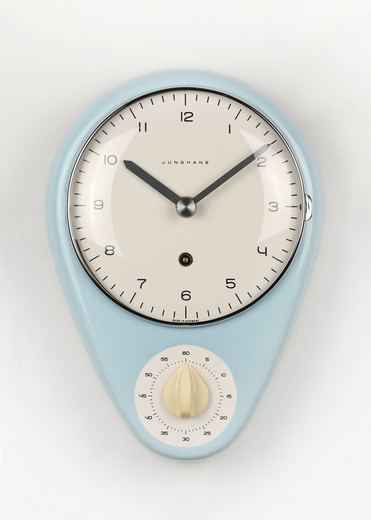
Clocks · 1900–1999
Clock, Germany, 1900–1999 (German Clock Museum Museu_ProvidedCHO_museum_digital_58196__technical_number_)
German Clock Museum
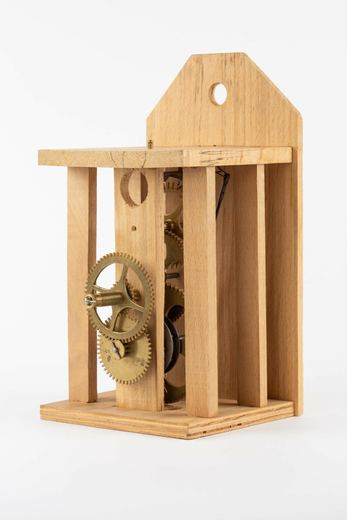
Clocks · 1900–1999
Clock, Germany, 1900–1999 (German Clock Museum Museu_ProvidedCHO_museum_digital_59377__technical_number_)
German Clock Museum
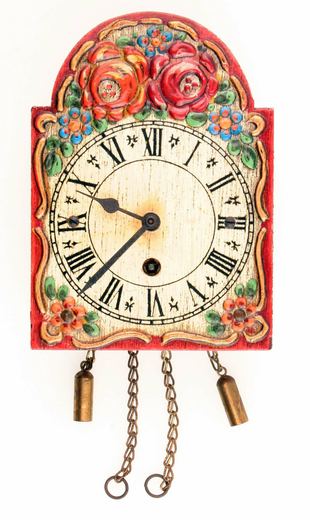
Clocks · 1900–1999
Mantel clock by Wintermantel & Co., Germany, 1900–1999 (German Clock Museum Museu_ProvidedCHO_museum_digital_56059__technical_number_)
German Clock Museum
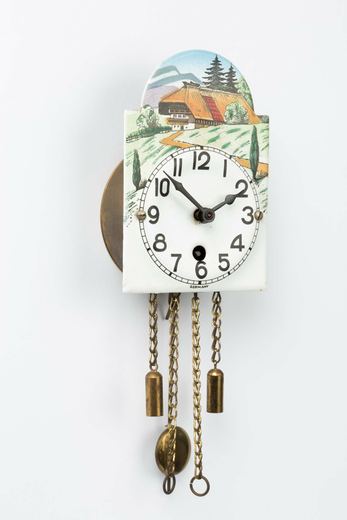
Clocks · 1900–1999
Mantel clock by Wintermantel & Co., Germany, 1900–1999 (German Clock Museum Museu_ProvidedCHO_museum_digital_56060__technical_number_)
German Clock Museum
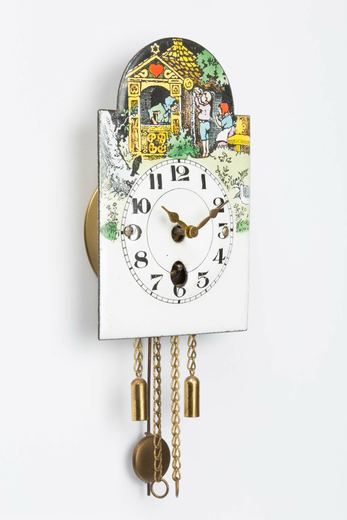
Clocks · 1900–1999
Mantel clock by Wintermantel & Co., Germany, 1900–1999 (German Clock Museum Museu_ProvidedCHO_museum_digital_56061__technical_number_)
German Clock Museum
Clocks · 1900–1999
Table clock by Friedrich Mauthe, Germany, 1900–1999
German Clock Museum