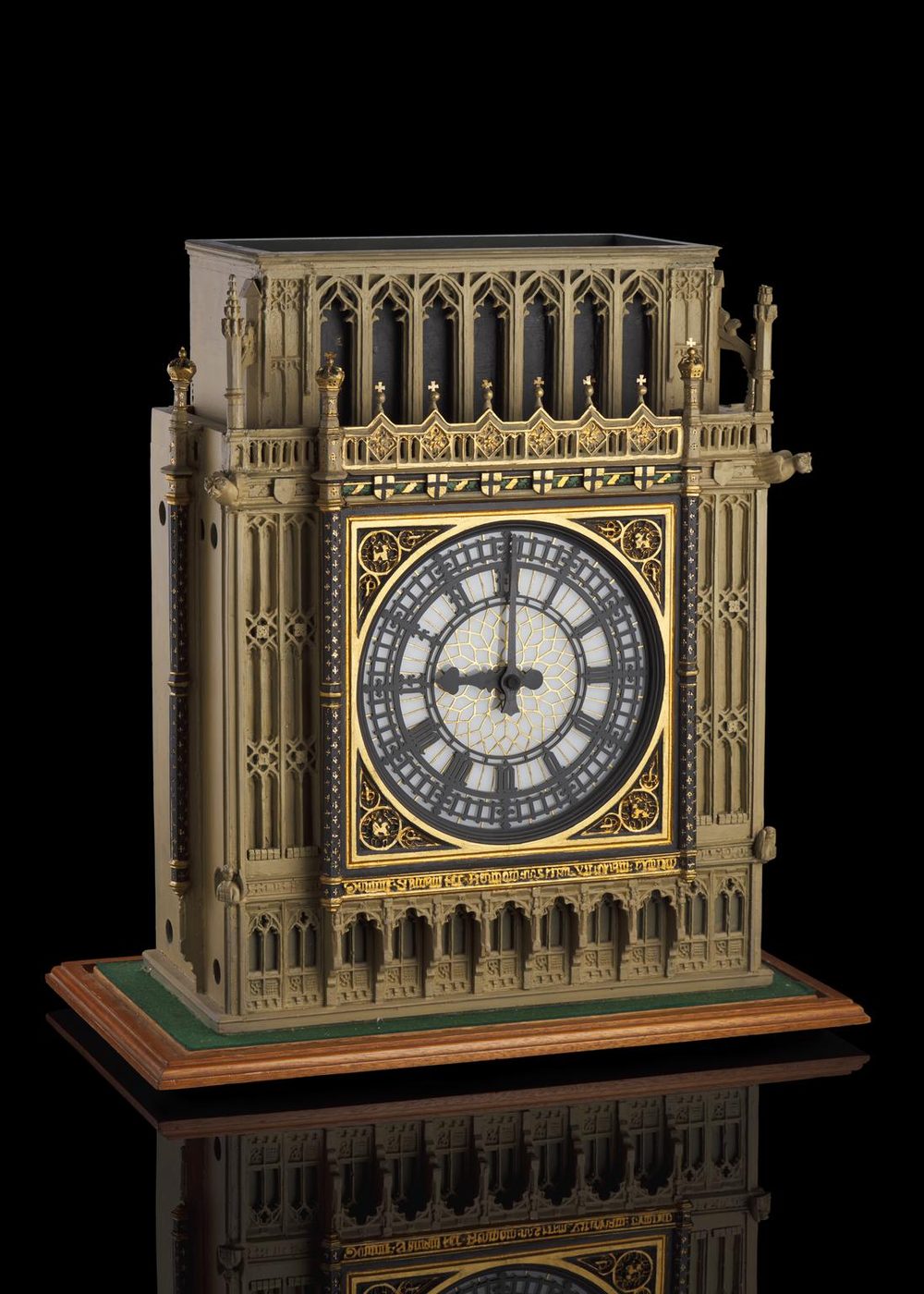
Clocks · Television studio clock
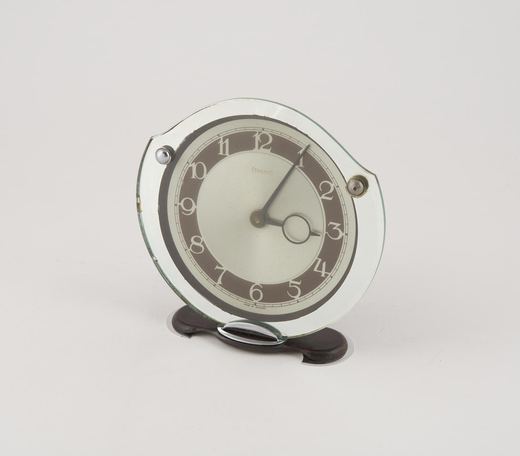
'Little Ben' in-vision clock, c 1953, used by the BBC in the standby studio, Lime Grove (Studio P).
- Maker / attribution
- Unrecorded in source
- Date
- circa 1953
- Historical period
- Modern Mechanical Horology (1945 – 1969)
- Country of origin
- England
- Place
- England, United Kingdom, England
- Object type
- Television studio clock
- Dimensions
- overall: 530 mm x 500 mm x 290 mm, 21 kg
- Holding institution
- Science Museum Group, London
- Accession / object no.
- 2015-5013
- Credit line
- BBC Heritage
- Catalogue title (original)
- BBC 'Little Ben' in-vision clock
Record summary
Held and catalogued by Science Museum Group, London (object number 2015-5013), this is a television studio clock, made in England, United Kingdom, England, dated circa 1953. The Atlas places it in the Modern Mechanical Horology period (1945 – 1969) of its Clocks collection. Recorded dimensions: overall: 530 mm x 500 mm x 290 mm, 21 kg. The record is illustrated with 4 photographs.
Assembled from the source record's structured fields. Dates and attributions are given as the source states them; where a field is missing the Atlas leaves it blank rather than estimating.
Catalogue description
Science Museum Group description
When transmissions were about to finish every evening, the BBC would put out a shot of Big Ben using this model in the standby studio (Lime Grove, Studio P). According to a veteran BBC engineer, 'the floor manager would be told when we had two minutes before the clock would go on air. Then he would ask the half dozen people in the studio – who had the right time? After various different answers he would decide – and set the clock accordingly – plus two minutes. This was necessary because “Big Ben” had no mechanism – time stood still for our clock! Apart from the fact that very often we didn’t have the right time in the first place, sometimes our “two minutes” stretched to considerably more – timings of programmes (all live) wasn’t rocket science. If the preceding programme was someone talking to the camera it wasn’t always easy to get him or her to stop! (particularly if it was a politician!).' As a result, 'Little Ben' sometimes did not show the right time. The clock contains three fluorescent tubes, used to simulate the clock at night.
Historical context
Modern Mechanical Horology (1945 – 1969)
Tool watches for divers, pilots and astronauts; electric watches anticipate the electronic age.
Post-war clocks combined new materials and industrial design: plastic and metal cases, battery-powered transistor movements from the late 1950s, and design classics by George Nelson, Max Bill and others. The first caesium atomic clock (1955) moved the definition of time from astronomy to physics.
Read the period in the timelineMore clocks from this periodEarlier: Golden Age of Mechanical Watchmaking
Atlas type guide
Domestic clocks
A clock combines four systems: a source of power (falling weight, coiled spring, or later electricity), a gear train that divides time, an escapement and oscillator that regulate it (foliot, pendulum or balance), and an indicating system of dial and hands or a bell. Its history runs from the large iron weight-driven clocks of the late thirteenth century to Renaissance spring-driven table clocks, the pendulum revolution of 1656, the factory clocks of the nineteenth century and electric and quartz clocks of the twentieth.
Domestic clocks also reflect regional furniture and decorative traditions — English longcase and bracket clocks, French pendules, Viennese regulators, Black Forest and American shelf clocks — and therefore record changing tastes as much as technical progress.
What to look for
- How the clock is powered: weights, spring barrel, fusee, electric coil.
- The oscillator: foliot, short pendulum, long seconds pendulum or balance.
- Whether it strikes: hour only (count wheel) or hours and quarters (rack striking).
- The maker or retailer's name on dial and movement, and any factory trademarks.
- Signs of alteration — replaced dials, converted escapements, 'married' cases.
Dating clues
- Before 1656 clocks used foliots or balances; after, most domestic clocks have pendulums.
- Anchor escapements spread after c. 1670; minute hands became common at the same time.
- Factory production in America and Germany transformed prices after c. 1840.
General guidance written by the Atlas editors about this kind of object. It is not a statement about this particular piece; for that, rely on the source record above and on physical examination.
Related records
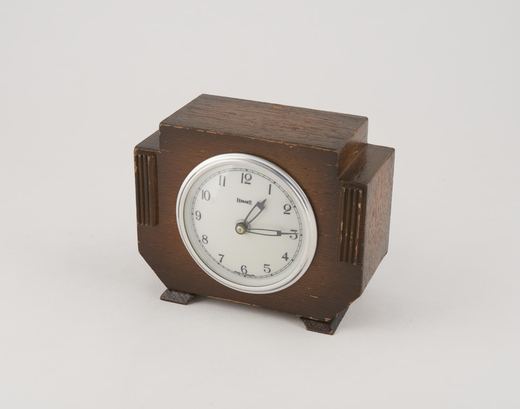
Clocks · 1930-1960
Ferranti electric mantel clock. (Science Museum Group Y1996.10.820)
Science Museum Group, London
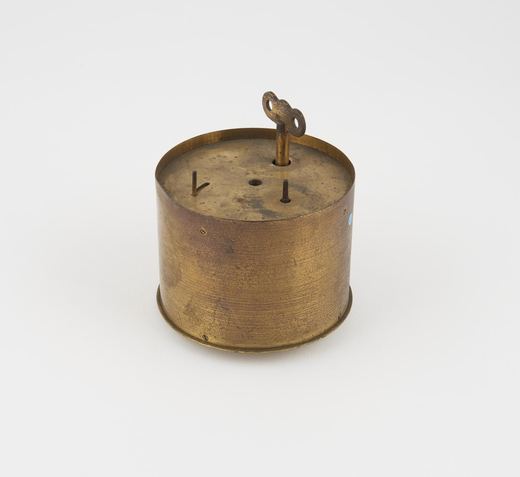
Clocks · 1931-1970
Clock and drum for recorder, 24 hours, English, 1931-1970.
Science Museum Group, London
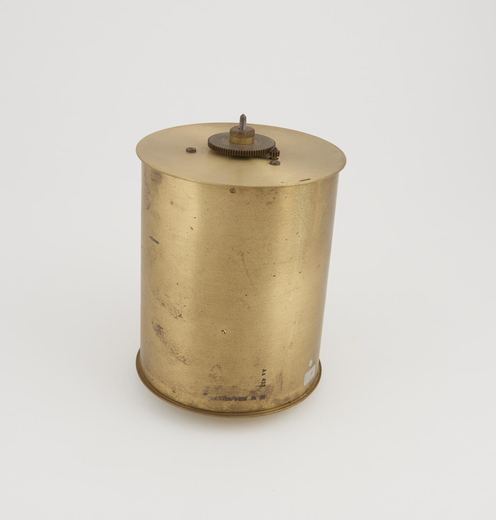
Clocks · 1940-1967
Drum and clock, English, 1940-1947, MO W 5124/ 47/ 57.
Science Museum Group, London
Clocks · 1940-1950
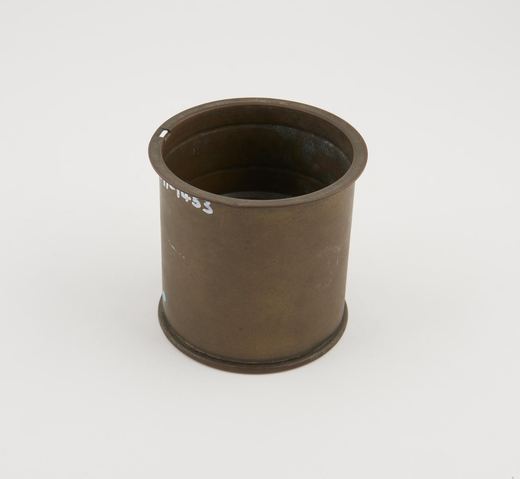
Drum and clock. by Smith's English Clocks Ltd., London, for Air Ministry.
Science Museum Group, London
Clocks · circa 1946
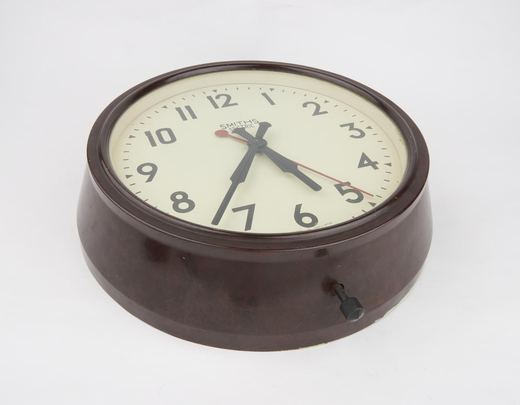
Smiths Sectric synchronous motor electric wall clock with centre seconds hand, by Smiths English Clocks Ltd, England c. 1946
Science Museum Group, London
Clocks · 1944-1947
Electrical connector block from the Parriss rolling-ball free pendulum clock, by E. G. Parriss, Nuneaton, England, 1944-1947
Science Museum Group, London
Clocks · 1945-1955
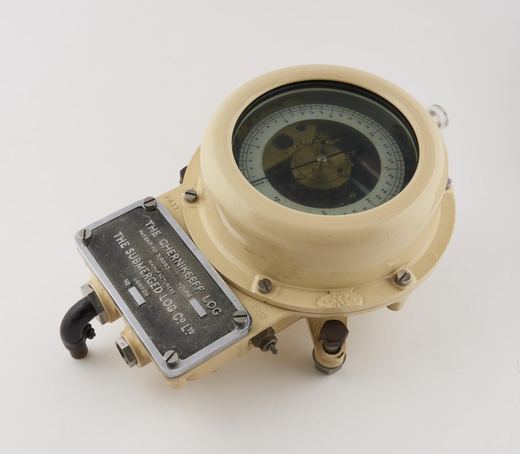
Clock by Submerged Log Company Limited; Chernikeef, Captain B., England, 1945-1955
Science Museum Group, London
Clocks · 1946
Ferranti model 292 electric clock, c.1946.
Science Museum Group, London