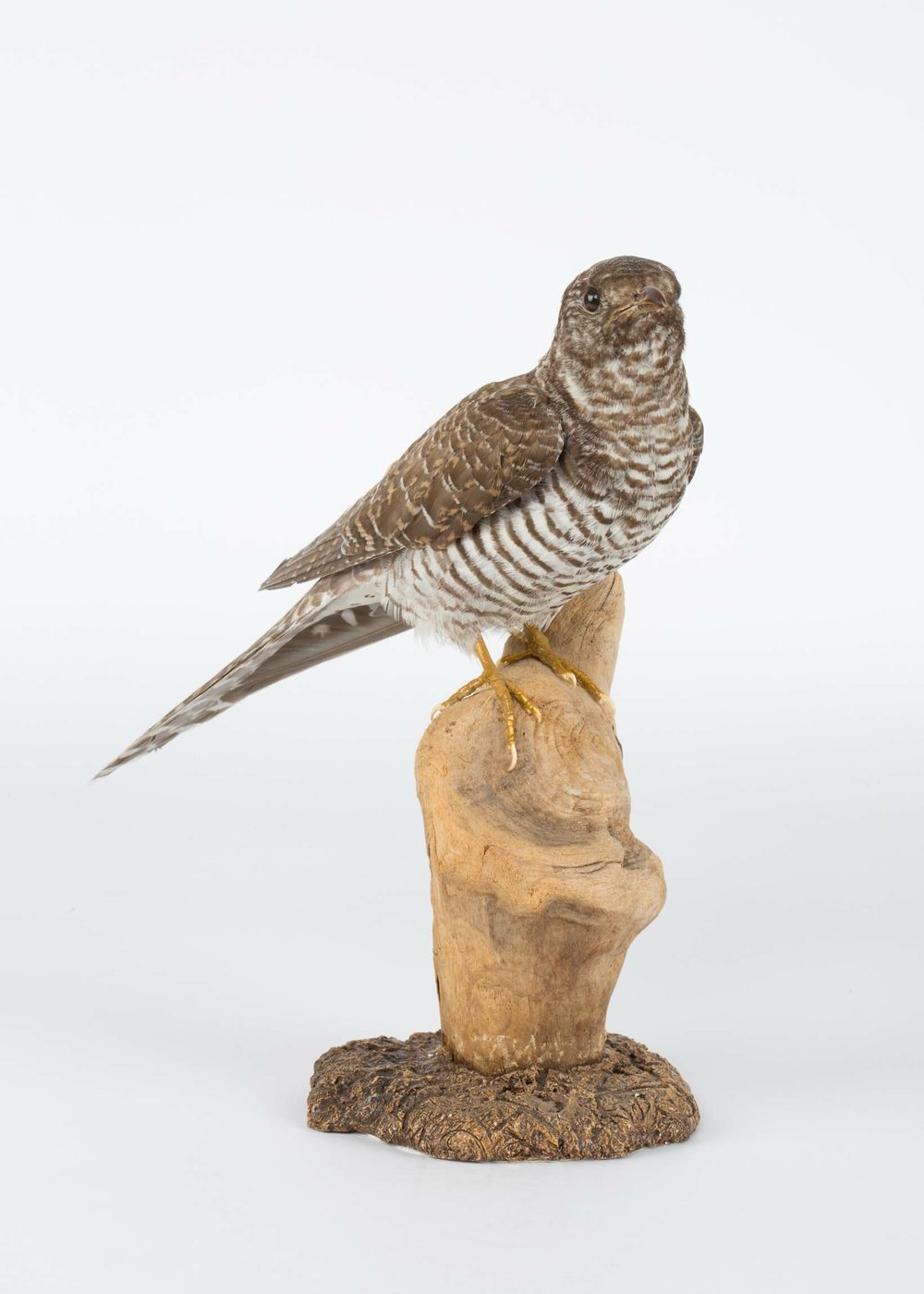
Clocks · Cuckoo / Black Forest clock
Cuckoo / black forest clock, Germany, 2000
- Maker / attribution
- Unrecorded in source
- Date
- 2000
- Historical period
- Mechanical Renaissance (1990 – 2010)
- Country of origin
- Germany
- Place
- Germany
- Object type
- Cuckoo / Black Forest clock
- Holding institution
- German Clock Museum
- Accession / object no.
- Museu_ProvidedCHO_museum_digital_56175__technical_number_
- Catalogue title (original)
- Ganzpräparierter Kuckuck, Schlüter Biologie, Winnenden, 2000 (German)
Record summary
Held and catalogued by German Clock Museum (object number Museu_ProvidedCHO_museum_digital_56175__technical_number_), this is a cuckoo / black forest clock, made in Germany, dated 2000. The Atlas places it in the Mechanical Renaissance period (1990 – 2010) of its Clocks collection. The record is illustrated with 1 photograph.
Assembled from the source record's structured fields. Dates and attributions are given as the source states them; where a field is missing the Atlas leaves it blank rather than estimating.
Catalogue description
Catalogue description from German Clock Museum (German)
Ganzpräparierter Kuckuck im Jugendkleid auf Ast, Schlüter Biologie, Winnenden, 2000. (Deutsches Uhrenmuseum Furtwangen)
Shown in the original language of the source catalogue. An editor-reviewed English translation has not yet been published; we do not publish machine translations as authoritative text.
Historical context
Mechanical Renaissance (1990 – 2010)
Mechanical watches return as cultural objects; independent watchmaking flourishes.
Mechanical clocks returned as luxury and craft objects, alongside radio-controlled and designer quartz clocks. Independent makers and restorers revived traditional techniques, and museums increasingly documented industrial and electric clocks as heritage.
Read the period in the timelineMore clocks from this periodEarlier: Quartz Revolution
Atlas type guide
Black Forest and cuckoo clocks
Clockmaking spread through the Black Forest in south-west Germany in the late seventeenth century as a winter occupation for farming families. Early clocks had wooden plates and wheels and a foliot ('Waaguhr') or short pendulum, with a painted wooden shield dial; pedlars (Uhrenträger) carried them across Europe. The cuckoo clock, which imitates the bird's call with two small bellows-driven pipes, appeared in the mid-eighteenth century.
The industry was organised around Furtwangen, Triberg, Schwenningen and Lenzkirch. The Furtwangen clockmaking school (1850) introduced the railway-house cuckoo clock design, and from the late nineteenth century factories such as Junghans, Kienzle and Hamburg-Amerikanische Uhrenfabrik produced clocks by the million. The German Clock Museum in Furtwangen preserves the region's history.
What to look for
- Wooden plates and wheels (earlier) versus brass movements (later).
- Painted shield dials (Lackschilduhr) with floral or figurative decoration.
- Cuckoo bellows and pipes, the carved 'railway house' or hunting-scene case.
- Trademarks and movement stamps of Black Forest factories.
Dating clues
- Wooden-wheeled foliot clocks: c. 1680–1750.
- Painted shield clocks: c. 1780–1880.
- Railway-house cuckoo clocks: after 1850; carved hunting-style cases after c. 1860.
General guidance written by the Atlas editors about this kind of object. It is not a statement about this particular piece; for that, rely on the source record above and on physical examination.
Read next:FoliotAnchor (recoil) escapement
Related records
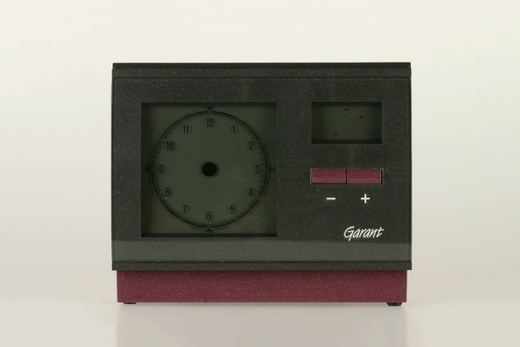
Clocks · 1990
Alarm clock by Andreas GmbH und Co. Haller, Germany, 1990
German Clock Museum
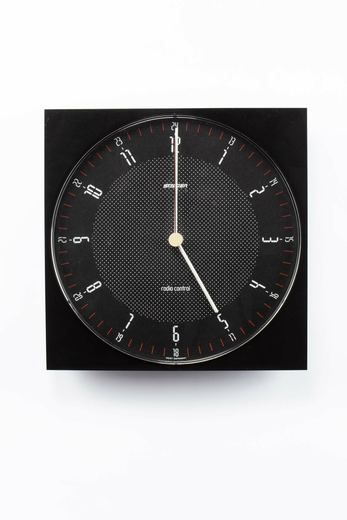
Clocks · 1990
Electric clock by Werner Staiger (Uhrenfabrik), Germany, 1990
German Clock Museum
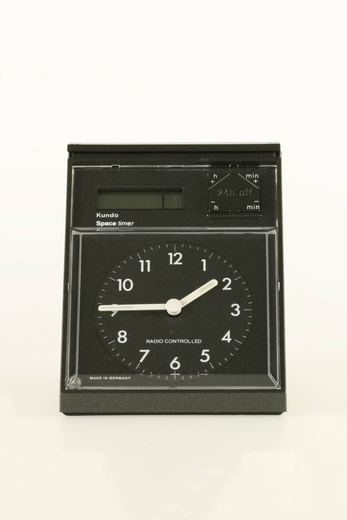
Clocks · 1991
Alarm clock by Kieninger und Obergfell (Kundo), Germany, 1991
German Clock Museum
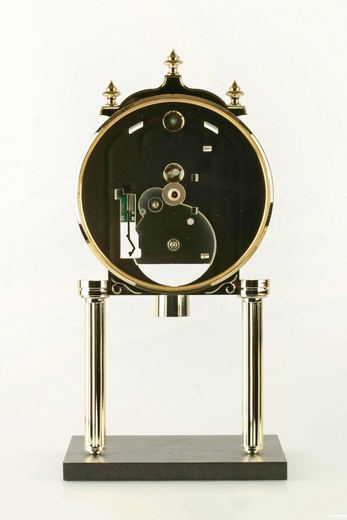
Clocks · 2007
Clock, Germany, 2007
German Clock Museum
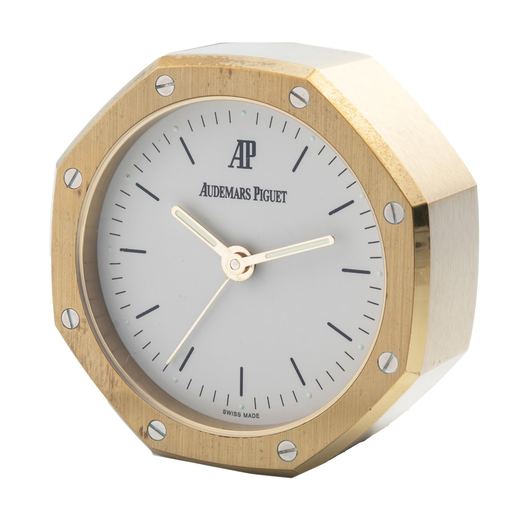
Clocks · circa 1990's
Audemars Piguet Royal Oak, circa 1990's
Antiquorum auction archive, Geneva

Clocks · circa 1990's
Breitling clock, circa 1990's (Antiquorum Lot 389-18)
Antiquorum auction archive, Geneva
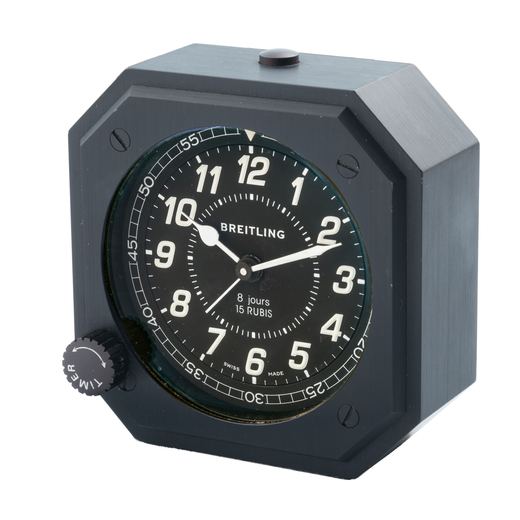
Clocks · circa 1990's
Breitling clock, circa 1990's (Antiquorum Lot 389-20)
Antiquorum auction archive, Geneva
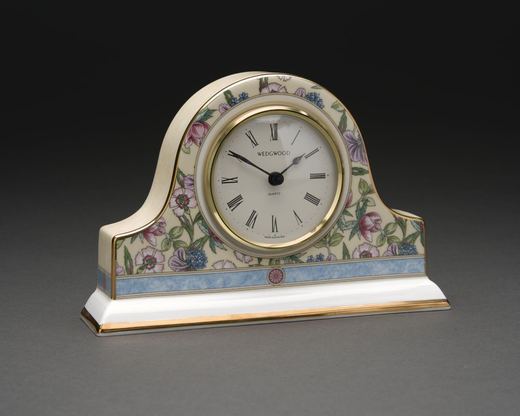
Clocks · ca. 1995
Clock, Bone China with transfer printing, Josiah Wedgwood and Sons, Barlaston, ca. 1995 (V&A WE.18792-2014)
Victoria and Albert Museum, London