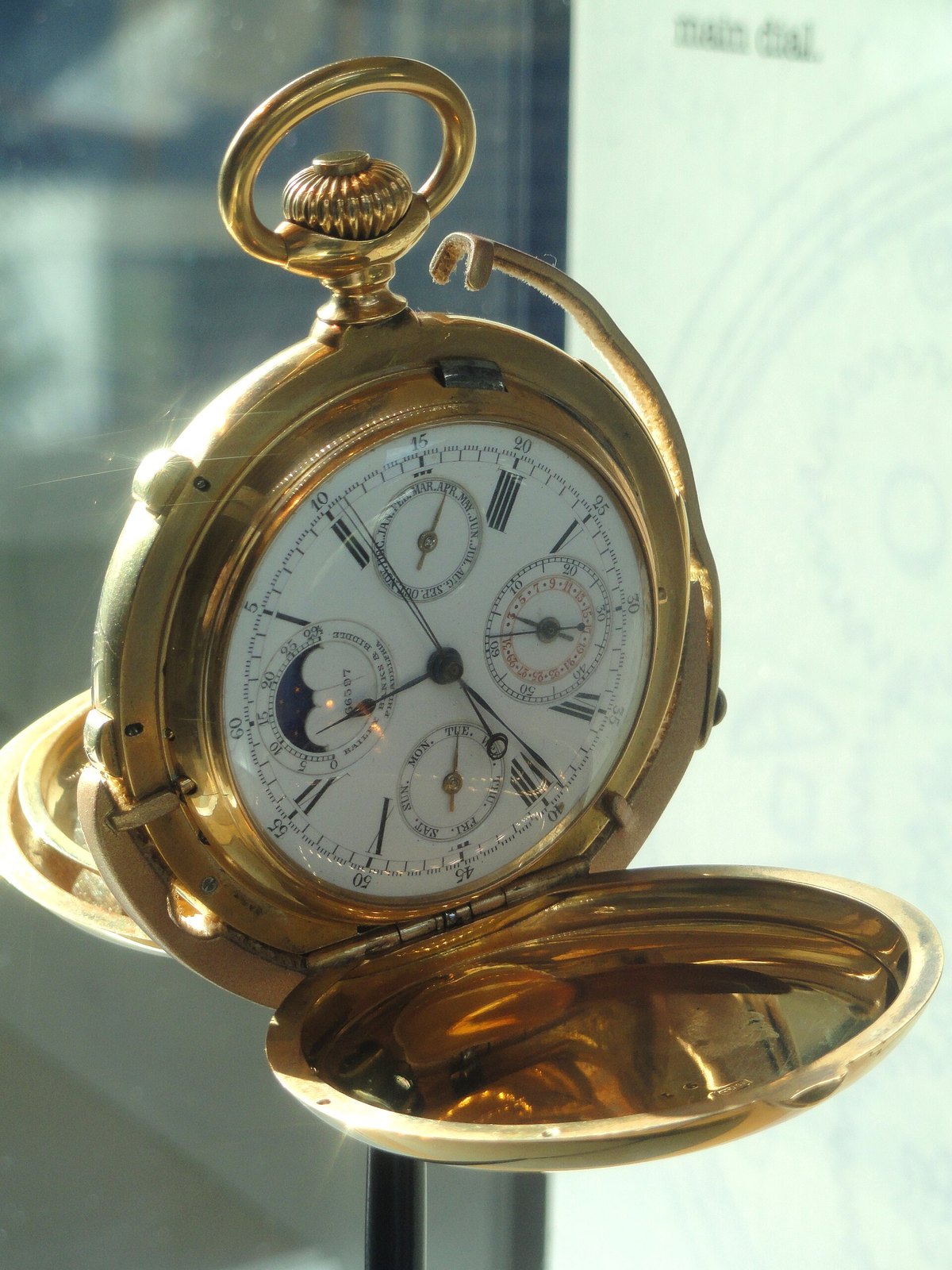
Complication
Split-seconds chronograph
Also known as: Rattrapante · Doppelchronograph · Schleppzeiger
How it works
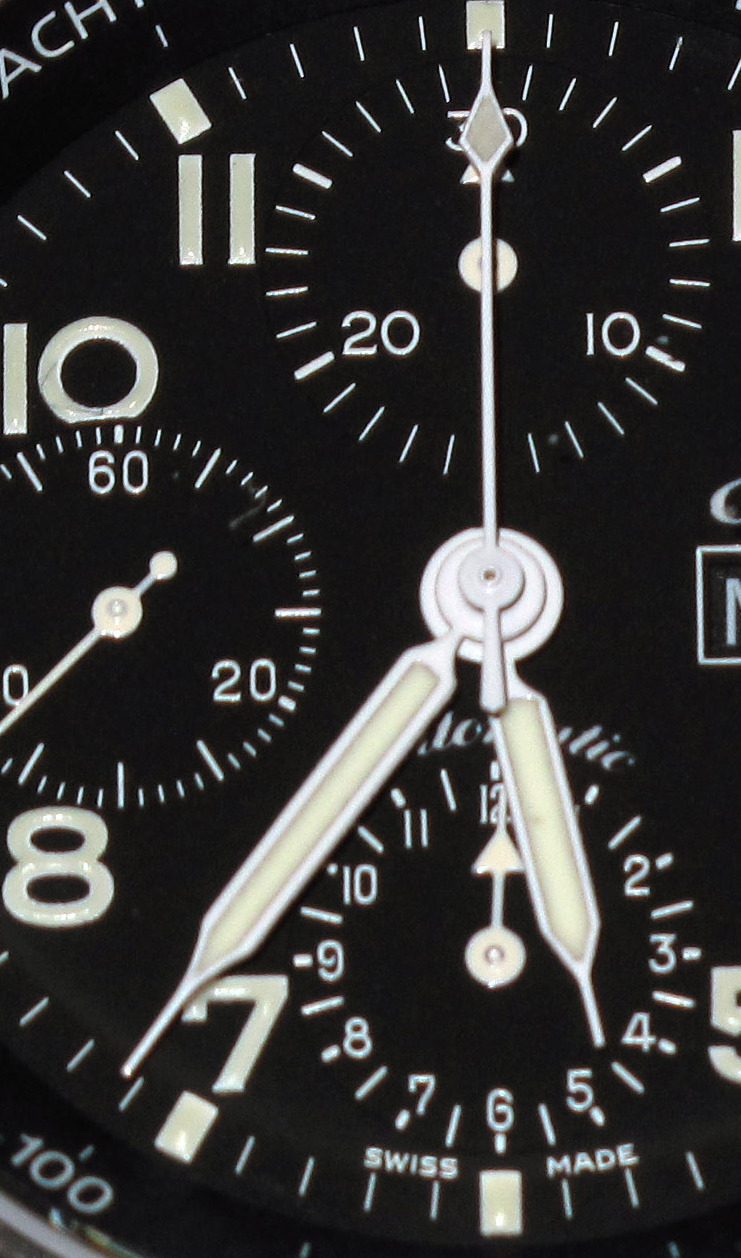
Two superimposed chronograph seconds hands run together. A third pusher stops the upper (rattrapante) hand to record an intermediate time while the other continues; pressing again makes it 'catch up'. An isolator and a clamping lever hold the split hand without stopping the main chronograph.
Why it was invented
To time two events that start together but end separately — two runners, or lap times.
- Invented
- 19th century
- Credited to
- No single inventor documented
- Historical period
- Industrial Revolution
History and development
Split-seconds pocket watches were made in Switzerland during the 19th century and became one of the classic grand complications; wristwatch versions are among the most demanding chronographs to build.
Related mechanisms
In the catalogue
Open in the catalogue →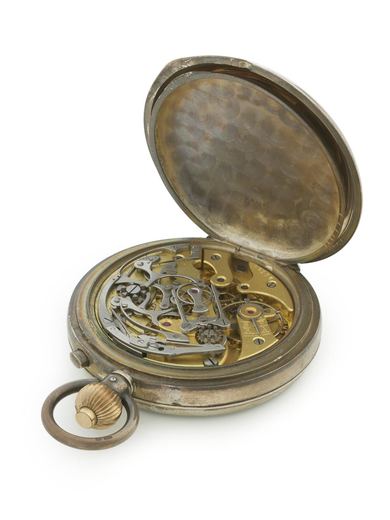
Pocket Watches · 1935
Pocket watch, Switzerland, 1935
Science Museum Group, London
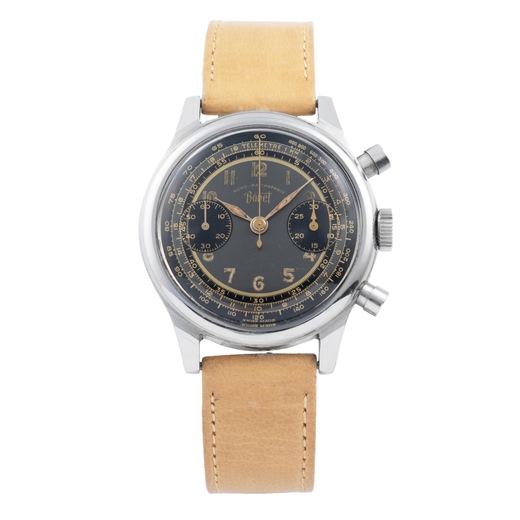
Wristwatches · circa 1940's
Bovet Mono-Rattrapante, ref. 5347, circa 1940's (Antiquorum Lot 390-81)
Antiquorum auction archive, Geneva
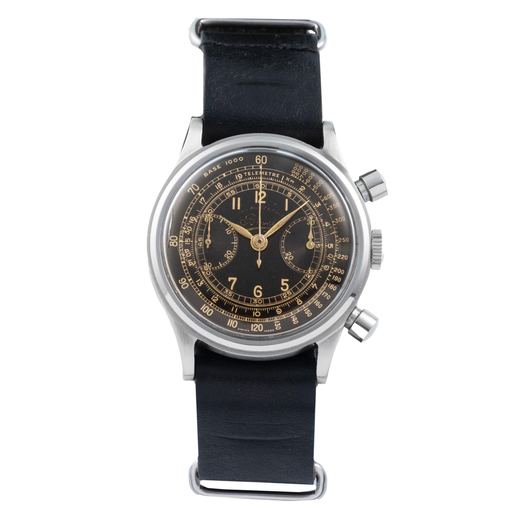
Wristwatches · circa 1940's
Bovet Mono-Rattrapante, ref. 5347, circa 1940's (Antiquorum Lot 390-82)
Antiquorum auction archive, Geneva
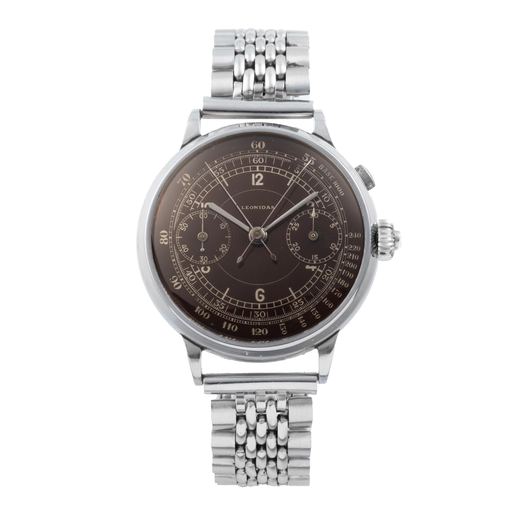
Wristwatches · circa 1940's
Leonidas wristwatch, circa 1940's
Antiquorum auction archive, Geneva
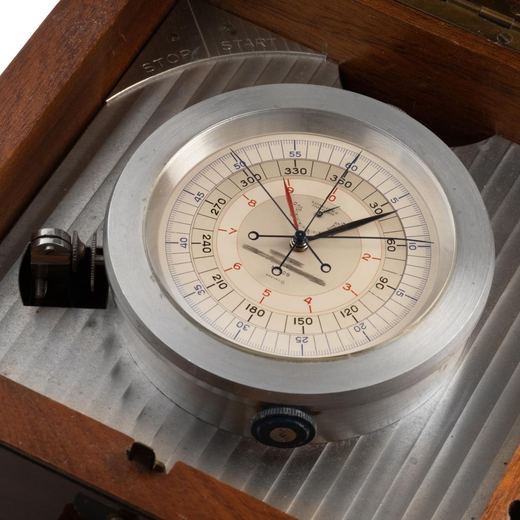
Pocket Watches · Sold to Longines France in January 1946
Longines Siderograph, ref. 5397, Sold to Longines France in January 1946
Antiquorum auction archive, Geneva
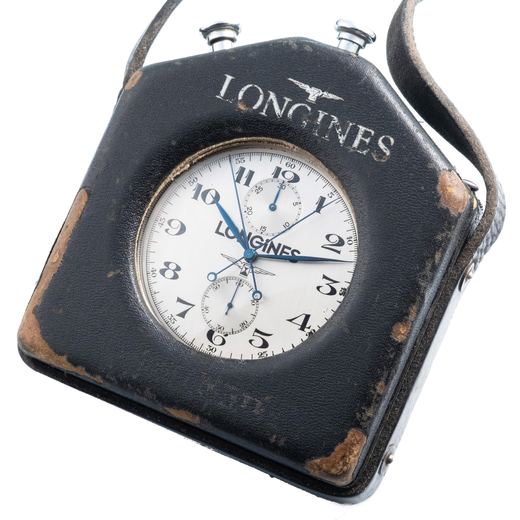
Pocket Watches · circa 1950
Longines pocket watch, ref. 4507, circa 1950
Antiquorum auction archive, Geneva
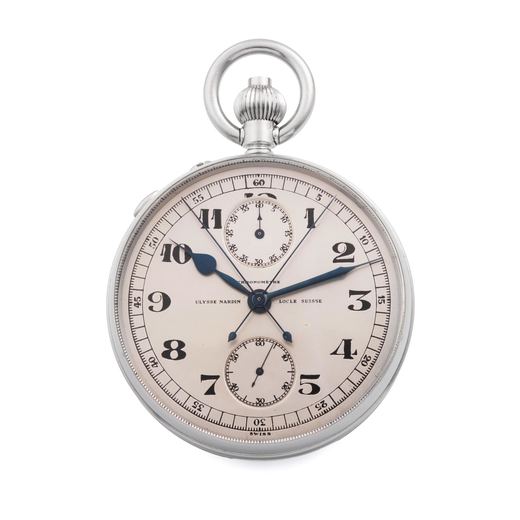
Pocket Watches · circa 1955
Ulysse Nardin Chronometer, circa 1955
Antiquorum auction archive, Geneva
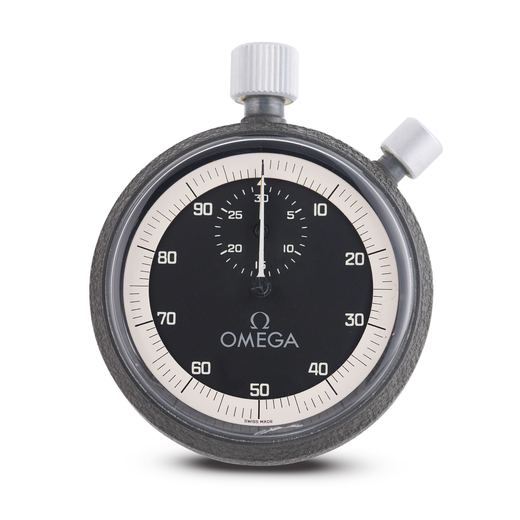
Pocket Watches · circa 1970s
Omega Stop Watch, circa 1970s
Antiquorum auction archive, Geneva
Records are linked when the holding institution's description names this mechanism; check each source record for confirmation.