Complication
Grande sonnerie
Also known as: Großes Schlagwerk
How it works
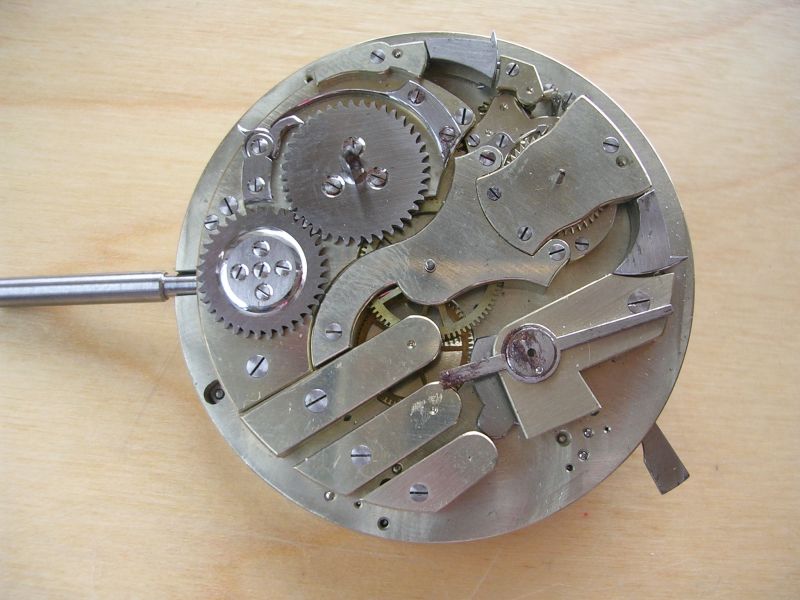
A striking mechanism that, at every quarter, strikes automatically the last hour followed by the quarters — in passing, without a push. 'Petite sonnerie' strikes the hours only at the full hour and the quarters at each quarter. Most grande sonnerie watches also repeat on demand and have a silencing lever.
Why it was invented
Continuous audible time, a prestige function inherited from clocks.
- Invented
- 17th century (clocks); 18th–19th century (watches)
- Credited to
- No single inventor documented
- Historical period
- Early Modern Horology
History and development
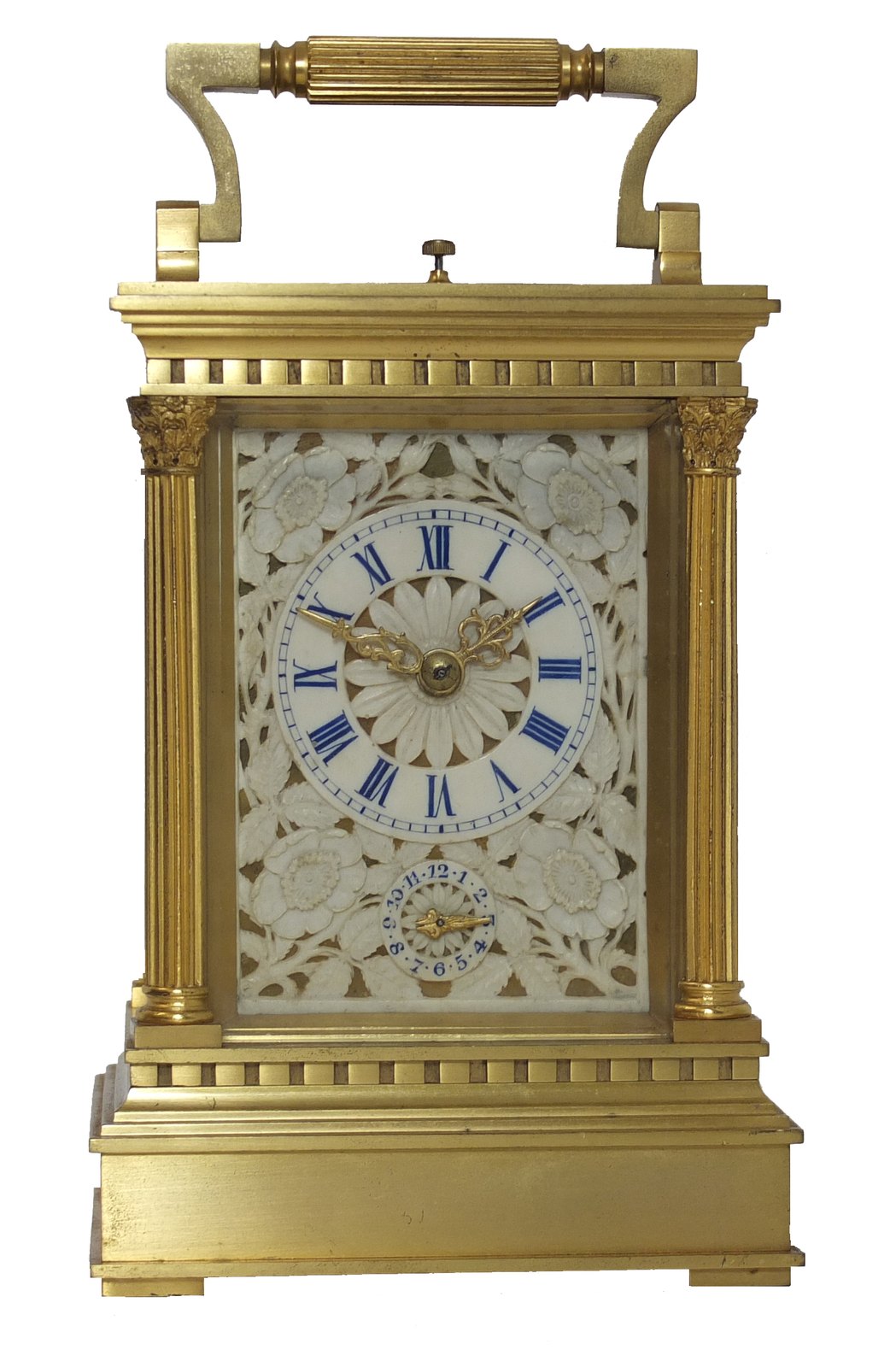
Quarter-striking clocks with grande sonnerie were made in 17th-century Europe — Tompion's grande sonnerie bracket clocks are celebrated examples. In watches the function needs much power, usually with a separate going barrel for the striking, and it is counted among the most complex of all complications.