The Horology Museum
The Catalogue
Matching records
136 records · page 1 of 6
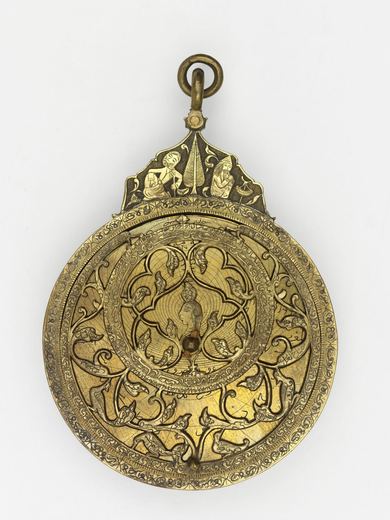
Instruments · 1700-1800
Astrolabe, Iran (Persia), 1700-1800
Victoria and Albert Museum, London
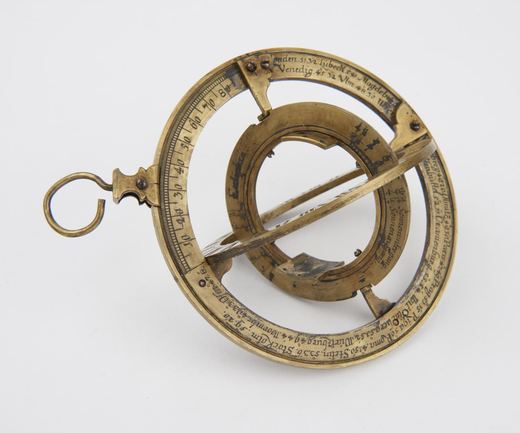
Instruments · 1701-1800
"Astronomical circles" brass part silvered 4in diameter, German, 1701-1800, or " armillary astrolabe"
Science Museum Group, London
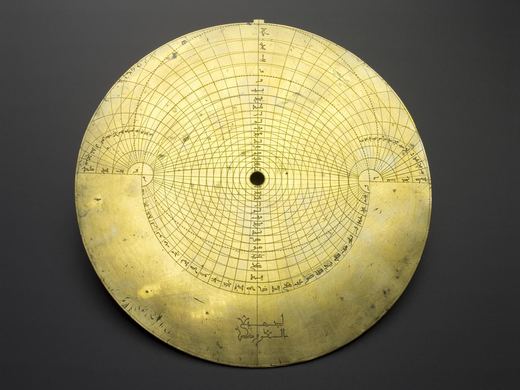
Instruments · 1701-1800
Astrolabe, Islamic world, 1701-1800
Science Museum Group, London
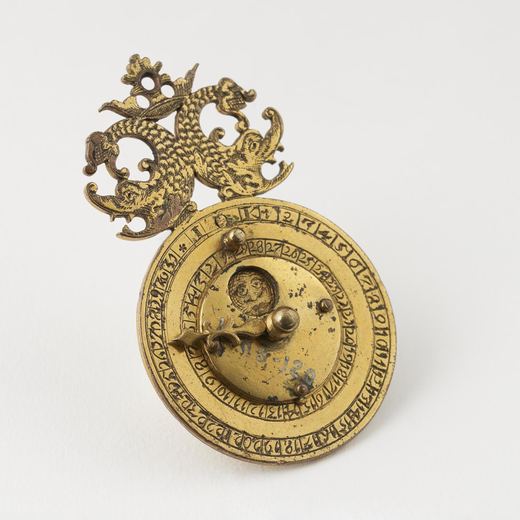
Instruments · 1701-1800
Perpetual calendar, gilt metal, 2½ x 9/16-inches, Germany, 1701-1800.
Science Museum Group, London
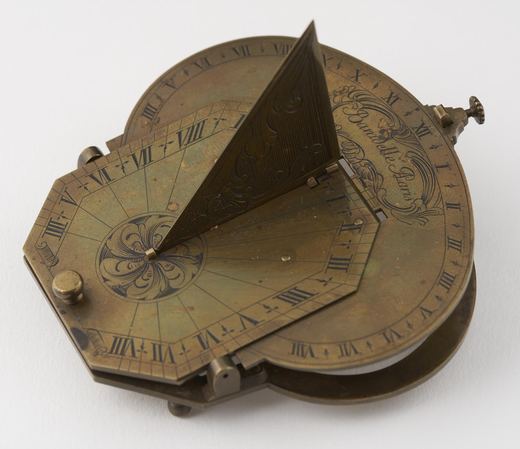
Instruments · 1701-1800
Small brass sun-dial, analemmatic, by Baradelle, Paris, France, 1701-1800 (see note).
Science Museum Group, London
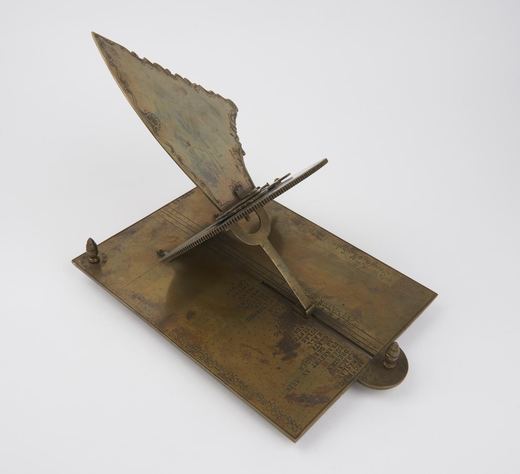
Instruments · 1701-1800
Sundial by Modestin, Joseph, Czech Republic, 1701-1800
Science Museum Group, London
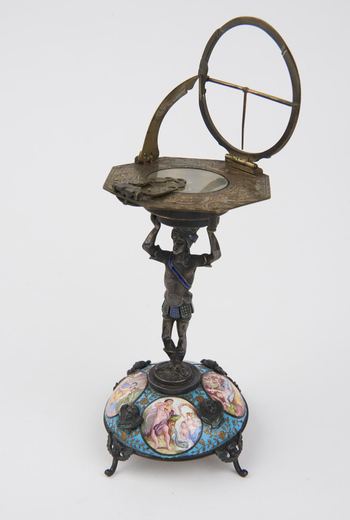
Instruments · 1701-1800
Sundial, Germany, 1701-1800
Science Museum Group, London
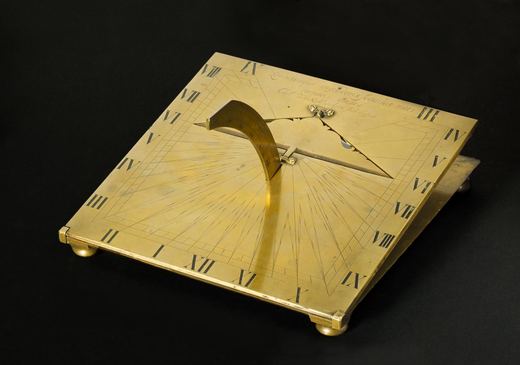
Instruments · 1701-1800
Universal equinoctial sundial signed "Carl Von Mandern fecit Hafnia" (Copenhagen), 18th century
Science Museum Group, London
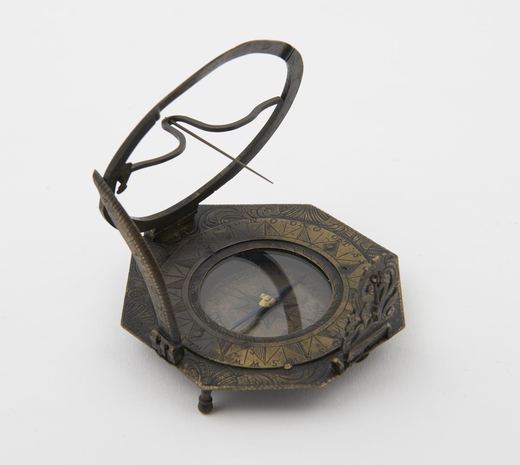
Instruments · 1701-1800
Universal pocket sundial, octagonal base, diameter of hour circle 2 7/8-inches, small plumbob, Germany, 1701-1800 (see note).
Science Museum Group, London
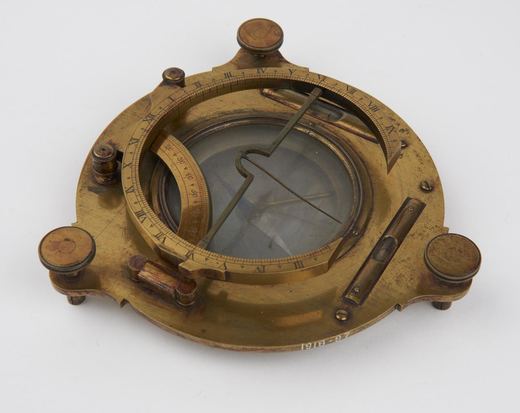
Instruments · 1701-1800
Universal sundial, by Sadtler of Vienna, 1701-1800
Science Museum Group, London
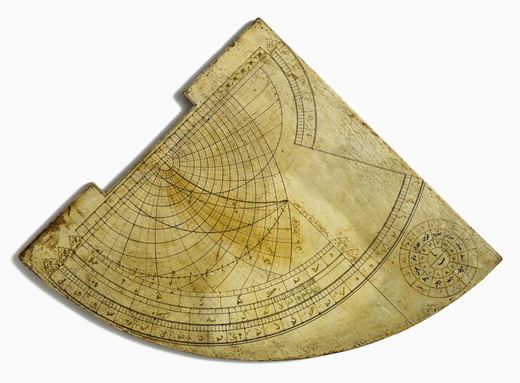
Instruments · 1701-1800
Wooden horary quadrant (25-cm radius) with painted scales and leather case, Islamic script, unsigned, Persia, 1701-1800.
Science Museum Group, London
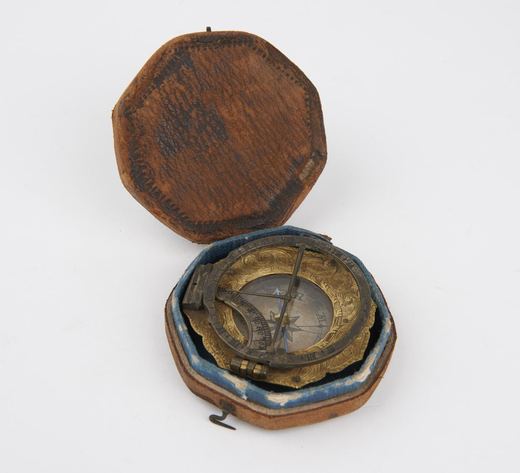
Instruments · 1726-1775
Universal equinoctial sundial of the Augsburg type, signed on the base "L T M" (Ludwig Theodatus Muller). In original case. German, mid 18th century. (B1670)
Science Museum Group, London
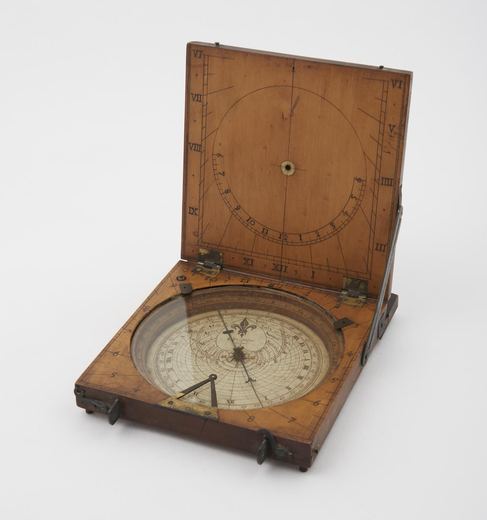
Instruments · 1731-1776
Azimuth compass sundial by James Ferguson, London, England, 1731-1776. Could also be used as a tablet sundial - string gnomon is missing (see note).
Science Museum Group, London
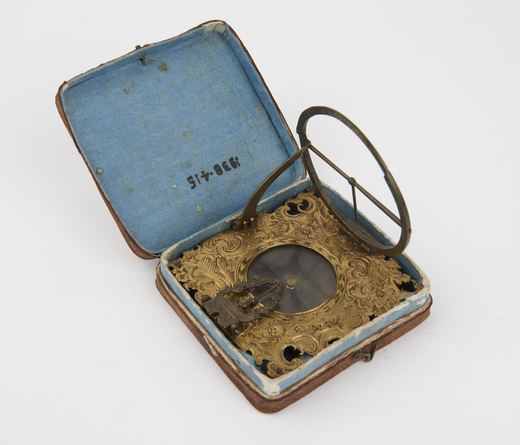
Instruments · 1734-1770
Sundial by Muller, Ludwig Theodatus, Germany, 1734-1770 (Science Museum Group 1938-415)
Science Museum Group, London
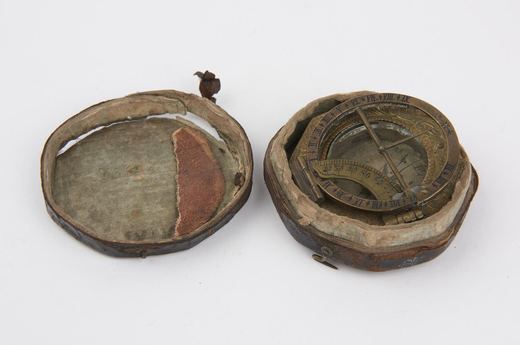
Instruments · 1734-1770
Sundial by Muller, Ludwig Theodatus, Germany, 1734-1770 (Science Museum Group 1991-138)
Science Museum Group, London
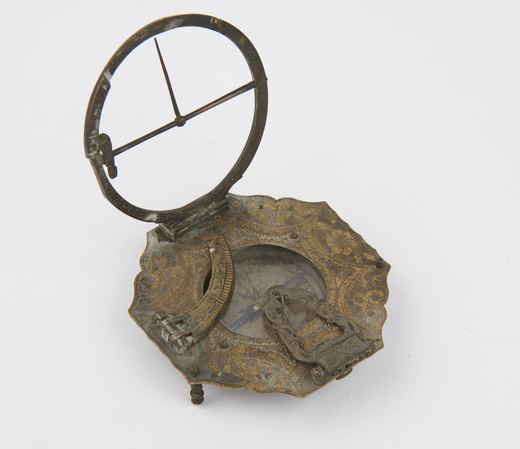
Instruments · 1734-1770
Sundial by Muller, Ludwig Theodatus, Germany, 1734-1770 (Science Museum Group 1991-192)
Science Museum Group, London
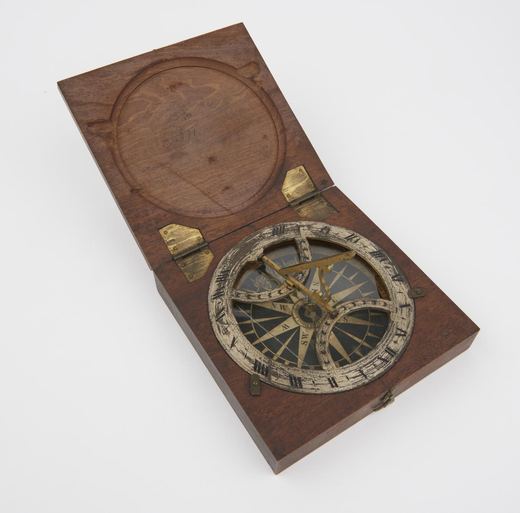
Instruments · 1738-1777
Azimuth sundial 4 3/8" diam, with folding gnomon fitted in mahogany case, made by B. Martin
Science Museum Group, London
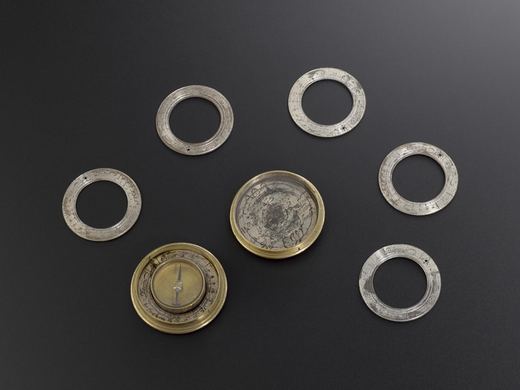
Instruments · 1745-1755
Magnetic Sundial with six loose hour rings
Science Museum Group, London
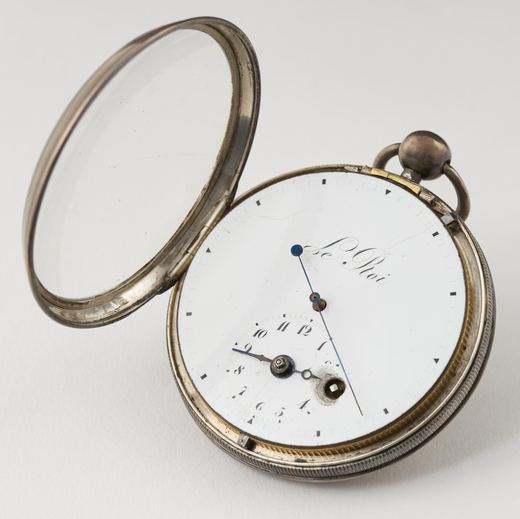
Instruments · 1745-1755
Verge stop-watch with centre seconds hand, by Le Roi, 1745-1755 (see note).
Science Museum Group, London
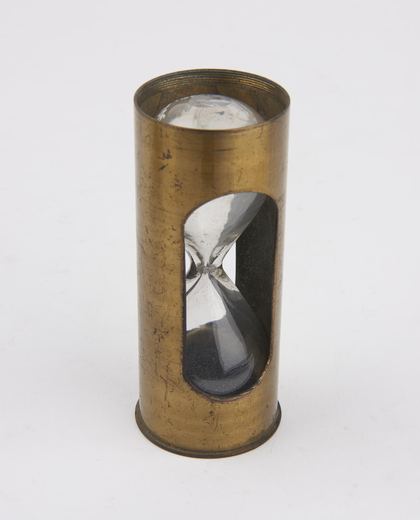
Instruments · 1750–1799
Ship's log glass. Single sand-glass in cylindrical brass mount (end cap missing). 15 seconds. Horne Type B. ?English, second half of the 18th century
Science Museum Group, London
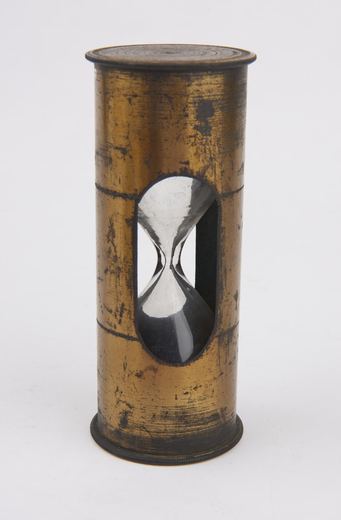
Instruments · 1750–1799
Ship's log glass. Single sand-glass in cylindrical brass mount. 30 seconds. Horne Type B. ?English, second half of the 18th century (Science Museum Group 1991-207)
Science Museum Group, London
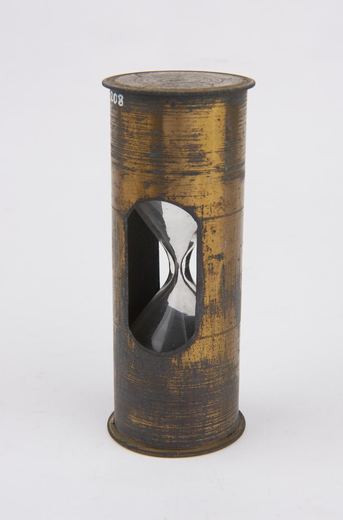
Instruments · 1750–1799
Ship's log glass. Single sand-glass in cylindrical brass mount. 30 seconds. Horne Type B. ?English, second half of the 18th century (Science Museum Group 1991-208)
Science Museum Group, London
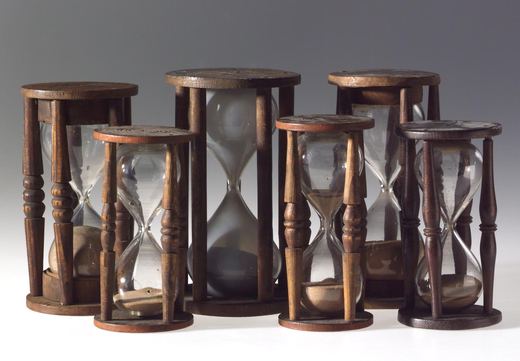
Instruments · 1750-1800
Single sand glass in four pillared wooden mount. 17 minutes. Horne Type B. Second half of the 18th century
Science Museum Group, London
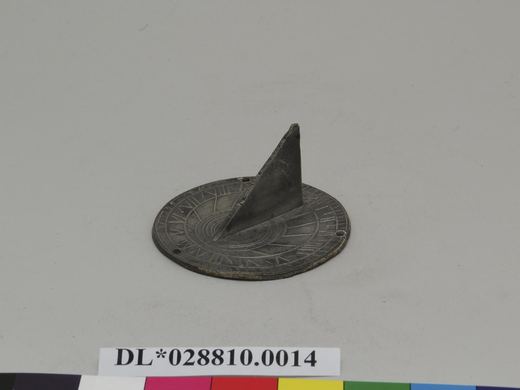
Instruments · ca 1750
Sundial by Copp Family, United States, ca 1750
National Museum of American History, Smithsonian Institution, Washington DC