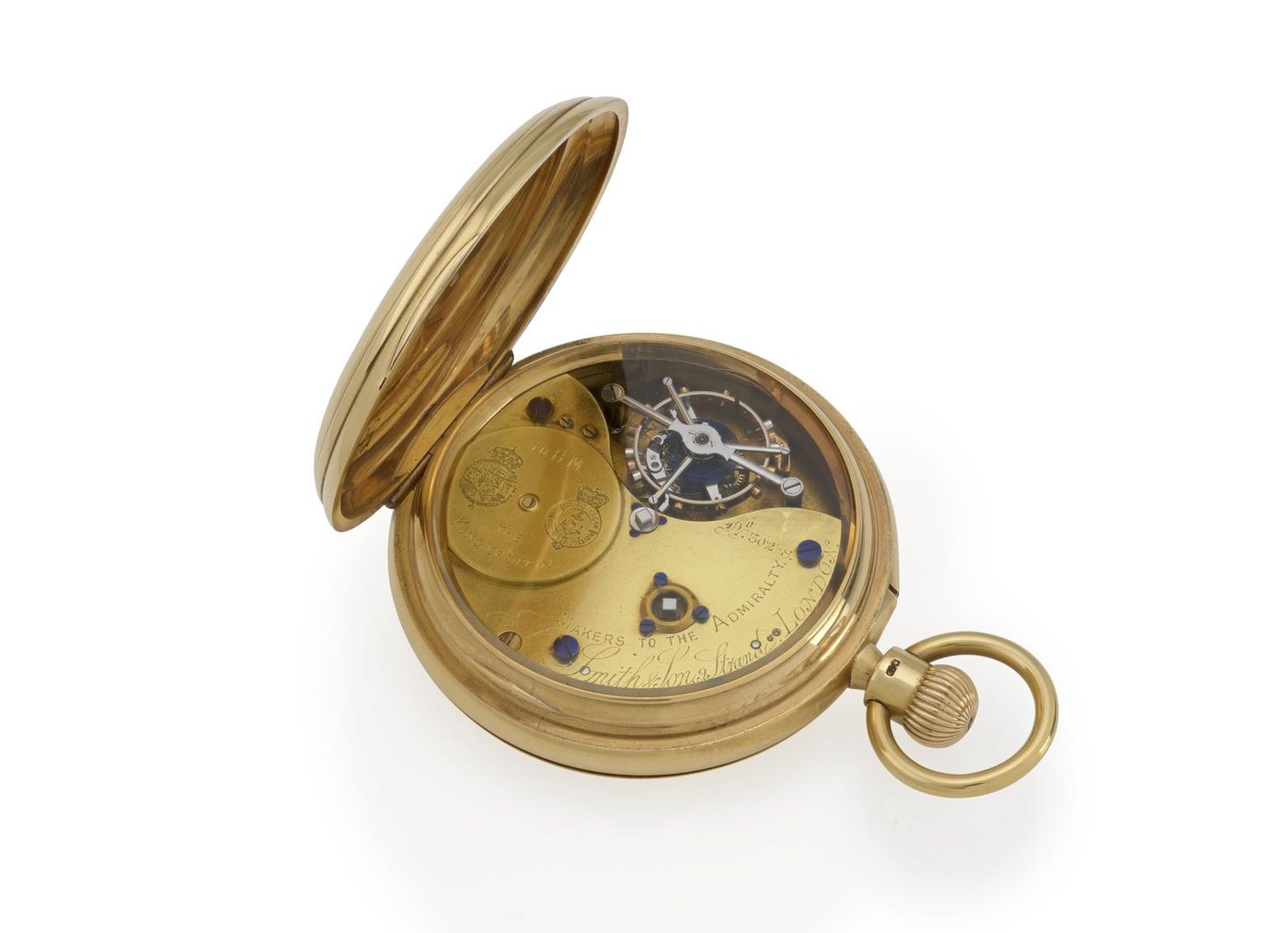
Pocket Watches · Watch; lever movement
Pocket watch by Samuel Smith and Sons Limited; Nicole Nielsen and Co., England, 1907
- Maker / attribution
- Samuel Smith and Sons Limited; Nicole Nielsen and Co. (maker); Samuel Smith and Sons Limited (maker)
- Date
- 1907
- Historical period
- Golden Age of Mechanical Watchmaking (1900 – 1945)
- Country of origin
- England
- Place
- London, Greater London, England, United Kingdom, London
- Object type
- Watch; lever movement
- Holding institution
- Science Museum Group, London
- Accession / object no.
- L2015-3401
- Credit line
- Lent by the Worshipful Company of Clockmakers
- Catalogue title (original)
- Tourbillon watch manufactured by Nicole Nielsen and retailed by S Smith & Son
Record summary
Held and catalogued by Science Museum Group, London (object number L2015-3401), this is a watch; lever movement by Samuel Smith and Sons Limited; Nicole Nielsen and Co., made in London, Greater London, England, United Kingdom, London, dated 1907. The Atlas places it in the Golden Age of Mechanical Watchmaking period (1900 – 1945) of its Pocket Watches collection. The record is illustrated with 2 photographs.
Assembled from the source record's structured fields. Dates and attributions are given as the source states them; where a field is missing the Atlas leaves it blank rather than estimating.
Catalogue description
The source record does not include a narrative description. The structured fields above are reproduced from it.
Historical context
Golden Age of Mechanical Watchmaking (1900 – 1945)
The wristwatch displaces the pocket watch; waterproof cases, self-winding and grand complications.
The pocket watch reached technical maturity and then began to give way to the wristwatch after the First World War. Complicated watches for collectors such as Henry Graves Jr. and James Ward Packard, railroad watches, and slim Art Deco dress watches are characteristic.
Read the period in the timelineMore pocket watches from this periodEarlier: Industrial Revolution
Atlas type guide
Pocket chronometers and precision watches
A pocket chronometer is a watch built to observatory standards, traditionally with a detent escapement like a marine chronometer. English makers such as John Arnold and Thomas Earnshaw made the first pocket chronometers in the 1780s. In the nineteenth century the term increasingly referred to any watch that had passed official rating trials at observatories in Kew, Neuchâtel, Geneva or Besançon, and the Swiss lever chronometer became dominant.
Tourbillon and karrusel watches belong to the same world of precision. Breguet patented the tourbillon in 1801 to average out positional errors; Bahne Bonniksen's karrusel (1892) was a cheaper English alternative. Rating certificates (bulletins de marche) that accompany such watches are historical documents in their own right.
What to look for
- Detent escapement (no pallets; a fine spring detent locks the escape wheel).
- Observatory certificates, competition results or 'Chronometer' marking on the dial.
- Tourbillon carriage visible through an aperture or on the movement.
- Fine finishing: jewelled holes in gold chatons, diamond endstones.
Dating clues
- English pocket chronometers: c. 1780–1900.
- Observatory trials at Neuchâtel from 1866, Geneva from 1873, Kew from 1884.
- Karrusels: 1892–c. 1915.
General guidance written by the Atlas editors about this kind of object. It is not a statement about this particular piece; for that, rely on the source record above and on physical examination.
Read next:Spring detent escapement
Related records
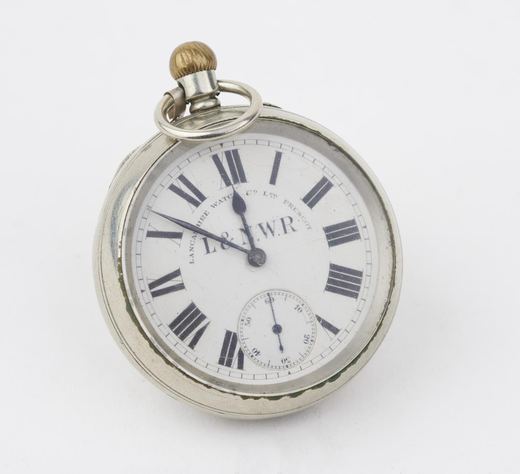
Pocket Watches · 1889-1960
Full plate keyless watch by Lancashire Watch Co. of Prescot no. 328964 LNWR, Presot, United Kingdom, 1889-1960
Science Museum Group, London
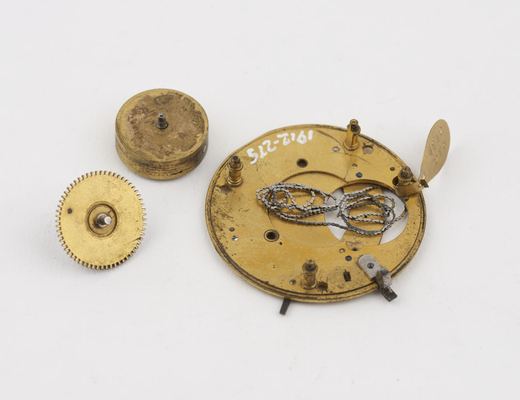
Pocket Watches · 1900-1912
Portion of watch including fusee, barrel and chain, bought from J.C. Stevens, Covent Garden, London, United Kingdom, 1900-1912
Science Museum Group, London
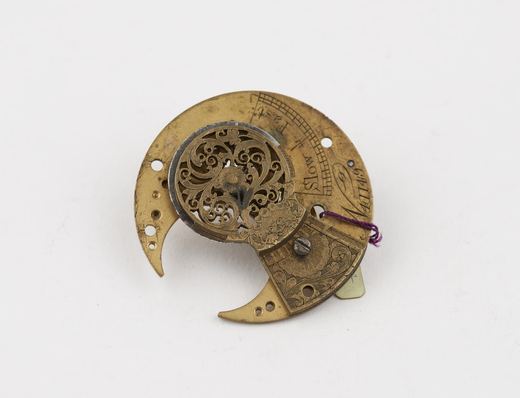
Pocket Watches · 1900-1912
Portion of watch including verge escapement, bought from J.C. Stevens, Convent Garden, London, United Kingdom, 1900-1912
Science Museum Group, London
Pocket Watches · 1900-1912
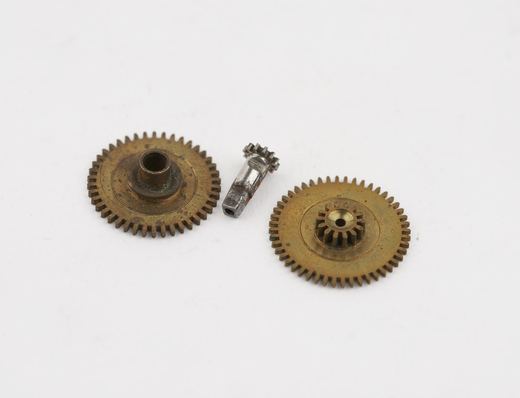
Set of (3) wheels used in motion work of a watch, purchased from J.C. Stevens, Covent Garden, London, United Kingdom, 1900-1912
Science Museum Group, London
Pocket Watches · 1910
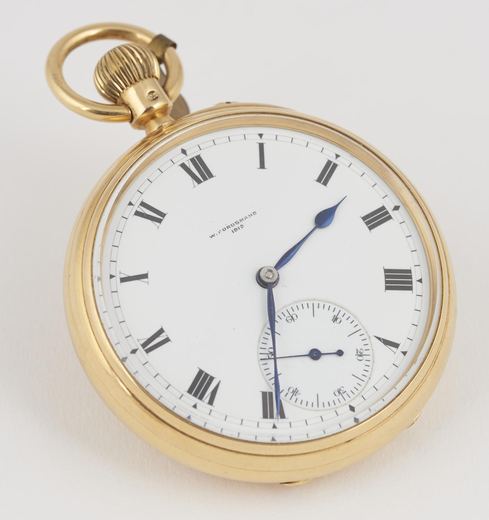
Gold keyless crystal tourbillon watch by W. Fordsmand, London, 1910
Science Museum Group, London
Pocket Watches · 1914
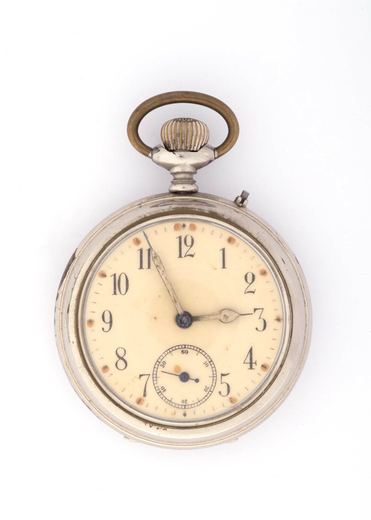
Pocket watch by Thomas Ernst A.-G. Haller, England, 1914
German Clock Museum
Pocket Watches · 1916
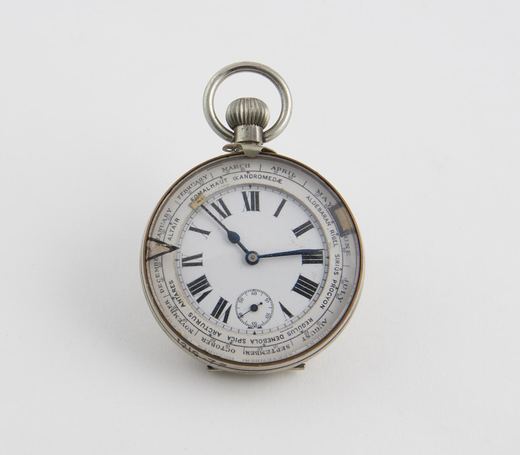
Reeve's patent night marching watch, no. 3, made by C.F. Casella and Co. Ltd
Science Museum Group, London
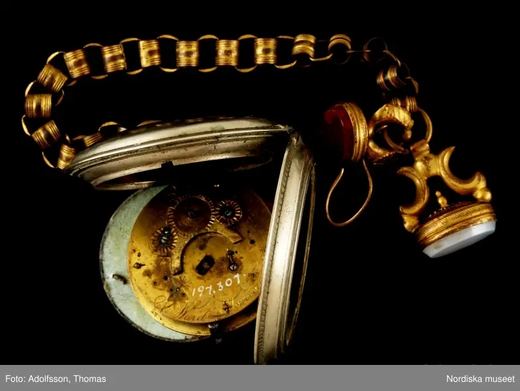
Pocket Watches · 1934
Pocket watch by I Ward, England, 1934
Nordic Museum Foundation