Movements & Components · Watch dial
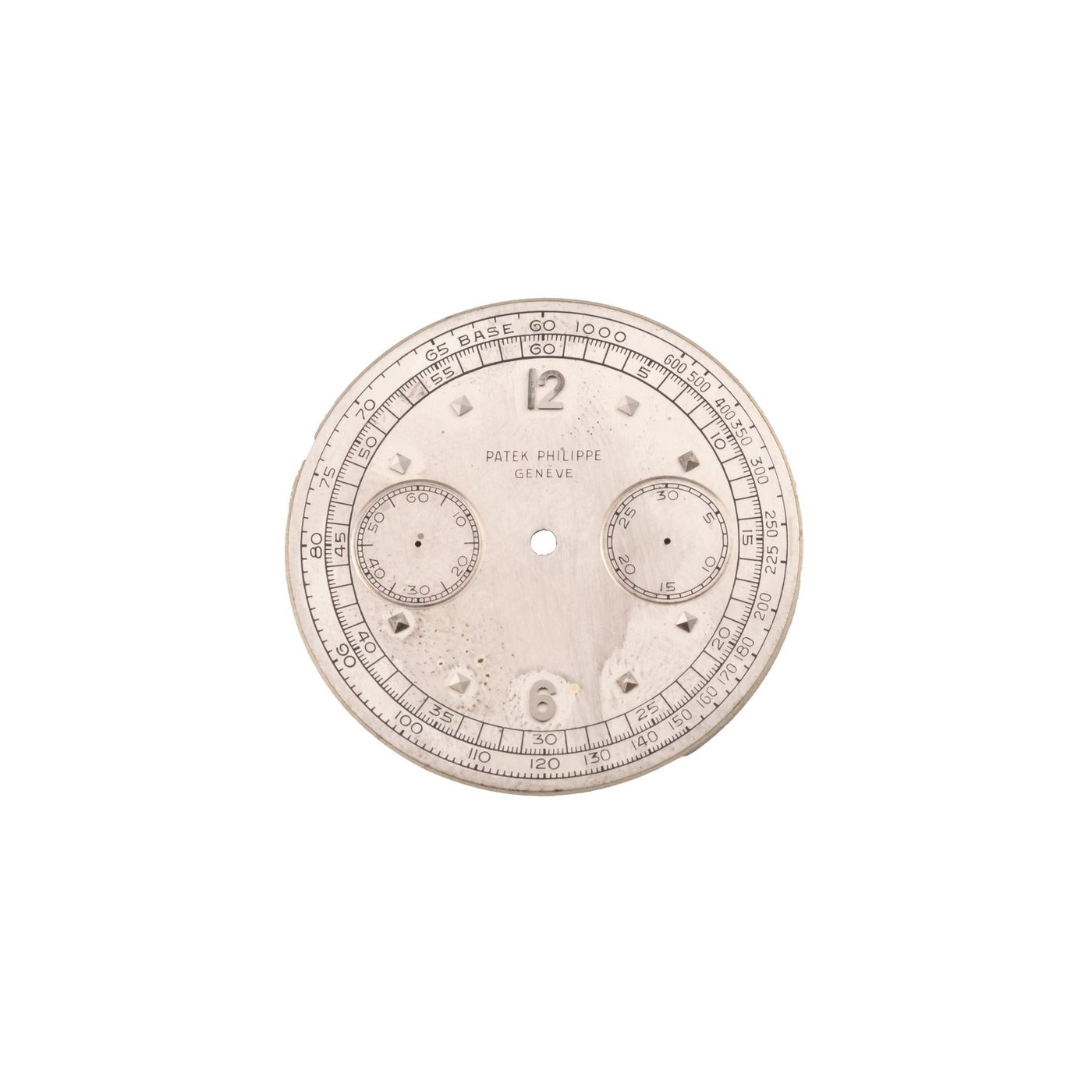
Patek Philippe watch dial, ref. 1579, circa 1940-1950's
- Maker / attribution
- Patek Philippe (brand / maker)
- Date
- circa 1940-1950's
- Historical period
- Modern Mechanical Horology (1945 – 1969)
- Country of origin
- Switzerland
- Object type
- Watch dial
- Dimensions
- 32
- Auction house
- Antiquorum auction archive, Geneva
- Lot
- Lot 374-111
- Credit line
- Auction lot record: LOT 111
- Catalogue title (original)
- PATEK PHILIPPE, SWITZERLAND, REF. 1579, DIAL
Record summary
Catalogued by Antiquorum auction archive, Geneva (lot Lot 374-111), this is a watch dial by Patek Philippe, made in Switzerland, dated circa 1940-1950's. The Atlas places it in the Modern Mechanical Horology period (1945 – 1969) of its Movements & Components collection. Recorded dimensions: 32. The record is illustrated with 1 photograph.
Assembled from the source record's structured fields. Dates and attributions are given as the source states them; where a field is missing the Atlas leaves it blank rather than estimating.
Catalogue description
Antiquorum catalogue description
EUR 10,800 - 21,500 / CHF 10,000 - 20,000 / USD 11,400 - 22,800 A fine and very rare, silver dial for a Patek Philippe steel or platinum reference 1579
Lot specifications (Antiquorum)
Signature: reverse by Stern 99 5548
Provenance
Property of a US gentleman
Historical context
Modern Mechanical Horology (1945 – 1969)
Tool watches for divers, pilots and astronauts; electric watches anticipate the electronic age.
Automatic winding, shock protection (Incabloc), and high-beat movements; electric and tuning-fork movements appeared.
Read the period in the timelineMore movements & components from this periodEarlier: Golden Age of Mechanical Watchmaking
Atlas type guide
Dials and hands
Dials record both fashion and technology. Early watches had engraved metal dials; champlevé dials with raised numerals dominated around 1680–1730, followed by white vitreous enamel, guilloché gold and silver dials, and printed metal dials in the twentieth century. Luminous paints — radium from c. 1910, tritium from c. 1960 and non-radioactive pigments from the late 1990s — answered the need for legibility in the dark.
Because dials are visible and easily damaged, they were often restored or replaced. Distinguishing original dials from 'redials', and original hands from later replacements, is one of the main tasks of identification and authentication.
What to look for
- Enamel hairlines, chips and the quality of painted numerals.
- Signatures and Swiss-made markings ('Swiss', 'Swiss Made', 'T Swiss T') at the bottom edge.
- Lume colour and condition, which should match between hands and dial.
- Dial feet and their positions on the reverse, which must match the movement.
Dating clues
- Champlevé metal dials: c. 1680–1730.
- 'Swiss Made' dial markings became usual after the 1950s; 'T Swiss T' indicates tritium (c. 1960–1998).
General guidance written by the Atlas editors about this kind of object. It is not a statement about this particular piece; for that, rely on the source record above and on physical examination.
Related records
Movements & Components · circa 1950's
Patek Philippe watch dial, ref. 1463, circa 1950's
Antiquorum auction archive, Geneva
Pocket Watches · circa 1895
Patek Philippe pocket watch, circa 1895
Antiquorum auction archive, Geneva
Pocket Watches · circa 1900
Patek Philippe Chronometro Gondolo, circa 1900
Antiquorum auction archive, Geneva
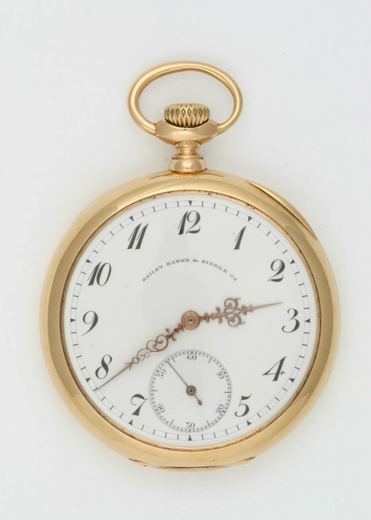
Pocket Watches · 1910
Pocket watch by Patek Philippe, Switzerland, 1910
German Clock Museum
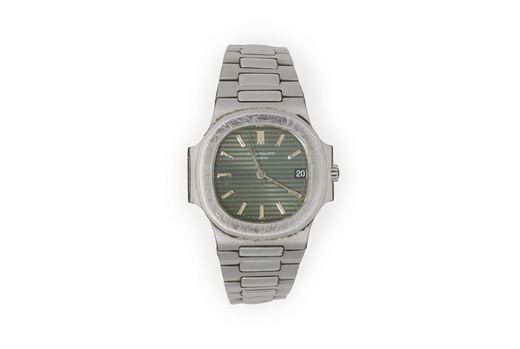
Movements & Components · 1901-2000
Nautilus wristwatch in a stainless steel case by Patek Phillippe, with co-axial escapement fitted by George Daniels, Switzerland/Isle of Man 1981/2.
Science Museum Group, London
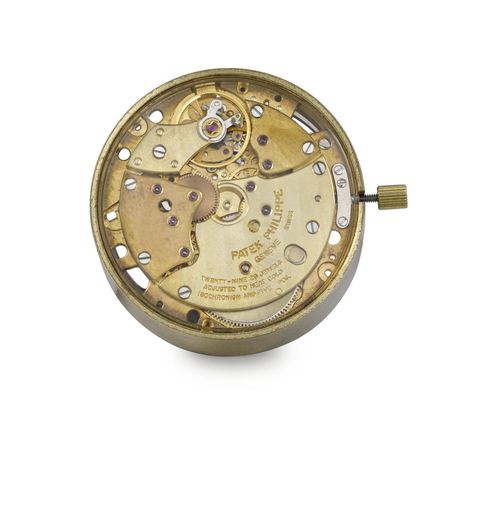
Movements & Components · 1901-2000
Watch movement by Patek, Philippe, Switzerland, 1901-2000
Science Museum Group, London
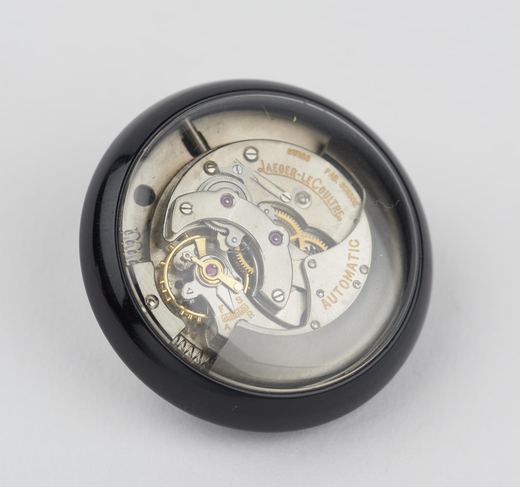
Movements & Components · 1953
Automatic watch movement, Jaeger-LeCoultre, 1953, Geneva, Switzerland, showing self-winding mechanism
Science Museum Group, London
Movements & Components · 1944-1947
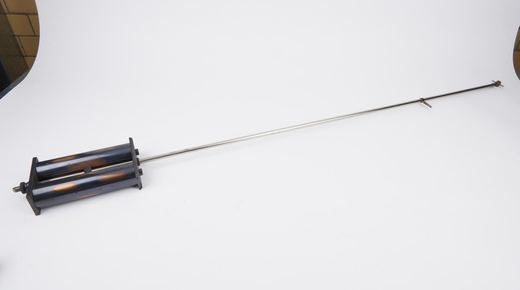
Pendulum from the Parriss rolling-ball free pendulum clock, by E. G. Parriss, Nuneaton, England, 1944-1947
Science Museum Group, London